
• Home
  • About Us
  • Toolkit
  • Archives
  • Advertise
  • Privacy Policy

Kids Ain't Cheap

But They Sure Are Worth It

  • Parenting
    • Baby Stuff
    • Books and Reading
      • Aesops Fables
      • Comic Books
    • Education
    • Family Time
    • Green Living
    • Growing Up
    • Healthy Living & Eating
    • Holidays
    • Parenting
    • Random Musings
    • Shopping
    • Stuff to Do
  • Money
  • Product Reviews
    • Books and Magazines
    • Discount Sites
    • Furniture
    • House Keeping
    • Reviews News
    • Toys and Games
  • Contact Us
  • Our Editorial Commitment
  • Search

6 Financial Reasons Millennials Refuse to Buy “Starter Homes” for Their Kids

February 14, 2026 | Leave a Comment


6 Financial Reasons Millennials Refuse to Buy
Image Source: Shutterstock.com

Millennials are rewriting the playbook on homeownership, and surprisingly, it doesn’t involve the classic “starter home” route. While previous generations swooped in with modest houses to launch their kids into independence, this generation looks at that option and cringes.

Why settle for something that might feel like a financial trap when there’s a smarter, more strategic path? From sky-high property prices to long-term wealth building, millennials are saying no to the traditional first step and yes to a new blueprint for family housing.

1. Skyrocketing Home Prices: Starter Homes Aren’t So “Starter” Anymore

The notion of a starter home has always implied affordability—a small, manageable property where kids can start adult life without drowning in debt. But in today’s market, the “starter” price tag often climbs well into six figures, even in suburban areas that once felt reasonable.

Millennials see a $350,000 or $400,000 entry point and immediately recognize the risk: a mortgage that could last longer than their patience. Beyond the mortgage, they factor in taxes, HOA fees, and maintenance, all of which pile up before a single move-in day. Financial advisors now caution that sinking such a large sum into a property that may not appreciate significantly isn’t the safety net it used to be, and millennials are taking that advice seriously.

2. Maintenance Nightmares: More Than Just a Roof Over Their Kids’ Heads

Owning a home isn’t just about the purchase price; it’s about what comes after. Starter homes, often older and more modest, come with unpredictable repair bills. Plumbing disasters, roof replacements, and aging HVAC systems can quickly transform a supposedly affordable house into a money pit.

Millennials, many of whom carry student loan debt and higher living costs, weigh these potential expenses carefully. Paying $10,000 to fix a water heater isn’t a lesson in adulthood—it’s a financial headache that could derail long-term plans. Many choose to invest in alternatives that don’t require constant patchwork, seeking options that preserve both their sanity and their wallets.

3. Market Volatility Makes Risk Aversion Mandatory

Real estate isn’t the guaranteed investment or dream purchase it once seemed. Housing markets fluctuate, and starter homes—often in less desirable areas—carry greater exposure to market swings.

Millennials grew up watching the 2008 housing crash obliterate family equity, and that memory has a lasting effect. Jumping into a small, untested property might offer immediate relief for their children, but it also introduces uncertainty that can erase years of financial planning. Millennials prefer strategies that balance growth with security, often exploring options like co-investing in family properties, focusing on long-term appreciation, or leveraging rental income to mitigate risk.

4. Alternative Investments: Stretching Dollars Beyond Bricks and Mortar

One major reason millennials pass on traditional starter homes is opportunity cost. Every dollar sunk into a modest house is a dollar that isn’t invested elsewhere. They’re looking at stocks, bonds, real estate funds, or even small business ventures that could yield higher returns over time.

This isn’t about shirking responsibility; it’s about teaching smarter financial stewardship. By diverting funds into diverse investments, millennials aim to give their kids a stronger financial foundation, even if it doesn’t involve a physical house immediately. Wealth-building, not just homeownership, takes center stage.

5. Location Limitations: Starter Homes Often Mean Compromise

Many starter homes are located in areas with limited career prospects, lower-performing schools, or fewer cultural amenities. Millennials are keenly aware that a home isn’t just shelter—it’s a platform for opportunity. Settling for a “cheap” property might force their kids into longer commutes, under-resourced school districts, or neighborhoods that don’t support upward mobility.

Millennials factor in more than just square footage; they look at lifestyle, access to opportunities, and long-term personal growth. Paying a bit more for a strategically located property—or skipping the purchase entirely in favor of alternative living arrangements—can pay dividends in the form of happiness, career advancement, and stability.
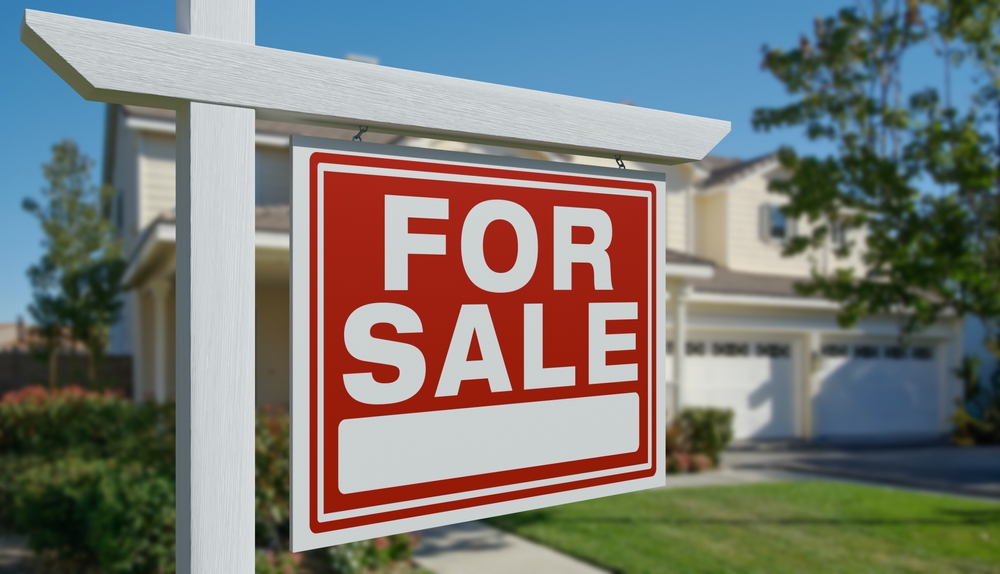
6 Financial Reasons Millennials Refuse to Buy
Image Source: Shutterstock.com

6. Teaching Financial Literacy: Less About Property, More About Principles

A surprising yet powerful reason millennials reject starter homes is the lesson itself. They recognize that gifting or purchasing a house can shield their children from the reality of applying for a mortgage, managing money, budgeting, and making financial trade-offs. Instead of handing over a house, millennials encourage financial literacy, often supporting children in saving for rent, investments, or even co-ownership schemes.

The focus shifts from handing down a roof to handing down skills that can sustain long-term wealth. It’s an approach that equips kids to make smart financial decisions on their own, reducing reliance on parental safety nets and fostering independence.

Rethinking “Starter Homes”: Millennials Carve Their Own Path

Millennials’ hesitation to buy traditional starter homes isn’t laziness or a lack of ambition—it’s strategic thinking. They analyze markets, calculate risks, and weigh alternative investments with a long-term vision. By prioritizing location, financial stability, and education over immediate ownership, they’re rewriting what it means to support their children. Starter homes once symbolized a rite of passage, but for millennials, the focus has shifted to resilience, opportunity, and smart wealth-building.

Are starter homes truly necessary anymore, or is it smarter to focus on a financial strategy that sets the next generation up for freedom and flexibility? How would you approach giving your kids a financial head start in today’s housing market? Give us your thoughts below in our comments section.

You May Also Like…

Exploring the Luxury Real Estate Market: Essential Advice

Create Conflict: 12 Estate Planning Errors That Create Child Conflict

Your Estate Planning Should Not Depend On Your Favorite Child, Stick With The Smartest

Are Millennial Parents Overreacting To Boomer Advice On Screen Time?

9 Millennial Parenting Trends That Boomers Quietly Judge

Brandon Marcus
Brandon Marcus
Brandon Marcus is a writer who has been sharing the written word since a very young age. His interests include sports, history, pop culture, and so much more. When he isn’t writing, he spends his time jogging, drinking coffee, or attempting to read a long book he may never complete.

Filed Under: Real Estate Tagged With: family finances, financial planning, generational wealth, Home Buying, housing affordability, housing market, investment strategy, Millennials, Parenting, real estate trends, starter homes

What to Do When Your House Is Too Big for You?

December 7, 2023 | Leave a Comment

Large white two story home with a pool in the front.

My husband and I moved last year from Arizona to New York. Our three kids were 18, 14, and 12. Unfortunately, we only had one week in New York to find a house before the move, which limited our choices. Our first two offers on other homes fell through, so we ended up with our third choice, a 2,040-square-foot, four-bedroom house. However, our oldest decided to move out of state for college, so quickly we had a house that was too big for our family. My husband and I have discussed this situation at length, as having this size house seems wasteful.

What to Do When Your House Is Too Big for You?

Ultimately, even though the house is too big for us and will only get bigger as our younger two grow up and move out in the next five to seven years, we’ll stay in the house until we’re much older, likely our 70s or 80s. We plan to stay in this house for 20 to 30 years more. Here’s why:

We’ve Already Put Significant Repair Money In This House

When we moved in, the house had several issues we needed to address; the most important was the leaky basement. We’ve spent a few thousand dollars on repairing the leaks. In addition, we’ve had to fix the garage door, replace the washer, dryer, and stove (all were original to the house and broke within the first year we moved in), and update the electrical outlets. We don’t want to think about moving again only to have to update another house. Now that we have this one in good working order, we’d like to stay here.

The Interest Rate

Person with three blocks. Each block on the end has a percentage sign, and the block in the middle has a house

We bought this house when interest rates were on the rise. I was unhappy to pay 5.375 percent interest when we bought the house in August 2022, but now, when I look at how high mortgage interest rates are, I’m happier with the rate we have. If we moved within the next year or two, we’d have a much higher interest rate and a payment that would be several hundred dollars more per month even if we bought a house at the same price we bought our current home.

Smaller Houses Aren’t That Much Cheaper

In our area, most houses are two-story houses the same size as ours. There are fewer smaller, one-story houses. They’re hard to find, and when you do find them, most tend to be in less desirable areas, making eventual resale more difficult.

In addition, we don’t find utilities for our house expensive. Utility prices are cheaper here than in Arizona, so moving to a smaller home wouldn’t make much of a difference when it comes to those costs.

Kids Might Move Back for a While

Even though all of our kids might leave to go away to college, one or two of them might return for a while. I had an interrupted path through college myself and moved back home two times for a total of four years I lived with my mom after I graduated high school between the ages of 18 and 27. Our children might do the same, and it would be nice to have room for them.

We’ll (Hopefully) Need a Big House When We Have Grandkids

Our kids are now 19, 15, and 13. Within the next 10 to 15 years, we likely will have grandkids. When we do, we want to have a big house to accommodate our grandkids and all of our kids’ families when they come to visit. Staying in this home makes that possible; moving to a smaller home does not.

The House Will Grow in Value and Appeal to Families When We Move

Our subdivision is filled with families since most of the homes are larger. The subdivision was built 20 years ago, but it’s still well-maintained and a desirable place to live in our small city. I don’t see that changing, so selling will hopefully be easier when we are ready to move. In addition, we’re hopeful that our home will continue to increase in value, especially as we make necessary changes and improvements.

We Hate Moving

Man and woman packing up boxes

Finally, we hate moving! We have had three major moves during our marriage: from Michigan to Illinois, from Illinois to Arizona, and from Arizona to New York. Moving requires a large time commitment and is also expensive. Since we’re already settled in this house, we see no point in moving again.

The Downsides of Living in This Home

Of course, even though we have many reasons to stay in this house, there are downsides to keeping a house that is too big for us.

Yard Maintenance Is Time-Consuming

Our property is .67 acres, so mowing takes approximately 1.5 to 2 hours each week in the summer. We currently use a self-propelled mower, but as we age, we could buy a riding lawn mower to make the job easier and less time-consuming.

In addition, our yard has five pine trees and four maple trees. For most of the spring and summer, the pine trees drop pine cones that we need to rake up before we mow. In the fall, the leaves can take 10 to 20 hours or more to clear from our property. We plan to cut down some of these trees in the next few years, which should also help reduce yard maintenance.

No First Floor Bedroom

Some of the two-story houses we looked at had one first-floor bedroom, which would be helpful as we age. However, our house has all the bedrooms upstairs. The downstairs does have two living rooms, so we could convert one into a bedroom. However, the bathroom downstairs is a half-bath, so we would also need to remodel the bathroom. That will be an expensive endeavor.

Final Thoughts

What should you do when you have a house that is too big for you? You’ll have to consider all variables, as we have, to decide if it’s worthwhile to stay in place or if moving makes more sense.

Read More

Should You Buy a House in a Bad School District?

How to Reduce Your Household’s Water Consumption

Is It Child-Approved? The Best Home Buying Checklist When You’re House Hunting with Kids

Melissa Batai
Melissa Batai

Melissa is a writer and virtual assistant. She earned her Master’s from Southern Illinois University, and her Bachelor’s in English from the University of Michigan. When she’s not working, you can find her homeschooling her kids, reading a good book, or cooking. She resides in Arizona where she dislikes the summer heat but loves the natural beauty of the area.

Filed Under: Real Estate Tagged With: big house, empty nest, home ownership, real estate

7 Things to Look for in Your First Family Home

March 27, 2023 | Leave a Comment

When searching for your first home, there are several factors to consider to ensure that it meets the needs of your growing family. It can be an exciting and overwhelming time, but focusing on specific aspects will help create a comfortable and safe living space for your loved ones. Take a look at some of the most important elements to watch for when searching for your first house.

1. Prioritize Location and Neighborhood

The location of your family home plays a critical role in providing a safe and nurturing environment for your children. Take the time to research the neighborhood, paying close attention to schools, parks, and recreational facilities nearby. A family-friendly community with low crime rates and a strong sense of community will allow your kids to grow and thrive.

2. Consider the Home’s Structure and Layout

As you search for the perfect family home, keep the layout and structure in mind. A well-designed floor plan can make all the difference in creating a functional and harmonious living space. Look for a house with enough bedrooms and bathrooms to accommodate your family, and consider open floor plans that encourage more interaction.

3. Examine the Home’s Safety Features

Safety should be a top priority when selecting a family home. One concerning fact is that miles of pipelines in the United States have caused nearly 300 explosions. Therefore, ensure your home has proper safety features, such as smoke detectors, carbon monoxide detectors, and fire extinguishers. Additionally, take note of the condition of the electrical wiring and plumbing systems to avoid potential hazards.

4. Assess Environmental Impact and Waste Management

It’s essential to consider the environmental impact of your family home. More than 250 million tons of trash are created annually in the United States. Look for a residence with energy-efficient features such as double-pane windows, proper insulation, and energy-saving appliances. Additionally, investigate the waste management options in your neighborhood, including recycling and composting facilities, to minimize your family’s ecological footprint.

5. Plan for Outdoor Space

A home with outdoor space offers a valuable extension of your living area, providing a place for your family to play, relax, and entertain. Look for a place with a yard, patio, or deck that suits your lifestyle. Additionally, consider the maintenance required for the outdoor area, such as lawn care and landscaping.

6. Evaluate the Home’s Exterior and Maintenance Requirements

A home’s exterior is not only essential for curb appeal but also for its durability and longevity. According to Better Homes & Gardens, exterior paint tends to wear faster because of natural elements and often needs to be repainted every five to ten years. When evaluating a potential family home, assess the condition of the siding, roof, and windows condition. Factor in the cost and time required for ongoing maintenance, and choose a home with attractive and durable materials.

7. Think About the Potential for Growth

Finally, consider the potential for growth and adaptability in your new house. As your family grows and changes, your residence should be able to accommodate those shifts. Look for a home with flexible spaces that can be easily converted or adapted to fit your evolving needs. This may include options for home additions, finished basements, or bonus rooms.

Searching for your first family home is an exciting adventure with countless possibilities. By prioritizing the location, assessing safety features, and considering the environmental impact, you can create a space that is perfect for your family’s needs. Don’t forget to evaluate the home’s exterior, outdoor space, and growth potential as well. With these factors in mind, you’ll be well on your way to finding a home that will serve as a loving and nurturing environment for years to come.

Filed Under: Real Estate

  • Facebook
  • Pinterest
  • RSS
  • Twitter
Best Parenting Blogs

Most Popular

Baby

9 Unusual Baby Names That Sound Like They Belong to Future CEOs

Evan Morgan
Baby

10 Baby Names That Were Once Considered “Grandparent Names” but Feel Cool Again

Evan Morgan
Target Store

Choking Incident Prompts Recall of 49,000 Target Gigglescape “Under the Sea” Popping Toys

Evan Morgan
Frustrated Girl

Why Some Students on the Spectrum Are Labeled With ODD

Evan Morgan
Coke Bottles

12 Things Kids Took to School in the ’70s That Would Never Be Allowed Today

Evan Morgan

All content on Kids Ain’t Cheap is for entertainment purposes only. By reading this blog, you agree that Kids Ain’t Cheap is not responsible for any actions taken after reading this blog. For the full disclaimer, see our privacy policy.

Please note that Kids Ain’t Cheap has financial relationships with some of the merchants mentioned here. Kids Ain’t Cheap is funded by banner advertising, commission sales and search optimization consulting.

Copyright © 2006–2026 | District Media | All Rights Reserved | Privacy Policy

Copyright © 2026 Runway Pro Theme by Viva la Violette