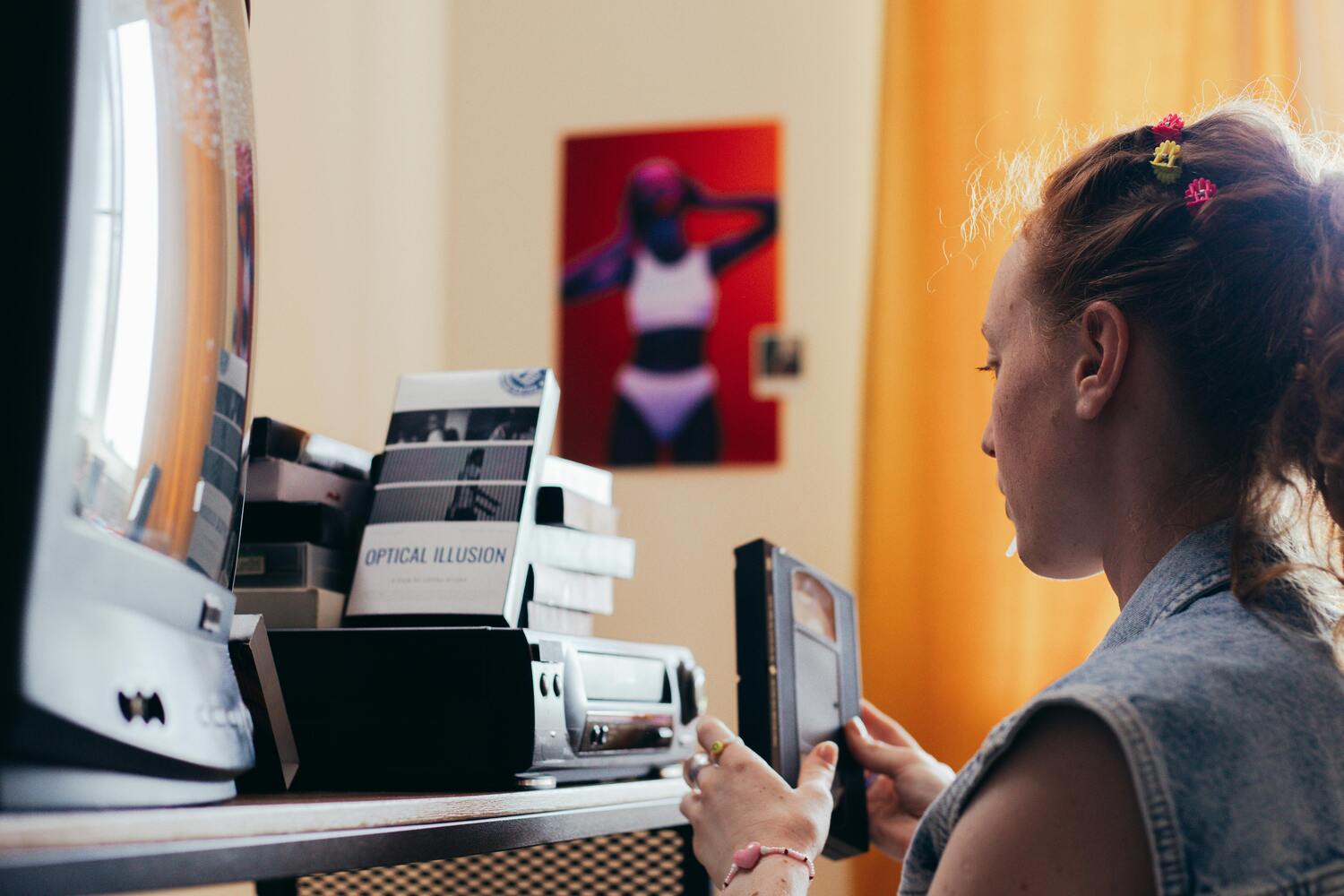
In 1990, Vanilla Ice was topping the charts, kids were trading slap bracelets at recess, and parents were raising children at a fraction of today’s costs. The world felt different, and so did the price tag of parenting.
According to data from the U.S. Department of Agriculture (USDA), the average cost of raising a child from birth to age 18 in 1990 was about $120,000 to $150,000, depending on household income and region. That breaks down to roughly $6,700–$8,300 per year, a figure that feels almost quaint compared to today’s numbers.
Fast-forward to now, and that number has more than doubled. But why? What exactly were families paying for in 1990, and how has the financial burden shifted over the decades?
Let’s take a nostalgic but illuminating look back at what it really cost to raise a child in 1990, and what it tells us about how parenting has changed.
What That $120K–$150K Covered
Back in 1990, the USDA calculated the cost of raising a child based on key categories: housing, food, transportation, clothing, health care, child care and education, and miscellaneous expenses. Here’s how those costs played out in that era:
Housing (30–33% of the total)
Housing was the largest expense, even in the ’90s. But let’s put it into context: the average home price in 1990 was around $123,000, compared to over $430,000 today. Parents in 1990 weren’t immune to mortgage stress, but homeownership and space for growing families was far more attainable.
Food (15–20%)
With fewer convenience foods and smaller portion sizes, feeding a family in 1990 was less of a financial burden. Grocery prices were significantly lower: a gallon of milk cost around $2.15, and you could buy a loaf of bread for less than a dollar. Eating out was a treat, not a twice-weekly expectation.
Transportation (15%)
Most families owned one or two vehicles, and gas prices averaged $1.16 per gallon. Without the constant chauffeuring to extracurriculars, tutors, and events, car costs remained manageable. Plus, car insurance and maintenance fees were less steep across the board.
Clothing (5%)
Fast fashion hadn’t yet taken over, and kids weren’t being dressed like mini-influencers. Hand-me-downs were common. Name brands existed, but they weren’t seen as essential status symbols in most households. A typical pair of kids’ sneakers? About $25.
Health Care (5–10%)
Before the rise of high-deductible plans and co-pays, many families were insulated from major health expenses through employer-sponsored insurance. Out-of-pocket costs were lower, and fewer parents dealt with medical debt.
Child Care and Education (5–10%)
This is where we see one of the biggest contrasts. In 1990, far fewer households relied on full-time daycare, and preschool wasn’t universally considered essential. Many mothers were stay-at-home caregivers, either by choice or social expectation. Private school tuition existed, but it wasn’t the norm. Today, daycare alone can cost $10,000–$20,000 a year in many areas.
Miscellaneous (5–10%)
This included toys, books, entertainment, sports, and vacations. There were costs, but not subscriptions to 10 streaming services, not iPhones by age 9, not $300 gaming consoles for elementary schoolers. Simpler times, indeed.
What’s Changed and Why It Matters
Parenting today comes with far more pressure to spend. Social media amplifies expectations around birthday parties, home aesthetics, brand-name gear, and enrichment opportunities. And in many ways, society has shifted core costs—like education and healthcare—onto families’ shoulders.
Some major changes since 1990 include:
- Child care has skyrocketed, with many dual-income families spending more on daycare than their mortgage.
- College savings are now expected to start earlier, thanks to ballooning tuition costs.
- Technology expenses didn’t exist in 1990—now, every kid “needs” a tablet, headphones, and a reliable internet connection.
- The cost of “normal childhood” has been redefined, with families paying more to keep up, not necessarily to spoil.
In short, the price of childhood hasn’t just gone up. It’s expanded to include things parents never had to consider before.
Can Today’s Parents Learn Anything From 1990?
Yes, more than you might think. While we can’t time-travel to cheaper groceries or affordable housing, we can borrow from the 1990s mindset Here’s what that might look like:
- Simplify where possible. Kids don’t need a new wardrobe every season or themed bedrooms. They need comfort, consistency, and confidence.
- Say “no” to pressure spending. Not every trend deserves your wallet’s attention. Your child won’t remember the Pinterest-perfect lunchbox, but they will remember your presence.
- Prioritize needs over optics. In 1990, parents focused more on stability and less on social comparison. That’s a value that still pays dividends.
- Teach financial literacy. The more kids understand money from a young age, the more they’ll grow up appreciating what they have, not demanding what they don’t.
Looking Back and Thinking Ahead
There’s no denying that parenting has always been hard work and expensive. But 1990 offered a version of family life that felt slower, less pressured, and more grounded. As modern parents stare down five-figure daycare bills and screen-induced meltdowns, it’s easy to feel envious.
Still, the values of the ’90s—intentionality, simplicity, community—can absolutely find their way into 2025 family life. You don’t have to raise your kids in a time capsule to benefit from a few throwback priorities.
Do you remember how your parents handled back-to-school shopping, clothes, or birthday parties in the 90s? What’s changed most, and what lessons still stick with you today?
Read More:
Here’s What It Cost to Raise A Child In 1980
Can You Afford to Have Kids in 2025? Here’s What It Really Costs Per Year
Read More

When kids hit that whiny “I’m bored” stage, it can feel like a countdown clock…

Image Source: 123rf.com Naming your child is a milestone filled with excitement, anticipation, and often…

Snapping a cute photo of your child at a birthday party or school play might…

Image Source: 123rf.com Confidence doesn’t magically appear—it’s built slowly, one message at a time. And…

No one wants their hard-earned money to vanish after they’re gone, but poor planning can…


Studies have shown that preschool can help a child learn, increase a child’s emotional intelligence,…


Leave a Reply