
• Home
  • About Us
  • Toolkit
  • Archives
  • Advertise
  • Privacy Policy

Kids Ain't Cheap

But They Sure Are Worth It

  • Parenting
    • Baby Stuff
    • Books and Reading
      • Aesops Fables
      • Comic Books
    • Education
    • Family Time
    • Green Living
    • Growing Up
    • Healthy Living & Eating
    • Holidays
    • Parenting
    • Random Musings
    • Shopping
    • Stuff to Do
  • Money
  • Product Reviews
    • Books and Magazines
    • Discount Sites
    • Furniture
    • House Keeping
    • Reviews News
    • Toys and Games
  • Contact Us
  • Our Editorial Commitment
  • Search

TikTok Ban: 8 Ways Eliminating the Platform in the US Impacts Finances

May 1, 2024 | Leave a Comment

TikTok Ban 8 Ways Eliminating the Platform in the US Impacts Finances

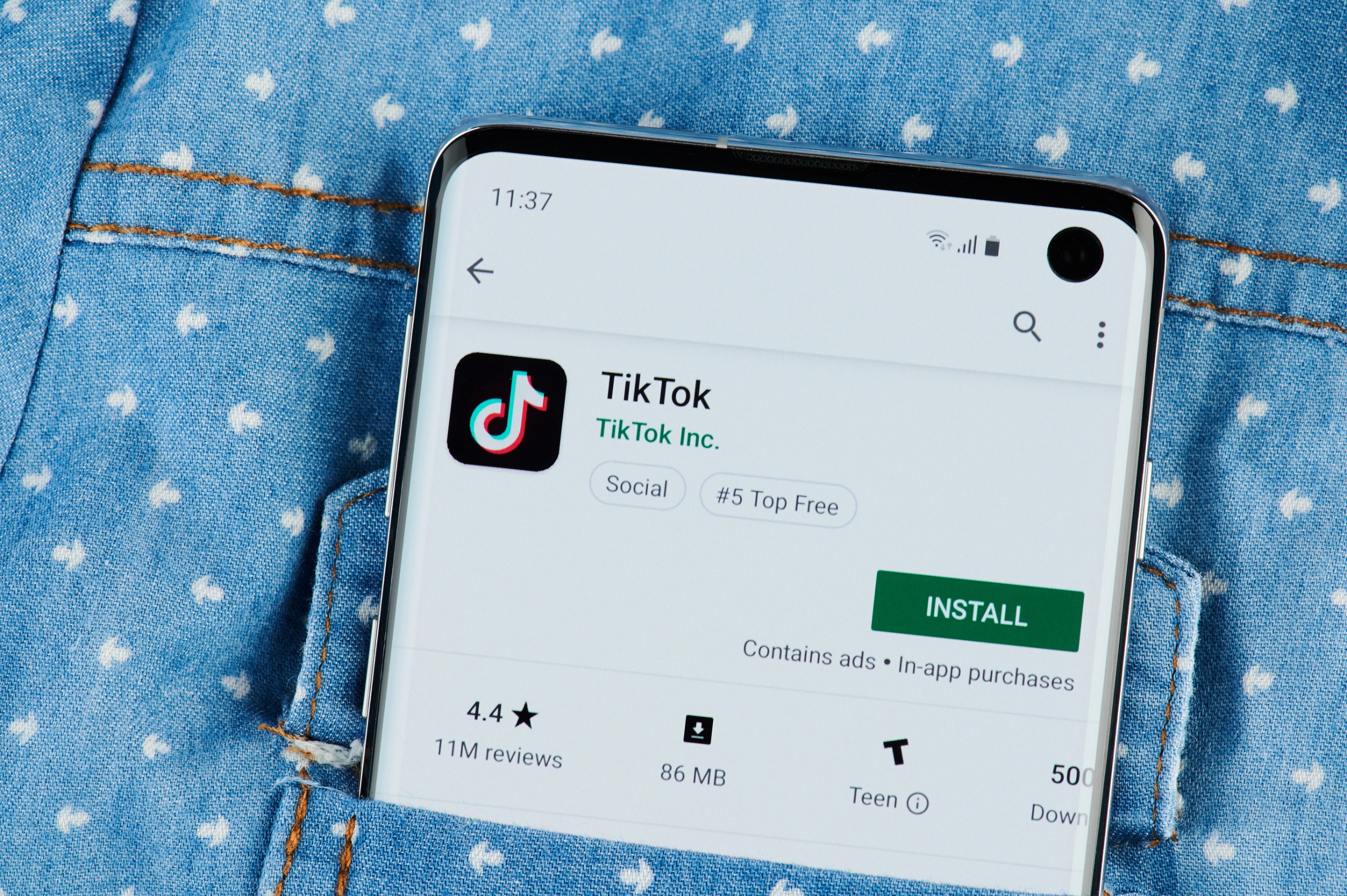
The TikTok ban in the United States has stirred significant discussion, not only on social and political fronts but also on financial aspects. TikTok, a Chinese-owned platform with millions of users in the US, plays a significant role in various economic sectors, from advertising to content creation. Now that the ban has been signed into law, TikTok will go away in the US unless it’s sold. Here, we explore eight crucial ways that banning TikTok could impact finances in the US, shedding light on the broader consequences of such a significant move.

1. Impact on Influencer Income

Impact on Influencer Income

One of the most immediate effects of a TikTok ban would be on the influencers who rely on the platform as their primary source of income. Many of these influencers have turned their TikTok presence into lucrative careers, partnering with brands for sponsored content, merchandise sales, and more. Without access to their established audiences on TikTok, these influencers would need to pivot to other platforms, which may not offer the same engagement or monetization potential. The shift could result in significant income losses and destabilize the influencer marketing sector.

2. Disruption in the Advertising Industry

Disruption in the Advertising Industry

TikTok has become a vital advertising channel for many businesses, particularly those targeting younger demographics. A ban would force companies to rethink their digital marketing strategies, potentially leading to decreased efficiency in advertising spending. The absence of TikTok from the marketing mix could increase costs for companies as they seek to gain comparable reach and engagement on alternative platforms. Moreover, smaller businesses that have found cost-effective marketing solutions through TikTok’s targeted advertising might face higher barriers to entry in other channels.

3. Effects on the Entertainment Industry

Effects on the Entertainment Industry

TikTok has been a significant driver in the entertainment industry, often dictating music trends and creating viral sensations that go on to achieve global fame. Removing TikTok from the US market could slow down the discovery of new artists and trends, potentially impacting music streaming services and record sales. Additionally, TikTok’s role in promoting movies, TV shows, and online streaming content would diminish, possibly resulting in lower engagement rates across these sectors.

4. Loss of Jobs and Economic Contributions

Loss of Jobs and Economic Contributions

The operation of TikTok in the United States contributes directly and indirectly to employment. Directly through its US offices and staff and indirectly through ecosystems of content creators, service providers, and technology partners. A ban could lead to job losses and reduce economic activity in related sectors. This impact would be felt not just by TikTok employees but also by the myriad businesses that rely on the platform for their marketing and sales strategies.

5. Impact on Software and Technology Sales

Impact on Software and Technology Sales

TikTok has spurred significant growth in software and technology products, including smartphones, lighting equipment for video production, and editing software. Content creators invest in high-quality content production equipment, driving sales in these categories. A TikTok ban could dampen these sales as the demand for content creation tools diminishes without a primary video-sharing platform.

6. Decrease in Venture Capital and Investments

Decrease in Venture Capital and Investments

TikTok’s dynamic and innovative environment has led to numerous startups and business ventures. Investors are often eager to fund companies that leverage TikTok for customer acquisition and engagement. A ban could lead to a decrease in venture capital and other forms of investment in companies that are heavily reliant on the platform, stymieing innovation and entrepreneurship in related sectors.

7. Changes in Consumer Spending

Changes in Consumer Spending

TikTok influences consumer spending through trends and viral product promotions. Products that go viral on TikTok often see rapid increases in sales, a phenomenon known as the “TikTok effect.” If the ban becomes a reality, industries such as fashion, beauty, and consumer electronics might experience fluctuations in consumer spending patterns, potentially leading to decreased sales of products that would have been promoted via TikTok.

8. Global Market Implications

Global Market Implications

While the direct effects of a TikTok ban would be most pronounced domestically, there would also be global repercussions. U.S.-based companies that use TikTok for international marketing might find their strategies compromised. Furthermore, the precedent set by a US ban could encourage other countries to enact similar bans, affecting global market dynamics and international trade in the digital and creative sectors.

Preparing for the Possible TikTok Ban
Preparing for the Possible TikTok Ban

The potential TikTok ban presents a complex scenario with far-reaching financial implications. The impacts are profound and multifaceted, from individual livelihoods in the influencer community to large-scale shifts in consumer spending and global market strategies. As discussions around the ban continue, stakeholders across industries are keenly watching the developments, ready to adapt to the new digital landscape that might emerge.

Read More:

15 Things You Should Never Share About Your Children on Social Media

Do Not Believe What You See on Social Media

Catherine Reed
Catherine Reed

Catherine is a tech-savvy writer who has focused on the personal finance space for more than eight years. She has a Bachelor’s in Information Technology and enjoys showcasing how tech can simplify everyday personal finance tasks like budgeting, spending tracking, and planning for the future. Additionally, she’s explored the ins and outs of the world of side hustles and loves to share what she’s learned along the way. When she’s not working, you can find her relaxing at home in the Pacific Northwest with her two cats or enjoying a cup of coffee at her neighborhood cafe.

Filed Under: Finances Tagged With: advertising, Finances, income, Social Media, social media laws, tiktok, tiktok ban

  • Facebook
  • Pinterest
  • RSS
  • Twitter

Basic Principles Of Good Parenting

Here some basic principles for good parenting:

  1. What You Do Matters: Your kids are watching you. So, be purposeful about what you want to accomplish.
  2. You Can’t be Too Loving: Don’t replace love with material possessions, lowered expectations or leniency.
  3. Be Involved Your Kids Life: Arrange your priorities to focus on what your kid’s needs. Be there mentally and physically.
  4. Adapt Your Parenting: Children grow quickly, so keep pace with your child’s development.
  5. Establish and Set Rules: The rules you set for children will establish the rules they set for themselves later.  Avoid harsh discipline and be consistent.
  6. Explain Your Decisions: What is obvious to you may not be evident to your child. They don’t have the experience you do.
  7. Be Respectful To Your Child: How you treat your child is how they will treat others.  Be polite, respectful and make an effort to pay attention.
Best Parenting Blogs

Most Popular

11 Ways Kids Are Outsmarting Parental Controls 1. Using Alternate Devices One common trick is simply turning to another device. If a child’s main phone or tablet is restricted, they may borrow a sibling’s, friend’s, or even a school laptop. This instantly gives them access to content outside of parental oversight. Parents often focus on one device, forgetting that others in the household can serve as loopholes. Knowing this tactic helps families tighten controls across all electronics. 2. Clearing Browsing Histories Many kids quickly learn that clearing browsing history hides evidence of restricted activity. With just a few clicks, they can erase any trace of websites visited. This makes it harder for parents to notice when rules are being broken. Parents may assume no history means no browsing, but the reality is often the opposite. Kids are outsmarting parental controls by making it seem like nothing happened at all. 3. Using Private Browsing Modes Most browsers offer “incognito” or private browsing features. Kids use this mode to access websites without leaving a record in the history. To parents checking later, everything looks clean and safe. This simple trick is often one of the first ways kids discover how to bypass restrictions. Conversations about private browsing can help close this gap. 4. Guessing or Resetting Passwords Children who are persistent may try to guess passwords to parental control apps or accounts. Others may find ways to reset them through email prompts or security questions. Once inside, they can disable restrictions entirely. Parents may not even realize controls have been altered until much later. Stronger, less predictable passwords can make this more difficult. 5. Using VPNs to Hide Activity Virtual private networks, or VPNs, let kids disguise their online locations. With one downloaded app, they can bypass geographic or parental restrictions. Some children learn about VPNs through friends or even social media. This makes it easy for them to reach content that should be blocked. Parents often underestimate just how simple it is for kids to use these tools. 6. Creating Fake Accounts When parents monitor social media, kids may create hidden accounts. These “finstas” or fake profiles allow them to interact freely without parental oversight. While their main account appears harmless, the secondary one tells a different story. Kids are outsmarting parental controls by playing both sides at once. Checking for duplicate accounts can help parents stay more aware. 7. Exploiting Time Zone Settings Some kids change the time zone on their devices to bypass screen time limits. This trick allows them to gain extra hours of usage undetected. Parents may assume controls are working, but in reality, the child is bending the clock. It’s a clever loophole that highlights just how resourceful kids can be. Monitoring device settings regularly can catch this tactic. 8. Disabling or Uninstalling Apps Parental control apps can be deleted or disabled with surprising ease. Some kids even reinstall them before a parent checks, making it seem like nothing changed. Others may simply restrict permissions to prevent apps from functioning properly. When apps aren’t monitored closely, parents may not notice they’ve been tampered with. This shows the importance of consistent follow-up. 9. Turning to Friends for Access If a child can’t get past restrictions on their own, they may rely on friends. Visiting a friend’s house or borrowing their phone can give them a free pass. Parents often forget that peer environments can override restrictions set at home. This kind of social workaround is especially common with gaming or social media. Open conversations about trust and responsibility are essential. 10. Hiding Apps in Plain Sight Kids sometimes download apps that look innocent but serve as gateways to hidden activity. These apps may disguise themselves as calculators or utilities. In reality, they allow file storage, private messaging, or browser access. Parents glancing at a home screen may overlook them entirely. Learning to recognize these disguised apps can help parents stay informed. 11. Outpacing Parents’ Tech Knowledge Finally, kids often know more about devices than their parents do. Whether through YouTube tutorials, TikTok hacks, or peer groups, they quickly learn advanced workarounds. This knowledge gap means controls can be bypassed before parents even realize the loophole exists. Staying informed and continually learning about new technology is the best defense. Kids are outsmarting parental controls because they adapt faster than most adults. The Real Solution Lies Beyond Restrictions While controls and filters are important, no system is perfect. Kids will always find creative ways around barriers, making communication the strongest safeguard. Setting clear expectations, building trust, and having ongoing conversations about online behavior matter more than apps alone. Parents who combine technology with open dialogue create a safer digital environment. The goal isn’t to win a battle of wits but to build a relationship that keeps kids both safe and honest. Do you think kids are outsmarting parental controls faster than parents can keep up? Share your experiences in the comments below. What to Read Next... 6 Parenting Tech Shortcuts That Can Expose Your Child to Strangers How Much Screen Time Is Too Much—Legally Speaking? Is Your Child’s School Quietly Tracking Their Location Without Your Consent? How Much Screen Time Is Quietly Reshaping Childhood Behavior? Why Some Parents Are Being Investigated Over Homeschooling Records

11 Ways Kids Are Outsmarting Parental Controls

Catherine Reed
Smiling grandfather holding a happy baby indoors.

Why Grandparents Shouldn’t Babysit Their Grandkids Every Week – The Unspoken Issue

Samantha
Girl getting makeup done, referencing psychologist-approved age.

Wearing Makeup: Here Is the Age That Psychologists Agree It’s Okay for Girls to Wear Makeup

Samantha
birthday gifts

7 Birthday Gifts Your Child Should Never Bring to a Party

Latrice Perez

Babysitting Without Cash: 10 Ways to Barter Your Way Out of Childcare Costs

Ashleigh Clyde

All content on Kids Ain’t Cheap is for entertainment purposes only. By reading this blog, you agree that Kids Ain’t Cheap is not responsible for any actions taken after reading this blog. For the full disclaimer, see our privacy policy.

Please note that Kids Ain’t Cheap has financial relationships with some of the merchants mentioned here. Kids Ain’t Cheap is funded by banner advertising, commission sales and search optimization consulting.

Copyright © 2006–2026 | District Media | All Rights Reserved | Privacy Policy

Copyright © 2026 Runway Pro Theme by Viva la Violette