• Home
  • About Us
  • Toolkit
  • Archives
  • Advertise
  • Privacy Policy

Kids Ain't Cheap

But They Sure Are Worth It

  • Parenting
    • Baby Stuff
    • Books and Reading
      • Aesops Fables
      • Comic Books
    • Education
    • Family Time
    • Green Living
    • Growing Up
    • Healthy Living & Eating
    • Holidays
    • Parenting
    • Random Musings
    • Shopping
    • Stuff to Do
  • Money
  • Product Reviews
    • Books and Magazines
    • Discount Sites
    • Furniture
    • House Keeping
    • Reviews News
    • Toys and Games
  • Contact Us
  • Our Editorial Commitment
  • Search

Which US States Are Doing the Most to Protect Kids Online?

October 11, 2026 | Leave a Comment

Young Boy Using Smartphone
California, Florida, New York, and other states are introducing tougher online safety laws to protect children from addictive social media features, privacy threats, and excessive screen time. However, legal challenges are delaying some of the most ambitious restrictions. (Pexels).

Children are spending more time online than ever, leaving parents concerned about social media addiction, privacy risks, and exposure to inappropriate content. Across the United States, lawmakers are responding with tougher restrictions designed to make digital platforms safer for younger users. However, not every state is taking the same approach, and some of the strictest online child safety laws face significant legal challenges. From California’s restrictions on addictive features to Florida’s aggressive age limits, several states are emerging as leaders in protecting children online.

California Is Cracking Down On Addictive Social Media Features

California is taking one of the country’s most comprehensive approaches to online child safety laws, focusing on features that encourage excessive screen time. In September 2026, Governor Gavin Newsom signed 13 bills addressing social media, artificial intelligence, and children’s digital privacy. According to Reuters, the legislation includes restrictions on addictive features such as infinite scrolling and autoplay for users younger than 16. California also approved stronger safeguards involving AI chatbots and digitally generated child sexual abuse material. These measures place greater responsibility on technology companies to design safer products instead of expecting parents to monitor every interaction.

New York Is Restricting Algorithms And Late-Night Notifications

New York has adopted online child safety laws targeting personalized content feeds and notifications that can keep teenagers engaged for extended periods. Its SAFE for Kids Act requires covered platforms to restrict addictive algorithmic feeds for users younger than 18 unless parental consent is obtained. The legislation also limits notifications between midnight and 6 a.m., helping families establish healthier nighttime boundaries. According to CBS News, the state has been pursuing restrictions intended to reduce potentially harmful social media engagement. With implementation scheduled for January 25, 2027, parents should understand that these particular requirements are not yet fully operational.

Florida Is Pursuing Some Of The Toughest Age Restrictions

Florida has taken an aggressive approach to online child safety laws by targeting social media access among younger teenagers. State legislation prohibits covered platforms from allowing children younger than 14 to maintain accounts and requires parental permission for certain users ages 14 and 15, although enforcement has faced legal challenges. On October 7, 2026, Florida officials requested additional restrictions on Facebook and Instagram, including a two-hour daily limit for teenagers. According to Reuters, the state also wants platforms to disable features such as autoplay and infinite scrolling for younger users. These proposed safeguards remain subject to court proceedings, meaning families should not assume every restriction is currently enforceable.

Nebraska Is Giving Parents Greater Oversight

Nebraska has pursued legislation intended to give parents more control over their children’s social media accounts. Its Parental Rights in Social Media Act includes provisions addressing age verification, parental permission, and access to account activity. However, a federal judge blocked enforcement of the law’s age-verification and parental-consent requirements before their scheduled July 2026 implementation. According to the federal court ruling published by Justia, certain parental supervision provisions were allowed to remain enforceable. Nebraska’s experience demonstrates why parents should distinguish between laws that have passed and protections that courts actually permit states to enforce.

Virginia Is Targeting Daily Screen Time

Virginia has pursued online child safety laws that address how much time younger teenagers spend using social media. Its legislation establishes a one-hour daily limit per covered platform for users younger than 16, while allowing parents to adjust that restriction through verified consent. For a family whose teenager spends several hours scrolling every evening, such a limit could encourage more intentional technology use. However, legal challenges have complicated implementation, highlighting concerns about government restrictions on online expression. As Roll Call reported, several state efforts to regulate children’s social media access have encountered First Amendment objections.

Why Tougher Online Safety Laws May Not Guarantee Protection

Although states are introducing increasingly ambitious online child safety laws, stronger restrictions do not automatically translate into safer online experiences. Age-verification requirements, for example, can create privacy concerns when users must submit identifying information to access digital services. Another complication is that teenagers may encounter harmful content through gaming platforms, messaging applications, or websites that fall outside particular regulations. Even well-intentioned restrictions can face constitutional challenges, delaying enforcement while courts determine whether they violate protected rights. Parents should therefore examine what each law actually covers rather than assuming a statewide restriction eliminates every digital risk.

The States Leading The Charge Still Face One Major Test

California, New York, Florida, Nebraska, and Virginia are pursuing some of the country’s most ambitious online child safety laws, but their approaches differ considerably. California stands out for its broad restrictions on addictive technology features, while New York focuses on algorithms and nighttime notifications. Florida emphasizes age restrictions, Nebraska prioritizes parental oversight, and Virginia targets daily social media usage. Ultimately, the most effective protections will be those that survive legal challenges, respect children’s privacy, and produce measurable improvements in safety.

Should states impose stricter social media restrictions on children, or should parents have the final say? Share your thoughts in the comments.

What to Read Next

7 Reasons You Shouldn’t Post Pictures of Your Young Children Online

5 Ways Children Are Secretly Spending Parents’ Money Online

Would You Let Your Child Add Whatever They Want to Your Online Shopping Cart?

Evan Morgan

Evan Morgan has been a full-time freelance writer and editor for 10+ years. When not working, he enjoys catching the latest true crime documentary or getting lost in a good book.


Filed Under: Parenting Tagged With: child internet safety, children's privacy, digital safety, online child safety laws, Parenting, social media laws, social media restrictions

TikTok Ban: 8 Ways Eliminating the Platform in the US Impacts Finances

May 1, 2024 | Leave a Comment

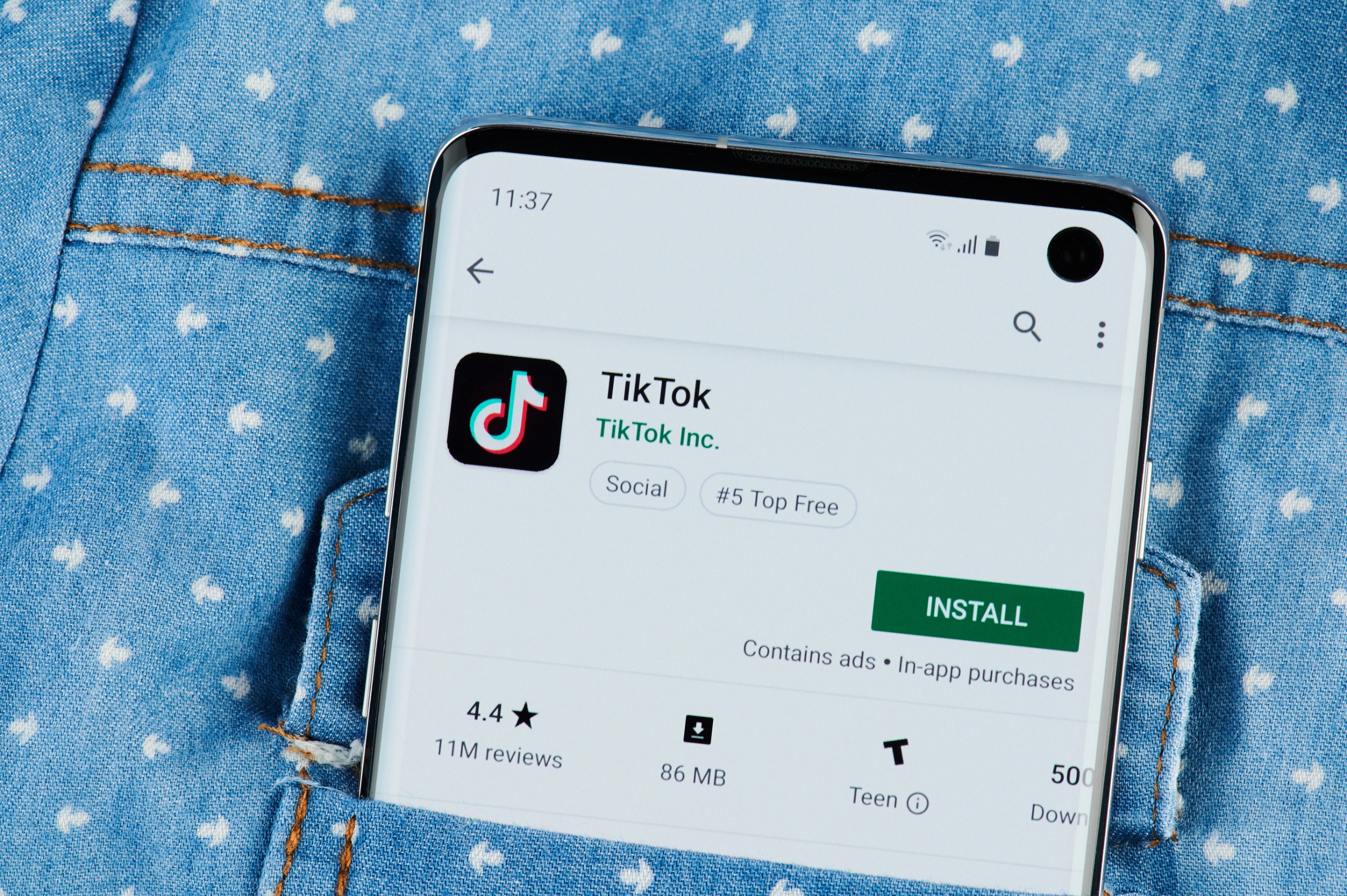
TikTok Ban 8 Ways Eliminating the Platform in the US Impacts Finances

The TikTok ban in the United States has stirred significant discussion, not only on social and political fronts but also on financial aspects. TikTok, a Chinese-owned platform with millions of users in the US, plays a significant role in various economic sectors, from advertising to content creation. Now that the ban has been signed into law, TikTok will go away in the US unless it’s sold. Here, we explore eight crucial ways that banning TikTok could impact finances in the US, shedding light on the broader consequences of such a significant move.

1. Impact on Influencer Income

Impact on Influencer Income

One of the most immediate effects of a TikTok ban would be on the influencers who rely on the platform as their primary source of income. Many of these influencers have turned their TikTok presence into lucrative careers, partnering with brands for sponsored content, merchandise sales, and more. Without access to their established audiences on TikTok, these influencers would need to pivot to other platforms, which may not offer the same engagement or monetization potential. The shift could result in significant income losses and destabilize the influencer marketing sector.

2. Disruption in the Advertising Industry

Disruption in the Advertising Industry

TikTok has become a vital advertising channel for many businesses, particularly those targeting younger demographics. A ban would force companies to rethink their digital marketing strategies, potentially leading to decreased efficiency in advertising spending. The absence of TikTok from the marketing mix could increase costs for companies as they seek to gain comparable reach and engagement on alternative platforms. Moreover, smaller businesses that have found cost-effective marketing solutions through TikTok’s targeted advertising might face higher barriers to entry in other channels.

3. Effects on the Entertainment Industry

Effects on the Entertainment Industry

TikTok has been a significant driver in the entertainment industry, often dictating music trends and creating viral sensations that go on to achieve global fame. Removing TikTok from the US market could slow down the discovery of new artists and trends, potentially impacting music streaming services and record sales. Additionally, TikTok’s role in promoting movies, TV shows, and online streaming content would diminish, possibly resulting in lower engagement rates across these sectors.

4. Loss of Jobs and Economic Contributions

Loss of Jobs and Economic Contributions

The operation of TikTok in the United States contributes directly and indirectly to employment. Directly through its US offices and staff and indirectly through ecosystems of content creators, service providers, and technology partners. A ban could lead to job losses and reduce economic activity in related sectors. This impact would be felt not just by TikTok employees but also by the myriad businesses that rely on the platform for their marketing and sales strategies.

5. Impact on Software and Technology Sales

Impact on Software and Technology Sales

TikTok has spurred significant growth in software and technology products, including smartphones, lighting equipment for video production, and editing software. Content creators invest in high-quality content production equipment, driving sales in these categories. A TikTok ban could dampen these sales as the demand for content creation tools diminishes without a primary video-sharing platform.

6. Decrease in Venture Capital and Investments

Decrease in Venture Capital and Investments

TikTok’s dynamic and innovative environment has led to numerous startups and business ventures. Investors are often eager to fund companies that leverage TikTok for customer acquisition and engagement. A ban could lead to a decrease in venture capital and other forms of investment in companies that are heavily reliant on the platform, stymieing innovation and entrepreneurship in related sectors.

7. Changes in Consumer Spending

Changes in Consumer Spending

TikTok influences consumer spending through trends and viral product promotions. Products that go viral on TikTok often see rapid increases in sales, a phenomenon known as the “TikTok effect.” If the ban becomes a reality, industries such as fashion, beauty, and consumer electronics might experience fluctuations in consumer spending patterns, potentially leading to decreased sales of products that would have been promoted via TikTok.

8. Global Market Implications

Global Market Implications

While the direct effects of a TikTok ban would be most pronounced domestically, there would also be global repercussions. U.S.-based companies that use TikTok for international marketing might find their strategies compromised. Furthermore, the precedent set by a US ban could encourage other countries to enact similar bans, affecting global market dynamics and international trade in the digital and creative sectors.

Preparing for the Possible TikTok Ban

Preparing for the Possible TikTok Ban

The potential TikTok ban presents a complex scenario with far-reaching financial implications. The impacts are profound and multifaceted, from individual livelihoods in the influencer community to large-scale shifts in consumer spending and global market strategies. As discussions around the ban continue, stakeholders across industries are keenly watching the developments, ready to adapt to the new digital landscape that might emerge.

Read More:

15 Things You Should Never Share About Your Children on Social Media

Do Not Believe What You See on Social Media

Catherine Reed
Catherine Reed

Catherine is a tech-savvy writer who has focused on the personal finance space for more than eight years. She has a Bachelor’s in Information Technology and enjoys showcasing how tech can simplify everyday personal finance tasks like budgeting, spending tracking, and planning for the future. Additionally, she’s explored the ins and outs of the world of side hustles and loves to share what she’s learned along the way. When she’s not working, you can find her relaxing at home in the Pacific Northwest with her two cats or enjoying a cup of coffee at her neighborhood cafe.

Filed Under: Finances Tagged With: advertising, Finances, income, Social Media, social media laws, tiktok, tiktok ban

  • Facebook
  • Pinterest
  • RSS
  • Twitter

Basic Principles Of Good Parenting

Here some basic principles for good parenting:

  1. What You Do Matters: Your kids are watching you. So, be purposeful about what you want to accomplish.
  2. You Can’t be Too Loving: Don’t replace love with material possessions, lowered expectations or leniency.
  3. Be Involved Your Kids Life: Arrange your priorities to focus on what your kid’s needs. Be there mentally and physically.
  4. Adapt Your Parenting: Children grow quickly, so keep pace with your child’s development.
  5. Establish and Set Rules: The rules you set for children will establish the rules they set for themselves later.  Avoid harsh discipline and be consistent.
  6. Explain Your Decisions: What is obvious to you may not be evident to your child. They don’t have the experience you do.
  7. Be Respectful To Your Child: How you treat your child is how they will treat others.  Be polite, respectful and make an effort to pay attention.
Best Parenting Blogs

Most Popular

Baby

9 Unusual Baby Names That Sound Like They Belong to Future CEOs

Evan Morgan
Baby

10 Baby Names That Were Once Considered “Grandparent Names” but Feel Cool Again

Evan Morgan
Target Store

Choking Incident Prompts Recall of 49,000 Target Gigglescape “Under the Sea” Popping Toys

Evan Morgan
Frustrated Girl

Why Some Students on the Spectrum Are Labeled With ODD

Evan Morgan
Coke Bottles

12 Things Kids Took to School in the ’70s That Would Never Be Allowed Today

Evan Morgan

All content on Kids Ain’t Cheap is for entertainment purposes only. By reading this blog, you agree that Kids Ain’t Cheap is not responsible for any actions taken after reading this blog. For the full disclaimer, see our privacy policy.

Please note that Kids Ain’t Cheap has financial relationships with some of the merchants mentioned here. Kids Ain’t Cheap is funded by banner advertising, commission sales and search optimization consulting.

Copyright © 2006–2026 | District Media | All Rights Reserved | Privacy Policy

Copyright © 2026 Runway Pro Theme by Viva la Violette