
• Home
  • About Us
  • Toolkit
  • Archives
  • Advertise
  • Privacy Policy

Kids Ain't Cheap

But They Sure Are Worth It

  • Parenting
    • Baby Stuff
    • Books and Reading
      • Aesops Fables
      • Comic Books
    • Education
    • Family Time
    • Green Living
    • Growing Up
    • Healthy Living & Eating
    • Holidays
    • Parenting
    • Random Musings
    • Shopping
    • Stuff to Do
  • Money
  • Product Reviews
    • Books and Magazines
    • Discount Sites
    • Furniture
    • House Keeping
    • Reviews News
    • Toys and Games
  • Contact Us
  • Our Editorial Commitment
  • Search

Are You Wasting Money? 6 Baby Items New Parents Regret Buying

July 21, 2025 | Leave a Comment

Are You Wasting Money 6 Baby Items New Parents Regret Buying
Image source: 123rf.com

Becoming a new parent can feel like stepping into a whirlwind of advice, marketing, and baby gear aisles stacked with promises. It’s easy to get swept up in the excitement and pressure to “have everything,” especially when every product seems designed to make life easier or keep your baby safer. But many moms and dads discover too late that not all purchases are worth the money or the storage space. In fact, some baby items new parents regret buying end up collecting dust, taking up room, or even causing more stress than they solve. If you’re building your baby registry or trying to stay on budget, these are the products you might want to think twice about.

1. Wipe Warmers That Rarely Get Used

Wipe warmers sound like a dream during those 2 a.m. diaper changes, but most parents find they’re more hassle than help. They dry out wipes quickly, need constant refilling, and take up space on the changing table. Plus, your baby will be just fine with a room-temperature wipe, especially if you warm it in your hand for a second. Many parents admit they stopped using theirs within a few weeks, if not days. It’s one of those baby items new parents regret buying because the convenience just doesn’t outweigh the maintenance.

2. Fancy Newborn Clothes That Never Leave the Closet

Tiny formal outfits and designer onesies may be adorable, but most newborns outgrow them in a blink. Many babies spend the first few weeks in soft sleepers or onesies that are easy to take on and off during frequent changes. Complicated outfits with buttons, suspenders, or scratchy fabrics are often uncomfortable and impractical. Not to mention, babies are messy and don’t need an outfit change every time someone visits. These fashionable finds may make for cute photos but are one of the baby items new parents regret buying when practicality kicks in.

3. Bottle Sterilizers That Take Up Counter Space

Keeping your baby’s feeding supplies clean is important, but that doesn’t always mean you need a bulky, expensive sterilizer. Most pediatricians agree that washing bottles in hot, soapy water or using the dishwasher is sufficient once your baby is healthy and home from the hospital. Sterilizers can be time-consuming to set up and clean, and they take up precious kitchen space. Many parents say they used it for a week or two, then never touched it again. If you’re tight on space or budget, skip this common regret and stick to simpler cleaning methods.

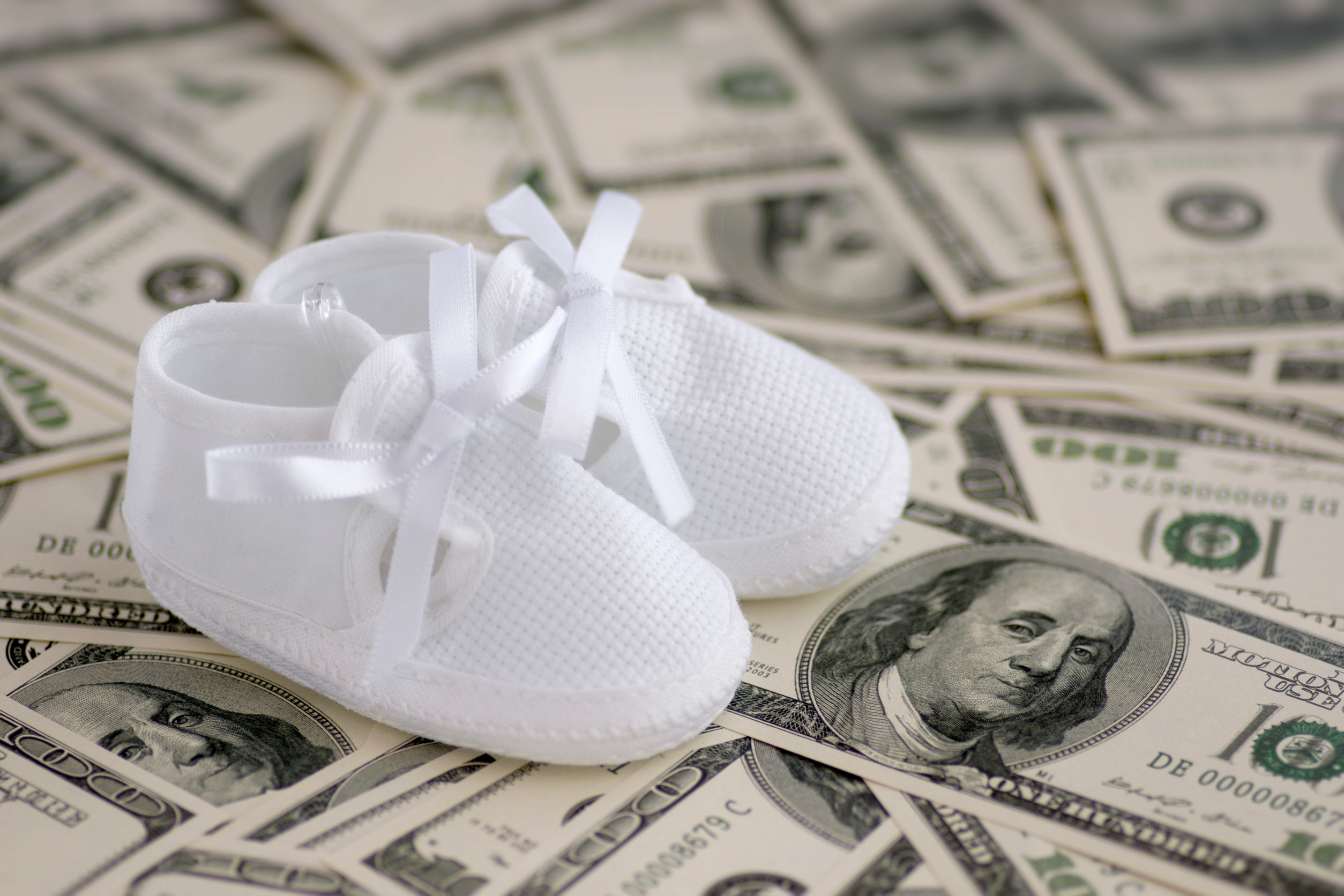
4. Baby Shoes That Look Cute but Serve No Purpose

Baby shoes are undeniably adorable, but when your child isn’t walking yet, they don’t really serve a purpose. Most infants just need warm socks or booties to keep their feet cozy. Shoes are often stiff, fall off easily, and don’t stay on for long during tummy time or naps. They’re also one of the easiest things to lose, especially in public. Among the baby items new parents regret buying, shoes top the list for being more about style than actual function.

5. High-Tech Baby Monitors with Too Many Features

Some monitors come loaded with features like breathing sensors, sleep analytics, and real-time video. While they sound reassuring, many parents find them overwhelming and anxiety-inducing. Constant alerts and complicated setups can make you more stressed than soothed. A reliable audio or simple video monitor is often more than enough to keep tabs on your little one. Many parents say they ended up turning off the extras and regretting the money spent on fancy tech they didn’t really use.

6. Changing Tables That Don’t Grow with Your Baby

Dedicated changing tables may seem like a nursery essential, but they’re often short-lived and bulky. Many parents end up changing their babies on the bed, couch, or a changing pad on top of a dresser. Once your baby starts rolling or growing, you’ll likely move to more convenient spaces anyway. Plus, changing tables take up room and can’t be repurposed easily once diaper days are over. It’s one of the baby items new parents regrets buying because its usefulness fades faster than expected.

Rethink the “Must-Haves” and Save More in the Long Run

What seems essential during pregnancy often turns out to be optional once your baby arrives. So many baby items new parents regret buying are marketed as must-haves but offer little in the way of real convenience or lasting value. Choosing multipurpose items, borrowing from friends, or waiting until you actually need something can make a big difference in your budget and your home’s clutter. Trust your instincts, not just the product hype, and focus on what makes life easier for your family. A little less stuff often brings a lot more peace.

Which baby item did you buy and immediately regret? Share your experiences in the comments—we’d love to hear what made your list!

Read More:

9 Money Mistakes That Cost New Parents Fortunes

10 Times Kids’ Stupid Mistakes Wrecked Their Parents’ Finances

Catherine Reed
Catherine Reed

Catherine is a tech-savvy writer who has focused on the personal finance space for more than eight years. She has a Bachelor’s in Information Technology and enjoys showcasing how tech can simplify everyday personal finance tasks like budgeting, spending tracking, and planning for the future. Additionally, she’s explored the ins and outs of the world of side hustles and loves to share what she’s learned along the way. When she’s not working, you can find her relaxing at home in the Pacific Northwest with her two cats or enjoying a cup of coffee at her neighborhood cafe.

Filed Under: Money and Finances Tagged With: baby budget tips, baby gear regrets, baby items to avoid, baby registry advice, minimalist parenting, new parent shopping, newborn shopping mistakes, parenting on a budget

Tax Shock: 11 Unexpected Taxes for New Parents

July 4, 2025 | Leave a Comment

Tax Shock 11 Unexpected Taxes for New Parents
123rf.com

Welcoming a new baby into your family is an exciting time filled with love, learning—and yes, lots of spending. But what many families don’t anticipate are the unexpected taxes for new parents that can show up in surprising ways. From hospital bills with hidden surcharges to overlooked tax liabilities related to childcare, the fine print can hit hard when you’re already stretching your budget. While some tax breaks do exist for parents, they’re not always enough to offset the extra costs that sneak up after bringing a baby home. Here’s a closer look at 11 taxes and fees new parents should keep an eye on.

1. Hospital and Delivery Fees with Taxable Add-ons

Even with good insurance, many new parents are shocked to learn that some hospital items—like take-home supplies, private rooms, or pain medications—may be taxed depending on your state. These extras, while necessary, aren’t always categorized as tax-exempt medical care. Go over your itemized bill to look for non-covered services that include sales tax. The delivery may be done, but the charges often keep coming. Knowing what’s taxable can help you plan better for your birth-related costs.

2. Diapers and Baby Supplies

In many states, diapers are not considered a tax-exempt essential item. That means you’ll pay sales tax every time you restock. The same goes for wipes, bottles, and formula in certain locations. These expenses add up fast, especially in the first year when you’re going through several diapers a day. Check if your state offers exemptions on baby products and stock up during tax-free weekends when possible.

3. Out-of-State Online Purchases

Ordering baby gear online? If you buy from a seller in a different state, you might owe use tax, which is similar to sales tax but often overlooked. Many people don’t realize this applies to cribs, strollers, and other big-ticket baby items ordered online. Some states now enforce it more aggressively through income tax filings. That bargain deal could come with a tax surprise if you’re not careful. Always keep receipts and double-check your state’s rules.

4. Childcare Services

While you may be able to deduct some childcare costs using the Child and Dependent Care Credit, the services themselves are not tax-free. Most daycare centers must collect sales tax on registration fees, supply fees, and even tuition in some states. And if you hire a nanny directly, you could become a household employer responsible for employment taxes. Understanding these hidden costs can prevent you from misclassifying your caregiver and getting penalized later.

5. Breast Pumps and Lactation Products

Not all breastfeeding supplies qualify for tax-free medical use. If you buy a breast pump without a prescription or through a non-medical retailer, you may pay sales tax. Storage bags, nursing pads, and accessories are often taxed as personal items unless bundled with a qualifying medical device. The IRS considers some items deductible with an FSA or HSA, but not everything is covered. It’s worth knowing which products are considered medical necessities under your plan.

6. Baby Furniture and Safety Gear

Car seats are often tax-exempt thanks to federal safety programs, but other items like cribs, highchairs, and baby monitors usually are not. You’ll pay standard sales tax on most of your nursery purchases. And if you’re importing products from another country or shipping to a different state, you may face import duties or extra shipping taxes. These one-time purchases can pack a big financial punch when you’re not expecting the added cost.

7. Children’s Clothing

While some states do exempt children’s clothing from sales tax, others do not, or they set caps that don’t apply to higher-end or seasonal items like coats and shoes. Hand-me-downs help, but babies grow quickly and need frequent replacements. Seasonal shopping sprees can catch you off guard if you haven’t accounted for taxes. Watch for state-specific exemptions or sales tax holidays to stretch your clothing budget.

8. Baby Shower Gifts with Added Tax

If you’re registering for baby gifts and friends or family buy items online or from a store that ships across state lines, those items may be taxed differently depending on where they’re sent. This might not impact your wallet directly, but it can affect your registry value. Some online stores charge higher tax rates depending on shipping address. Always compare checkout totals and look for stores offering free tax days or incentives.

9. Social Security and Medicare Taxes on Paid Help

If you pay someone more than a certain threshold annually to watch your child, you may be required to withhold Social Security and Medicare taxes. This includes babysitters, nannies, or even relatives if the arrangement is formal. The IRS treats this as a household employee situation, and skipping the paperwork could result in penalties. This is one of the most overlooked unexpected taxes for new parents who hire in-home help.

10. Petty Travel and Hotel Taxes

Planning a getaway with your new baby? You’ll quickly notice that hotels charge occupancy, tourism, and other local taxes—sometimes adding 10% or more to your bill. That affordable “baby’s first beach trip” can rack up extra costs if you’re not paying attention to local tax policies. Always review total booking fees and check whether children’s items like cribs or rollaway beds come with additional charges.

11. Lost Deductions from Filing Errors

One of the biggest, unexpected taxes for new parents isn’t a fee—it’s a missed opportunity. If you forget to claim your child as a dependent, fail to update your filing status, or overlook credits like the Child Tax Credit, you could lose thousands in refunds. Filing correctly and promptly is essential. Consider using a tax preparer or software with family-focused features to avoid missing out.

Tax Time with a Twist

Having a baby comes with a whole new set of responsibilities—and taxes might not be the first thing on your mind. But those unexpected taxes for new parents can creep in quickly if you’re not watching for them. A little awareness now can save you money, reduce stress, and make sure your growing family stays financially healthy. When in doubt, ask questions and stay proactive with your planning.

Have you been surprised by a tax or fee you didn’t expect after becoming a parent? Share your experience in the comments to help other families avoid the same surprises!

Read More:

How Does Child Support Affect Tax Return?

Overwhelmed? 12 Essential Apps Every New Parent Needs Today

Catherine Reed
Catherine Reed

Catherine is a tech-savvy writer who has focused on the personal finance space for more than eight years. She has a Bachelor’s in Information Technology and enjoys showcasing how tech can simplify everyday personal finance tasks like budgeting, spending tracking, and planning for the future. Additionally, she’s explored the ins and outs of the world of side hustles and loves to share what she’s learned along the way. When she’s not working, you can find her relaxing at home in the Pacific Northwest with her two cats or enjoying a cup of coffee at her neighborhood cafe.

Filed Under: Parenting Tagged With: baby budget tips, childcare costs, family tax planning, financial advice for parents, parenting expenses, parenting surprises, unexpected taxes for new parents

Skip These 7 Expenses Most Parents Regret By Kindergarten

May 24, 2025 | Leave a Comment

Skip These 7 Expenses Most Parents Regret By Kindergarten

When you’re deep in the baby and toddler years, it’s easy to get swept up in the excitement—and pressure—of buying all the “must-haves.” But by the time your child hits kindergarten, many parents look back and realize some of those early purchases were more hype than help. Between clever marketing and social media comparisons, it’s easy to overspend on things that quickly gather dust or outlive their usefulness. If you’re looking for ways to save without missing out, knowing what to skip can be just as valuable as knowing what to buy. These common purchases often end up on the regret list once real-life parenting sets in.

1. Fancy Infant Shoes

Tiny baby sneakers are undeniably adorable, but they’re also completely unnecessary. Infants don’t walk, and these shoes serve no functional purpose aside from a photo op. They often fall off, get lost, or end up tossed aside after one wear. Soft socks or footed pajamas do the trick for warmth and comfort during the first year. When parents reflect on their early baby gear spending, designer shoes almost always top the regret list.

2. The Expensive High-Tech Monitor

Smart monitors that track breathing, movement, temperature, and more seem like a peace-of-mind essential. But many parents find themselves overwhelmed by false alarms, unnecessary data, or simply not using all the features after the first few weeks. A basic video or audio monitor often covers the real-world needs of everyday parenting. You’ll likely spend more time listening for real-time cues than analyzing sleep graphs at 2 a.m. As a baby grows, this pricey gadget often ends up unused in a drawer.

3. Matching Nursery Furniture Sets

Those Instagram-perfect nursery setups come with a hefty price tag, and many of the pieces aren’t built to last. Matching cribs, dressers, and changing tables often lack long-term function and don’t transition well as your child grows. By kindergarten, most kids are using completely different furniture, leaving that themed set behind. Parents often realize they could have mixed and matched more practical, budget-friendly options with the same result. Focus on function and flexibility, not showroom style.

4. Designer Diaper Bags

It might seem like a good idea to splurge on a designer diaper bag that doubles as a purse, but these often don’t hold up under real-life parenting mess. Spills, crumbs, leaky bottles, and mystery stickiness don’t care about price tags. Many parents switch to a more practical (and washable) bag within the first year. The emotional draw of having something “nice” for yourself fades quickly when you’re fishing out wipes with one hand while holding a squirmy toddler in the other. Save your splurge for something you won’t stain with puréed carrots.

5. Too Many Baby Clothes in One Size

It’s easy to fall into the trap of buying mountains of adorable baby outfits—especially in newborn and 0-3-month sizes. But babies grow fast, and many outfits barely get worn before they’re outgrown. On top of that, parents tend to reach for the same comfy, easy-to-change pieces anyway. Many clothes end up unworn, tags still on, or barely used before hitting the donation pile. A smaller, more practical wardrobe saves money and space.

6. Big Ticket Toys for Toddlers

That oversized play kitchen, luxury ride-on car, or elaborate climbing structure might seem like a solid investment. But these toys are often outgrown or collecting dust by the time kindergarten rolls around. Many parents find that their kids prefer cardboard boxes, open-ended toys, or active play outdoors anyway. The cost-per-use of these trendy big-ticket items is often disappointingly low. If you’re going to spend, make sure it’s something your child will grow with, not outgrow in a flash.

7. Monthly Subscription Boxes

Curated activity boxes for babies and toddlers can be fun, but they add up quickly, and not all are worth the recurring cost. Some boxes come with items you already have or activities your child loses interest in after five minutes. Many parents realize they could create similar DIY versions at home with cheaper materials and Pinterest. While one or two boxes might be a fun gift, signing up for a long-term subscription often leads to wasted money and forgotten boxes. Evaluate carefully before committing long-term.

Prioritizing Long-Term Value Over Short-Term Buzz

By the time kindergarten hits, many parents wish they had focused more on value and less on aesthetics or hype. The early years are filled with pressure to buy, but kids need far less than we’re led to believe. Choosing fewer, more functional items allows for more flexibility and less clutter and guilt later. Every dollar saved on regret purchases can be redirected toward experiences, education, or future needs. When in doubt, ask yourself: Will this still be useful in a year?

What baby or toddler purchase did you regret most by the time your child hit kindergarten? Share your stories in the comments and help other parents save smarter.

Read More:

8 Expenses for Children That No Parent Should Be Paying

7 Unexpected Expenses as Your Kids Get Older

Catherine Reed
Catherine Reed

Catherine is a tech-savvy writer who has focused on the personal finance space for more than eight years. She has a Bachelor’s in Information Technology and enjoys showcasing how tech can simplify everyday personal finance tasks like budgeting, spending tracking, and planning for the future. Additionally, she’s explored the ins and outs of the world of side hustles and loves to share what she’s learned along the way. When she’s not working, you can find her relaxing at home in the Pacific Northwest with her two cats or enjoying a cup of coffee at her neighborhood cafe.

Filed Under: Budgeting Tagged With: baby budget tips, financial advice for parents, parenting expenses, saving money with kids, toddler gear regrets

  • Facebook
  • Pinterest
  • RSS
  • Twitter

Basic Principles Of Good Parenting

Here some basic principles for good parenting:

  1. What You Do Matters: Your kids are watching you. So, be purposeful about what you want to accomplish.
  2. You Can’t be Too Loving: Don’t replace love with material possessions, lowered expectations or leniency.
  3. Be Involved Your Kids Life: Arrange your priorities to focus on what your kid’s needs. Be there mentally and physically.
  4. Adapt Your Parenting: Children grow quickly, so keep pace with your child’s development.
  5. Establish and Set Rules: The rules you set for children will establish the rules they set for themselves later.  Avoid harsh discipline and be consistent.
  6. Explain Your Decisions: What is obvious to you may not be evident to your child. They don’t have the experience you do.
  7. Be Respectful To Your Child: How you treat your child is how they will treat others.  Be polite, respectful and make an effort to pay attention.
Best Parenting Blogs

Most Popular

Baby

9 Unusual Baby Names That Sound Like They Belong to Future CEOs

Evan Morgan
Baby

10 Baby Names That Were Once Considered “Grandparent Names” but Feel Cool Again

Evan Morgan
Target Store

Choking Incident Prompts Recall of 49,000 Target Gigglescape “Under the Sea” Popping Toys

Evan Morgan
Frustrated Girl

Why Some Students on the Spectrum Are Labeled With ODD

Evan Morgan
Coke Bottles

12 Things Kids Took to School in the ’70s That Would Never Be Allowed Today

Evan Morgan

All content on Kids Ain’t Cheap is for entertainment purposes only. By reading this blog, you agree that Kids Ain’t Cheap is not responsible for any actions taken after reading this blog. For the full disclaimer, see our privacy policy.

Please note that Kids Ain’t Cheap has financial relationships with some of the merchants mentioned here. Kids Ain’t Cheap is funded by banner advertising, commission sales and search optimization consulting.

Copyright © 2006–2026 | District Media | All Rights Reserved | Privacy Policy

Copyright © 2026 Runway Pro Theme by Viva la Violette