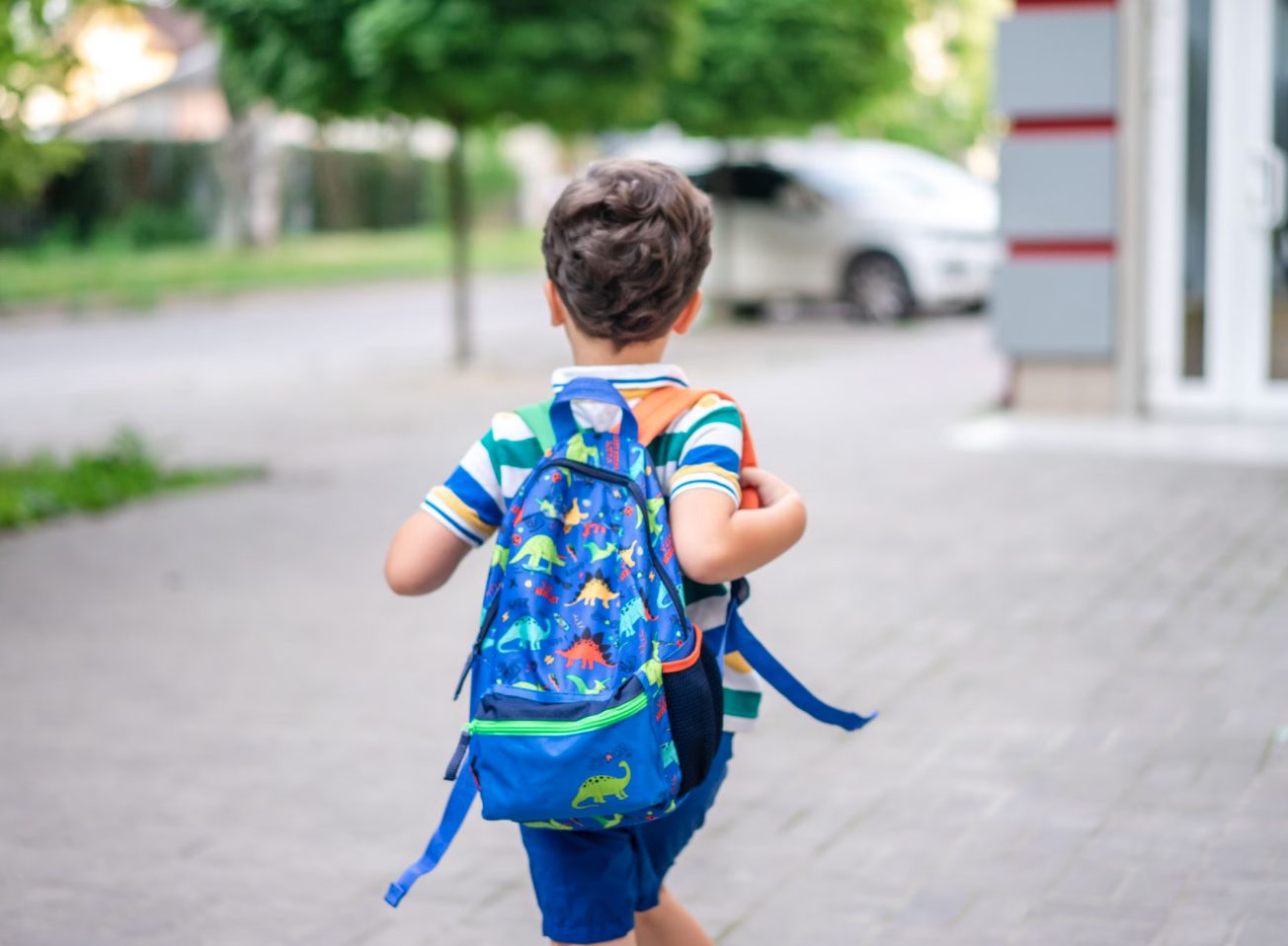
The $30 backpack works perfectly well, but your child wants the $80 one because “everyone has it.” The basic sneakers fit, but suddenly a particular brand feels essential before the first day of school. Then come the trendy water bottle, name-brand hoodie and accessories showing up repeatedly on social media. Parents may remember what it felt like to desperately want something because other kids had it. The difference is that they’re now standing on the expensive side of that conversation.
Back-to-school peer pressure isn’t only affecting children. New 2026 surveys suggest parents themselves feel pressure to keep up, while children’s preferences can substantially influence what ultimately lands in the shopping cart. That matters when families are already spending hundreds of dollars per child to prepare for another school year—and some parents say they’re willing to take on debt to help their children fit in.
Kids Have Considerable Influence Over What Parents Buy
Children aren’t simply receiving whatever Mom or Dad chooses anymore. PwC’s 2026 back-to-school survey found that 61% of parents plan to let their children add items directly to online shopping carts. Deloitte found an even broader influence: 59% of surveyed parents said their children often entice them to spend more on back-to-school purchases. And many kids aren’t asking vaguely for “new shoes.”
Deloitte found 45% of parents said their child has a specific must-have back-to-school item, while 57% said their child influences them to splurge on that item. A child asking for one $40 upgrade may not wreck the budget. But upgrading the backpack, shoes, clothes, lunch gear and electronics because specific versions feel socially important can turn an ordinary shopping list into hundreds of dollars of additional spending.
Some Parents Would Actually Go Into Debt to Help Kids Fit In
The strongest evidence that peer pressure has financial consequences comes from NerdWallet’s 2026 back-to-school survey. It found that 43% of parents would be willing to go into debt for back-to-school items that help their child fit in. Another 45% said they would consider debt to pay for extracurricular activities their child wants.
At the same time, 19% of back-to-school shoppers expect to incur credit-card debt from their school shopping this year. That creates a difficult emotional calculation for parents. Saying no to an $80 pair of sneakers because the family can’t comfortably afford them is financially straightforward, but it can feel considerably harder when a child says they’re worried about being teased or excluded because everyone else wears that brand.
Parents don’t have to dismiss those concerns to recognize that credit-card interest can turn an already expensive item into an even more expensive one.
Parents Feel Their Own Version of Peer Pressure
Children aren’t the only ones comparing themselves with people around them. NerdWallet found that 21% of 2026 back-to-school shoppers feel pressure to keep up with what other parents are spending.
It’s easy to see how that happens. One family posts first-day pictures featuring new outfits and premium backpacks; another mentions buying a new laptop; someone else signs their child up for an expensive activity. Suddenly, what your own family planned to spend can start feeling inadequate.
But another parent’s shopping cart tells you almost nothing about that household’s finances. You don’t know whether those purchases came from surplus income, months of saving, a grandparent’s gift, a credit card that won’t be paid off this month, or money pulled away from another priority. Comparing purchases without knowing the financial circumstances behind them can encourage a family to imitate spending it can’t comfortably afford.
Social Media Can Turn a Want Into a “Need”
Today’s back-to-school trends don’t begin and end in the school hallway. Children can encounter the same shoes, clothing, beauty products, backpacks and accessories through influencers, short-form videos, group chats and targeted advertising long before classes begin. Repeated exposure can make an optional product start to feel like something everyone owns.
That’s why one useful question isn’t simply, “Why do you want this?” Ask, “Where did you hear about it?”
If the answer is TikTok, YouTube, an influencer or a friend, talk about what specifically makes that version better. Is it more durable? More comfortable? Does it have a useful feature? Or is most of the appeal coming from the logo and the people seen using it?
The goal isn’t to ridicule trends. It’s to help children distinguish genuine product value from the social value they’re assigning to a brand.
Decide Where You’re Willing to Splurge Before You Shop
Not every trendy purchase needs an automatic no. In fact, deliberately choosing one splurge can be much easier on a budget than making a dozen smaller exceptions while shopping.
Suppose you’ve budgeted $500 for one child’s back-to-school purchases. You might decide beforehand that $100 is available for discretionary upgrades while the remaining $400 covers actual necessities. If your child chooses $90 branded sneakers when a $50 alternative is available, count the extra $40 against that discretionary amount. They now have $60 left for other upgrades.
That turns “No, because I said so” into a visible financial trade-off: you can have this, but choosing it means giving up something else.
Only 36% of back-to-school shoppers told NerdWallet they planned to set a firm budget this year, making that kind of advance planning especially worthwhile.
The Bigger Back-to-School Budget Is Already Under Pressure
Parents are making these decisions during an expensive shopping season. Deloitte’s 2026 Back-to-School Survey estimates K-12 parents will spend an average of $557 per student, with total spending reaching approximately $30.4 billion. PwC’s differently structured survey puts expected household spending at $922, illustrating why figures from different studies shouldn’t be treated as directly comparable.
More revealing than either headline number is what families say they’re doing with their budgets.
Deloitte found parents plan to spend 22% more on clothing and accessories while cutting technology spending 16%. Half of surveyed parents also said they plan to cut spending elsewhere—including categories such as dining out and entertainment—to make room for back-to-school expenses. That means a back-to-school splurge doesn’t necessarily exist in isolation. For some households, spending an extra $100 on trendy clothes may mean $100 less available somewhere else.
Try the “Upgrade Difference” Rule
One practical way to handle expensive brand requests is to separate what the family needs to provide from what the child wants to upgrade.
Imagine your child needs sneakers and you’re comfortable spending $60 for a good-quality pair. They want a particular $110 pair instead. The family could pay the planned $60 while the remaining $50 comes from the child’s allowance, savings, birthday money or discretionary back-to-school budget. The same approach can work with backpacks, headphones, jackets and other items where a perfectly functional version costs substantially less than the requested brand.
It doesn’t work for every household or every age, but it teaches an important principle: wanting the premium version doesn’t necessarily mean someone else has to absorb the premium price.
Don’t Let “Fitting In” Become a Recurring Credit-Card Bill
There are situations where spending a little more may genuinely matter to a child.
A parent might reasonably decide that one particular pair of shoes or first-day outfit will give a nervous middle-schooler some extra confidence. Household budgeting doesn’t require automatically choosing the cheapest possible option every time. The financial problem begins when fear of a child being left out repeatedly overrides what the household can afford.
Kids’ preferences are already powerful: Deloitte found that nearly six in 10 parents say their children often entice them to spend more. Meanwhile, 57% of surveyed parents expect economic conditions to worsen over the next six months, and 24% are concerned about making upcoming payments.
A useful boundary might therefore be: we can splurge on something important to you, but we’re not borrowing money to imitate somebody else’s shopping cart.
Your Family’s Budget Doesn’t Have to Match Anyone Else’s
Back-to-school peer pressure is real, and telling a child “brands don’t matter” may not make their social concerns disappear. Parents can acknowledge that fitting in matters to children while still explaining that every household has financial limits. Decide what you can comfortably spend, identify where you’re willing to splurge, and make trade-offs visible when a child wants an upgrade. Most importantly, don’t use another family’s purchases as evidence of what your own family should be able to afford. The backpack eventually wears out, the trendy water bottle gets replaced, and today’s must-have sneakers eventually become too small. Debt taken on to purchase them can last considerably longer.
What’s the back-to-school item you’ve felt the most pressure to buy so your child could fit in—and did you ultimately buy it? Share your experience in the comments.
What to Read Next
Some Parents Are Spending Nearly $1,000 Getting One Child Back to School
Why “Back to School” Shopping Feels Like a Mortgage Payment Now
5 Smart Ways to Save on Back to School Supplies

Evan Morgan has been a full-time freelance writer and editor for 10+ years. When not working, he enjoys catching the latest true crime documentary or getting lost in a good book.
