
Screens ping, trends change overnight, and peer pressure starts earlier than ever. In the middle of that whirlwind, core values—kindness, honesty, resilience—act like an internal GPS, guiding kids toward healthy relationships and lasting fulfillment.
Character isn’t built during one big lecture; it’s shaped in a thousand everyday moments when parents model empathy, hand over responsibility, and talk openly about what matters. The ideas below turn lofty virtues into practical, bite-sized habits any family can start today.
1. Practice Empathy Together
True empathy begins with noticing. Pause in public places and name what you see:
- Spot feelings. “She looks disappointed—what might help her feel better?”
- Brainstorm solutions. Ask, “If that were you, what would you want someone to do?”
- Celebrate follow-through. A simple “Thanks for holding the door; that was thoughtful” reinforces the behavior.
Tiny daily chances to comfort others teach kids that emotions matter and kindness is an action word, not just a polite ideal. Don’t underestimate the power of turning a theoretical concept into a concrete one.
2. Hand Over Age-Appropriate Independence
Confidence grows when children see proof of their own capability. So, empower them by giving them autonomy!
- Toddlers (2-4): Let them pour water into a cup placed inside the sink.
- Early elementary (5-8): Invite them to plan Friday’s snack menu or feed the pet.
- Tweens & teens: Give ownership of part of the morning routine—setting alarms, packing lunches.
Each task delivers a silent message: I trust you. That trust fuels accountability better than any pep talk.
3. Model the Values You Preach
Kids hear your words, but study your actions. Make sure you do the following:
- Integrity on display. Return extra change, even if it’s a hassle.
- Apology in motion. “I snapped earlier because I was stressed—that wasn’t fair to you.”
- Kindness under pressure. Greet the grumpy neighbor with warmth; children learn that courtesy isn’t conditional.
Think of yourself as the living textbook your child reads every day.
4. Use Creative Tools for Kindness and Problem-Solving
Play lowers defenses and turns abstract ideas into muscle memory. That’s why it’s so important to carve out intentional time for creativity and play in your child’s life. For example:
- Gratitude tree. Tape a paper trunk on the fridge; add leaf-shaped sticky notes for daily “thank-yous.”
- Stuffed-animal theater. Role-play a playground snub, then swap roles so your child tries different solutions.
- Feelings dice. Craft a cube with emotions on each side; roll it and act out how to cope in a healthy way.
Making virtues interactive helps them stick long after the craft glue dries.
5. Talk Openly About Values—With Real Examples
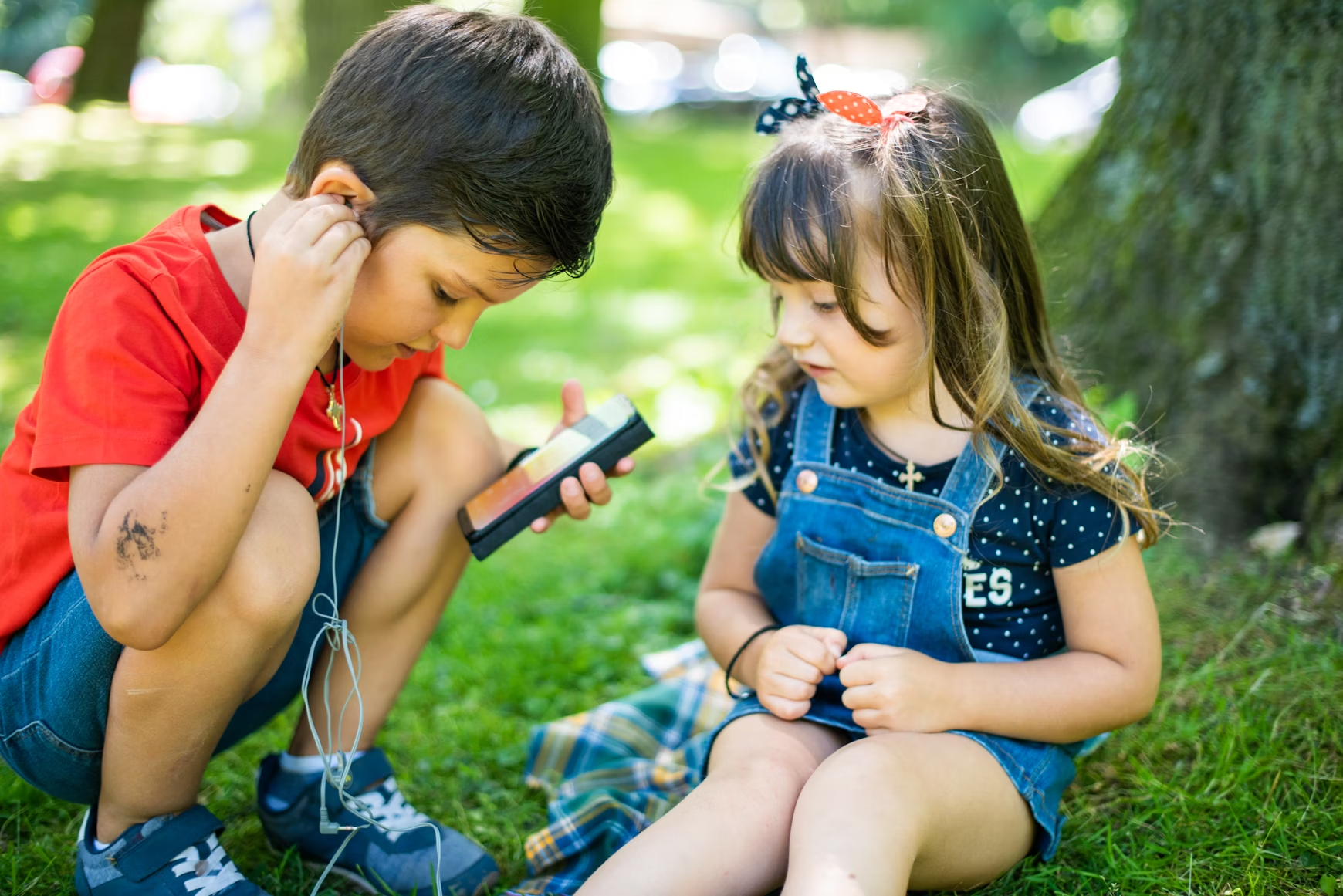
Your child will mirror the values you demonstrate in the world. Link lofty ideals to everyday choices.
- Honesty in action. “We’re turning in this lost wallet because its owner is probably worried.”
- Respect for spaces. “Let’s pick up this litter; we share this park with everyone.”
- Resilience check-in. After a tough test, ask, “What did you learn that will help next time?”
Concrete moments anchor values far better than abstract lectures.
Small Steps, Big Impact
Character is carved in the mundane: how you handle spilled juice, the words you use when traffic stalls, the grace you show after your own mistakes. Perfection isn’t required—consistent presence and intentional choices are. Pick one small step today—maybe letting your child rinse dishes or adding a gratitude leaf—and watch it ripple outward as your child’s inner compass takes shape.
How do you encourage character-building at home? Share your tips in the comments!
Read More
- Is Gentle Parenting Creating Entitled Kids—or Building Strong Character?
- 7 Tips for Patience With an Extremely Active Child

Samantha Warren is a holistic marketing strategist with 8+ years of experience partnering with startups, Fortune 500 companies, and everything in between. With an entrepreneurial mindset, she excels at shaping brand narratives through data-driven, creative content. When she’s not working, Samantha loves to travel and draws inspiration from her trips to Thailand, Spain, Costa Rica, and beyond.
