• Home
  • About Us
  • Toolkit
  • Archives
  • Advertise
  • Privacy Policy

Kids Ain't Cheap

But They Sure Are Worth It

  • Parenting
    • Baby Stuff
    • Books and Reading
      • Aesops Fables
      • Comic Books
    • Education
    • Family Time
    • Green Living
    • Growing Up
    • Healthy Living & Eating
    • Holidays
    • Parenting
    • Random Musings
    • Shopping
    • Stuff to Do
  • Money
  • Product Reviews
    • Books and Magazines
    • Discount Sites
    • Furniture
    • House Keeping
    • Reviews News
    • Toys and Games
  • Contact Us
  • Our Editorial Commitment
  • Search

The ‘Birthday Party Blacklist’: Why Not Hosting a ‘Luxury Experience’ Is Making Your Child a Social Pariah

January 24, 2026 | Leave a Comment

The 'Birthday Party Blacklist': Why Not Hosting a 'Luxury Experience' Is Making Your Child a Social Pariah
Image Source: Shutterstock.com

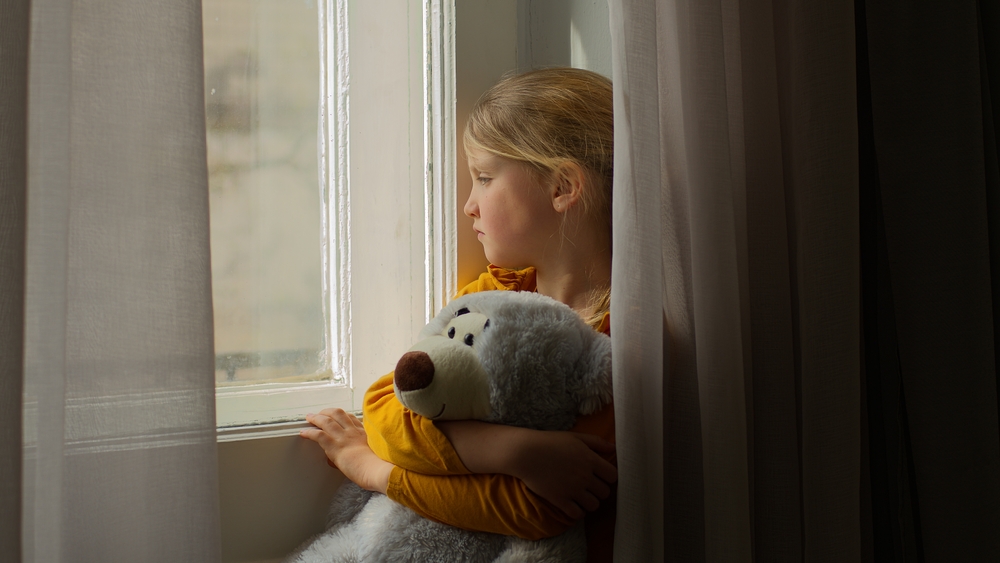
In Fayetteville, GA, parents are trading screenshots in group chats instead of RSVPs. In Volusia County, Florida, the same pattern shows up in carpool lines. For the 2025–2026 school year, an unprecedented social sorting mechanism has slipped into elementary culture through a quiet rollout and a legal loophole no one voted on.

Schools still call themselves “free.” But the hidden reality has changed: children whose families don’t host a “luxury experience” birthday party are sliding onto an informal blacklist. No memo announces it. No principal owns it. Yet the consequences land with surgical precision.

The Cultural Mechanism Schools Won’t Name

This is not nostalgia or kids being kids. This is the downstream effect of the “Authoritative 2.0” movement colliding with algorithm-shaped childhood. Schools push structure and compliance inside the building, then outsource social belonging to the marketplace outside it.

Fayetteville PTA leaders admit off-record that “equity guidelines” prevent schools from hosting celebrations. Volusia County guidance for 2026 School Policy doubles down on instructional purity while ignoring what fills the vacuum. Parents now stage private events to signal status because the institution refuses to arbitrate fairness.

Friction-Maxxing Or Social Exile

Experts label the corrective strategy “Friction-Maxxing”: parents deliberately reintroduce boundaries and discomfort to counter burnout culture. But here’s the catch.

Friction now carries a social penalty for kids. The child who attends trampoline parks, themed venues, and catered events earns proximity to peers.

The child who hands out cupcakes at home loses invitations for the rest of the year. Parents are not imagining this. District counselors in Marion County have flagged 2026 increases in “peer exclusion stress” tied directly to off-campus events, according to internal briefings shared with advocacy groups.

The Money Bleed No One Budgets For

The average “acceptable” party in metro Atlanta now runs $650–$1,200. Parents who opt out don’t save money; they hemorrhage social capital. Ignore this, and you lose leverage with other families, access to carpools, and the soft networks that protect your child when conflict hits.

Credit cards absorb the shock first. Then privacy goes. Party photos become surveillance tools, ranking families by spend and spectacle. The hidden costs of kids no longer hide. They compound, and they follow your child into middle school.

The 'Birthday Party Blacklist': Why Not Hosting a 'Luxury Experience' Is Making Your Child a Social Pariah
Image Source: Shutterstock.com

The Institutional Escape Hatch

Schools avoid liability by staying silent. They frame neutrality as virtue while benefiting from the Authoritative 2.0 glow-up. Parents pay the difference. This is high-stakes parenting under a 2026 School Policy regime that regulates behavior in classrooms and monetizes belonging everywhere else.

Fayetteville parenting forums already show fractures between families who “play the game” and families who refuse. Volusia County Parenting groups are next.

Choose Your Loss

Here’s the argument you can’t dodge: Do you protect your financial security and accept your child’s social exclusion, or do you buy social inclusion and accept the long-term drain on money, privacy, and values? There is no third option anymore. Which cost are you willing to lock in?

You May Also Like…

9 Birthday Traditions That Widen Generation Gaps in Parenting

9 Hidden Fees Behind Birthday Party Rentals That Aren’t Listed Upfront

7 Birthday Party Expectations That Have Gotten Out of Control

6 Birthday Party Expense Hacks Exposed: Slash Costs With These Unexpected Secrets!

Skip These 7 Expenses When Planning a Kid’s Birthday Party

Brandon Marcus
Brandon Marcus
Brandon Marcus is a writer who has been sharing the written word since a very young age. His interests include sports, history, pop culture, and so much more. When he isn’t writing, he spends his time jogging, drinking coffee, or attempting to read a long book he may never complete.

Filed Under: Family Tagged With: Birthday, birthday parties, Child, child's social life, children, Families, Family, family issues, Parenting, parenting tips, social life

“Is Your ‘Convenient’ Life Making Your Child Weak? Why Experts Are Urging Parents to Try ‘Friction-Maxxing’ This Winter

January 22, 2026 | Leave a Comment

Image Source: Shutterstock.com

An unprecedented, quiet rollout of lifestyle vulnerability is sweeping households from suburban cul‑de‑sacs to deep into school corridors. What was once dismissed as mere “comfort culture” has morphed into a proximate threat to child resilience for the 2025–2026 season. Parents in Fayetteville report rising dependency behaviors after two winters of uninterrupted convenience tech.

Marion and Volusia County educators confirm a surge in students unwilling or unable to handle basic setbacks — a shift that only now is being named and measured.

Hard Data, Hard Truths

The collapse in functional grit isn’t anecdotal. It aligns with measurable trends tied to the Authoritative 2.0 movement — a backlash against over‑managed childhoods. Pediatric behavioral analysts now argue that what was once called “supporting kids” has become systemic over‑protection.

In Georgia, policymakers flagged this in model language around HB 268 Behavioral Monitoring, noting a spike in at‑school escalations tied not to bad behavior, but the absence of challenge exposure.

Atlanta area social workers reported 42% more distress incidents this fall compared to 2023, before the latest convenience spike.

Meanwhile, in Florida districts like Volusia, educators referenced informal implementation of new guidelines under Florida Statute 39 that put increased emphasis on safety — inadvertently removing friction from everyday learning environments. Instead of fostering capability, these well‑intended programs have eroded friction tolerance — the core engine of real resilience.

Image Source: Shutterstock.com

The New Non‑Negotiable Response

Experts now champion Friction‑Maxxing: deliberately introducing controlled challenge back into routine life. This isn’t a lifestyle fad. This is an antidote to the burnout economy of convenience that has left kids fragile and families scrambling.

Friction‑Maxxing means no instantaneous habit fixes, no “easy passes” for emotional discomfort, and no digital shortcuts that bypass basic growth arcs. It means thermostats, schedules, walks, chores, delays, predictable constraints — controlled resistance.

What You’re Really Paying For

The cost of ignoring this shift isn’t just psychological — it’s financial. Parents are watching their credit scores tank from repeated counseling bills, their savings erode on instant‑gratification services marketed as parenting helpers, and their social capital collapse as children withdraw from peer challenges.

Convenience has become a hidden surcharge: drained bank accounts for apps promising ease, replacement costs for lost independence, and the invisible tax of endless therapy sessions. This is the 2026 school policy reality — no friction = exponential long‑term cost.

Your Child’s Future or Your Comfort?

Parents are sounding the alarm. The choice is stark: rebuild resilience through friction or continue subsidizing weakness.
Which matters more in 2026 — financial security or social inclusion? Pick a side.

You May Also Like…

7 Things Your Child’s Teacher Is Legally Required to Report to the State (That They Won’t Tell You to Your Face)

The “Name Filter”: 5 Trendy Baby Names That Are Already Becoming Playground Slang for Slow

7 Boomer-Era Family Traditions That Lower Household Stress

Are Winter Mornings Quietly Wrecking Your Child’s Emotional Health?

9 Warning Signs That Your Child’s Daycare Is Cutting Corners


Brandon Marcus
Brandon Marcus
Brandon Marcus is a writer who has been sharing the written word since a very young age. His interests include sports, history, pop culture, and so much more. When he isn’t writing, he spends his time jogging, drinking coffee, or attempting to read a long book he may never complete.

Filed Under: Family Tagged With: Child, children, Families, Family, family issues, Kids, Parenting, parenting tips, Parents, raising kids, weak children

The ‘Silent Sibling’ Syndrome: Why Your Well-Behaved Child Is Actually the One at Highest Risk for Burnout

January 22, 2026 | Leave a Comment

The 'Silent Sibling' Syndrome: Why Your Well-Behaved Child Is Actually the One at Highest Risk for Burnout
Image Source: Shutterstock.com

An unprecedented, quiet rollout of 2026 school policy adjustments in Fayetteville and Volusia County has revealed a hidden reality many parents refuse to acknowledge: your “good kid” — the compliant, high‑achieving sibling — is now the child most at risk for catastrophic burnout.

Legal loopholes in behavior assessment frameworks have made this a local‑to‑national threat for every family trying to keep peace at home while schools ratchet up productivity expectations.

What the Data Shows

In 2026, disciplinary and performance metrics have shifted under the radar. Georgia HB 268 (Behavioral Monitoring) now empowers administrators to escalate expectations for students who demonstrate consistently compliant behavior — effectively assigning more responsibility to kids who “don’t complain.”

Similarly, HB 340 (School Distractions) has been used in Fayetteville to justify squeezing additional academic and extracurricular requirements into the schedules of students with zero conduct issues.

These changes are not bureaucratic tweaks — they represent the first legal framework that penalizes predictability and consistency in children.

Across the border in Volusia County, FL, updated interpretations of Florida Statute 39 (Child Welfare) have blurred the line between support and surveillance. School officials are now able to increase workload benchmarks on “stable” students under the guise of preventive intervention.

Data from recent school board minutes show a 47% increase in assigned out‑of‑class academic tasks for high‑functioning students since September 2025 — a metric that correlates with early indicators of chronic stress and early burnout by age 12.

The Financial and Emotional Price of Silent Sibling Syndrome

Parents are sounding the alarm: silent sibling syndrome isn’t just psychological — it is economically debilitating. Families are now forced to pay for private tutors, mental health services, and “burnout recovery retreats” just to keep their compliant kids afloat. Lost hours mean lost productivity at work.

Weekends become academic boot camps. Therapy bills chip away at savings and retirement funds. This isn’t about extra costs — this is about eroding financial stability while schools benefit from the unpaid labor of highly compliant kids.

The social capital toll is just as savage. Parents are losing friendships because they refuse to enforce 30‑hour study weeks. Privacy evaporates as counselors push early intervention plans. Kids who used to be “easy” are now on watchlists, branded as hidden risks simply for working too hard.

The 'Silent Sibling' Syndrome: Why Your Well-Behaved Child Is Actually the One at Highest Risk for Burnout
Image Source: Shutterstock.com

Are We Creating Compliance at the Expense of Childhood?

Are we willing to sacrifice our children’s mental health for a system that rewards compliance with relentless demand? Financial Security vs. Social Inclusion — which will you choose? Comment and pick a side.

You May Also Like…

7 Boomer-Era Family Traditions That Lower Household Stress

New Year’s Resolutions for Families That Focus on Savings and Togetherness

7 Things Your Child’s Teacher Is Legally Required to Report to the State (That They Won’t Tell You to Your Face)

The “Smart Locker” Trap: Why Schools Are Quietly Auditing Your Child’s Private Devices

7 “College Assets” That Are Actually Disqualifying Your Child from Financial Aid

Brandon Marcus
Brandon Marcus
Brandon Marcus is a writer who has been sharing the written word since a very young age. His interests include sports, history, pop culture, and so much more. When he isn’t writing, he spends his time jogging, drinking coffee, or attempting to read a long book he may never complete.

Filed Under: Family Tagged With: behavior, burnout, Child, child behavior, children, Families, Family, family issues, sibling, siblings, silent sibling

What Are the Perks of Having Twins?

August 27, 2020 | Leave a Comment

Many people think of having twins and immediately think of the negatives.  Twice the expenses at once, twice the chaos. . .But these misconceptions only tell part of the story.  Many moms of twins share that there are incredible perks to being blessed with two babies at once.

The Perks of Having Twins

Perks of Having Twins

There are many benefits of having twins that most people don’t think of.  Consider these.

Double the Tax Deduction Instantly

When you have a new baby, you qualify for an additional tax deduction, but with twins, you immediately get double the tax deduction!  That can make quite a difference on your yearly tax return and can help pay for some of the extra expenses twins incur.

One Pregnancy—Two Babies

If you have easy pregnancies, you likely won’t care about this perk.  However, for women who struggle through pregnancy with morning sickness and discomforts, this can be a true joy.  One pregnancy, but two babies!  If you only want two children, you could reap all the rewards of having two kids but only struggle through one pregnancy.  Yes to that!

Built-In Friends

The Perks of Having Twins
Photo by Jelleke Vanooteghem on Unsplash

My cousin has twins, and she said the first year was extremely difficult.  After that, though, she felt that she was luckier than other moms because her twin sons each had built-in playmates in one another.  While many kids when they’re young rely on their parents to keep them entertained, she said her boys did that for one another.  She enjoyed watching their “twin language” develop and the way they played with each other for hours.  No play dates required.

Share Clothes

If your twins are the same sex, they can share clothes.  This gives them twice the wardrobe at the same price as buying clothes for singletons.

Easier Homework Time

When you think of the perks of having twins, you likely don’t think of homework time.  Yet, if your twins are in the same class and have the same teacher in elementary school, they both have the same assignments due.  Rather than looking at two or three different sets of homework as you would if you were mom to two singletons, the twins will get the same homework, making your job as homework assistant easier.

Discounts for Twins

Did you know if you have twins you can get discounts at a surprising number of places?  My cousin said that she received discounts on daycare when she registered her twins.  A quick search on the web shows that many, many companies offer parents of twins discounts for all sorts of items from mattresses, to formula, to sleeping pods.  The list goes on and on.

Sure, you’ll be paying more out of pocket when you make a purchase times two, but you may save more overall compared to buying twice with singletons because you get a discount.

Final Thoughts

While it is true that by having twins you can face double the expense at one time, there are also many perks of having twins that save you money and time.

Read More

Tips for Approaching Parents of Twins

What I Love Most about Having Twins

Tips on Buying Gifts for Twins


Melissa Batai
Melissa Batai

Melissa is a writer and virtual assistant. She earned her Master’s from Southern Illinois University, and her Bachelor’s in English from the University of Michigan. When she’s not working, you can find her homeschooling her kids, reading a good book, or cooking. She resides in Arizona where she dislikes the summer heat but loves the natural beauty of the area.

Filed Under: Money and Finances, Parenting Blog at KidsAintCheap Tagged With: Child, Parenting, Twins

Choosing Daycare: Finding the Perfect Fit

April 2, 2013 | 2 Comments

perfect day care
Source: <a href="http://schoolweb.tdsb.on.ca">Toronto District School Board</a>

With my return to work fast approaching, my quest in choosing daycare for baby girl is top priority. Choosing a childcare provider is one of the hardest and most thought through decisions parents make. No one would argue that the ideal candidate for proving childcare are the parents, but in today’s world, it is more common that both parents return to work after their child is born.

I consider myself very fortunate that here in Canada I’m allowed to have a full 52 weeks off after my child is born for maternity leave. Spending the first year home with her has made my choice to breastfeed possible and dealing with her sleep issues a little easier. Having it come to a close is sad.  (For reference, women in the United States get 6 weeks of paid family leave and 12 weeks of unpaid family medical leave to care for a child).

Choosing Daycare Options

My husband and I sat down to discuss what type of daycare we wanted our little one to attend. Did we want a registered, licensed center with many children and providers (or employees) or did we want to find a place within someone’s home? There are pluses and minuses for both but ultimately we decided we would focus our efforts on finding a home-based care. If you’re also considering Day care in Bear, DE, or your local area, it’s essential to take your time in researching options that fit your family’s needs. Finding the right care for your child can ease the transition back to work and give you peace of mind knowing they’re in safe, nurturing hands.

The Benefits and Risks when Choosing Daycare

Both my sister and I were raised going to someone else’s home for daycare and loved it. The benefit is that my husband and I have the choice of finding a place very close to our own home, few children, more one-on-one care, and in my mind, a more natural transition from being at home all day with mom to daycare.

The downside of looking for a home based daycare is that we as parents have to be that much more careful. Though many do, a home based daycare isn’t required to abide by the same regulations as a traditional licensed center. Choosing to look for a daycare based out of someones home means we’re required to double and triple check everything. Do they have a criminal background check? Do they know child CPR? How are their references? These are just some of the many questions we’re making sure we have answered.  Questions that should almost go without asking if we were looking at a licensed center.

Even with all this extra homework we decided to continue our pursuit to finding the perfect home-based daycare. If we came up empty handed we would re-direct our efforts to something else.

Jackpot!  Finding the Perfect Daycare

One of the downsides of a home based daycare is that they usually don’t have much of anything in terms or advertising. They rely a lot on word of mouth or mutual contacts. I did manage to find a few who were advertising open spaces via our online classifieds, but nothing that would work for our family. Most of them were located too far from our home.

I decided to place an ad, listing what I was looking for and managed to find what we think will be a perfect place.

The home is located two streets from our house, no more than a five-minute walk. She is a former elementary school teacher, her husband a current vice principal. She decided to stay home after her youngest was born and take a few kids in to watch while at home. She has full criminal and child abuse registry checks done, up-to-date CPR and for us Canadians, offers income tax receipts. She takes a max of four children at once. Our little one will be number four, she’s had the other three for a few years now (another good sign). We’re excited that she comes from another culture and may be able to introduce experiences, food and traditions to our kiddo we otherwise wouldn’t.

Finding a place that my husband and I were comfortable with is going to make my return to work that much easier. Though it hasn’t happened yet I have solace in knowing she’ll be close to home with a trusted individual learning new things and interacting with other children.  I’ll be sure to report how it actually goes after her first few days!

How did you chose the daycare for your children? Any tips for making my back to work transition easier?

Catherine
Catherine

Catherine is a first time momma to a rambunctious toddler. When she isn’t soaking up all that motherhood has to offer, you can find her blogging over at Plunged in Debt where she chronicles her and her husbands journey out of debt. You can also follow her on Twitter.

plungedindebt.com

Filed Under: Baby Stuff Tagged With: babysitting, Child, Choosing Daycare, daycare, Daycare For Baby, home care, The Perfect Fit

Breastfeeding Information At a Glance

December 2, 2011 | Leave a Comment

breastfeeding information at a glanceMy kids are much too old for breastfeeding but I thought that this is a perfect topic to push because it is both healthy for the kids and the mother and free.  Where else will you get that good a deal?  Now, I know that there is some controversy surrounding breastfeeding.  Some women do not believe in it, some do not think it is important or different, etc.  This is not a venue to hold matches between those two points and to judge which one is better.  This is simply an informative post as to the positives and negatives of breastfeeding, keeping in mind that breastfeeding is the most natural way to feed an infant and that it cots nothing monetarily.

The Pros of Breastfeeding

For Mom:

  • A reason to eat and not to gain. In fact, you lose weight!  A breastfeeding mom needs more that 500 extra calories a day because the body just burns more while breastfeeding.
  • It is easy and requires no expense or fuss.  You so not need much more than a comfortable place to prop yourself and your child.
  • For those who are comfortable and used to the routines, it is possible to sleep during feedings, especially those night time ones.
  • They say that it is a way to foster a bond between mother and child.
  • There’s less spitting up, no stains and the poop doesn’t smell!
  • There are anti cancer benefits.  Research shows that the longer you breastfeed, the lower your risk for breast and ovarian cancer.
  • May give you a longer break from getting your period again but ovulation may still occur so this is NOT a birth control method.
  • A lot of breastfeeding moms say it feels awesome and is a real confidence booster!

For Baby:

  • Breast milk provides natural antibodies.  This is usually found in the colostrum or the opaque part of the breast milk.  Breastfed babies get more protection against ear infections, colds, and viruses: If the child does have any of the above, the severity will most likely be lessened.
  • Breast milk is said to help the brain grow and develop
  • They say as well that there is less learning and behavior difficulties
  • Less diaper rash and other skin problems due to the natural milk. When rashes occur it is usually a reaction to what the mom is eating and then transmitting through the milk than a reaction to the milk itself.
  • It is proven that there is less colic and  less crying because of the natural suction from breastfeeding
  • Breast milk is easy to digest.
  • Research has shown that breast milk protects against Sudden Infant Death Syndrome, leukemia, some childhood cancers, and juvenile-onset diabetes
  • And breastfeeding moms swear that their babies LOVE the taste!

The Cons of Breastfeeding

  • Breastfeeding takes time.  Newborns feed every 2 to three hours and so breastfeeding moms follow this schedule even at night.
  • If the dad or the grandparents want a turn at feeding the baby, mom still has to pump the breast milk out which may not be as comforting as having the baby feed directly off the breast.
  • Breastfeeding is tiring! It takes a lot of energy for your body to make milk, so the mother can often feel quite fatigued.
  • Contrary to popular belief, this is not second nature. Almost all moms have at least a moment where they learn how to properly feed their babies.  This may cause some anxiety and frustration.
  • There may be other problems as well that make breastfeeding difficult. Some common problems are mastitis, inverted nipples, babies not being able to latch properly, plugged milk ducts and engorgement if the baby is not feeding frequently or properly.
  • Finally, for the career woman, breastfeeding can be a real challenge.  The schedule alone is something that requires a lot of management and support from the workplace.

So, is breastfeeding for you?  It is an entirely personal choice.  I do not believe there is a right or wrong answer as every loving mother has their stand on why she chooses what she chooses in the care and development of her child.  Certainly, these are points for anyone to mull over before making that decision.

Did you breastfeed your child?

Brian
Brian

Brian is the founder of Kids Ain’t Cheap and is now sharing his journey through parenthood.

 
Email • Google + • Facebook • Twitter

Filed Under: Baby Stuff, Healthy Living & Eating Tagged With: Breast Feeding, Child, Cons, Mother, Pros

  • Facebook
  • Pinterest
  • RSS
  • Twitter

Basic Principles Of Good Parenting

Here some basic principles for good parenting:

  1. What You Do Matters: Your kids are watching you. So, be purposeful about what you want to accomplish.
  2. You Can’t be Too Loving: Don’t replace love with material possessions, lowered expectations or leniency.
  3. Be Involved Your Kids Life: Arrange your priorities to focus on what your kid’s needs. Be there mentally and physically.
  4. Adapt Your Parenting: Children grow quickly, so keep pace with your child’s development.
  5. Establish and Set Rules: The rules you set for children will establish the rules they set for themselves later.  Avoid harsh discipline and be consistent.
  6. Explain Your Decisions: What is obvious to you may not be evident to your child. They don’t have the experience you do.
  7. Be Respectful To Your Child: How you treat your child is how they will treat others.  Be polite, respectful and make an effort to pay attention.
Best Parenting Blogs

Most Popular

11 Ways Kids Are Outsmarting Parental Controls 1. Using Alternate Devices One common trick is simply turning to another device. If a child’s main phone or tablet is restricted, they may borrow a sibling’s, friend’s, or even a school laptop. This instantly gives them access to content outside of parental oversight. Parents often focus on one device, forgetting that others in the household can serve as loopholes. Knowing this tactic helps families tighten controls across all electronics. 2. Clearing Browsing Histories Many kids quickly learn that clearing browsing history hides evidence of restricted activity. With just a few clicks, they can erase any trace of websites visited. This makes it harder for parents to notice when rules are being broken. Parents may assume no history means no browsing, but the reality is often the opposite. Kids are outsmarting parental controls by making it seem like nothing happened at all. 3. Using Private Browsing Modes Most browsers offer “incognito” or private browsing features. Kids use this mode to access websites without leaving a record in the history. To parents checking later, everything looks clean and safe. This simple trick is often one of the first ways kids discover how to bypass restrictions. Conversations about private browsing can help close this gap. 4. Guessing or Resetting Passwords Children who are persistent may try to guess passwords to parental control apps or accounts. Others may find ways to reset them through email prompts or security questions. Once inside, they can disable restrictions entirely. Parents may not even realize controls have been altered until much later. Stronger, less predictable passwords can make this more difficult. 5. Using VPNs to Hide Activity Virtual private networks, or VPNs, let kids disguise their online locations. With one downloaded app, they can bypass geographic or parental restrictions. Some children learn about VPNs through friends or even social media. This makes it easy for them to reach content that should be blocked. Parents often underestimate just how simple it is for kids to use these tools. 6. Creating Fake Accounts When parents monitor social media, kids may create hidden accounts. These “finstas” or fake profiles allow them to interact freely without parental oversight. While their main account appears harmless, the secondary one tells a different story. Kids are outsmarting parental controls by playing both sides at once. Checking for duplicate accounts can help parents stay more aware. 7. Exploiting Time Zone Settings Some kids change the time zone on their devices to bypass screen time limits. This trick allows them to gain extra hours of usage undetected. Parents may assume controls are working, but in reality, the child is bending the clock. It’s a clever loophole that highlights just how resourceful kids can be. Monitoring device settings regularly can catch this tactic. 8. Disabling or Uninstalling Apps Parental control apps can be deleted or disabled with surprising ease. Some kids even reinstall them before a parent checks, making it seem like nothing changed. Others may simply restrict permissions to prevent apps from functioning properly. When apps aren’t monitored closely, parents may not notice they’ve been tampered with. This shows the importance of consistent follow-up. 9. Turning to Friends for Access If a child can’t get past restrictions on their own, they may rely on friends. Visiting a friend’s house or borrowing their phone can give them a free pass. Parents often forget that peer environments can override restrictions set at home. This kind of social workaround is especially common with gaming or social media. Open conversations about trust and responsibility are essential. 10. Hiding Apps in Plain Sight Kids sometimes download apps that look innocent but serve as gateways to hidden activity. These apps may disguise themselves as calculators or utilities. In reality, they allow file storage, private messaging, or browser access. Parents glancing at a home screen may overlook them entirely. Learning to recognize these disguised apps can help parents stay informed. 11. Outpacing Parents’ Tech Knowledge Finally, kids often know more about devices than their parents do. Whether through YouTube tutorials, TikTok hacks, or peer groups, they quickly learn advanced workarounds. This knowledge gap means controls can be bypassed before parents even realize the loophole exists. Staying informed and continually learning about new technology is the best defense. Kids are outsmarting parental controls because they adapt faster than most adults. The Real Solution Lies Beyond Restrictions While controls and filters are important, no system is perfect. Kids will always find creative ways around barriers, making communication the strongest safeguard. Setting clear expectations, building trust, and having ongoing conversations about online behavior matter more than apps alone. Parents who combine technology with open dialogue create a safer digital environment. The goal isn’t to win a battle of wits but to build a relationship that keeps kids both safe and honest. Do you think kids are outsmarting parental controls faster than parents can keep up? Share your experiences in the comments below. What to Read Next... 6 Parenting Tech Shortcuts That Can Expose Your Child to Strangers How Much Screen Time Is Too Much—Legally Speaking? Is Your Child’s School Quietly Tracking Their Location Without Your Consent? How Much Screen Time Is Quietly Reshaping Childhood Behavior? Why Some Parents Are Being Investigated Over Homeschooling Records

11 Ways Kids Are Outsmarting Parental Controls

Catherine Reed

10 Children’s Games From the ’60s That Need to Make a Comeback

Samantha
Girl getting makeup done, referencing psychologist-approved age.

Wearing Makeup: Here Is the Age That Psychologists Agree It’s Okay for Girls to Wear Makeup

Samantha
birthday gifts

7 Birthday Gifts Your Child Should Never Bring to a Party

Latrice Perez

Babysitting Without Cash: 10 Ways to Barter Your Way Out of Childcare Costs

Ashleigh Clyde

All content on Kids Ain’t Cheap is for entertainment purposes only. By reading this blog, you agree that Kids Ain’t Cheap is not responsible for any actions taken after reading this blog. For the full disclaimer, see our privacy policy.

Please note that Kids Ain’t Cheap has financial relationships with some of the merchants mentioned here. Kids Ain’t Cheap is funded by banner advertising, commission sales and search optimization consulting.

Copyright © 2006–2026 | District Media | All Rights Reserved | Privacy Policy

Copyright © 2026 Runway Pro Theme by Viva la Violette