
When “I’m bored!” echoes from every room, cabin fever can deflate the whole household. The good news? With a sprinkle of imagination, nearly any space—living room, hallway, even the kitchen—can morph into an adventure zone. The following activities require minimal setup, spark creativity, burn energy, and strengthen family bonds. Mix, match, and repeat to reach the 700-word finish line of indoor sanity.
1. Host an Indoor Scavenger Hunt
Start with ten easy items (“something soft,” “two blue things”) or craft rhymed clues that send kids racing from sofa to closet. Want to level up? Photograph each clue’s location on your phone so younger children have visual hints. Older kids can solve riddles or complete mini-challenges at each stop—“Do five jumping jacks before grabbing the next clue.” The finale might be a homemade coupon for picking dessert or choosing tomorrow’s breakfast. Fast setup, zero cost, big excitement—and kids practice teamwork, observation, and problem-solving.
2. Create a DIY Movie Theater
Transform an ordinary afternoon into a cinematic event. Kids make admission tickets, design posters, and arrange seating with pillows and blankets. Set up a “concession stand” with popcorn bags, sliced fruit, or a quick brownie mix. Rotate who chooses the feature film so everyone feels included. Ask trivia questions about the movie afterward to encourage recall and discussion. Tip: dim the lights and cue a “coming attractions” clip (an age-appropriate short trailer) to mimic the theater experience.
3. Build a Blanket-Fort Wonderland
Drape quilts over chairs, tables, or couches to create secret hideouts. Inside, forts can become pirate ships sailing stormy seas or outer-space command centers. Once built, shift gears to quiet activities: read aloud by flashlight, host a plush-toy tea party, or relax with calming music. The temporary nature of forts teaches resourcefulness—kids engineer stability with cushions and clothes pins—while offering a cozy retreat to recharge.
4. Make a Sensory Bin
Fill a plastic tub with inexpensive materials: dry rice, pasta, cotton balls, dried beans, or kinetic sand. Bury small toys or laminated letters for children to discover by touch. Sensory play strengthens fine-motor skills and invites mindfulness, especially helpful when kids feel overstimulated. Extend the learning by offering measuring cups and funnels for scooping, sorting, and counting. (If your child still mouths objects, choose large, non-chokable items like chunky wooden blocks or silicone shapes.)
5. Design an Indoor Obstacle Course
Channel restless energy into a DIY “Ninja Warrior” track: hop over tape lines, crawl under broomsticks balanced on chairs, and zigzag around plastic cups. Use painter’s tape to mark balance beams or create a hopscotch grid. Challenge kids to beat their own time or race a sibling. For younger toddlers, keep it simple: crawl through a cardboard-box tunnel and toss stuffed animals into laundry baskets. Physical play indoors boosts gross-motor skills and mood—without wrecking the furniture.
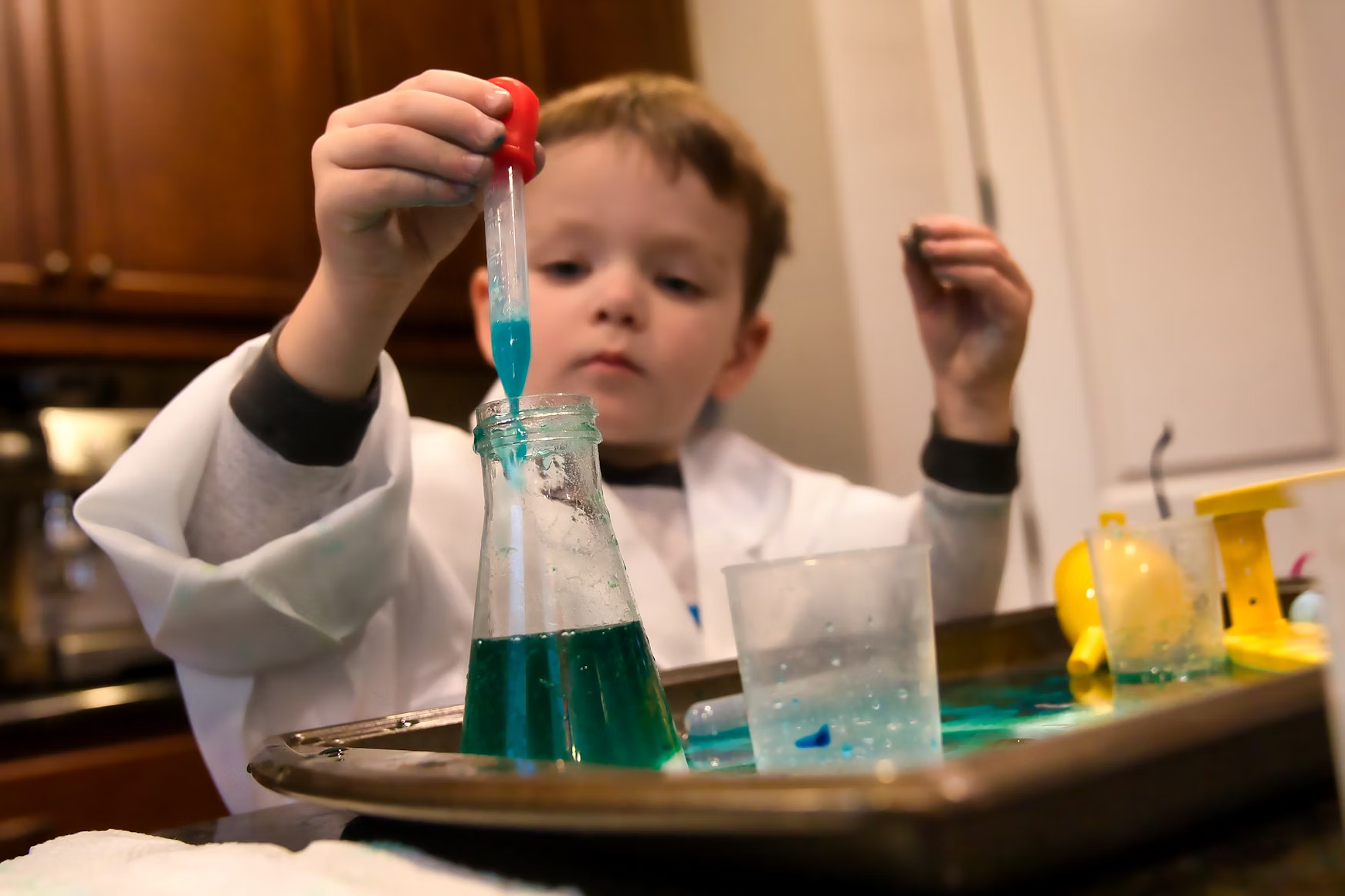
6. Launch a Kitchen Science Lab
Cooking ingredients double as chemistry supplies. Make erupting volcanoes with baking soda and vinegar tinted with food coloring, or craft homemade play dough (flour, salt, warm water, a spoonful of oil). Transform milk, dish soap, and food coloring into a swirling “color explosion.” Discuss observations: What changed? Why did bubbles form? Quick experiments spark scientific curiosity and use items already in your pantry.
7. Host a Chopped-Style Snack Challenge
Raid the fridge and set out three or four surprise ingredients (think apple slices, pretzels, yogurt, raisins). Then, see who can invent the tastiest snack in ten minutes. No hot stove required—just creativity, basic knives for older kids, and parental oversight. Kids learn food prep, flavor pairing, and presentation. Award playful titles like “Best Crunch” or “Most Colorful Creation.”
8. Stage an Indoor Campout
Set up a pop-up tent or sleeping bags in the living room. Switch off overhead lights and rely on flashlights or battery lanterns. Share ghost stories (not too spooky), sing camp songs, and toast marshmallows over the stovetop or microwave s’mores. Falling asleep “under canvas” at home adds novelty without braving cold temperatures. Little campers wake up with big memories.
9. Spin a Story-Chain
Sit in a circle. One person starts a tale with a single sentence: “On a snowy day, Max discovered a secret door behind the bookcase…” Each family member adds a sentence, continuing until the plot reaches a silly or epic conclusion. Story-chains build language skills, imagination, and listening patience. They usually end in giggles.
10. Create a Family Art Gallery
Pull out crayons, washable paints, or scrap paper collage supplies. Set a timer for 20 minutes of “studio time,” then display masterpieces on a hallway wall or clothesline. Add captions and host a gallery walk, where each artist explains their work. Art boosts fine-motor development and self-expression. The finished gallery brightens long winter afternoons.
Finding Joy Indoors
Store a few “special-use” items—puzzles, craft kits, a deck of card-game prompts—in a labeled bin out of everyday reach. Rotate them every few weeks to renew interest without spending extra money. Keep a brainstorming list on the fridge so kids can help choose the next boredom buster.
Cabin fever simply signals a need for novelty, movement, or connection. Whether you’re racing an obstacle course or nesting in a blanket fort, a few minutes of engaged, playful presence turns restlessness into laughter. On gloomy days, these mini-adventures remind everyone that joy lives right at home—no sunshine required.
What’s your go-to cure for cabin fever? Share below; your idea might save another parent’s sanity!
Read More
- 7 Birthday Gifts Your Child Should Never Bring to a Party
- A Fun and Economical Way to Get Kids Interested in Reading: Comic Books

Samantha Warren is a holistic marketing strategist with 8+ years of experience partnering with startups, Fortune 500 companies, and everything in between. With an entrepreneurial mindset, she excels at shaping brand narratives through data-driven, creative content. When she’s not working, Samantha loves to travel and draws inspiration from her trips to Thailand, Spain, Costa Rica, and beyond.
