• Home
  • About Us
  • Toolkit
  • Archives
  • Advertise
  • Privacy Policy

Kids Ain't Cheap

But They Sure Are Worth It

  • Parenting
    • Baby Stuff
    • Books and Reading
      • Aesops Fables
      • Comic Books
    • Education
    • Family Time
    • Green Living
    • Growing Up
    • Healthy Living & Eating
    • Holidays
    • Parenting
    • Random Musings
    • Shopping
    • Stuff to Do
  • Money
  • Product Reviews
    • Books and Magazines
    • Discount Sites
    • Furniture
    • House Keeping
    • Reviews News
    • Toys and Games
  • Contact Us
  • Our Editorial Commitment
  • Search

Speech Therapists Beg: Throw Away These 5 “Talking” Toys (They Kill Conversation)

February 5, 2026 | Leave a Comment

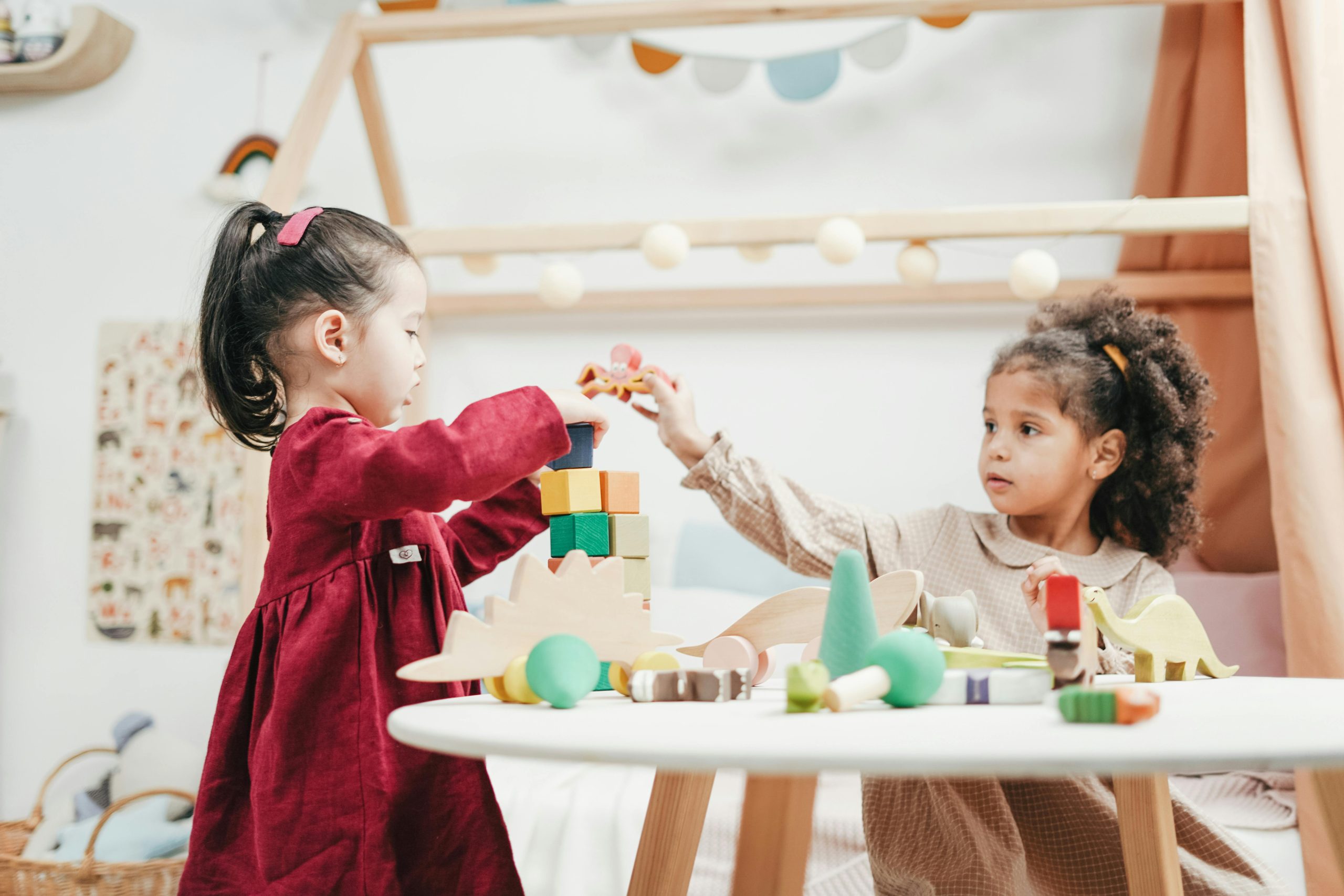
Speech Therapists Beg: Throw Away These 5 “Talking” Toys (They Kill Conversation)
Image Source: Shutterstock.com

There’s a scary and unique panic that hits when you realize your child’s favorite toy might be doing the exact opposite of what you hoped. You bought it because it “teaches numbers,” “builds vocabulary,” or “encourages learning,” but instead it’s shouting pre‑recorded phrases louder than a carnival barker.

Meanwhile, your child is quietly pressing buttons, mesmerized, not saying a word. Speech therapists across the country have been sounding the alarm for years: many “talking” toys don’t actually help kids talk—they replace the very interactions children need to build real language skills.

The Button‑Pressing Trap: When Toys Talk At Kids Instead of With Them

Speech therapists often explain that language develops through back‑and‑forth interaction—what experts call “serve and return.” Kids say something, you respond, they respond back, and the cycle continues.

Talking toys break that cycle by dominating the conversation. They light up, sing, count, and narrate without leaving space for a child to participate. A toddler presses a button, the toy performs, and the child becomes a passive audience member instead of an active communicator. This pattern can reduce opportunities for kids to practice words, gestures, and social cues. It’s not that these toys are harmful; they simply don’t support the kind of rich, responsive interaction that builds strong language foundations.

1. The Overstimulating “Learning Tablet” That Does All the Talking

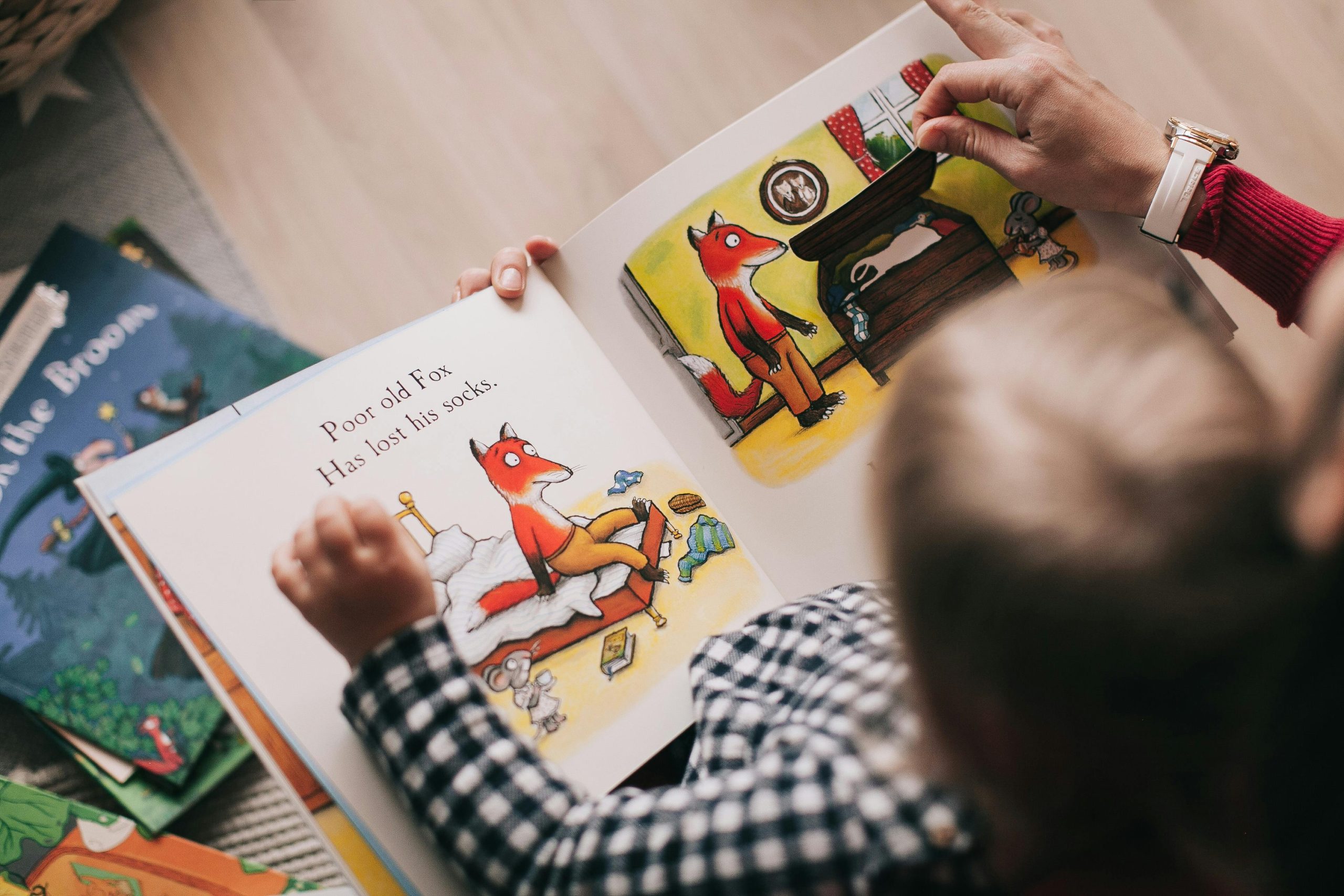
Many parents buy toy tablets thinking they’ll introduce letters, numbers, and early vocabulary. But speech therapists consistently point out that these toys often overwhelm kids with flashing lights, rapid‑fire songs, and nonstop chatter. When a toy cycles through the alphabet in three seconds flat, there’s no room for a child to imitate sounds or explore words at their own pace. Kids may tap the screen repeatedly just to trigger the next sound, turning learning into a passive, button‑mashing game.

Real language development thrives on slower, more meaningful interaction—something these toys rarely provide. If you want to support early literacy, simple board books and real conversations do far more than any talking tablet ever could.

2. The Singing Stuffed Animal That Leaves No Space for Conversation

Stuffed animals are usually great for pretend play, but the talking versions often hijack the experience. Instead of encouraging kids to create stories, ask questions, or narrate play, these toys launch into long songs or scripted phrases. A child hugs the toy, and suddenly it’s singing a full verse while the child just listens.

Speech therapists note that this reduces opportunities for imaginative language, which is crucial for vocabulary growth and storytelling skills. Kids learn far more from giving their stuffed animals voices, acting out scenarios, and inventing dialogue than from listening to a plush toy recite pre‑programmed lines.

3. The “Smart” Shape Sorter That Names Every Shape Before Your Child Can Try

Shape sorters are fantastic for problem‑solving and early language—until they start announcing every shape the moment a child touches it. When a toy says “Triangle! Triangle! Triangle!” before a child has a chance to explore, guess, or ask for help, it removes the opportunity for natural learning.

Speech therapists emphasize that kids benefit from trial and error, descriptive language, and gentle guidance from adults. A talking shape sorter often rushes the process, turning a thoughtful activity into a noisy guessing game. A silent shape sorter paired with your own narration supports far more meaningful language development.

Speech Therapists Beg: Throw Away These 5 “Talking” Toys (They Kill Conversation)
Image Source: Shutterstock.com

4. The Musical Activity Table That Turns Playtime Into a Concert

Activity tables are popular because they keep toddlers busy, but the talking, singing versions can dominate the entire room. These toys often blast songs, count numbers, and shout colors nonstop, leaving little room for a child to experiment with sounds or initiate communication. Speech therapists explain that when a toy fills every quiet moment with noise, kids don’t get the chance to practice babbling, labeling objects, or asking for help.

Quiet play is incredibly valuable for language development, and musical tables often drown out those opportunities. A simple table with blocks, cups, or stacking toys encourages far more interaction and creativity.

5. The Talking Cars and Trucks That Replace Imagination With Scripts

Vehicle toys are usually fantastic for pretend play, but the talking versions often limit creativity. Instead of encouraging kids to make engine noises, narrate adventures, or invent characters, these toys repeat the same phrases over and over. A child pushes the truck, and it shouts, “Let’s go to the construction site!”—leaving little room for the child to decide where the truck should go or what it should do.

Speech therapists love vehicle play because it naturally invites storytelling, sound imitation, and role‑playing. Talking vehicles, however, tend to shut down those opportunities by providing ready‑made scripts that kids simply listen to instead of creating their own.

What Speech Therapists Recommend Instead (It’s Surprisingly Simple)

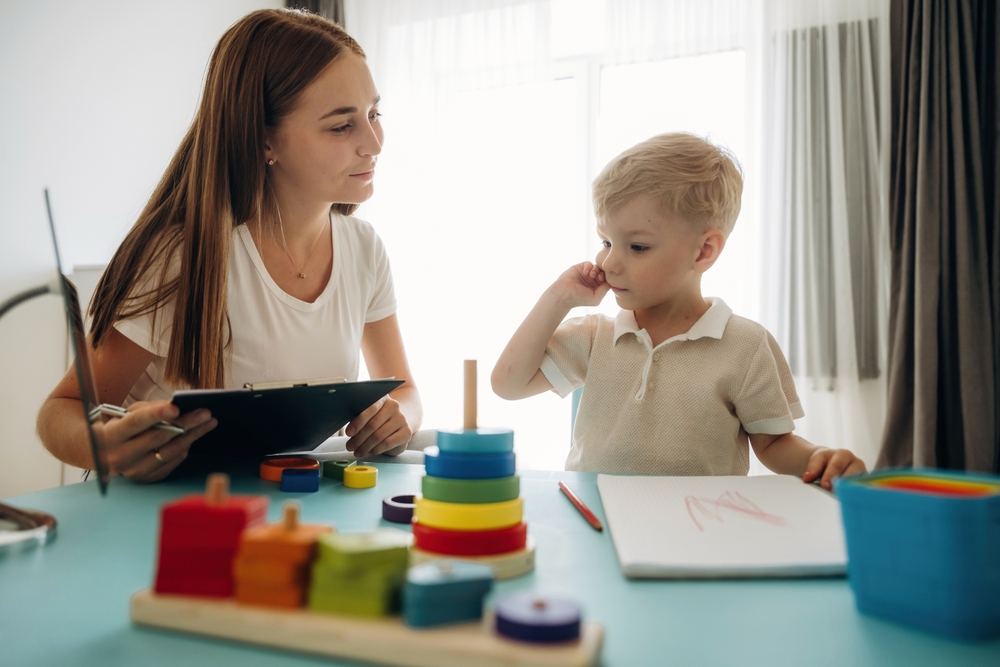
The best toys for language development are often the quietest ones. Blocks, dolls, pretend food, cars, puppets, and simple puzzles encourage kids to talk, imagine, and problem‑solve. These toys leave space for conversation, which is the heart of language learning. Speech therapists also recommend narrating your child’s play, asking open‑ended questions, and modeling new words.

You don’t need expensive educational gadgets—just time, interaction, and toys that invite creativity. Even everyday household items like cups, spoons, cardboard boxes, and laundry baskets can spark rich language experiences.

Kids Learn to Talk From People, Not Toys

Talking toys aren’t villains—they’re just not teachers. Kids learn language through connection, imitation, and shared experiences. When toys take over the talking, kids lose opportunities to practice the skills that matter most. By choosing toys that encourage interaction and imagination, you give your child the best possible foundation for strong communication.

What talking toy drives you the craziest—or surprised you the most? Share your story for other parents in our comments section.

You May Also Like…

6 Innocent Parenting Habits That Lead to Big Therapy Bills Later

How To Use Governmental Resources for Inexpensive Speech Therapy for Kids

8 Must-Have Baby Gadgets That Pediatricians Say Delay Development

How Much Are You Really Paying for Developmental Toys?

Beyond The Toys: 8 Hidden Dangers In Your Child’s Toys

Brandon Marcus
Brandon Marcus
Brandon Marcus is a writer who has been sharing the written word since a very young age. His interests include sports, history, pop culture, and so much more. When he isn’t writing, he spends his time jogging, drinking coffee, or attempting to read a long book he may never complete.

Filed Under: Toys and Games Tagged With: child development, communication development, early childhood, educational toys, Language Skills, parenting advice, parenting tips, playtime tips, speech therapy, talking toys, toddler toys

These Are the Best Educational Toys for 2-Year-Olds

December 18, 2024 | Leave a Comment

These Are the Best Educational Toys for 2-Year-Olds
Image Source: Pexels

Two-year-olds are little explorers, eager to learn and discover the world around them. The best educational toys encourage curiosity, creativity, and developmental growth. Here are the top picks for toys that every 2-year-old will love—and learn from.

1. Building Blocks

1. Building Blocks
Image Source: Pexels

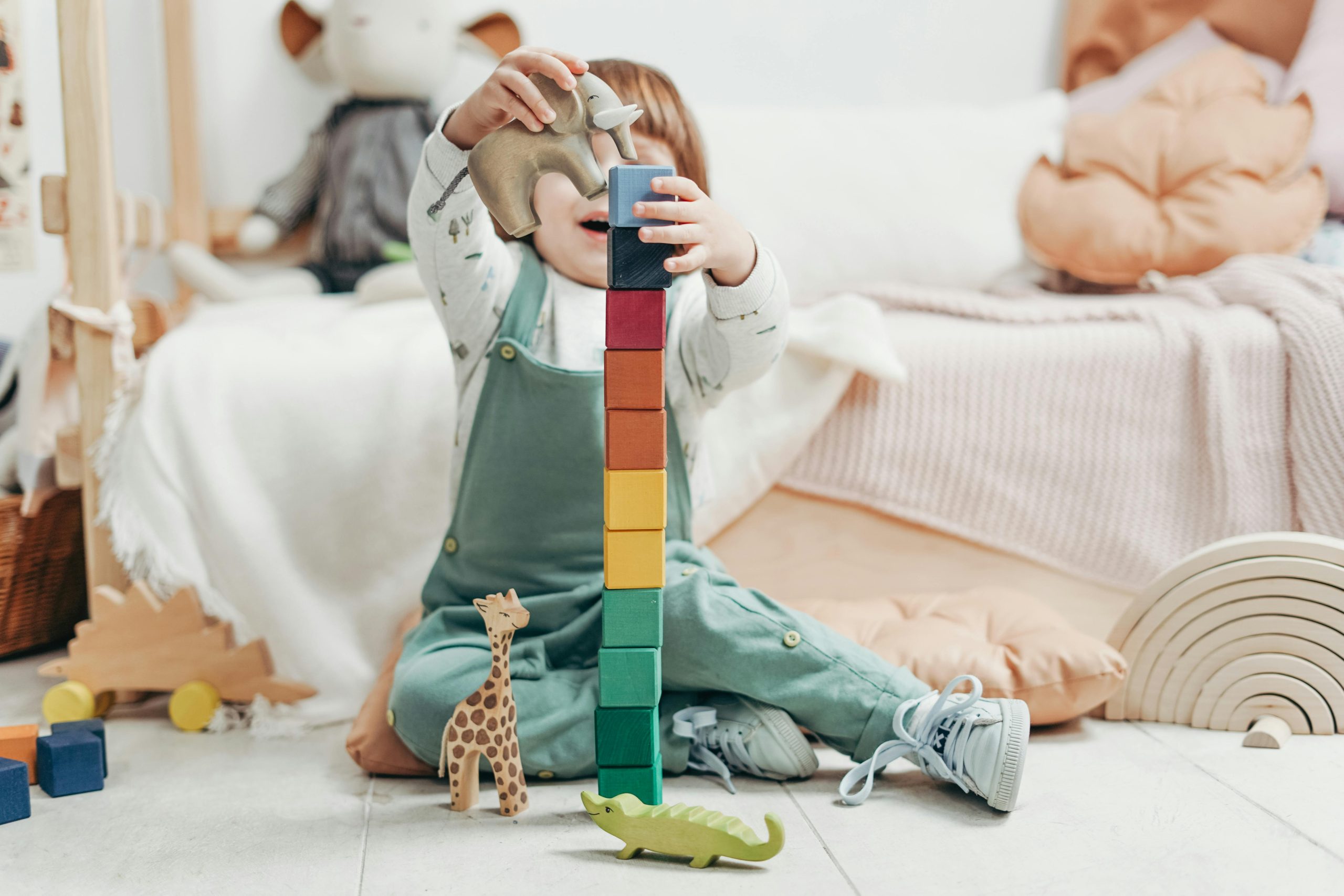
Building blocks are classic toys that offer children endless opportunities to engage their imaginations. Not only are they fun, but they also promote the development of key skills including fine motor skills, hand-eye coordination, creativity, and social skills through cooperation and sharing. With so many brands available, such as Legos and Mega Bloks, children have countless options to explore their creativity and build imaginative structures.

You can score a set of Mega Bloks for less than $14 right now.

2. Shape Sorters

2. Shape Sorters
Image Source: Pexels

Shape sorters, including the classic wooden block, Perfection, and large-sized puzzles, are fantastic educational toys. They each aid in a toddler’s development in different ways. These toys teach toddlers to differentiate colors and shapes and introduce them to problem-solving, thereby improving their dexterity and cognitive skills.

This shape sorter is less than $12 on Amazon.

3. Musical Instruments

3. Musical Instruments
Image Source: Pexels

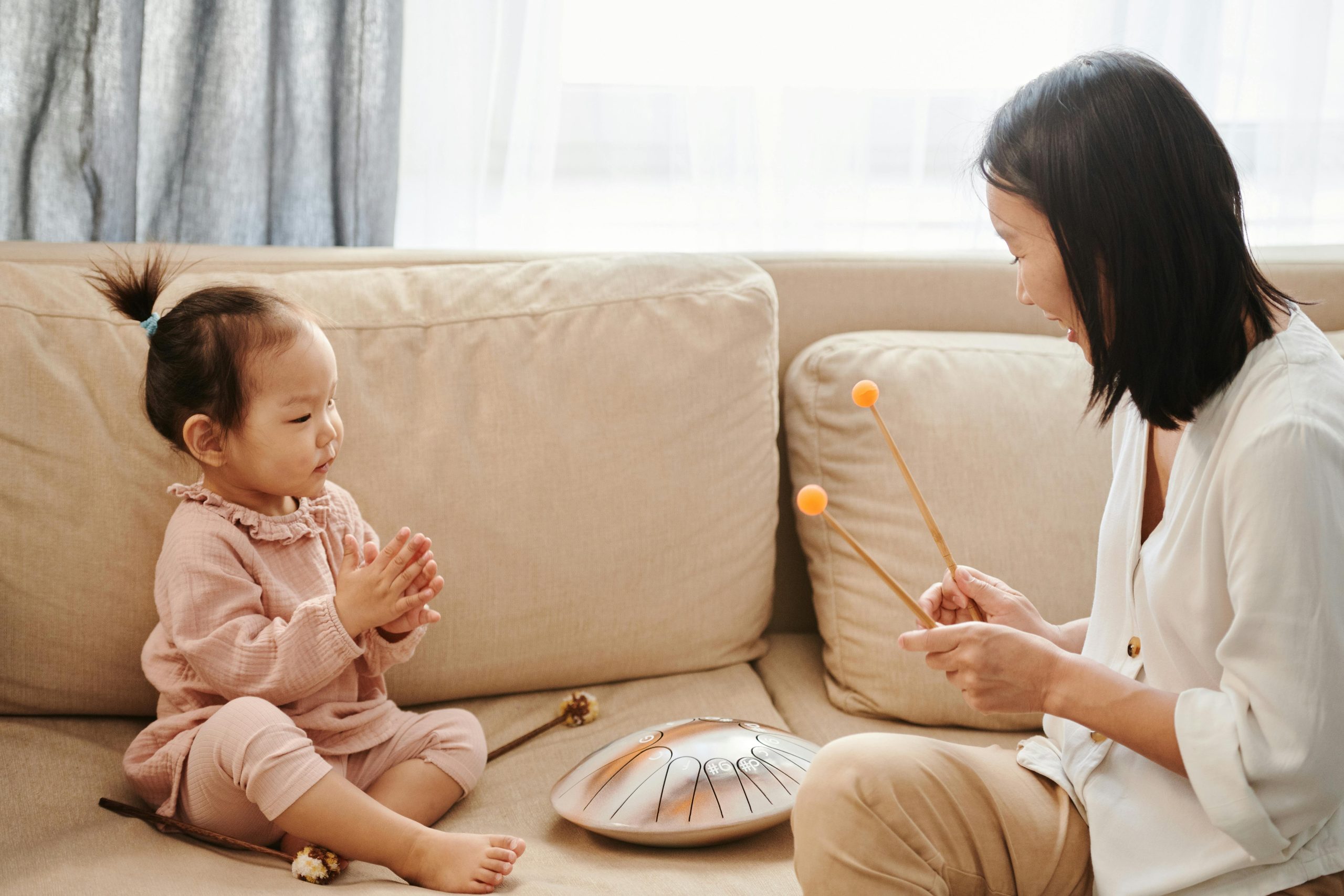
Who doesn’t love music? Even babies dance to the rhythm of a good beat. Aside from letting them listen to your favorite tunes, you can expose them to instruments so they can make their own music. You can introduce your toddler to the world of music with toy instruments like drums, xylophones, or maracas. Doing so can aid them in first hand experiencing learning rhythm, coordination, and sensory skills.

Check out this set of musical toys on Amazon.

4. Interactive Books

4. Interactive Books
Image Source: Pexels

Reading is fundamental and beneficial at every stage of development. Around 2 years old babies are engaging with books that you read to them and fun books they interact with on their own. Books with buttons, textures, or sounds engage young minds while encouraging early literacy skills. Additionally, it helps with basic vocabulary acquisition, enhancing the imagination, and improving their attention span. 

We loved these touch and feel books for our baby.

5. Ride-On Toys

5. Ride-On Toys
Image Source: Pexels

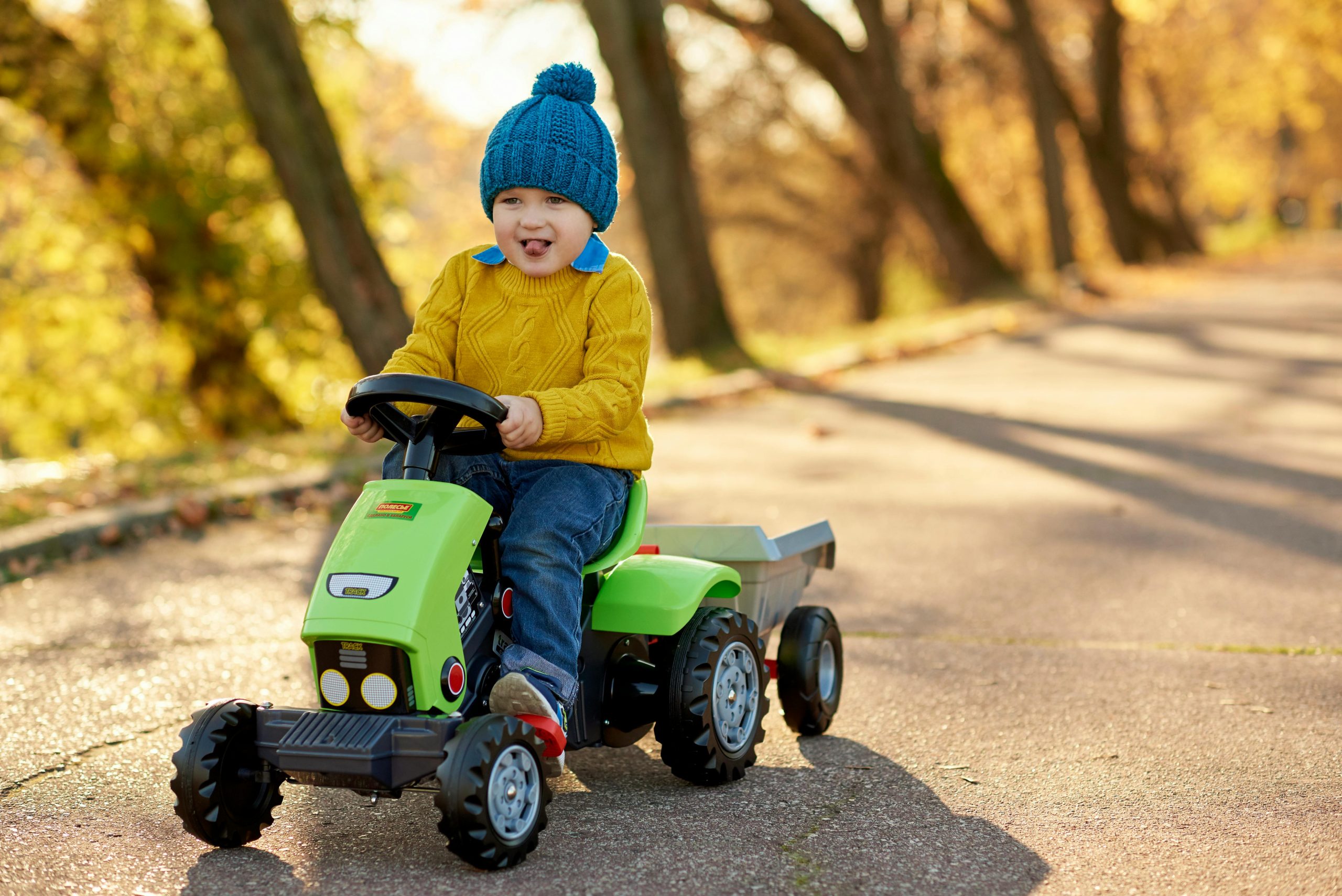
There are many ride-on toys available, including cars, motorcycles, and interactive animals, making them a popular gift for young children. These toys are not only fun but also help develop gross motor skills. When choosing a ride-on toy, it is important to consider safety and age appropriateness. This ensures that the child has a positive and valuable experience while enjoying endless entertainment.

Right now, this highly recommended ride-on toy is on sale for less than $40.

Learning Through Play

At a young age, toys are beneficial to all children. Most toys are educational even when they appear to be just for fun. The toys on this list make learning fun for toddlers while supporting their development. With these options, you’ll find the perfect gift that’s as enriching as it is entertaining.

Read More

  • A Toddlers Rules of Possession
  • Paying For Your Kids Education
Shay Huntley
Shay Huntley

Shatel Huntley has a Bachelor’s degree in Criminal Justice from Georgia State University. In her spare time, she works with special needs adults and travels the world. Her interests include traveling to off-the-beaten-path destinations, shopping, couponing, and saving.

Filed Under: Money and Finances Tagged With: best toddler toys, child development, educational toys, Educational Toys for 2-Year-Olds, learning through play, toddler gift ideas, toys for 2-year-olds

Here Are the Top 5 Toys for 1 Year Olds

November 26, 2024 | Leave a Comment

Finding the perfect toy for a one-year-old can be both exciting and challenging. At this age, toys should spark curiosity, promote motor skills, and encourage imaginative play. The best toys for 1-year olds combine fun and development, creating opportunities for little ones to explore their world. Let’s dive into some amazing options that check all the boxes.

Engaging Stacking Toys

best toys for 1 year old
123rf

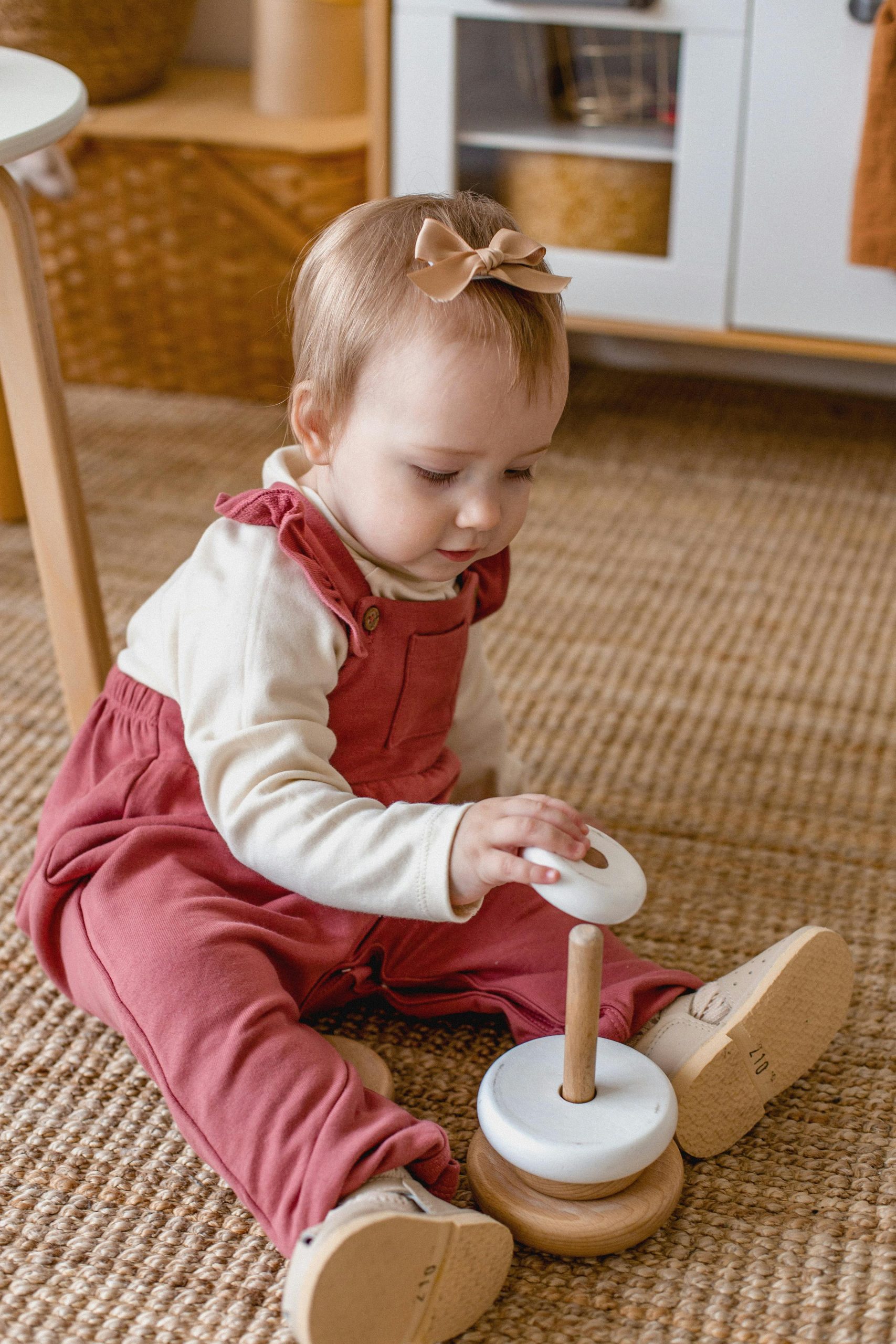
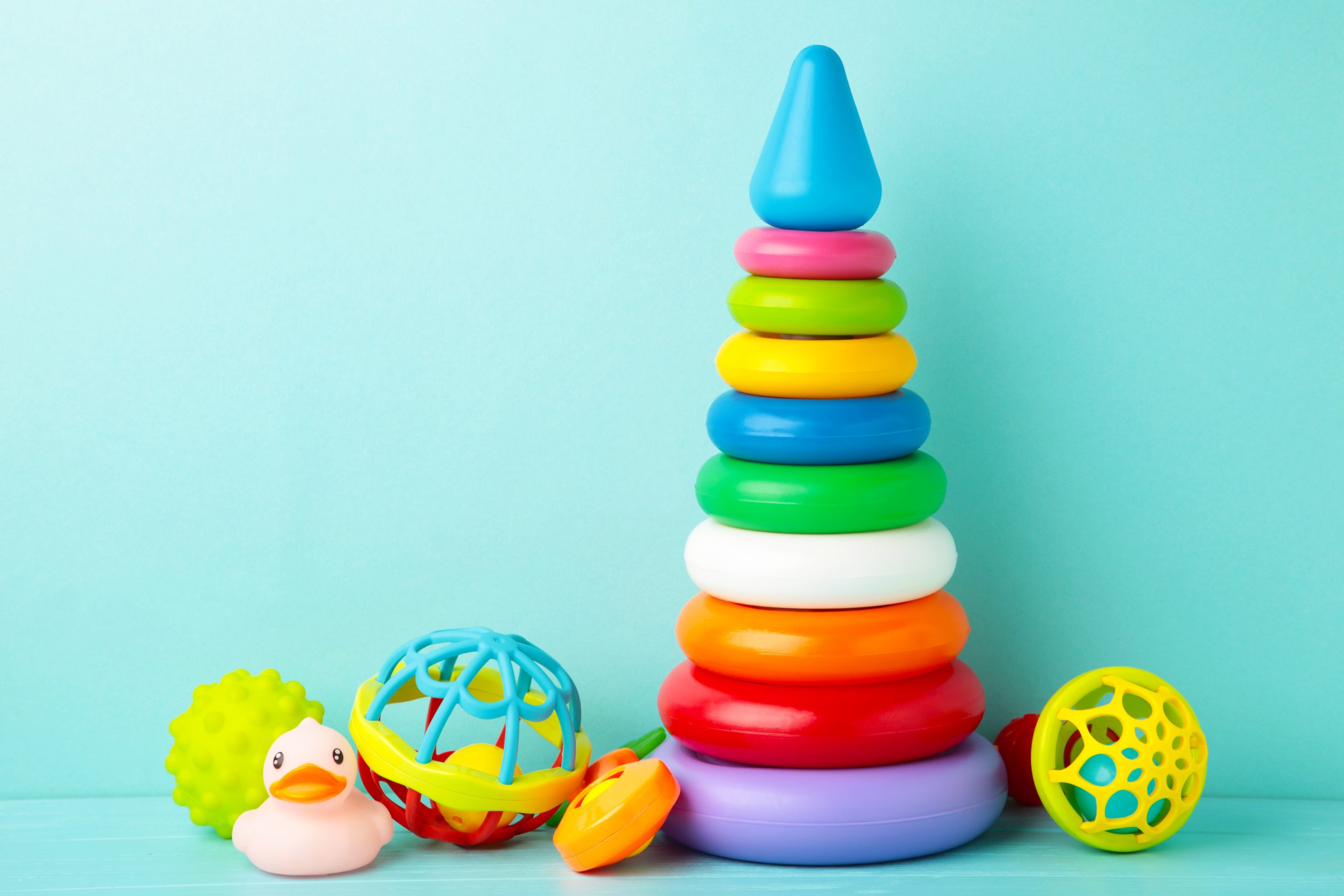
Stacking toys are a classic choice that never fails to entertain and teach. They help toddlers develop hand-eye coordination and fine motor skills while engaging their sense of balance and problem-solving. With bright colors and various textures, these toys capture a child’s attention and encourage them to explore. Stacking rings or cups are some of the best toys for 1-year olds because they’re simple yet endlessly entertaining.

Musical Instruments for Toddlers

Music is a fantastic way to stimulate a child’s creativity and sensory development. Toddler-friendly instruments like xylophones, drums, or maracas offer a hands-on way to explore sounds and rhythms. Not only do they spark joy, but they also enhance auditory skills and coordination. These instruments are fun for solo play or interactive jam sessions with parents, making them an ideal gift.

Interactive Push-and-Pull Toys

Push-and-pull toys encourage mobility and balance, making them perfect for one-year-olds just learning to walk. Options like toy wagons or animal-themed pull-alongs give toddlers the confidence to move independently. These toys often include engaging features like lights or sounds, which add another layer of excitement. The combination of movement and interactive elements makes these toys a top pick for this age group.

Soft and Educational Books

Soft books designed for toddlers introduce them to stories, textures, and colors in a safe and engaging way. These books often feature crinkle pages, squeaky sounds, and bold visuals to captivate a young child’s attention. They’re perfect for encouraging early literacy and sensory exploration. Plus, reading together builds bonding moments that are just as beneficial as playtime.

Activity Cubes with Multiple Features

Activity cubes pack a variety of developmental activities into one exciting toy. They often include elements like bead mazes, spinning gears, and shape sorters, keeping toddlers entertained for hours. These toys promote problem-solving, motor skills, and sensory engagement, all in a compact design. When it comes to multi-functional fun, activity cubes rank among the best toys for 1 year olds.

Choosing the Right Toy for Your Toddler

Selecting the right toy means considering safety, developmental benefits, and entertainment value. The best options are those that grow with your child, offering new ways to play as they develop. Whether it’s a musical instrument or an activity cube, these toys provide endless opportunities for learning and fun. With the right choice, you’ll give your little one a gift they’ll cherish.

Latrice Perez

Latrice is a dedicated professional with a rich background in social work, complemented by an Associate Degree in the field. Her journey has been uniquely shaped by the rewarding experience of being a stay-at-home mom to her two children, aged 13 and 5. This role has not only been a testament to her commitment to family but has also provided her with invaluable life lessons and insights.  As a mother, Latrice has embraced the opportunity to educate her children on essential life skills, with a special focus on financial literacy.

Filed Under: Lifestyle Tagged With: best toys for 1 year old, educational toys, interactive toys for toddlers, stacking toys, toddler gift ideas

  • Facebook
  • Pinterest
  • RSS
  • Twitter

Basic Principles Of Good Parenting

Here some basic principles for good parenting:

  1. What You Do Matters: Your kids are watching you. So, be purposeful about what you want to accomplish.
  2. You Can’t be Too Loving: Don’t replace love with material possessions, lowered expectations or leniency.
  3. Be Involved Your Kids Life: Arrange your priorities to focus on what your kid’s needs. Be there mentally and physically.
  4. Adapt Your Parenting: Children grow quickly, so keep pace with your child’s development.
  5. Establish and Set Rules: The rules you set for children will establish the rules they set for themselves later.  Avoid harsh discipline and be consistent.
  6. Explain Your Decisions: What is obvious to you may not be evident to your child. They don’t have the experience you do.
  7. Be Respectful To Your Child: How you treat your child is how they will treat others.  Be polite, respectful and make an effort to pay attention.
Best Parenting Blogs

Most Popular

Baby

9 Unusual Baby Names That Sound Like They Belong to Future CEOs

Evan Morgan
Baby

10 Baby Names That Were Once Considered “Grandparent Names” but Feel Cool Again

Evan Morgan
Target Store

Choking Incident Prompts Recall of 49,000 Target Gigglescape “Under the Sea” Popping Toys

Evan Morgan
Frustrated Girl

Why Some Students on the Spectrum Are Labeled With ODD

Evan Morgan
Coke Bottles

12 Things Kids Took to School in the ’70s That Would Never Be Allowed Today

Evan Morgan

All content on Kids Ain’t Cheap is for entertainment purposes only. By reading this blog, you agree that Kids Ain’t Cheap is not responsible for any actions taken after reading this blog. For the full disclaimer, see our privacy policy.

Please note that Kids Ain’t Cheap has financial relationships with some of the merchants mentioned here. Kids Ain’t Cheap is funded by banner advertising, commission sales and search optimization consulting.

Copyright © 2006–2026 | District Media | All Rights Reserved | Privacy Policy

Copyright © 2026 Runway Pro Theme by Viva la Violette