
• Home
  • About Us
  • Toolkit
  • Archives
  • Advertise
  • Privacy Policy

Kids Ain't Cheap

But They Sure Are Worth It

  • Parenting
    • Baby Stuff
    • Books and Reading
      • Aesops Fables
      • Comic Books
    • Education
    • Family Time
    • Green Living
    • Growing Up
    • Healthy Living & Eating
    • Holidays
    • Parenting
    • Random Musings
    • Shopping
    • Stuff to Do
  • Money
  • Product Reviews
    • Books and Magazines
    • Discount Sites
    • Furniture
    • House Keeping
    • Reviews News
    • Toys and Games
  • Contact Us
  • Our Editorial Commitment
  • Search

Raising Kids Alone? 10 Things You’ll Want Ready Just in Case

July 31, 2025 | Leave a Comment

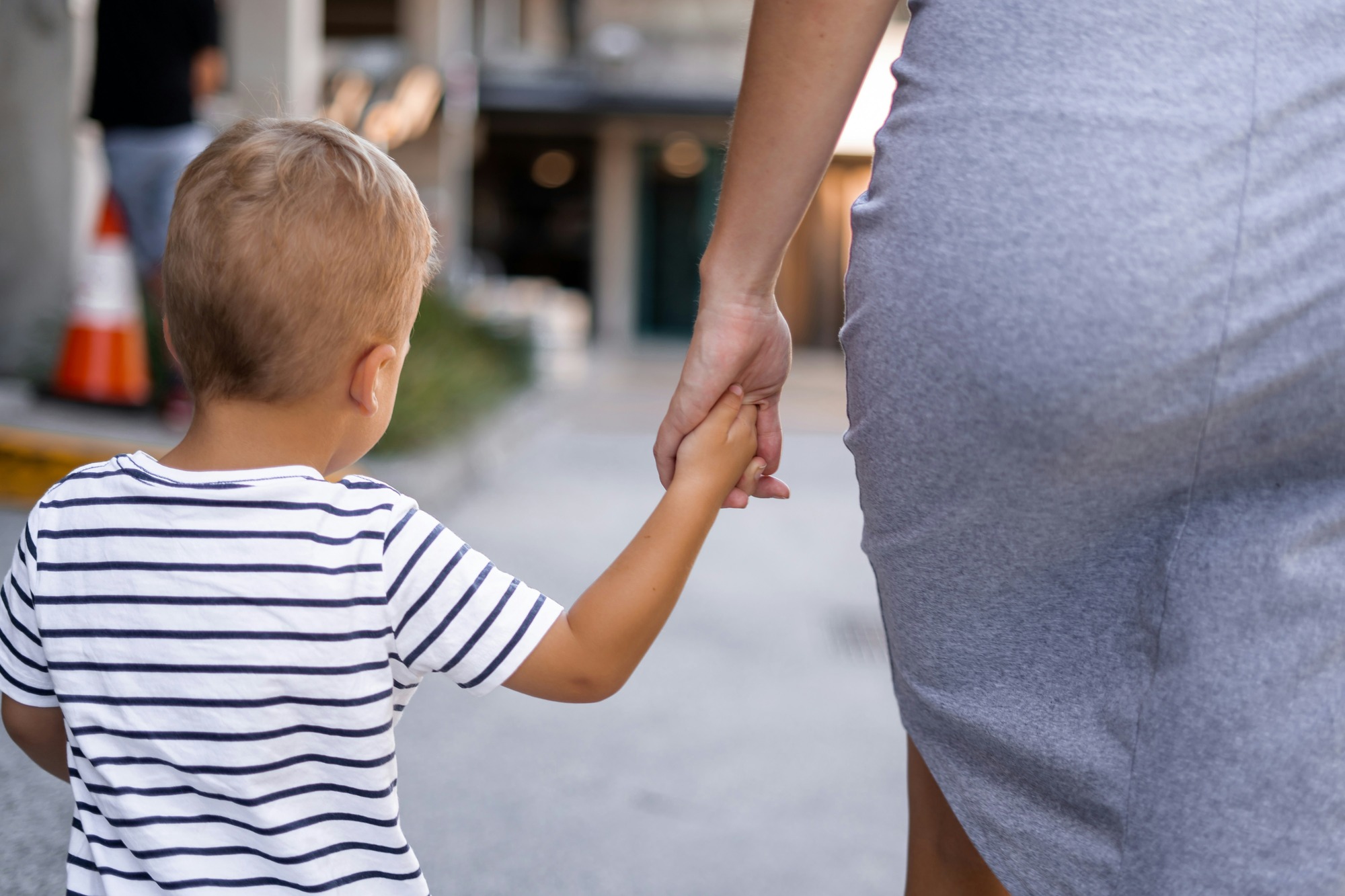
Raising Kids Alone 10 Things Youll Want Ready Just in Case
Image source: 123rf.com

Parenting is a full-time job—but when you’re doing it on your own, it can feel like you’re juggling three jobs at once. Whether you’re a solo parent by choice, circumstance, or transition, there’s an extra layer of responsibility that comes with raising kids alone. It means being the backup plan, the emergency contact, and the decision-maker, all rolled into one. That’s why being prepared isn’t just helpful—it’s essential. Here are 10 things every single parent should have ready just in case life throws a curveball.

1. A Trusted Emergency Contact List

Having a reliable emergency contact list is a must when raising kids alone. Include family, close friends, neighbors, your child’s school, doctor, and any caregivers. Make sure your child knows who these people are and how to reach them if you’re ever unavailable. Post it somewhere visible at home and keep a copy in your child’s backpack. Regularly check in with your listed contacts to confirm they’re still willing and able to help.

2. Legal Guardianship Paperwork

If something were to happen to you unexpectedly, would someone know what to do? Naming a legal guardian ensures your child is cared for by someone you trust. This document should clearly state who will care for your children and include backup options. Keep the paperwork in a safe place and let the appointed guardian know where to find it. When raising kids alone, this step provides peace of mind for both you and your family.

3. A Financial Backup Plan

Emergencies happen—job loss, medical issues, or surprise expenses can hit hard. Create an emergency fund, even if it’s small to start, and consider disability or life insurance to protect your child’s financial future. Automate savings when possible and update your will or beneficiary designations. Being future-focused on your finances makes a huge difference when raising kids alone. You don’t need to be wealthy to be ready—you just need a plan.

4. Copies of Key Documents

Keep copies of your child’s birth certificate, Social Security card, immunization records, and school information organized and accessible. These will be essential in emergencies, during school transfers, or if you need medical care fast. Store physical copies in a secure binder and keep digital backups on a secure cloud platform or USB. Label everything clearly so someone else could use them if needed. Raising kids alone means anticipating moments when someone else may need to step in quickly.

5. A Written Daily Routine

If you were suddenly unable to care for your child for a day or more, would someone else know what to do? Write down your child’s typical schedule, from school hours to meal preferences to bedtime routines. Include any medications or special needs. Keep the document updated and give a copy to trusted backup caregivers. When raising kids alone, this plan helps others care for your child in the way that feels most familiar and comforting.

6. A Support Network (Even a Small One)

You don’t need a huge village—but you do need someone. Build connections with neighbors, other parents, or relatives who can lend a hand in a pinch. Whether it’s picking up your child from school or checking in after a rough day, having people you can count on is critical. Raising kids alone can feel isolating, so make it a priority to reach out and nurture those connections. A little help can go a long way.

7. A “What If I’m Late?” Plan

Traffic jams, work emergencies, or illness can happen. Have a backup plan for who can pick up your child from daycare, school, or aftercare programs if you can’t make it on time. Make sure those people are authorized to do so and that your child is familiar with them. Practice scenarios with your child so they feel safe and confident. When raising kids alone, backup plans aren’t optional—they’re necessary.

8. A Basic First Aid and Emergency Kit

Every household should have a stocked first aid kit and basic emergency supplies. Include child-safe medications, flashlights, water, non-perishable food, and extra phone chargers. Make sure older kids know where the kit is and how to use it if needed. Customize it based on your family’s health needs and local risks. A little preparation goes a long way when you’re the only adult in the house.

9. Digital Safety Protocols

As your child starts using devices or going online, set clear rules and safeguards. Parental controls, password protection, and open conversations about online safety are key. Know your child’s logins, monitor their usage, and teach them what to do if they encounter something uncomfortable. Raising kids alone means you may not always catch things right away—so building trust and digital awareness is crucial. You can’t monitor every moment, but you can empower your child.

10. Self-Care Systems That Actually Work

You can’t pour from an empty cup. Create systems that help you recharge, whether it’s 10 quiet minutes before bed, regular therapy sessions, or a once-a-week babysitter for a break. Make your mental and emotional health a priority so you can show up fully for your child. Raising kids alone is demanding, and burnout is real—but self-care isn’t selfish, it’s survival. Give yourself grace, and take care of you too.

Strong Solo Parenting Starts with Preparation

You may be raising kids alone, but you don’t have to do everything alone. Being prepared for unexpected situations isn’t about expecting the worst—it’s about building peace of mind and stability for your family. These ten steps aren’t about fear, they’re about strength. With the right systems in place, you’ll feel more confident, capable, and ready to handle whatever comes your way. And that’s the kind of calm your child will feel too.

What’s one thing you’ve done that makes raising kids alone a little easier? Share your go-to tips or tools in the comments—we’d love to learn from you!

Read More:

Child Care Checklist: 10 Key Items to Prepare Before an Emergency Hits

Smart Parenting: 11 Rules You Shouldn’t Ignore When Planning for Your Child’s Future

Catherine Reed
Catherine Reed

Catherine is a tech-savvy writer who has focused on the personal finance space for more than eight years. She has a Bachelor’s in Information Technology and enjoys showcasing how tech can simplify everyday personal finance tasks like budgeting, spending tracking, and planning for the future. Additionally, she’s explored the ins and outs of the world of side hustles and loves to share what she’s learned along the way. When she’s not working, you can find her relaxing at home in the Pacific Northwest with her two cats or enjoying a cup of coffee at her neighborhood cafe.

Filed Under: Parenting Tagged With: child safety planning, family emergency planning, parenting organization, preparedness for parents, raising kids alone, single parenting tips, solo parent advice

What to Do If Your Child Gets Lost in a Public Place

May 2, 2025 | Leave a Comment

Image by Luke Pennystan

Your heart drops. Your stomach twists. One minute, your child is by your side in a crowded store or park, and the next—they’re gone. It’s every parent’s worst fear: losing a child in a public space. But while those first seconds are filled with panic, knowing what to do ahead of time can make all the difference.

Children wandering off happens more often than most people think. Whether distracted by a toy display or chasing after something shiny, kids can disappear in the blink of an eye. That’s why preparation, quick action, and a calm mind are essential tools for every parent or caregiver.

Stay Calm and Scan the Area

The moment you realize your child isn’t in sight, take a deep breath. You’ll need a clear head to think critically and act quickly. Start by scanning your immediate surroundings. Children often move in a straight line, so check in the direction they were last walking.

Look under clothing racks, behind displays, or anywhere a small child might duck into. Call their name loudly but calmly. Avoid yelling in a panic, which could scare them further or make it harder for others to understand your situation.

Alert Nearby Staff Immediately

Whether you’re in a store, amusement park, museum, or airport, alert an employee right away. Staff are usually trained for these scenarios and can trigger a code alert, lock doors, or initiate a search procedure.

Give a clear and specific description of your child: their age, height, hair color, clothing, and any distinguishing features. Mention any nickname they might respond to and where you last saw them. The faster you report them missing, the faster a coordinated effort can begin.

Enlist the Help of Bystanders

Don’t be afraid to speak up and ask for help from those around you. The more eyes you have looking, the better. Describe your child to other nearby adults and ask them to help search. In crowded areas, enlist people to guard exits in case your child is wandering.

Most parents will jump at the chance to help another family in distress. Kind strangers can play a crucial role in expanding your search perimeter quickly.

Stay in One Spot (If That Was the Agreed Meeting Point)

If you’ve previously discussed a meeting point with your child, such as a front desk or entrance sign, stay close to that area. Many children remember to go back to the spot where they last saw you or where they were told to go if they got separated.

If you haven’t discussed a plan in advance, consider making that part of your family safety talks from now on. Children respond well to repetition and routine—and having a plan gives them power.

Image by Kelli McClintock

Notify Security or Law Enforcement if Needed

If your child isn’t located within a few minutes and you’re in a large venue or outdoor space, escalate the situation. Contact local security or police and provide a full description, including any digital photo you may have on your phone. Don’t wait until it “feels serious”—authorities would rather respond to a false alarm than a delayed emergency.

Most public places have security cameras, and time is your ally. The sooner they’re informed, the faster they can review footage, scan exits, and begin a coordinated effort to reunite you with your child.

Teach Your Child What to Do If They Get Lost

Prevention is key, and the best way to keep your child safe is by preparing them before a separation ever happens. Teach them these simple, memorable tips:

  • Stay in one place.
  • Look for a safe adult—like a cashier, employee in uniform, or a parent with children.
  • Never leave the building or area to look for you.
  • Know your full name, phone number, and what you’re wearing.

Practicing these steps at home and during outings can make them second nature in a real emergency.

Use Preventive Tools and Techniques

In busy environments, take small precautions to reduce the risk of losing your child. Dress them in bright colors, take a photo of them before leaving the house, and use temporary ID tattoos or bracelets with your contact info.

For toddlers, consider using child harnesses or wristbands if you’re in especially busy locations like airports or amusement parks. It may feel excessive, but if it brings peace of mind and safety, it’s worth considering.

Also, remind kids that if they ever feel lost, staying put and yelling your name is better than wandering or hiding.

After the Reunion: Decompress and Reassure

When your child is safely back in your arms, both of you may be shaken. Take a few moments to hug them, let them cry, and process the moment. Resist the urge to scold them. Instead, focus on reassuring them that they’re safe and that you’re proud of them for handling the situation.

Later, you can calmly talk about what happened and go over what to do differently next time. This helps them learn without fear or guilt.

A lost child moment is every parent’s nightmare, but being prepared turns panic into power. With quick thinking and clear action, reunions happen faster and safer.

Have you ever lost sight of your child in public? What did you do, and what helped the most?

Read More:

13 Essential Safety Tips for Parents When Kids Are Spending the Night With Friends

7 Ways to Teach Kids to Trust Their Instincts About Safety

Filed Under: Parenting Tagged With: child protection, child safety, crowd safety for kids, family emergency planning, lost child tips, missing child, parenting advice, parenting hacks, public safety, what to do if child gets lost

  • Facebook
  • Pinterest
  • RSS
  • Twitter

Basic Principles Of Good Parenting

Here some basic principles for good parenting:

  1. What You Do Matters: Your kids are watching you. So, be purposeful about what you want to accomplish.
  2. You Can’t be Too Loving: Don’t replace love with material possessions, lowered expectations or leniency.
  3. Be Involved Your Kids Life: Arrange your priorities to focus on what your kid’s needs. Be there mentally and physically.
  4. Adapt Your Parenting: Children grow quickly, so keep pace with your child’s development.
  5. Establish and Set Rules: The rules you set for children will establish the rules they set for themselves later.  Avoid harsh discipline and be consistent.
  6. Explain Your Decisions: What is obvious to you may not be evident to your child. They don’t have the experience you do.
  7. Be Respectful To Your Child: How you treat your child is how they will treat others.  Be polite, respectful and make an effort to pay attention.
Best Parenting Blogs

Most Popular

Baby

9 Unusual Baby Names That Sound Like They Belong to Future CEOs

Evan Morgan
Baby

10 Baby Names That Were Once Considered “Grandparent Names” but Feel Cool Again

Evan Morgan
Target Store

Choking Incident Prompts Recall of 49,000 Target Gigglescape “Under the Sea” Popping Toys

Evan Morgan
Frustrated Girl

Why Some Students on the Spectrum Are Labeled With ODD

Evan Morgan
Coke Bottles

12 Things Kids Took to School in the ’70s That Would Never Be Allowed Today

Evan Morgan

All content on Kids Ain’t Cheap is for entertainment purposes only. By reading this blog, you agree that Kids Ain’t Cheap is not responsible for any actions taken after reading this blog. For the full disclaimer, see our privacy policy.

Please note that Kids Ain’t Cheap has financial relationships with some of the merchants mentioned here. Kids Ain’t Cheap is funded by banner advertising, commission sales and search optimization consulting.

Copyright © 2006–2026 | District Media | All Rights Reserved | Privacy Policy

Copyright © 2026 Runway Pro Theme by Viva la Violette