If you’re parenting a toddler, chances are you’ve witnessed the phenomenon known as “grazing.” Instead of eating three solid meals a day, toddlers often prefer to snack—constantly. One bite here, two bites there, and then they’re off running again. It can be chaotic, frustrating, and surprisingly normal.
But grazing doesn’t have to mean goldfish crackers and endless puffs. With a little planning, you can stock your home with healthy toddler foods that support their development and keep their tiny tummies satisfied. Let’s explore some nutritious options, smart tips, and sanity-saving strategies to fuel your snack-happy kid.
Understanding Why Toddlers Graze
Toddlers are built for small, frequent meals. Their stomachs are tiny—about the size of their fist—and their energy needs are surprisingly high for their size. Add in constant movement and ever-changing moods, and you’ve got the perfect recipe for unpredictable eating.
Grazing isn’t inherently bad, but it’s important to make those snack moments count. Replacing sugar-filled or overly processed foods with nutrient-dense options can help your toddler thrive without constant sugar spikes and crashes.
What Makes a Good Grazing Snack?
The key to a healthy toddler snack is balance. Ideally, you want to combine at least two food groups: protein, healthy fat, fiber-rich carbs, or fruits and veggies. These combos keep your child full longer, fuel their brain and body, and avoid the constant “I’m hungry” cycle.
Think of each snack as a mini-meal. You’re not just silencing hunger. You’re offering nutrition in small, approachable portions.
Smart Snack Staples for Grazing Toddlers
Here are some healthy go-to foods that require little prep and are perfect for grazing kids:
1. Sliced fruits with a protein dip
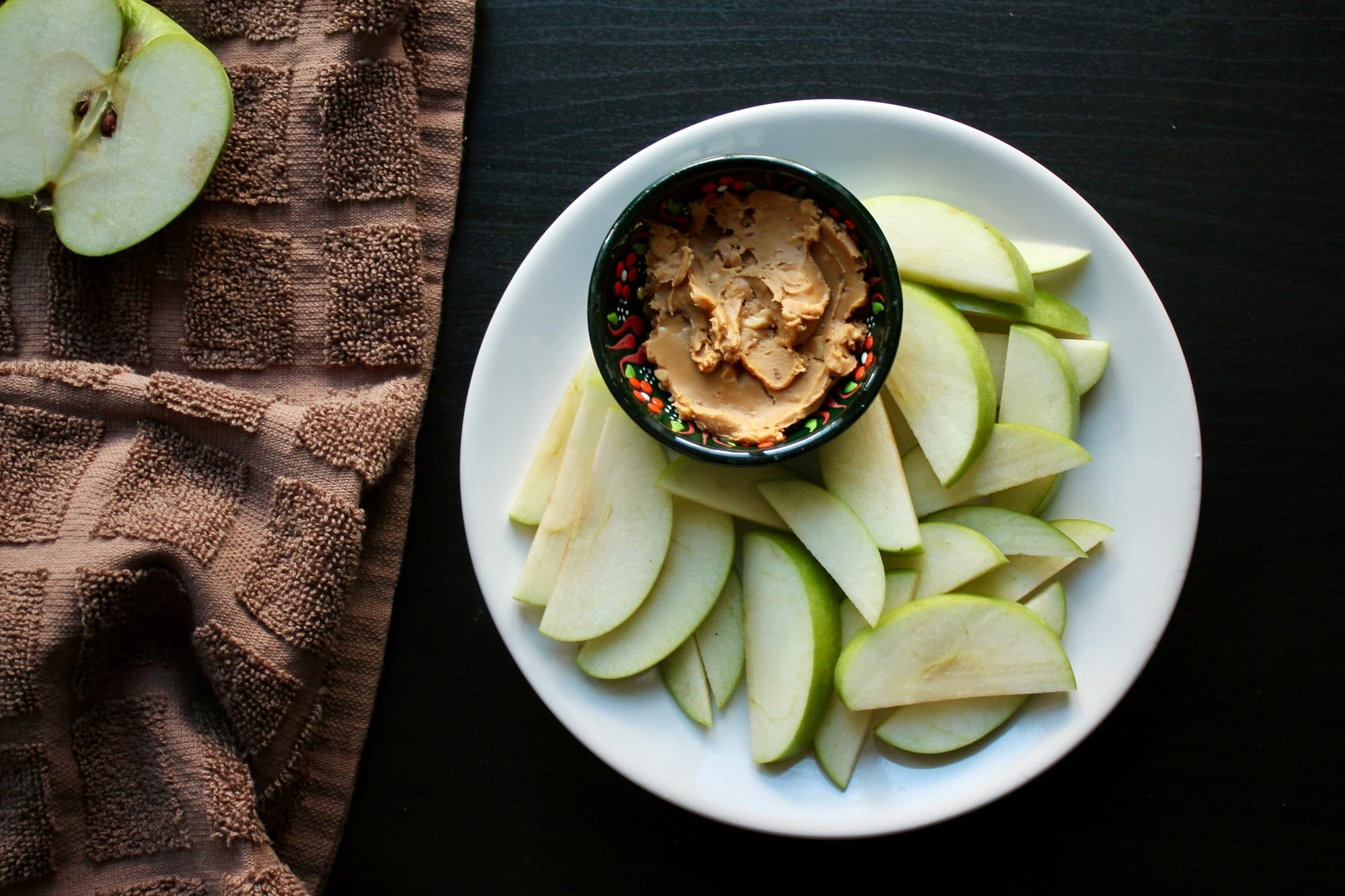
Think apple slices with peanut butter or banana with Greek yogurt. The fruit provides natural sugar and fiber, while the dip adds protein and healthy fat.
2. Whole grain crackers with cheese
The carbs in crackers give toddlers energy, and cheese brings in calcium, protein, and fat. Try low-sodium options when possible.
3. Hummus and veggie sticks
Carrot sticks, bell peppers, cucumbers, or even mild-tasting steamed broccoli go great with toddler-safe hummus (low garlic/salt).
4. Hard-boiled eggs
Easy to prep ahead, slice into halves or quarters for safer bites. Eggs are protein-packed and great brain food.
5. Mini yogurt parfaits
Use unsweetened Greek yogurt, a sprinkle of oats, and mashed berries. It feels like a treat, but it’s totally nutritious.
6. Avocado toast fingers
Mash avocado on whole grain bread, cut into small squares or fingers. Add a sprinkle of chia seeds or grated cheese for extra punch.
7. Cottage cheese with soft fruits
Cottage cheese is mild and protein-rich. Pair it with soft fruits like peaches, mangoes, or blueberries for added fiber.
8. Nut butter on rice cakes
Perfect for older toddlers who can safely chew. Use natural nut butters and cut the cakes into smaller pieces.
9. Smoothies in a reusable pouch or cup
Blend banana, spinach, yogurt, and a little nut butter into a smooth consistency. Sneak in greens without a fuss.
10. Homemade oat bites
Mix oats, nut butter, mashed banana, and a few chia seeds into no-bake “bites” you can keep in the fridge for grab-and-go snacks.
How to Structure Snack Time Without a Battle
Even if your toddler grazes, setting some loose structure helps avoid non-stop snacking that ruins meals. Create a rhythm: snack mid-morning, mid-afternoon, and (if needed) after dinner.
Offer snacks at the table or a designated “snack zone” rather than on the go. This reinforces mealtime routines and helps prevent picky eating or boredom snacking.
Let Them Help Choose
Kids are more likely to eat what they’ve helped pick. You don’t need to offer a full buffet. Just two options. “Would you like yogurt or cheese?” It gives toddlers a sense of control without turning into a power struggle.
Also, keep a low shelf in your fridge or pantry with pre-approved snack options. When toddlers can choose something on their own, it boosts independence and reduces the constant “What can I eat?” question.
Be Patient with Preferences
One day, your child loves blueberries; the next, they act like you’ve fed them poison. This is totally normal. Keep offering a variety of healthy foods without pressure.
Exposure is key. The more often they see, touch, and taste a food, even if they don’t eat it, the more likely they are to accept it over time.
Snacks Are an Opportunity, Not a Nuisance
Snacks aren’t just filler. They’re a major part of your toddler’s nutrition. Embracing grazing with healthy choices gives you a chance to nourish them throughout the day in ways they’ll actually accept.
With a little preparation and the right mindset, snack time can stop being a constant battle and start being a chance to fuel your growing child with foods that support their energy, development, and, yes, even their moods.
What’s your toddler’s favorite healthy snack? Or what’s the one snack you wish they’d stop asking for?
Read More:
13 Healthy Snack Ideas for Kids (Help Them Avoid the Snack Machine)
Stop Buying This: 6 Food Items That We Think Are Healthy but Are Bad for Our Children
