• Home
  • About Us
  • Archives
  • Contact Us
  • Advertise
  • Privacy Policy

Kids Ain't Cheap

But They Sure Are Worth It

  • Home
  • Toolkit
  • Parenting
    • Baby Stuff
    • Books and Reading
      • Aesops Fables
      • Comic Books
    • Education
    • Family Time
    • Green Living
    • Growing Up
    • Healthy Living & Eating
    • Holidays
    • Parenting
    • Random Musings
    • Shopping
    • Stuff to Do
  • Money
  • Product Reviews
    • Books and Magazines
    • Discount Sites
    • Furniture
    • House Keeping
    • Reviews News
    • Toys and Games
  • Search

Why Are So Many Kids Struggling to Hold a Pencil Properly?

October 6, 2025 | Leave a Comment

Why Are So Many Kids Struggling to Hold a Pencil Properly?

Image source: 123rf.com

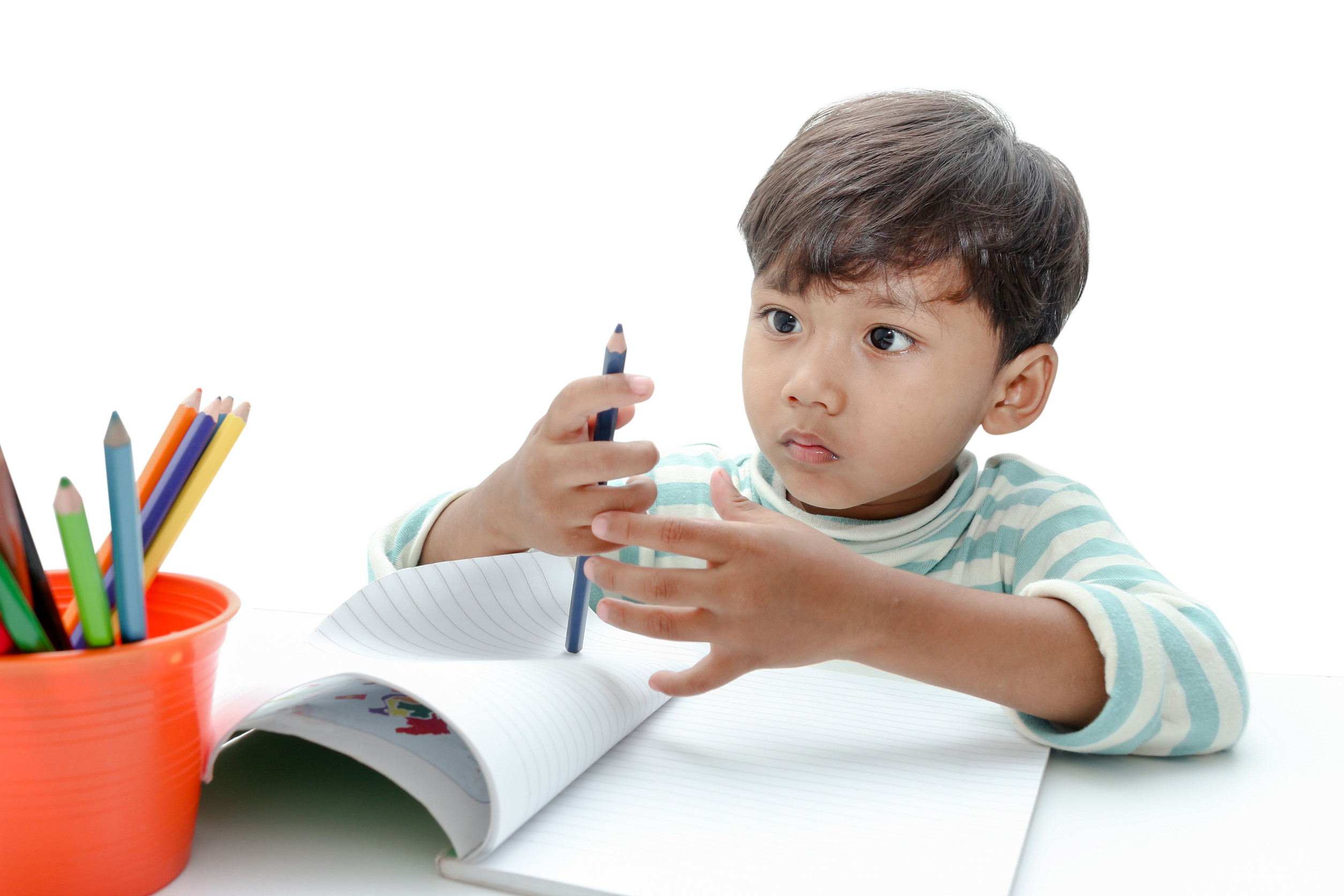
Teachers and parents alike are noticing that a surprising number of children enter school unable to hold a pencil properly. This skill, once taken for granted as a natural part of early childhood, is becoming less common. The reasons behind the shift are complex, involving technology use, changes in playtime, and even shifting educational priorities. While handwriting might seem less important in today’s digital world, fine motor skills tied to pencil grip are essential for overall development. Understanding why kids are struggling is the first step toward finding practical solutions.

1. Early Tablet and Phone Use Reduces Grip Practice

Many kids spend more time swiping screens than scribbling on paper. Tablets and smartphones do not require the same fine motor skills needed to hold a pencil properly. Instead of strengthening finger muscles and practicing coordination, children are relying on broad gestures like tapping or dragging. This lack of physical practice makes gripping a pencil feel awkward or tiring when they finally try it. Parents may not realize that too much screen time can have such a direct impact on handwriting readiness.

2. Less Outdoor Play Affects Hand Strength

Climbing, digging, and swinging are more than just fun—they build strength and coordination in the arms and hands. When kids have fewer opportunities for outdoor play, their muscles develop differently. Without this foundation, they struggle to hold a pencil properly for extended writing tasks. Fine motor skills depend on gross motor strength, and reduced playtime often leads to weak or unsteady grips. The shift from playgrounds to indoor activities has played a big role in this challenge.

3. Preschools Focus More on Academics Than Motor Skills

Some early childhood programs push academic readiness over hands-on exploration. Instead of cutting, coloring, or playing with blocks, children may be asked to work on early reading or math skills. These academic-first approaches unintentionally neglect the practice kids need to hold a pencil properly. Fine motor activities are essential stepping stones that prepare children for handwriting. Skipping them in favor of more structured academics can delay essential development.

4. Toys Have Changed Over the Years

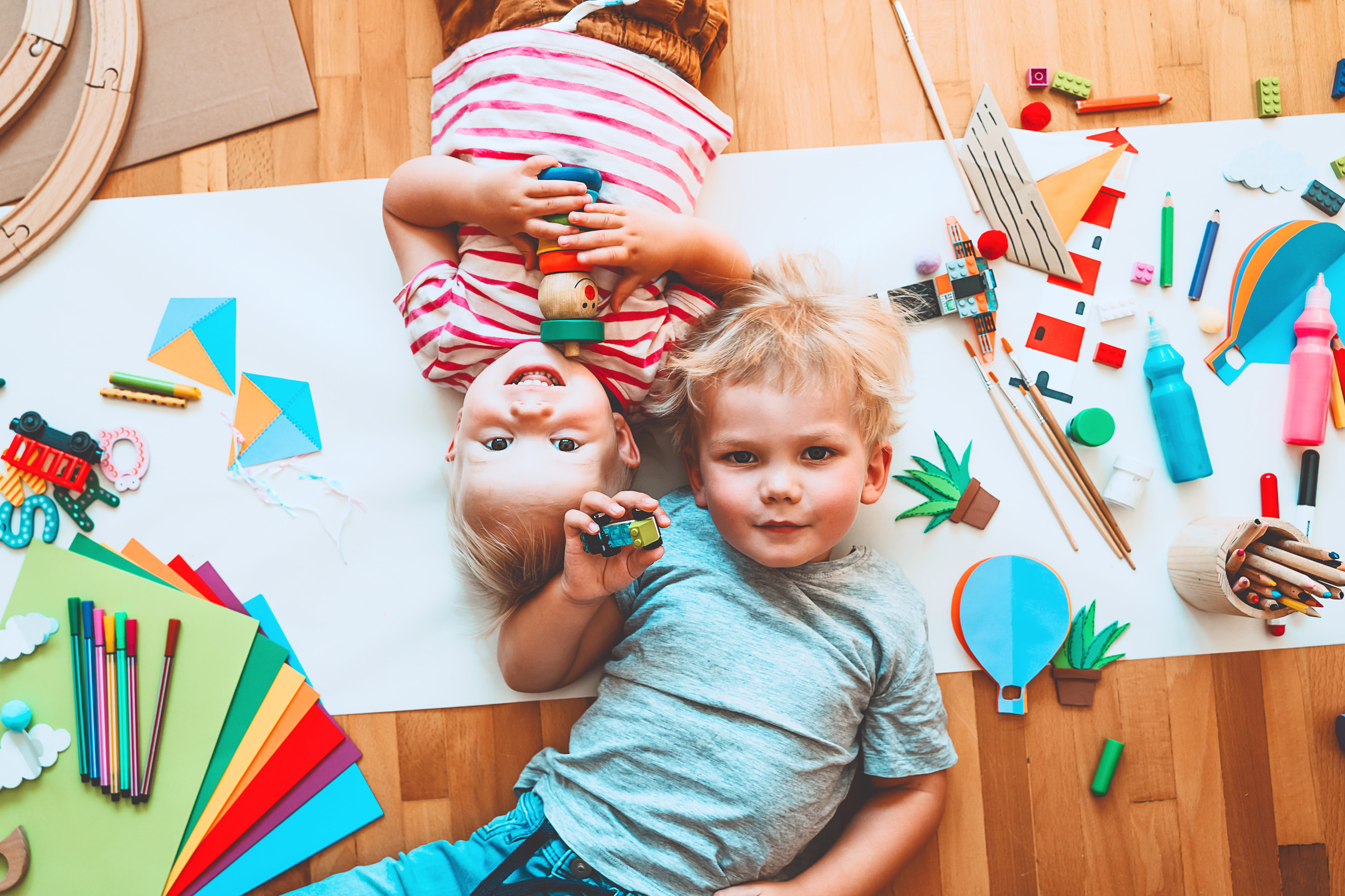
Building blocks, clay, and puzzles once dominated playrooms, but many modern toys require less manipulation. Battery-powered gadgets often do the work for children, limiting their need to squeeze, twist, or build with their hands. Without these challenges, kids miss opportunities to strengthen the small muscles needed to hold a pencil properly. The rise of “easy play” toys reduces skill-building in ways parents may not notice. Traditional toys still provide unmatched benefits for developing motor control.

5. Increased Reliance on Keyboards and Typing

Schools and parents alike often prioritize typing skills over handwriting in an effort to prepare kids for a digital future. While typing is useful, it does not develop the same motor control or dexterity as writing by hand. Kids who spend more time at keyboards may not practice enough to hold a pencil properly with ease. This imbalance creates a noticeable gap in fine motor development. Even in a tech-driven world, handwriting remains an important skill for brain development and learning.

6. Children Experience More Hand Fatigue

When kids lack the muscle strength and coordination to hold a pencil properly, they tire out quickly. Writing becomes frustrating, and many children avoid it altogether. This creates a cycle where the lack of practice further delays improvement. Teachers often see students reluctant to write not because of a lack of ideas, but because holding the pencil feels uncomfortable. Hand fatigue is a clear signal that children need more support in building foundational skills.

7. Parents and Teachers Often Miss Early Warning Signs

Many parents assume kids will naturally learn to hold a pencil properly over time. However, if grip issues are not addressed early, they can become ingrained habits. Teachers may not always have the time to correct each child’s hold, especially in large classrooms. By the time the problem is noticed, kids may already feel self-conscious about their handwriting struggles. Early intervention, even through playful activities at home, can make a big difference.

Helping Kids Build Stronger Writing Foundations

The growing number of children who cannot hold a pencil properly shows how much childhood routines have changed. Thankfully, small shifts like encouraging outdoor play, limiting screen time, and introducing hands-on toys can rebuild these essential skills. Parents and teachers who focus on strengthening fine motor development help kids write with confidence. Handwriting may not dominate the future, but the ability to hold a pencil remains vital for learning, creativity, and communication. Addressing the issue now ensures children develop the skills they need for school and beyond.

Have you noticed children in your life struggling to hold a pencil properly? Share your experiences and insights in the comments below.

What to Read Next…

9 Ways Modern Classrooms Are Disrupting Childhood Focus

Do Family Screen Time Rules Invite Emotional Manipulation?

7 Reasons “Screen Time” Studies Are Misleading Parents

10 Reasons Today’s Report Cards Are Harder to Understand

5 Unintended Consequences Of Keeping A Child Sheltered

Catherine Reed
Catherine Reed

Catherine is a tech-savvy writer who has focused on the personal finance space for more than eight years. She has a Bachelor’s in Information Technology and enjoys showcasing how tech can simplify everyday personal finance tasks like budgeting, spending tracking, and planning for the future. Additionally, she’s explored the ins and outs of the world of side hustles and loves to share what she’s learned along the way. When she’s not working, you can find her relaxing at home in the Pacific Northwest with her two cats or enjoying a cup of coffee at her neighborhood cafe.
Filed Under: Education Tagged With: child development, childhood play, education, Fine Motor Skills, handwriting skills, hold a pencil properly, parenting tips, preschool readiness

10 Easy Crafts for Little Hands

June 11, 2025 | Leave a Comment

10 Easy Crafts for Little Hands

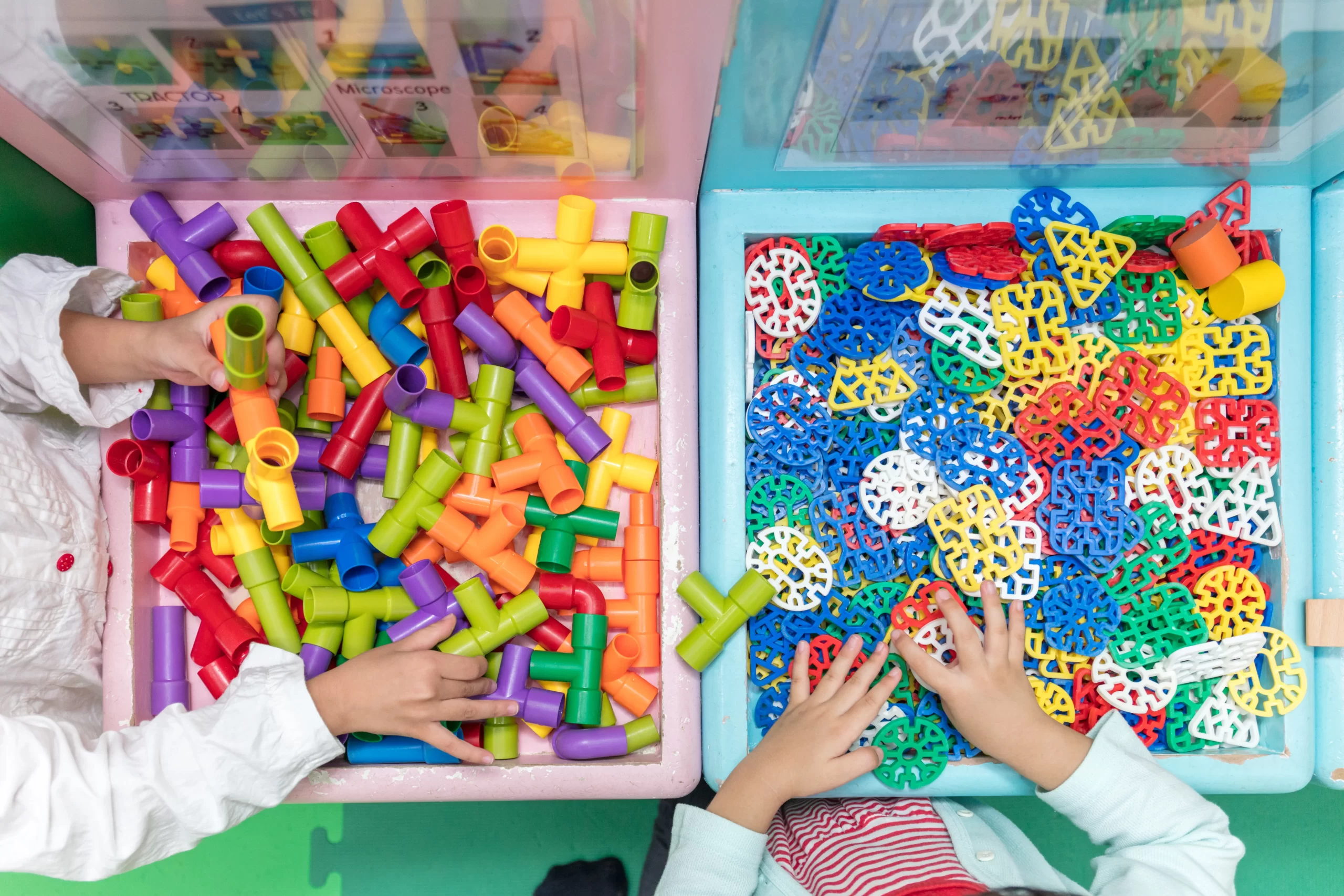
Keeping toddlers and preschoolers entertained can be a challenge, especially when you’re looking for activities that don’t require a trip to the store or an art degree. That’s where these easy crafts for little hands come in. They’re simple, fun, and perfectly designed for short attention spans and small fingers. Whether it’s a rainy day indoors or a weekend afternoon project, these crafts help boost creativity, fine motor skills, and confidence. Best of all, they’re made with materials you probably already have lying around.

1. Paper Plate Animals

Paper plates are the perfect blank canvas for little ones to explore their wild side. Whether it’s a lion with a yarn mane, a pig with a button snout, or a fish covered in glitter, there’s no limit to the imagination. These easy crafts for little hands require only basic supplies like glue, markers, and scissors. Let your child choose their favorite animal and get creative with textures and colors. It’s a fun way to introduce the idea of combining shapes and features to make something new.

2. Handprint Flowers

A classic for a reason, handprint flowers are adorable keepsakes and great sensory fun. Kids dip their hands in paint and stamp them on paper to create colorful petals. Add green stems and leaves, and you’ve got a bouquet that never wilts. These easy crafts for little hands are perfect for Mother’s Day, birthdays, or just because. It’s also a great way to talk about seasons, colors, and family.

3. Cardboard Tube Binoculars

Save those empty toilet paper rolls—they’re the key to a super simple craft that inspires adventure. Tape or glue two rolls together side by side, then let your child decorate them with stickers, markers, or washi tape. Add a yarn strap so they can hang them around their neck. These easy crafts for little hands double as a prop for imaginative play. Go on a backyard safari or pretend to be a pirate scouting for treasure.

4. Cotton Ball Snowmen

You don’t need cold weather to build a snowman with your child. Just gather some cotton balls, construction paper, glue, and markers. Kids love gluing the fluffy balls onto a snowman outline, then adding hats, scarves, and silly faces. These easy crafts for little hands help with fine motor skills and allow lots of personal flair. It’s a fun winter activity that won’t melt away.

5. Sticker Story Scenes

Grab a blank sheet of paper and a pack of themed stickers—animals, vehicles, or fairy tales work great. Ask your child to create a story by placing stickers on the page and adding details with crayons or markers. Then sit down and let them tell you their story. These easy crafts for little hands encourage both storytelling and creativity. It’s also a sneaky way to build language skills while crafting.

6. Egg Carton Critters

Cut apart an egg carton and turn each cup into a miniature bug or animal. With a little paint, pipe cleaners, and googly eyes, your child can create a caterpillar, turtle, or even a spider. These easy crafts for little hands are great for recycling while also introducing kids to the world of insects and animals. Let your child pick the creature and take the lead on decorating it however they want. The texture of the carton adds a cool sensory element, too.

7. Popsicle Stick Puppets

A handful of popsicle sticks plus some paper, glue, and markers equals hours of entertainment. Kids can draw and cut out their favorite characters, animals, or even family members, then glue them to the stick to create puppets. These easy crafts for little hands can be used for puppet shows, storytelling, or pretend conversations. Bonus: making puppets can help shy kids express themselves through play. Keep a shoebox theater on hand for spontaneous performances.

8. Sponge Painting Shapes

Cut kitchen sponges into basic shapes—stars, hearts, circles—and let kids dip them into paint for stamping fun. The sponge texture is easy for small hands to grip and creates a cool, soft print on paper. These easy crafts for little hands are great for teaching shapes, colors, and patterns. It’s also a great opportunity for some messy, hands-on fun that doesn’t require precision. Keep wet wipes nearby, and let the creativity flow.

9. Button Collages

Dump out a container of spare buttons, hand your child a glue stick and a piece of sturdy paper, and let them go wild. Kids can sort buttons by color or size, arrange them into designs, or create abstract art. These easy crafts for little hands offer a tactile way to develop fine motor control and sensory exploration. It’s also a relaxing, low-prep activity for quieter days. Add a name and date, and you’ve got a memory worth saving.

10. Shape Monsters

Cut out a variety of construction paper shapes—triangles, circles, squares—and give them to your child with glue and a monster outline. Encourage them to use the shapes as eyes, teeth, or funny limbs to make their very own monster. These easy crafts for little hands are a great way to learn about geometry while letting imaginations run wild. The sillier the monster, the better. Don’t forget to give it a fun name!

Creating More Than Just Crafts

When you sit down with your child to create, you’re doing so much more than making a cute project. You’re building confidence, sparking curiosity, and spending meaningful time together. These easy crafts for little hands offer more than a few minutes of entertainment—they create memories, laughter, and a love of learning. So grab those glue sticks and get crafting.

What’s your child’s favorite craft to make at home? Share their top pick—or your go-to supply—in the comments below!

Read More:

10 Screen-Free Activities to Keep Kids Entertained

Summer Fun Without the Sunburn: Indoor Activities Kids Love

Catherine Reed
Catherine Reed

Catherine is a tech-savvy writer who has focused on the personal finance space for more than eight years. She has a Bachelor’s in Information Technology and enjoys showcasing how tech can simplify everyday personal finance tasks like budgeting, spending tracking, and planning for the future. Additionally, she’s explored the ins and outs of the world of side hustles and loves to share what she’s learned along the way. When she’s not working, you can find her relaxing at home in the Pacific Northwest with her two cats or enjoying a cup of coffee at her neighborhood cafe.
Filed Under: Parenting Tagged With: creative play, DIY kids activities, easy crafts for little hands, Fine Motor Skills, fun crafts for kids, indoor activities for kids, preschool crafts, toddler crafts

Why Sensory Bins Are Crucial for Your Child’s Development!

July 30, 2024 | Leave a Comment

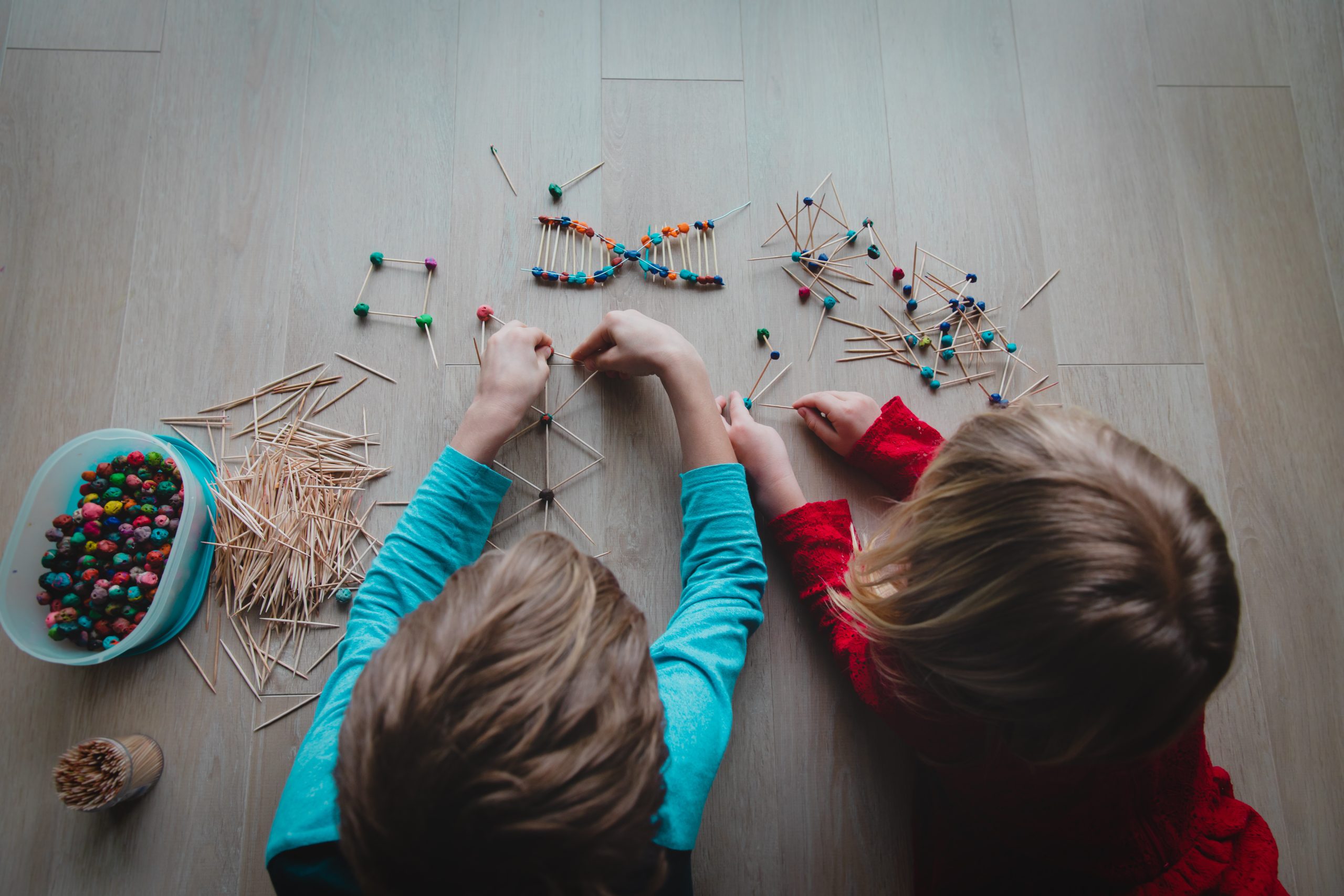
Sensory bins are more than just a fun activity for children; they play a significant role in early childhood development. These bins, filled with various materials and objects, stimulate the senses and provide numerous learning opportunities. Why are sensory bins important for your child’s development? We’ll dive into it in this article.

Enhancing Fine Motor Skills

Sensory bins help enhance fine motor skills as children manipulate small objects, scoop, pour, and sort materials. These activities strengthen hand muscles and improve coordination. Regular interaction with sensory bins can lead to better handwriting, cutting, and other tasks requiring fine motor control.

Promoting Cognitive Development

Engaging with sensory bins encourages cognitive development through problem-solving and critical thinking. Children explore different textures, shapes, and sizes, learning to categorize and differentiate objects. This hands-on exploration helps build their understanding of the world and enhances memory and attention to detail.

Encouraging Language Development

Sensory play is a great way to boost language development. As children describe what they feel, see, and do, they expand their vocabulary and improve their communication skills. Asking open-ended questions about their sensory experiences can further enhance language development and encourage expressive speech.

Supporting Emotional Regulation

Bins like these can provide a calming effect and help children regulate their emotions. The repetitive actions involved in sensory play, like pouring and sifting, can be soothing and help reduce anxiety. This calming influence can improve focus and attention, making it easier for children to manage their emotions.

Fostering Social Skills

123rf

Playing with sensory bins can also foster social skills. When children share a sensory bin, they learn to take turns, cooperate, and communicate with others. Group sensory activities encourage teamwork and can build stronger peer relationships, enhancing social development.

Stimulating Creativity and Imagination

Sensory bins stimulate creativity and imagination as children explore and create their own play scenarios. Using a variety of materials encourages them to think outside the box and come up with unique ways to interact with the sensory bin contents. This imaginative play is essential for cognitive and social development.

Developing Sensory Processing Skills

Sensory bins are particularly beneficial for children with sensory processing issues. They provide a controlled environment where children can safely explore different sensory inputs. Regular sensory play can help these children become more comfortable with various textures and sensations, improving their sensory processing abilities.

Integrating Learning Themes

These bins can be tailored to fit educational themes, making learning more engaging and hands-on. For example, a sensory bin with letters and numbers can reinforce literacy and numeracy skills. Themed sensory bins can make abstract concepts more concrete, aiding in better understanding and retention.

Creating Opportunities for Bonding

Parents and caregivers can use sensory bins as a bonding activity. Participating in sensory play together strengthens the parent-child relationship and provides quality time for interaction. It also offers parents insight into their child’s interests and developmental progress.

Embracing Holistic Development

Incorporating these into your child’s routine can provide numerous developmental benefits, answering the question “why are sensory bins important?” From enhancing fine motor skills to fostering creativity and emotional regulation, sensory bins offer a versatile and effective tool for holistic child development. Embrace the power of sensory play to support your child’s growth and learning in a fun and engaging way.

Latrice Perez

Latrice is a dedicated professional with a rich background in social work, complemented by an Associate Degree in the field. Her journey has been uniquely shaped by the rewarding experience of being a stay-at-home mom to her two children, aged 13 and 5. This role has not only been a testament to her commitment to family but has also provided her with invaluable life lessons and insights.  As a mother, Latrice has embraced the opportunity to educate her children on essential life skills, with a special focus on financial literacy.

Filed Under: Money and Finances Tagged With: child development, Cognitive Development, Early Childhood Education, Emotional Regulation, Fine Motor Skills, Language Skills, Sensory Bins, Sensory Play

  • Facebook
  • Pinterest
  • RSS
  • Twitter

Basic Principles Of Good Parenting

Here some basic principles for good parenting:

  1. What You Do Matters: Your kids are watching you. So, be purposeful about what you want to accomplish.
  2. You Can’t be Too Loving: Don’t replace love with material possessions, lowered expectations or leniency.
  3. Be Involved Your Kids Life: Arrange your priorities to focus on what your kid’s needs. Be there mentally and physically.
  4. Adapt Your Parenting: Children grow quickly, so keep pace with your child’s development.
  5. Establish and Set Rules: The rules you set for children will establish the rules they set for themselves later.  Avoid harsh discipline and be consistent.
  6. Explain Your Decisions: What is obvious to you may not be evident to your child. They don’t have the experience you do.
  7. Be Respectful To Your Child: How you treat your child is how they will treat others.  Be polite, respectful and make an effort to pay attention.
Best Parenting Blogs

Copyright © 2025 Runway Pro Theme by Viva la Violette