
For many Baby Boomers, becoming a grandparent feels like the natural next step in life. When adult children delay—or decide against—starting families of their own, it can stir up disappointment, confusion, even grief.
Yet Millennials and Gen Z face economic pressures and lifestyle shifts Boomers never imagined. Is it fair, then, to hold fast to grandparents’ expectations? Below, we unpack why assumptions about grandchildren deserve a rethink—and how letting go can keep families closer.
Why Expectations Around Grandkids Have Changed
Housing prices and child‑care fees have skyrocketed, and U.S. student‑loan debt tops $1.7 trillion. Layer in unstable job markets and the high emotional load of modern parenting, and many couples reprioritize—or postpone—having children altogether.
Boomers’ Close Ties Can Heighten Pressure
Boomers spend more time and money helping adult kids than previous generations did. That closeness can fuel hopes for grandkids. Remember, though: emotional proximity doesn’t guarantee identical life goals. Respecting your child’s autonomy preserves the very bond you value.
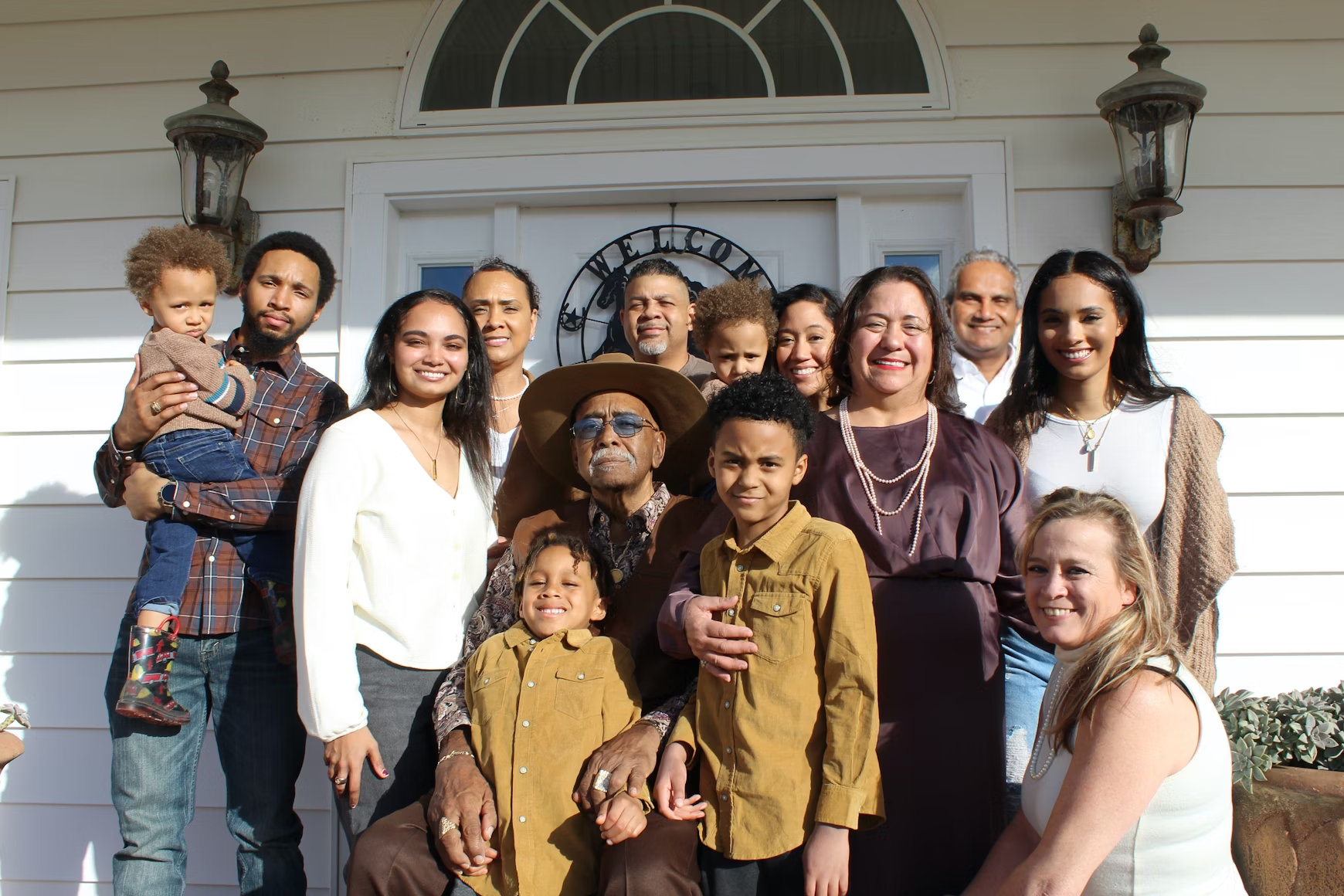
Not All Families Look the Same—and That’s Okay
Some adult children are child‑free by choice; others quietly struggle with infertility. Silent expectations compound stress. Embracing diverse family forms—step‑grandchildren, foster kids, or “honorary grands” through community mentoring—broadens what legacy can look like and keeps love at the center.
Estrangement and Unspoken Hurt
Roughly 20% of parents experience estrangement from an adult child, according to a national AARP survey. Pressure to deliver grandkids can widen rifts if underlying issues—boundary conflicts, past hurts—remain unaddressed. Rebuilding trust often starts with listening rather than lobbying for babies.
Finding Meaning in the “In‑Between” Years
Waiting for a baby that may never arrive can leave a void. Fill it intentionally. Channel the same anticipation you once pictured for diaper duty into pursuits that knit generations together right now. Offer to pass down a family recipe over FaceTime, digitize old photo albums, or help your adult child knock out their to‑do list on moving day. Acts that lighten their load today speak louder than dreaming aloud about toddlers tomorrow. When they feel supported rather than judged, the door to future possibilities—baby‑related or not—stays propped open.
Open, Ongoing Conversations Heal More Than Time
Tension around unrealized expectations often festers in silence. Set aside a calm moment to ask, with genuine curiosity, how your children envision the next five years and what support would be welcome. Listen without crafting rebuttals. If emotions still run high, a neutral family therapist or structured “mediated conversation” can untangle misunderstandings before they calcify. Finally, cultivate your own peer network—friends, volunteer groups, or grandparenting forums—where you can process feelings openly. Sharing stories with others on similar journeys normalizes the experience and reminds you that love, not lineage, is the heart of family.
Grandparenting Isn’t One‑Size‑Fits‑All
Even when infants arrive, roles vary. Some Boomers become full‑time caregivers; others visit occasionally. Respect your adult child’s parenting philosophy and logistical limits. Offering help—rather than insisting—signals support without overstepping.
Crafting a Legacy Beyond Biology
Grandchildren can be a joy, but they aren’t the sole measure of a life well‑lived. Volunteering, sharing family history, or funding a grand‑niece’s education all transmit values forward. Letting go of rigid endpoints frees you to invest in relationships you already have.
Key Takeaways for Boomers
- Acknowledge today’s realities. Finances, climate anxiety, and career demands reshape family planning.
- Communicate openly—without pressure. Ask about your child’s dreams before assuming they mirror yours.
- Broaden the definition of legacy. Mentorship, philanthropy, and storytelling pass wisdom along, grandkids or not.
Join the Conversation
Have you talked with your adult children about family planning? How did you keep the discussion judgment‑free? Share your experience below—your insight could help another family navigate the same crossroads.
Read More
- How Do You Teach Kids About Consent and Boundaries?
- 8 Things Grandparents Wish Their Grandkids Wanted to Do With Them

Samantha Warren is a holistic marketing strategist with 8+ years of experience partnering with startups, Fortune 500 companies, and everything in between. With an entrepreneurial mindset, she excels at shaping brand narratives through data-driven, creative content. When she’s not working, Samantha loves to travel and draws inspiration from her trips to Thailand, Spain, Costa Rica, and beyond.
