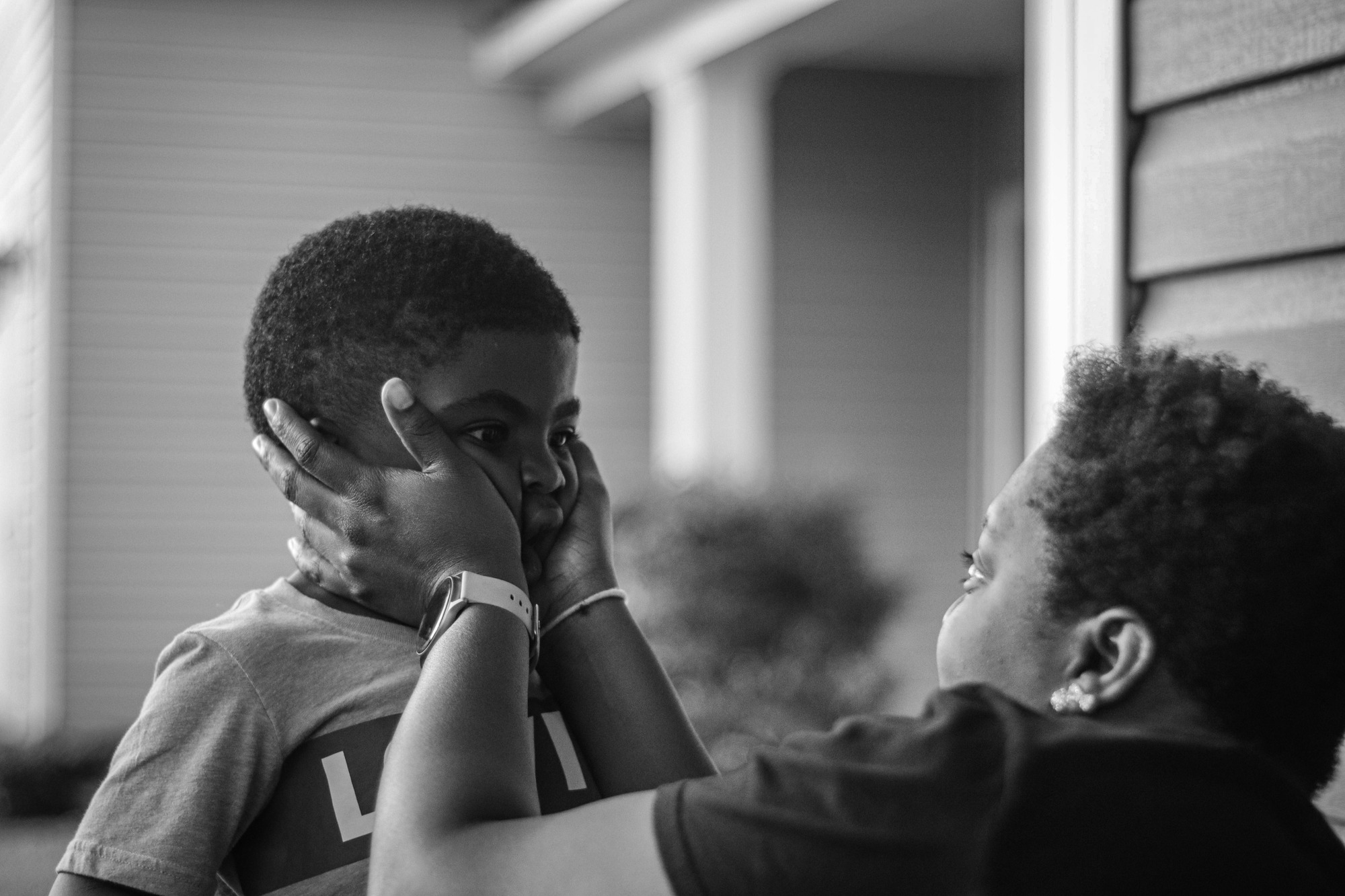
Most parents speak with love in their hearts. But even the most well-meaning words can land in a child’s mind with more weight than we expect. Children are still learning how to interpret tone, language, and emotion. And often, the things adults say casually, out of stress, habit, or frustration, can hit harder than we realize.
The truth is, some of the most common phrases used with kids don’t nurture them. They quietly chip away at their self-worth, confuse their emotions, or make them feel unseen. While none of us get it right 100% of the time, becoming more aware of our words is one of the most powerful ways to deepen connection and trust.
Here are eight phrases that often do more harm than good and what to say instead.
“You’re fine.”
This phrase tends to come out when a child is upset, and we want to soothe them quickly. But when kids hear “You’re fine” while they’re visibly crying or anxious, it sends a mixed message. It tells them that their feelings are either wrong or too inconvenient to acknowledge.
Instead, try: “You’re safe. I’m here. Want to tell me what’s going on?” You’re still offering reassurance, but without dismissing how they feel.
“Because I said so.”
In the moment, this may seem like a way to end the conversation. But it doesn’t teach kids anything about the reasoning behind rules or decisions. It can make children feel powerless, especially when they’re seeking clarity or connection.
A better option is to calmly explain your thinking in a few words. Even a short, honest reason gives them something to learn from. “We’re leaving now because it’s getting late, and your body needs rest” can go a long way in helping kids feel respected.
“Why can’t you be more like your brother/sister?”
Comparisons don’t motivate. They wound. Even if your intention is to inspire better behavior, this kind of comment usually stirs up shame, resentment, or competition between siblings. It can make a child feel they’ll never be enough on their own terms.
What helps more is focusing on your child’s individual growth. “I know this isn’t easy for you, but I see you trying” is more encouraging and builds self-worth, not rivalry.
“You’re being so dramatic.”
This one often comes out when a child is melting down over something that seems minor to us. But for kids, big emotions feel big. Dismissing their reaction doesn’t help them regulate. It just teaches them their feelings are too much or embarrassing.
Instead, try validating the feeling even if you don’t agree with the reaction. “That really upset you, huh?” opens the door to conversation instead of shutting it down.

“If you don’t stop, I’m leaving without you.”
Threats tied to abandonment, even empty ones, can be especially scary to young kids. While you may mean it as a tactic to hurry them along, what they hear is: I could be left behind.
A gentler approach might be: “We need to go now. How can I help you get ready faster?” It keeps your tone firm but supportive, showing you’re still on their team.
“You’re too sensitive.”
Children are born with different temperaments. Some feel everything deeply, and labeling them as “too” anything tells them who they are isn’t acceptable. Over time, they may learn to hide their emotions rather than manage them.
If your child is overwhelmed, offer empathy: “You feel things strongly, and that’s okay. I’m here to help you handle it.” Sensitivity can be a strength when it’s nurtured, not shamed.
“Big boys/girls don’t cry.”
This outdated phrase has harmed generations of kids by suggesting that expressing emotion is weak or immature. Crying is a natural response to pain, frustration, or sadness, and it’s not something to outgrow.
Better yet, say: “It’s okay to cry. Everyone cries sometimes. Let’s breathe together.” This allows your child to feel safe and supported, even in their most vulnerable moments.
“I’m disappointed in you.”
Few words carry more weight than this one. When kids hear it, they often internalize it as “I am a disappointment” rather than “I made a mistake.” It becomes about their identity instead of their behavior.
You can still hold boundaries without shame. Try: “That choice wasn’t okay, and we need to talk about it. But I still love you, no matter what.” Discipline doesn’t have to come at the cost of your child’s self-esteem.
Words shape how children see themselves and the world. While no parent can filter every phrase perfectly, being mindful of how our words land can make a profound difference. A simple change in how we speak can open the door to trust, emotional safety, and lifelong confidence.
What’s a phrase you heard as a child that stuck with you, for better or worse?
Read More:
