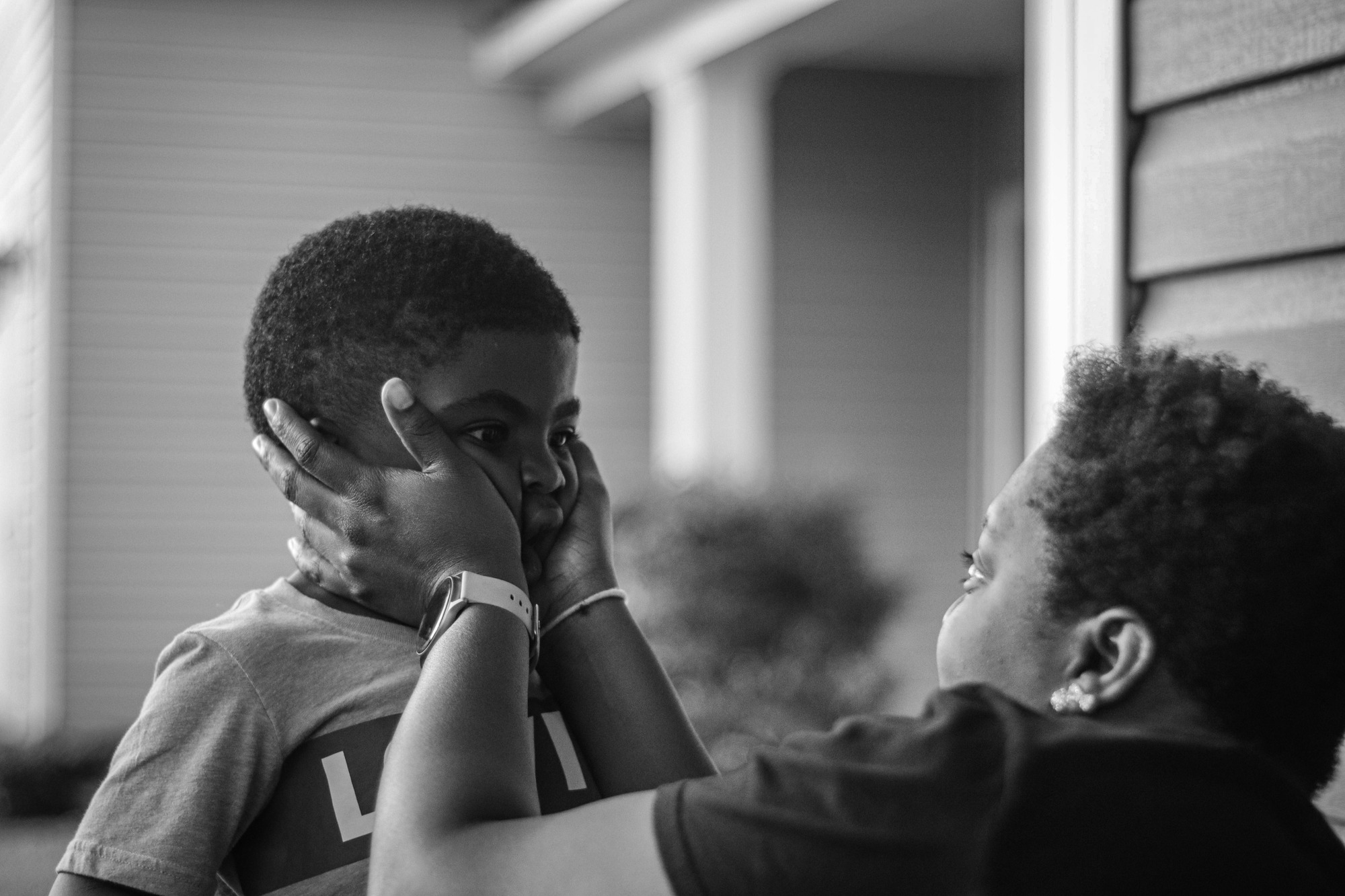
No parent enjoys seeing their child in tears. Whether it’s over a skinned knee, a lost toy, or something deeper, crying can trigger frustration, helplessness, or even embarrassment – especially in public. In those moments, it’s tempting to say something quick to stop the sobs. But the words we choose matter more than we realize. Dismissing or downplaying a child’s feelings, even unintentionally, can damage trust, discourage emotional expression, and make a tough moment even harder.
Understanding what not to say during emotional moments helps you offer better child emotional support – and build a healthier connection long-term.
1. “You’re fine.”
While this may seem comforting, it instantly invalidates your child’s feelings. To them, they’re clearly not fine – so saying otherwise can feel dismissive or confusing. It teaches them to doubt their own emotions instead of trusting them. Even if the injury or issue seems minor to you, acknowledging their feelings is more helpful. Try saying, “That was scary, wasn’t it?” instead.
2. “Stop crying.”
Tears are a natural response to distress – not something kids can simply switch off on command. Telling a child to stop crying doesn’t make the emotion go away; it just buries it. Over time, this can lead to emotional suppression or shame. Kids need to learn how to feel their emotions, not hide them. A better approach might be, “It’s okay to cry. I’m here for you.”
3. “Big kids don’t cry.”
This one stings more than many parents realize. It connects crying with weakness and sends the message that emotions are something to outgrow. But even adults cry – why shouldn’t kids? Promoting child emotional support means honoring feelings at any age or stage. Instead, try, “Everyone feels sad sometimes, and that’s okay.”
4. “There’s nothing to cry about.”
To your child, there is something to cry about, even if it seems small to you. Dismissing it sends the message that their emotions are silly or unwelcome. What they need is empathy – not minimization. Helping your child label and understand their feelings is far more productive. You can say, “I see you’re upset. Do you want to tell me what happened?”
5. “You’re being dramatic.”
Yes, kids can be theatrical – but this phrase shuts down their vulnerability instead of helping them regulate it. It also teaches them that showing emotion isn’t safe. Crying doesn’t need to be justified – it just needs to be supported. You don’t have to fix it; just validate it. Saying, “That really upset you, didn’t it?” is a better place to start.
6. “If you keep crying, I’ll give you something to cry about.”
This classic phrase is not only unhelpful – it’s threatening. It teaches children that expressing emotion might lead to punishment. That message can create fear, shame, or emotional confusion. Even if you’re frustrated, it’s important to stay grounded and supportive. Instead, take a breath and say, “Let’s calm down together and talk about what’s going on.”
7. “Only babies cry.”
No child wants to be compared to a baby – especially when they’re already vulnerable. This statement can make kids feel embarrassed or humiliated for simply having emotions. Child emotional support involves allowing tears without judgment. Rather than shaming them, say, “I know this is tough. It’s okay to feel this way.”
8. “I don’t have time for this right now.”
Life is busy, but brushing off your child’s distress sends the message that their feelings are an inconvenience. While you can’t always drop everything, acknowledging their emotions doesn’t have to take long. A brief but sincere, “I see you’re upset. Let me help you after I finish this task,” shows care and respect. It keeps the door open for emotional connection, even in a rush.
9. “You’re just tired/hungry/cranky.”
It might be true, but it still minimizes their experience. Dismissing their emotions as a physical symptom teaches them to ignore or second-guess what they’re feeling. Even if tiredness or hunger is a factor, their emotion is real and deserves space. You can still validate and address the need: “I can see this is hard. Let’s talk after you’ve had a snack.”
10. “Get over it.”
This phrase might feel like tough love, but it leaves no room for empathy, support, or emotional growth. It’s a harsh way to say “Move on,” and it often backfires by escalating the situation. Kids don’t learn how to “get over” things – they learn how to work through them. Saying, “Let’s take a moment and figure out what will help you feel better,” invites healing, not shame.
Words That Heal: The Power of Validation
Helping a child in emotional distress doesn’t mean solving every problem – it means showing up with patience, presence, and empathy. When a child is crying, what they need most is to feel safe, seen, and supported. Your response teaches them how to manage emotions, build resilience, and trust their own feelings. By choosing your words with care, you give your child the emotional tools they’ll carry for life.
Have you caught yourself saying something you regret when your child was upset? Share your lessons and what worked better in the comments!
Read More:
8 Parenting Trends That Sound Great (But Might Be Hurting Your Kids)
10 Mistakes Parents Make When Kids Are Anxious

Catherine is a tech-savvy writer who has focused on the personal finance space for more than eight years. She has a Bachelor’s in Information Technology and enjoys showcasing how tech can simplify everyday personal finance tasks like budgeting, spending tracking, and planning for the future. Additionally, she’s explored the ins and outs of the world of side hustles and loves to share what she’s learned along the way. When she’s not working, you can find her relaxing at home in the Pacific Northwest with her two cats or enjoying a cup of coffee at her neighborhood cafe.