
• Home
  • About Us
  • Toolkit
  • Archives
  • Advertise
  • Privacy Policy

Kids Ain't Cheap

But They Sure Are Worth It

  • Parenting
    • Baby Stuff
    • Books and Reading
      • Aesops Fables
      • Comic Books
    • Education
    • Family Time
    • Green Living
    • Growing Up
    • Healthy Living & Eating
    • Holidays
    • Parenting
    • Random Musings
    • Shopping
    • Stuff to Do
  • Money
  • Product Reviews
    • Books and Magazines
    • Discount Sites
    • Furniture
    • House Keeping
    • Reviews News
    • Toys and Games
  • Contact Us
  • Our Editorial Commitment
  • Search

What Happens When Speech Therapy Stops for 10 Weeks?

June 4, 2026 | Leave a Comment

Student
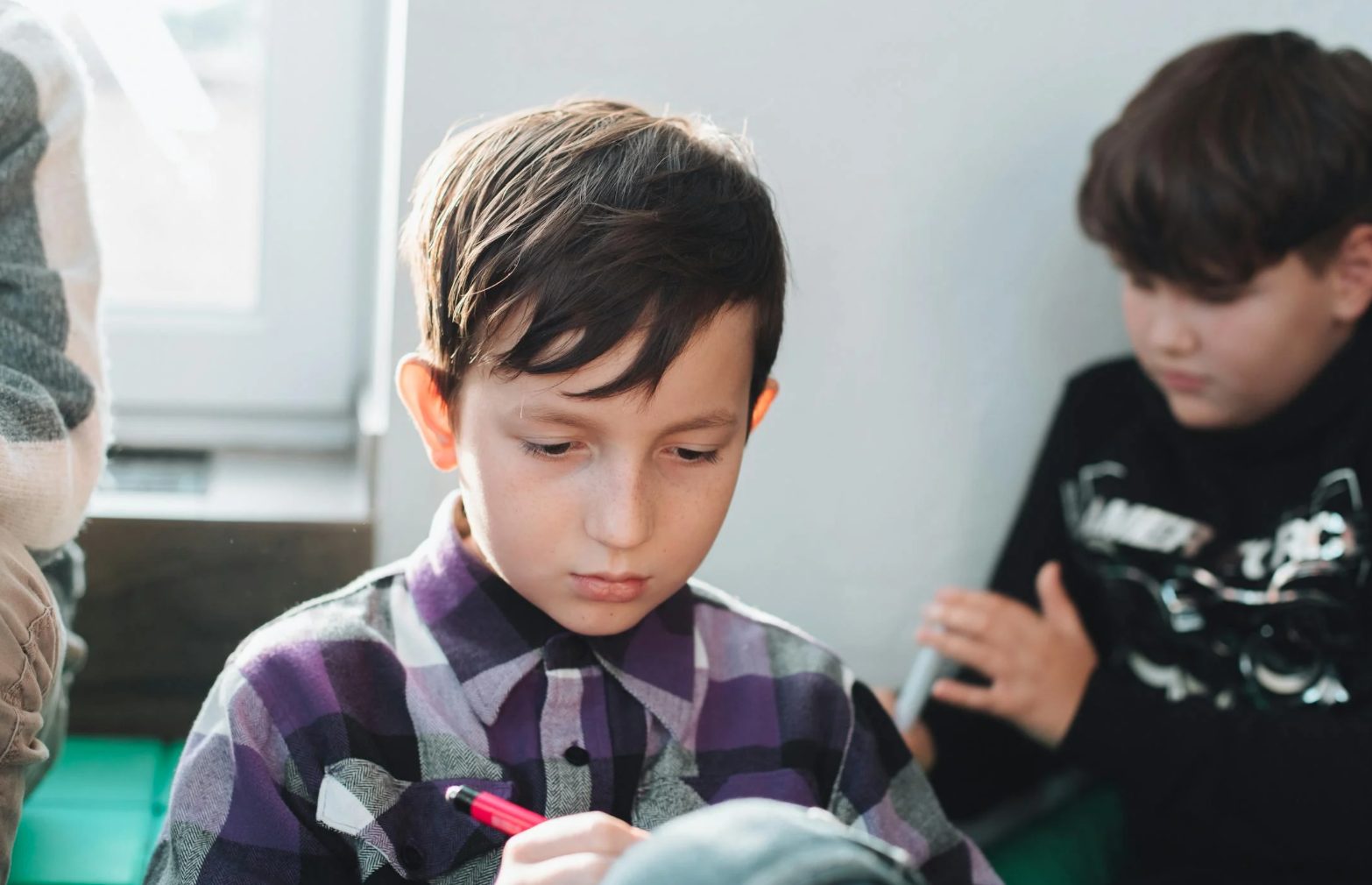
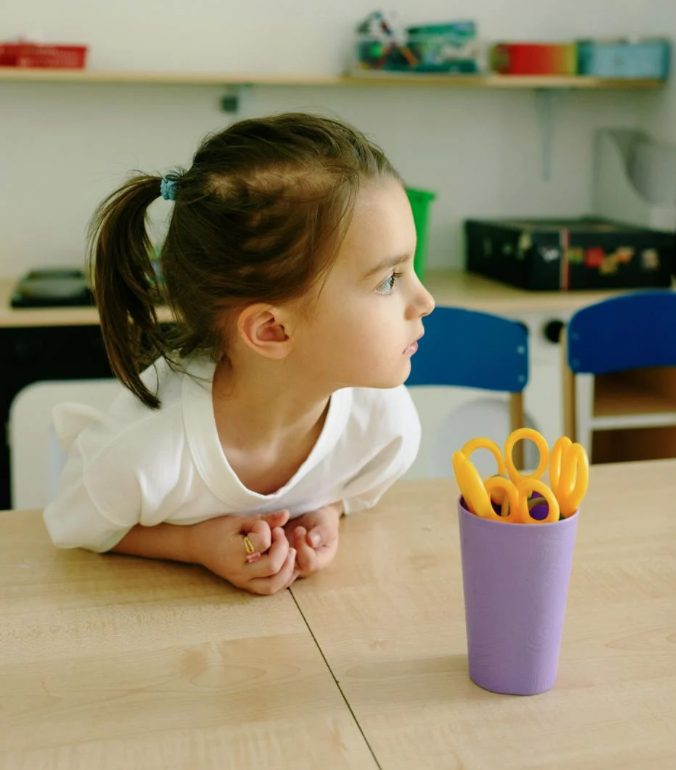
Speech-language pathologists work with children during communication exercises, highlighting how consistent practice helps maintain progress during therapy. Experts say even short daily activities at home can support skills during extended breaks. Pexels.

For many children and adults, speech therapy is a critical part of building communication skills, improving speech clarity, and boosting confidence. But what happens when speech therapy suddenly stops for 10 weeks? Whether due to summer break, scheduling conflicts, insurance changes, or family circumstances, a lengthy interruption can raise concerns for parents and patients alike. While every individual responds differently, experts agree that consistency plays a major role in maintaining progress. Understanding the potential effects of a therapy gap can help families take proactive steps to protect communication gains and reduce setbacks.

Progress May Slow or Plateau

Speech therapy works best when skills are practiced regularly and reinforced over time. A 10-week break does not automatically erase progress, but it can slow momentum, especially for individuals still learning new communication skills. Children working on articulation, language development, or fluency may find it harder to retain recently learned techniques without regular guidance. Therapists often compare communication skills to muscles that strengthen through repeated use and practice. Research and clinical experience consistently show that steady participation is one of the strongest predictors of successful outcomes in speech therapy.

Previously Mastered Skills Can Weaken

Not every skill is affected equally during a therapy gap. Well-established communication abilities are more likely to remain stable, while newer skills may become less consistent. For example, a child who recently learned to pronounce difficult sounds correctly may begin reverting to old speech patterns after several weeks without practice. This is particularly common when home exercises are not continued during the break. Speech-language pathologists often report that some patients need refresher sessions after extended interruptions before advancing to new goals.

Home Practice Becomes More Important Than Ever

A 10-week pause does not mean progress has to stop completely. Families who continue practicing recommended exercises at home often help maintain many of the gains achieved during therapy sessions. Reading aloud, engaging in conversation, practicing target sounds, and following therapist-provided activities can reinforce communication skills between appointments. Even 10 to 15 minutes of daily practice can make a meaningful difference over several weeks. Consistent reinforcement helps bridge the gap until formal speech therapy resumes.

Younger Children May Be More Vulnerable to Setbacks

Early childhood is a period of rapid brain development, making consistent intervention particularly valuable for young children with speech and language delays. During these critical developmental years, communication pathways are still forming and strengthening. A lengthy interruption may result in missed opportunities to build foundational skills during an important learning window. This does not mean a child will lose all progress, but some may require additional time to regain momentum once services restart. Early intervention specialists frequently emphasize the importance of maintaining communication-rich activities even during therapy breaks.

Resuming Speech Therapy May Require an Adjustment Period

When therapy resumes after 10 weeks, many individuals need a short period to reacclimate. Therapists may spend time reviewing previously targeted skills, collecting updated data, and identifying areas that need reinforcement. In some cases, progress resumes quickly because foundational abilities remain intact. In others, treatment plans may need slight adjustments to address skills that weakened during the break. The good news is that most temporary setbacks can be addressed through structured intervention and renewed consistency.

Why Consistency Matters More Than Most People Realize

Most children receiving speech therapy attend one or two sessions per week, creating a routine that supports continuous learning and feedback. Regular attendance allows therapists to monitor progress, correct errors early, and gradually increase difficulty levels as skills improve. Interruptions can reduce opportunities for immediate feedback, which is a key component of successful communication development. Studies examining speech and language interventions have found that consistent participation is associated with stronger gains in communication skills. While a 10-week break is not necessarily harmful for everyone, maintaining practice and engagement during that period can significantly improve outcomes.

The Real Takeaway for Families

A 10-week pause in speech therapy can affect progress, but it does not automatically mean starting over. The impact depends on factors such as age, the communication challenge being addressed, how long therapy had been underway, and whether skills continue to be practiced at home. Families who stay engaged, use recommended activities, and create opportunities for communication often help minimize regression during breaks. If therapy must stop temporarily, maintaining consistent practice can serve as a valuable bridge until professional sessions resume. In most cases, preparation and persistence make the difference between a temporary pause and a significant setback.

Have you or your child ever taken a long break from speech therapy? What changes did you notice when sessions resumed? Share your experience in the comments and join the conversation. Your insights could help other families navigate similar challenges and make informed decisions about maintaining communication progress during therapy interruptions.

What to Read Next

School Boards Are Quietly Cutting These Special Education Services First

Texas Parents Say Special Education Staffing Shortages Are Getting Worse

The School Budget Cuts Parents Say Are Hitting Special Education First

Evan Morgan

Evan Morgan has been a full-time freelance writer and editor for 10+ years. When not working, he enjoys catching the latest true crime documentary or getting lost in a good book.
Filed Under: Parenting Tagged With: child development, communication skills, early intervention, healthcare, language development, Parenting, speech delay, speech therapy, speech-language pathology

7 Benefits of Early Speech Therapy for Children With Delays

May 4, 2026 | Leave a Comment

Boys In School
Image Source: Pexels

Many parents notice subtle signs when their child isn’t hitting communication milestones—fewer words, unclear speech, or difficulty expressing needs. It can be easy to assume they’ll grow out of it, but early intervention often makes a significant difference. Early speech therapy offers targeted support during the most critical years of brain development, typically between ages 1 and 5. Research shows children who receive help earlier tend to catch up faster and build stronger communication skills. Understanding early speech therapy benefits can help families make confident, informed decisions.

1. Improves Communication Skills Early

Early speech therapy helps children develop the ability to express their needs, thoughts, and emotions more clearly. For example, a toddler struggling to say simple words like “milk” may learn gestures or sounds before progressing to speech. Therapists use play-based techniques that feel natural and engaging for children. This early progress reduces frustration that comes from not being understood. Over time, these improvements build a strong communication foundation.

2. Supports Social Development

Children rely on communication to connect with others and build relationships. Early speech therapy teaches skills like turn-taking, eye contact, and understanding social cues. A preschooler who once avoided group play may begin participating confidently after therapy. These improvements help children form friendships and engage in social environments. Addressing these challenges early reduces the risk of isolation later.

3. Enhances Academic Readiness

Language skills are closely linked to reading and writing success in school. Early speech therapy helps children develop vocabulary, sentence structure, and comprehension before entering the classroom. For instance, children who understand instructions are better prepared for learning activities. Research suggests early intervention reduces the need for special education services later. This gives children a stronger academic start.

4. Reduces Behavioral Frustration

When children struggle to communicate, frustration often leads to tantrums or withdrawal. Early speech therapy provides tools to help them express themselves effectively. A child who once cried to communicate may learn to use simple words or gestures instead. This change improves behavior and emotional regulation. Parents often notice a calmer and more positive home environment.

5. Builds Confidence and Independence

Confidence grows when children feel understood and capable. Early speech therapy encourages small successes like learning new words or forming short sentences. These achievements motivate children to keep practicing communication. For example, a child who can ask for help independently gains a sense of control. Over time, this confidence extends to other areas of development.

6. Identifies Underlying Issues Early

Speech delays can sometimes indicate broader developmental concerns. Early speech therapy includes evaluations that help identify issues like hearing loss or developmental disorders. Detecting these challenges early allows families to access appropriate support quickly. This proactive approach improves long-term outcomes for children. It also gives parents clarity and direction.

7. Maximizes Brain Development During Critical Years

The early years are when a child’s brain is most adaptable to learning. Early speech therapy strengthens neural pathways related to language and communication. Repeated exposure to sounds and words helps children learn more effectively. Delaying intervention may mean missing this critical window. Acting early ensures children benefit from optimal brain development.

Why Acting Early Matters Most

Choosing early speech therapy is about empowering children with essential communication tools. Parents often see noticeable improvements within months when therapy is consistent. While concerns about cost or stigma are common, the long-term benefits outweigh these challenges. Early support can prevent more complex developmental issues later. Ultimately, early speech therapy sets children up for success in school and life.

What signs have you noticed in your child’s communication development? Have you considered early speech therapy, or are you still unsure about the next step? Share your experiences, questions, or concerns in the comments below. Your story could help another parent make an informed decision.

What to Read Next

Speech Delay Concerns: Why Pediatric Referrals Are Climbing Nationwide

Parents Report Delays: Why Speech Therapy Waitlists Are Growing Nationwide

8 Ways Schools Are Supporting Children With Sensory Processing Issues

Evan Morgan

Evan Morgan has been a full-time freelance writer and editor for 10+ years. When not working, he enjoys catching the latest true crime documentary or getting lost in a good book.

Filed Under: Parenting Tagged With: child development, communication skills, early intervention, early speech therapy benefits, speech delay

2 Speech Therapy Techniques Helping Children Build Communication Skills

April 25, 2026 | Leave a Comment

Girl In School
Image Source: Pexels

Helping children develop strong communication skills is one of the most impactful steps parents and caregivers can take early in life. Whether a child is experiencing delayed speech or simply needs more confidence expressing themselves, early support can make a lasting difference. Many effective speech therapy techniques can be used right at home without specialized training. Parents often worry about doing something incorrectly, but simple, consistent efforts can lead to meaningful improvement. In this article, we explore two proven speech therapy techniques that help children build communication skills naturally and effectively.

1. Modeling and Expansion: Turning Everyday Moments Into Learning Opportunities

One of the most effective speech therapy techniques is modeling and expansion, where adults demonstrate correct speech and gently build on what a child says. For example, if a child says “car go,” a parent might respond with “Yes, the car is going fast,” reinforcing structure without criticism. This approach helps children learn grammar and vocabulary in a natural, conversational way. Research shows that children exposed to expanded language patterns develop stronger sentence-building skills over time. Parents can apply this method during meals, playtime, or daily routines, making it easy to implement consistently.

This technique also reduces frustration because it avoids constant correction, which can discourage children from speaking. Instead of pointing out errors, it models the correct form in a supportive way. A common misconception is that children need direct correction to improve, but evidence suggests positive reinforcement is more effective. For example, a daycare teacher using expansion during storytime can help children connect words with meaning naturally. Over time, children begin mimicking these patterns, strengthening both confidence and communication skills.

2. Play-Based Therapy: Learning Through Interaction and Imagination

Play-based therapy is another highly effective speech therapy technique that encourages children to communicate through fun and interaction. Using toys, games, and pretend scenarios allows children to practice language without feeling pressured. For example, playing with toy food can prompt children to name items, describe actions, and engage in conversation. Speech-language experts widely recommend this approach because it aligns with how children naturally learn through play. Studies show that children engaged in interactive play demonstrate improved language retention and engagement.

This method is especially useful for children who are shy or resistant to structured learning environments. By creating a relaxed and enjoyable setting, children feel more comfortable experimenting with words and sounds. Parents can dedicate just 15 minutes a day to intentional play and still see noticeable improvements over time. Asking open-ended questions like “What are you building?” encourages longer responses and deeper thinking. These consistent interactions gradually strengthen communication skills in a way that feels natural and enjoyable.

Addressing Common Concerns About Speech Therapy Techniques

Many parents worry that practicing speech therapy techniques at home could interfere with professional therapy, but it actually supports progress. Consistency between home and therapy sessions helps reinforce learning and speeds up improvement. Another common concern is knowing when to seek professional help if delays persist. Experts recommend evaluation if a child has a limited vocabulary by age two or struggles to form simple sentences by age three. Early intervention combined with at-home practice produces the strongest outcomes.

It is also important to remember that every child develops at their own pace, and comparisons can create unnecessary stress. Some children respond quickly, while others need repetition and time to build confidence. Parents should focus on small improvements, such as a child progressing from single words to short phrases. These milestones are meaningful indicators of growth. A supportive and patient environment plays a critical role in long-term success.

Practical Tips to Maximize Results at Home

To get the most out of these speech therapy techniques, consistency and routine are essential. Even short daily practice sessions of 10 to 15 minutes can create lasting improvements over time. Everyday situations like grocery shopping or bedtime can become valuable language-building opportunities. For example, asking a child to name items in a cart or describe their day encourages conversation. These small moments help integrate communication practice into daily life naturally.

Limiting screen time is another important factor, as face-to-face interaction is crucial for language development. While educational apps can support learning, they should not replace real conversation. Parents should also model clear, slow speech and allow children time to respond. Encouraging turn-taking in conversations helps children understand communication flow. Over time, these habits build a strong foundation for effective language skills.

The Lasting Impact of Early Communication Support

Using speech therapy techniques early in a child’s life can have benefits that extend far beyond communication. Strong language skills contribute to academic success, social confidence, and emotional development. Children who can express themselves clearly are more likely to build relationships and navigate challenges effectively. While progress may take time, the long-term impact is significant and worthwhile. By consistently applying these techniques, parents can actively support their child’s growth and confidence.

What small step can you take today to support your child’s communication skills? Have you tried any of these speech therapy techniques at home? Share your experiences, tips, or questions in the comments to help other parents learn and grow together.

What to Read Next

Behavioral Therapy Demand Is Rising—What Families Are Facing in 2026

9 Behavioral Therapy Benefits Parents Are Seeing in Children With ADHD

New York Families: Speech Therapy Programs Grow in Public Schools

Evan Morgan

Evan Morgan has been a full-time freelance writer and editor for 10+ years. When not working, he enjoys catching the latest true crime documentary or getting lost in a good book.

Filed Under: Parenting Tagged With: child development, communication skills, early intervention, parenting tips, speech therapy techniques

Are Parents Talking Enough About Emotional Safety at Home?

January 31, 2026 | Leave a Comment

Are Parents Talking Enough About Emotional Safety at Home?
Image Source: Shutterstock.com

Kids learn how to navigate the world long before they ever step into a classroom, and most of that education happens at home in the everyday moments no one posts about. It shows up in how parents respond to big feelings, hard questions, mistakes, and meltdowns that happen before bedtime.

Emotional safety isn’t about perfection or never raising your voice; it’s about creating a home where kids feel seen, heard, and safe enough to be honest. Yet many families talk nonstop about physical safety, grades, and discipline while emotional safety barely gets a mention. If we’re being honest, most parents care deeply about their kids’ emotional health, but few were taught what emotional safety actually looks like in daily family life.

Emotional Safety Isn’t Soft — It’s Foundational

Emotional safety often gets misunderstood as being overly gentle or permissive, but real emotional safety actually builds resilience, not fragility. It means kids feel secure enough to express fear, anger, sadness, and confusion without worrying they’ll be shamed or dismissed.

Research in child development consistently shows that emotionally secure children develop stronger self-esteem, better coping skills, and healthier relationships later in life. A home that allows emotional awareness and expression doesn’t remove boundaries; it strengthens trust. When kids trust their emotional world is respected, they become more willing to listen, learn, and grow. Emotional safety doesn’t create weak kids—it creates emotionally strong ones.

Silence Speaks Louder Than We Realize

Parents often assume kids are “fine” if they’re quiet, compliant, or independent, but silence can hide confusion, anxiety, and fear. Many children learn early that certain emotions are inconvenient or uncomfortable for adults, so they keep them inside. Over time, that silence becomes emotional distance, not peace.

Homes that lack emotional dialogue don’t look chaotic, but they often feel disconnected. Kids don’t need constant therapy-level conversations, but they do need regular emotional check-ins and validation of how they feel.

Are Parents Talking Enough About Emotional Safety at Home?
Image Source: Shutterstock.com

Discipline Without Emotional Safety Backfires

Rules without emotional safety create obedience, not understanding. Kids may follow instructions but fail to develop emotional intelligence or internal self-regulation. When discipline happens without empathy, children learn compliance through fear instead of growth through understanding.

Emotional safety doesn’t remove consequences; it reshapes how they’re delivered. A calm explanation paired with accountability teaches responsibility far better than punishment alone. When kids feel emotionally safe, they’re more likely to take responsibility instead of becoming defensive or withdrawn.

Parents Often Model What They Learned

Most parents didn’t grow up talking openly about emotions, so they’re trying to build something they never experienced. Emotional avoidance often passes through generations, not because of neglect, but because of habit.

Many adults learned to suppress feelings, minimize problems, or “stay strong,” and they unintentionally teach the same patterns at home. Awareness changes everything. Parents who model emotional honesty teach kids that feelings aren’t threats—they’re information.

Emotional Safety Protects Mental Health Long-Term

Homes that feel emotionally safe don’t eliminate stress, but they change how stress gets processed. Kids raised in emotionally supportive environments develop stronger emotional regulation skills and healthier coping mechanisms. They’re more likely to seek support instead of isolating during difficult moments.

Emotional safety doesn’t prevent anxiety or sadness, but it gives kids tools to navigate those experiences. Long-term mental health outcomes improve when emotional communication starts early. It’s one of the strongest protective factors parents can offer.

Small Daily Habits Build Emotional Safety

Emotional safety doesn’t come from big speeches or perfect parenting moments—it comes from daily interactions. Listening without interrupting, validating feelings, apologizing when wrong, and staying calm during conflict all matter more than grand gestures.

Even simple habits like sitting down during conversations or putting phones away build connection. Kids notice presence more than perfection. Consistency builds trust, and trust builds safety.

Emotional Safety Makes Stronger Families, Not Fragile Ones

Families with emotional safety don’t fall apart—they adapt. Conflict still happens, but it becomes constructive instead of destructive. Communication stays open instead of defensive. Kids learn that mistakes don’t threaten love, and emotions don’t threaten belonging.

Emotional safety doesn’t remove hardship; it strengthens how families face it together. Homes built on emotional trust create resilience that lasts far beyond childhood. Strong families grow from emotional connection, not emotional control.

The Homes That Shape Confident Adults

The most powerful legacy parents leave isn’t financial, academic, or material—it’s emotional. Homes that prioritize emotional safety raise adults who trust themselves, communicate clearly, and form healthier relationships. Emotional safety doesn’t require perfection; it requires presence, patience, and intention. It grows through daily choices, not dramatic transformations. When emotional safety becomes part of family culture, everything else improves naturally.

Are we teaching kids how to manage emotions or just how to hide them—and what kind of adults will that create in the long run? Do you have insight and opinion on this important parenting matter? Let’s hear about it in the comments.

You May Also Like…

Are Parents Overlooking Trauma Caused by “Normal” Discipline?

The “January Fever” Warning: 3 Pediatric Symptoms Parents are Dismissing as “Just a Cold”—Until It’s Too Late

7 Old-School Parenting Habits That Still Save Families Money

6 Emotional Triggers Hiding in Classic Children’s Books

Quick Fixes for Parents to Avoid the “I’m Bored” Meltdown at Home

Brandon Marcus
Brandon Marcus
Brandon Marcus is a writer who has been sharing the written word since a very young age. His interests include sports, history, pop culture, and so much more. When he isn’t writing, he spends his time jogging, drinking coffee, or attempting to read a long book he may never complete.

Filed Under: Household Tagged With: child development, communication skills, emotional intelligence, emotional safety, family relationships, healthy families, Mental Health, modern parenting, Parenting, parenting tips

Is Technology Making Our Younger Generations Less Socially Functional ?

January 15, 2026 | Leave a Comment

Is Technology Making Our Younger Generations Less Socially Functional ?
Image source: shutterstock.com

If it feels like kids struggle more with basic social stuff than they used to—eye contact, small talk, handling boredom, reading the room—you’re not alone. Technology didn’t cause every social challenge, but it did change how kids practice being human with other humans. The tricky part is that screens also help kids connect, learn, and feel included, so it’s not as simple as “phones are bad.” What matters most is what tech replaces, how it shapes attention, and whether kids still get enough real-world reps. Here are six ways technology can make kids less socially steady than parents realize, plus practical fixes that don’t require living like it’s 1995.

1. Less Socially Ready Because Practice Gets Replaced By Scrolling

Kids get better at social skills the same way they get better at biking: repeated practice in real situations. When downtime turns into constant scrolling or gaming, kids lose the small moments that build confidence, like chatting in the car or making up a game with a sibling. Social skills need friction, and screens remove a lot of that friction by keeping everything controlled and curated. That can leave kids feeling awkward when real life feels unpredictable or messy. If a child seems less socially confident, it may not be personality—it may be fewer chances to practice.

2. Conversations Feel Harder When Attention Is Always Split

Tech trains brains to bounce quickly from one thing to another. Notifications, quick videos, and endless feeds teach kids to expect constant novelty, which makes slow conversations feel like work. When kids struggle to stay engaged, they may interrupt more, drift off, or respond with one-word answers. That can read as rude or disinterested, even when it’s really a focus issue. If you want better conversation skills, protect a few tech-free moments each day so kids can rebuild their attention “muscles.”

3. Texting Can Flatten Emotional Skills Kids Need In Person

Texting and messaging are helpful, but they don’t teach tone, body language, or timing in the same way face-to-face interaction does. Kids can hide behind short replies, avoid discomfort, or misread sarcasm because they can’t see facial expressions. Some kids get brave online and freeze in person, which can make them feel less socially capable in real settings. This is especially common when a child relies on typing to handle conflict or awkward moments. Help by giving kids scripts for real-life situations and practicing them out loud, not just in their heads.

4. Online Comparison Can Make Kids Withdraw From Real People

Social platforms can create a constant scoreboard, even for kids who swear they “don’t care.” When children compare their looks, friendships, or lifestyles to filtered highlights, they may feel insecure and pull back socially. They might stop joining groups, avoid speaking up, or assume they won’t fit in. Over time, that withdrawal can turn into a cycle where fewer interactions lead to less confidence. If a child seems less socially engaged, check whether online comparison is draining their self-esteem.

5. Algorithms Can Narrow Interests Instead Of Expanding Them

In real life, kids get exposed to different opinions, different humor, and different types of people. Online, algorithms often feed kids more of what they already like, which can shrink their social range. A child may struggle in mixed-age groups, classrooms, or family gatherings because they’re used to a tailored bubble. They may also assume everyone shares the same references, slang, or beliefs, which can cause awkward clashes. Encourage real-world variety through clubs, sports, volunteering, or even rotating family activities that introduce new people and new situations.

6. Boredom Disappears, And With It, Social Creativity

Boredom used to push kids toward inventing games, calling friends, building forts, or just talking. When a device fills every quiet moment, kids lose the chance to develop social creativity and self-starting behavior. That can show up as “I don’t know what to do” or constant requests for entertainment. Kids can become less socially flexible because they haven’t practiced making fun out of nothing with other people. Try leaving small pockets of boredom in the day and watch what kids create once they move past the initial whining.

7. Less Socially Comfortable During Conflict Because Avoidance Gets Easy

Conflict is part of relationships, but screens make it easy to dodge. Kids can block, leave a group chat, ghost, or distract themselves instead of repairing a friendship. The problem is that real-life friendships require repair skills: apologizing, explaining, listening, and trying again. When kids avoid conflict repeatedly, they don’t learn how to stay steady during uncomfortable moments. If your child falls apart after friend drama, they may need coaching, not punishment.

8. Family Tech Habits Set The Social Tone At Home

Kids watch how adults use devices more than they listen to lectures about screen limits. If family members scroll through meals, talk while half-looking at phones, or default to screens when stressed, kids copy that pattern. A home with constant partial attention can feel emotionally thin, which affects how kids learn to connect. The fix isn’t guilt, it’s modeling: put phones away for specific routines and be fully present for a few minutes at a time. Those small moments teach kids what real connection looks like.

Raising Kids Who Can Connect In A Digital World

Technology isn’t going away, and kids don’t need to become tech-free to become socially capable. They do need enough real-world practice to handle boredom, talk to strangers, solve friend problems, and read emotions. When you create screen boundaries that protect sleep, conversation, and unstructured play, you give kids the reps that build confidence. The goal is balance that fits your family, not perfection that collapses by Thursday. Most kids become less socially shaky when they spend more time with people than with feeds.

Where do you see technology helping your kids in a social context, and where do you think it’s making things harder—what’s worked in your home?

What to Read Next…

How Technology Has Evolved for Teens Over the Decades

Brain Drain: 7 Everyday Habits Hurting Your Child’s Brain Development

Why Are So Many Kids Developing Phobias Earlier Than Ever?

10 Signs Your Child Is Quietly Being Bullied by a Friend

Why Are Toddlers Suddenly Being Diagnosed With Social Fatigue?

Catherine Reed
Catherine Reed

Catherine is a tech-savvy writer who has focused on the personal finance space for more than eight years. She has a Bachelor’s in Information Technology and enjoys showcasing how tech can simplify everyday personal finance tasks like budgeting, spending tracking, and planning for the future. Additionally, she’s explored the ins and outs of the world of side hustles and loves to share what she’s learned along the way. When she’s not working, you can find her relaxing at home in the Pacific Northwest with her two cats or enjoying a cup of coffee at her neighborhood cafe.

Filed Under: Technology Tagged With: child development, communication skills, digital wellness, family routines, kids and technology, parenting boundaries, screen habits, Social Skills, teen behavior

Do Modern Parenting Hacks Leave Out Crucial Emotional Support?

December 22, 2025 | Leave a Comment

Do Modern Parenting Hacks Leave Out Crucial Emotional Support?
Image source: shutterstock.com

If you’ve ever searched “how to stop tantrums fast” at 2 a.m., you already understand the appeal of quick fixes. Modern parenting hacks promise calmer mornings, smoother bedtimes, and fewer power struggles, and some of them genuinely help. The problem is that speed can quietly become the main goal, even when a child actually needs connection more than correction. When that happens, the household may look more “controlled,” but kids can feel unseen, and parents can feel strangely disconnected even when routines run like clockwork. This article breaks down where hacks can miss the emotional layer and how to keep the convenience while still showing up for what kids are really trying to say.

1. When The Goal Becomes Compliance Instead of Understanding

Many popular tips focus on getting a child to do the thing, not on why the child is resisting. A sticker chart might produce clean teeth, but it won’t explain anxiety about the bathroom mirror after a rough day. When parenting hacks only measure success by obedience, parents can miss the message underneath the behavior. A simple shift helps: after the “do it” moment, ask one curious question like “What made that hard today?” Kids don’t always answer right away, but the question tells them their feelings matter, too.

2. When Scripts Replace Real Listening

Scripts can be useful, especially when a parent feels burned out or stuck, but they can also become a shortcut around empathy. A child who hears the same perfectly worded phrase every time may start to feel managed instead of understood. Parenting hacks often teach what to say, yet emotional support depends on how well a parent matches the child’s actual moment. Try using a script as a starting point, then add a real observation, such as “Your shoulders are tight and your voice is shaky.” That tiny detail shows presence, not performance.

3. When Calming Tools Become “Stop Feeling That”

Breathing exercises, sensory bottles, and calm-down corners can be great, but they can also send the wrong message if used like a mute button. If the tool appears only when a child is loud, the child may learn that big feelings are unacceptable. Parenting hacks sometimes skip the part where a parent stays close and helps a child name what’s happening. Pair the tool with connection by saying, “I’m right here while your body settles.” The goal isn’t to erase emotion; it’s to help a child move through it safely.

4. When Efficiency Pushes Out Repair After Conflict

Shortcuts shine in busy households, but emotional safety grows in the moments after things go sideways. A parent can “win” the morning battle and still lose the chance to repair a harsh tone or a rushed response. Parenting hacks rarely emphasize the power of a two-minute reconnect, because it doesn’t look impressive on a reel. Repair can be simple: “I didn’t like how I handled that, and I’m sorry.” Kids who see repair learn that relationships can hold mistakes without breaking.

5. When Routines Become Rigid Instead of Supportive

Routines reduce decision fatigue, and they help many kids feel secure, but rigid routines can ignore real needs. If a child is melting down because they are overwhelmed, pushing the schedule harder may increase stress instead of building resilience. Parenting hacks can turn structure into a rulebook that leaves no room for grief, sensory overload, or social conflict. Keep routines as a helpful baseline, then adjust when the day clearly calls for flexibility. A flexible routine teaches kids that systems exist to serve people, not the other way around.

6. When Rewards Replace Relationship

Reward systems can motivate, but they can also teach kids to perform for approval rather than internal growth. If every hard moment ends with a prize, kids may struggle to build self-trust and emotional coping skills. Parenting hacks often highlight rewards because they work quickly, but emotional support usually works slowly and lasts longer. Try swapping some rewards for relational “payoffs,” like choosing a shared activity or getting special one-on-one time. Kids still feel recognized, but the recognition lands as connection instead of a transaction.

7. When Parents Use Hacks to Avoid Their Own Feelings

This part is uncomfortable, but it matters, because kids can sense avoidance even when adults sound calm. Sometimes parents lean on parenting hacks because they are overwhelmed, triggered, or scared they’ll mess it up. A hack can become a shield: “If I follow the steps, I won’t have to feel how hard this is.” Emotional support starts when a parent can tolerate emotion in the room, including their own, without rushing to shut it down. If a parent needs help building that tolerance, therapy, parenting groups, or even a trusted friend can make the emotional load feel less lonely.

How To Keep The Convenience and Add the Missing Emotional Layer

Parents don’t need to throw out every trick that makes life smoother, because families need practical systems to survive. The better move is to treat parenting hacks like tools, not a philosophy, and to pair them with small moments of connection. Aim for a “two-step” response: first stabilize the situation, then circle back for understanding and repair. That second step might be five sentences in the car, a quick cuddle at bedtime, or a quiet check-in while making snacks. When parents do that consistently, kids learn that support doesn’t disappear just because a solution exists.

The Real Hack Is Connection That Doesn’t Rush

The most effective strategies don’t just change behavior; they protect the relationship while behavior changes. Parents can keep structure, use scripts, and lean on routines, but still prioritize a child’s emotional experience as real and worthy of attention. If something works fast but leaves a child feeling alone, it’s not a win, it’s a trade-off. When parenting hacks include empathy, repair, and curiosity, they stop feeling like tricks and start feeling like care. That’s when kids feel guided instead of managed, and parents feel like they’re building a relationship, not just running a household.

Which “hack” has helped your family most, and how do you make sure it doesn’t replace the emotional support your child needs?

What to Read Next…

9 Ways to Emotionally Support Your Child After a Meltdown

How to Turn Kids’ Post-Holiday Blues Into an Opportunity for Connection

9 Parenting Trends That Are Quietly Harming Emotional Growth

8 Emotional Red Flags in Kids That Show Up During the Holidays

Mental Health Crisis: 4 Critical Questions About Your Child’s Mental Health

Catherine Reed
Catherine Reed

Catherine is a tech-savvy writer who has focused on the personal finance space for more than eight years. She has a Bachelor’s in Information Technology and enjoys showcasing how tech can simplify everyday personal finance tasks like budgeting, spending tracking, and planning for the future. Additionally, she’s explored the ins and outs of the world of side hustles and loves to share what she’s learned along the way. When she’s not working, you can find her relaxing at home in the Pacific Northwest with her two cats or enjoying a cup of coffee at her neighborhood cafe.

Filed Under: Parenting Tagged With: behavior management, child development, communication skills, emotional support, family routines, gentle parenting, kids’ emotions, Mental Health, parent burnout, parenting tips

9 Things Parents Say That Leave Permanent Scars

November 23, 2025 | Leave a Comment

9 Things Parents Say That Leave Permanent Scars
Image source: shutterstock.com

Words stick with children far longer than most adults realize. A quick comment spoken out of frustration or exhaustion can become a lasting memory that shapes how a child sees themselves, others, and the world. While no parent is perfect, understanding which phrases can cause permanent scars helps families communicate in healthier, more supportive ways. By choosing words more thoughtfully, parents can strengthen trust, boost confidence, and create emotional safety that lasts well into adulthood.

1. “Why Can’t You Be More Like Your Brother or Sister”

Comparing children can plant some of the deepest scars, because it implies they are not good enough as they are. Kids naturally look to their parents for validation, and comparisons make them feel defective rather than celebrated. Over time, this can create resentment between siblings and damage self-esteem. Even if parents intend to motivate, the message often lands as criticism. Encouraging each child’s individual strengths builds confidence without harm.

2. “You’re Too Sensitive”

Calling a child too sensitive suggests their emotions are a problem instead of a natural response. This phrase can cause permanent scars by teaching kids to hide their feelings out of fear of being judged. Emotional suppression often leads to anxiety, difficulty expressing needs, and trouble forming healthy relationships. Parents can still coach emotional regulation without dismissing feelings. Acknowledging emotions first helps children learn better coping strategies.

3. “Stop Crying or I’ll Give You Something to Cry About”

This phrase is still said in many households, despite its harsh impact on children. It leaves scars because it threatens consequences for having normal emotions. Kids may shut down emotionally or learn that vulnerability leads to punishment instead of comfort. They may also struggle to understand their own feelings as they grow. A more helpful approach is guiding children through big emotions with calm support.

4. “You Always Mess Everything Up”

Absolutes like always or never can damage a child’s self-image and reinforce negative identities. When children hear messages like this, they carry permanent scars that make them believe they are destined to fail. These beliefs can affect their confidence in school, friendships, and future goals. Even during frustrating moments, focusing on the specific behavior instead of labeling the child is more constructive. Everyone makes mistakes, and emphasizing effort encourages growth.

5. “I’m Disappointed in You”

Parents naturally feel disappointed at times, but this phrase can carry heavy emotional weight for kids. It often leaves permanent scars because it ties the child’s worth to their ability to please their parent. Children may grow up constantly seeking external approval or fearing they will let others down. Redirecting disappointment toward the behavior instead of the child helps protect their sense of value. Kids learn best when they feel supported, not shamed.

6. “You’re Being Dramatic”

Dismissing a child’s reactions by calling them dramatic undermines their trust in their own emotions. For many kids, this phrase creates scars that cause self-doubt, insecurity, and silence when they need help most. Children express themselves differently based on age, temperament, and stress level. Instead of labeling, parents can encourage kids to talk through their feelings and understand what triggered them. This builds emotional resilience rather than shutting it down.

7. “I Wish You Weren’t So Difficult”

Children who hear they are difficult often internalize the message deeply. It can leave permanent scars that make them feel like a burden, even well into adulthood. Challenging behaviors usually reflect unmet needs, stress, or developmental changes rather than intentional disobedience. When parents frame behavior as a problem with a child instead of a child with a problem, it harms self-worth. Reframing challenges with curiosity can lead to more effective and empathetic solutions.

8. “You’re Fine, Stop Overreacting”

Telling a child they are fine when they clearly feel otherwise teaches them to question their own reality. This dismissal often leaves permanent scars because it invalidates their inner world. Kids may learn to push away feelings, minimize their needs, or avoid asking for support. Validating the emotion first opens the door to problem-solving afterward. Children thrive when they know their experiences matter.

9. “I Wish You Hadn’t Been Born”

This is one of the most damaging statements a child can hear, even if spoken in anger. It leaves scars by attacking their very existence. Many adults who heard this growing up describe lifelong pain, insecurity, and emotional trauma. While stress can overwhelm any parent, words like this cut deeper than many realize. Taking a pause during heated moments can prevent statements that cannot be undone.

Building Children Up With Words That Heal

Parents have a powerful influence on their children’s emotional landscape, and the right words can protect rather than wound. Repairing communication starts with awareness, empathy, and a willingness to shift old habits. When children feel seen, understood, and valued, they can grow into confident, resilient adults. Focusing on encouragement instead of criticism helps families create healthier emotional environments that last a lifetime.

Which phrases do you think parents should avoid most, and which supportive alternatives have worked in your home? Share your thoughts in the comments.

What to Read Next…

  • 6 Parenting Phrases Experts Say Cause Long-Term Insecurity
  • Unlock Better Behavior: 7 Negative Phrases Parents Should Never Use
  • Think Before You Speak: 10 Things Never to Say to Your Kids
  • Don’t Do This: 5 Phrases You Say To Your Toddler Encouraging Bad Behavior
  • 8 Things Parents Say That Create Lifelong Guilt
Catherine Reed
Catherine Reed

Catherine is a tech-savvy writer who has focused on the personal finance space for more than eight years. She has a Bachelor’s in Information Technology and enjoys showcasing how tech can simplify everyday personal finance tasks like budgeting, spending tracking, and planning for the future. Additionally, she’s explored the ins and outs of the world of side hustles and loves to share what she’s learned along the way. When she’s not working, you can find her relaxing at home in the Pacific Northwest with her two cats or enjoying a cup of coffee at her neighborhood cafe.

Filed Under: Parenting Tagged With: Child Psychology, communication skills, emotional health, parenting tips, Positive Parenting

Unlock Better Behavior: 7 Negative Phrases Parents Should Never Use

November 16, 2025 | Leave a Comment

Unlock Better Behavior: 7 Negative Phrases Parents Should Never Use
Image source: shutterstock.com

Words carry tremendous power, especially when they come from a parent. Even with the best intentions, certain things we say can shape how children see themselves and the world around them. Some negative phrases parents use out of frustration or habit can unintentionally harm a child’s confidence or emotional security. The good news is that replacing these words with positive, guiding language can unlock better behavior, strengthen trust, and nurture emotional growth. Here are seven phrases to avoid—and what to say instead to help your child thrive.

1. “Because I Said So”

It’s one of the most common negative phrases parents use, but it often shuts down meaningful communication. When kids ask “why,” they’re not being defiant—they’re being curious. Dismissing their questions can make them feel unheard and confused about boundaries. Instead, offer a simple, age-appropriate explanation to help them understand your reasoning. This approach teaches critical thinking and helps children respect rules because they see the logic behind them.

2. “Stop Crying”

Telling a child to stop crying can make them feel their emotions are invalid or unwanted. Crying is how young children express frustration, fear, or sadness before they have the words to describe it. This is one of those negative phrases parents often use to stop a meltdown quickly, but it can lead to emotional suppression over time. A more effective approach is to acknowledge their feelings with empathy: “I can see you’re upset. Let’s take a deep breath together.” That simple validation can calm them faster than dismissal.

3. “You’re So Dramatic”

Labeling children as dramatic can chip away at their self-esteem. While the phrase might feel harmless, it teaches kids that expressing strong feelings is wrong. Instead of minimizing their reaction, guide them through it by saying, “I know this feels like a big deal right now. Let’s talk about what’s really bothering you.” This opens a path for emotional regulation and helps kids learn perspective without shame. Over time, they’ll learn to communicate their needs more calmly and effectively.

4. “Why Can’t You Be More Like Your Sibling?”

Comparing children is one of the most damaging negative phrases parents can use, even unintentionally. It creates resentment, competition, and a sense of inadequacy that can follow kids for years. Every child has unique strengths and challenges, and comparisons make it harder for them to feel accepted for who they are. Instead, focus on individual growth by acknowledging their effort: “I’m proud of how hard you’re working.” That small shift builds confidence instead of rivalry.

5. “You Never Listen”

When parents say this, kids often feel discouraged and tune out even more. It’s one of those negative phrases parents use in moments of frustration, but it labels rather than corrects behavior. A better alternative is to describe the situation: “I noticed you didn’t follow my directions earlier. Let’s try again together.” This phrasing keeps the focus on the action, not the child’s character. It encourages accountability and cooperation without sparking defensiveness.

6. “I’m Disappointed in You”

This phrase may seem mild, but it carries a heavy emotional weight. Children often interpret disappointment as a withdrawal of love or approval, which can lead to shame instead of reflection. It’s one of the negative phrases parents use that can deeply affect a child’s self-worth. Instead, focus on behavior rather than identity: “I didn’t like the choice you made, but we can learn from it.” This keeps your relationship intact while teaching responsibility.

7. “You’re Fine”

Parents often say “you’re fine” to comfort or minimize worry, but it can send the message that a child’s feelings don’t matter. Even if the injury or fear seems small, kids need validation before reassurance. Acknowledge their experience: “That looked like it hurt! Are you okay?” Then provide comfort or distraction once they’ve felt heard. This response builds emotional intelligence and helps them trust you to take their feelings seriously.

Turning Negative Phrases into Positive Parenting Moments

The words we choose shape our children’s emotional world more than we realize. Replacing negative phrases parents commonly use with positive alternatives doesn’t mean being perfect—it means being mindful. The goal isn’t to eliminate frustration but to turn those moments into chances for connection and growth. With a few conscious changes, you can guide your child’s behavior in ways that foster empathy, confidence, and resilience. Every phrase is an opportunity to build—not break—the bridge between you and your child.

What phrases have you replaced with more positive ones in your parenting journey? Share your experiences in the comments below!

What to Read Next…

  • 6 Parenting Phrases Experts Say Cause Long-Term Insecurity
  • 8 Things You Should Never Say When Co-Parenting
  • 10 Parent Habits That Teachers Say Are Making Kids Rude
  • 8 Things Parents Say That Create Lifelong Guilt
  • 5 Things Kids Are Saying at School That Should Worry You
Catherine Reed
Catherine Reed

Catherine is a tech-savvy writer who has focused on the personal finance space for more than eight years. She has a Bachelor’s in Information Technology and enjoys showcasing how tech can simplify everyday personal finance tasks like budgeting, spending tracking, and planning for the future. Additionally, she’s explored the ins and outs of the world of side hustles and loves to share what she’s learned along the way. When she’s not working, you can find her relaxing at home in the Pacific Northwest with her two cats or enjoying a cup of coffee at her neighborhood cafe.

Filed Under: Parenting Tagged With: child behavior, communication skills, family connection, mindful parenting, parenting language, parenting tips, Positive Parenting, toddler emotions

Do Parenting Classes Actually Work—Or Just Create More Problems?

September 18, 2025 | Leave a Comment

Do Parenting Classes Actually Work—Or Just Create More Problems?
Image source: 123rf.com

Every parent has moments when they feel overwhelmed, and many turn to parenting classes for guidance. These programs promise to teach strategies for discipline, communication, and child development. But do parenting classes actually work, or are they just another source of stress for families already juggling too much? The truth lies somewhere in between, and understanding the benefits and challenges can help parents decide if these courses are worth their time and money.

1. Parenting Classes Can Offer Helpful Structure

For parents who feel uncertain about their role, parenting classes can provide a much-needed framework. These programs often cover basics like setting routines, handling tantrums, and encouraging healthy development. Having a clear set of strategies can reduce anxiety and give parents more confidence in their decisions. Many parents report that the structure provided by parenting classes helps them feel less alone and more prepared for daily challenges. In this way, the classes can deliver genuine value.

2. Parenting Classes Sometimes Create Unnecessary Pressure

On the other hand, not every parent walks away from parenting classes feeling supported. Some feel judged by instructors or pressured to follow “one-size-fits-all” advice that doesn’t fit their family dynamic. This pressure can create more problems than it solves, leaving parents second-guessing themselves. Instead of feeling empowered, they may feel inadequate for not living up to unrealistic standards. The result can be more stress rather than less.

3. Parenting Classes Can Strengthen Family Communication

One of the most practical benefits of parenting classes is the focus on communication skills. Many courses teach parents how to listen actively, set clear expectations, and resolve conflicts without yelling. These tools can reduce tension in the household and improve relationships between parents and children. Some classes even encourage both parents to attend together, fostering teamwork in their parenting approach. Stronger communication skills are often cited as one of the most lasting benefits.

4. Parenting Classes May Overlook Cultural and Personal Differences

A major criticism of parenting classes is that they don’t always consider cultural values or unique family situations. What works well in one household may feel inappropriate or ineffective in another. For example, discipline methods taught in some programs may conflict with a family’s traditions or beliefs. When parents feel their culture is ignored, they may disengage or even resent the advice given. Without flexibility, these programs can alienate the very people they are designed to help.

5. Parenting Classes Can Improve Confidence in New Parents

First-time parents often feel especially unsure of themselves, and parenting classes can provide much-needed reassurance. Learning about developmental milestones, safety tips, and practical parenting skills can reduce the fear of “doing it wrong.” Many new parents find comfort in connecting with others going through the same challenges. The shared experience can normalize struggles and make the journey less isolating. Confidence is one of the most powerful tools parenting classes can provide.

6. Parenting Classes May Be Too General or Outdated

Not all parenting classes are created equal, and some rely on outdated methods. Parents who enroll in programs that don’t reflect modern research may find the information unhelpful or even harmful. In addition, general advice may fail to address specific challenges such as special needs, blended families, or behavioral disorders. Without tailoring, the content may feel irrelevant and waste parents’ valuable time. The effectiveness of parenting classes often depends heavily on the quality and relevance of the material.

7. Parenting Classes Can Serve as a Support Network

Beyond education, parenting classes can create a sense of community. Meeting other parents facing similar struggles offers emotional support and practical tips that extend beyond the classroom. Friendships formed in these settings can provide long-term encouragement and advice. The feeling of being part of a support network can reduce isolation and make parenting less overwhelming. This aspect is often overlooked but can be one of the most valuable benefits.

Finding Balance with Parenting Classes

Parenting classes can be both a lifeline and a source of frustration, depending on the quality of the program and the mindset of the participants. They offer structure, communication tools, and support networks, but can also create pressure, overlook cultural differences, or rely on outdated advice. The key is choosing a program that respects your family’s needs while providing practical, research-based strategies. By approaching these classes with an open but critical eye, parents can maximize the benefits while avoiding the pitfalls.

Have you ever taken parenting classes, and did they help or create more stress? Share your experiences in the comments below.

What to Read Next…

Here’s 10 Things Chat GPT Told Me People Are Doing Wrong With Raising Their Kids

10 Popular Discipline Techniques That Have Been Quietly Discredited

8 Reasons Why “Free‑Range Parenting” Might Be Endangering Your Child

Beyond The Report Card: 11 Discipline Methods That Secretly Backfire On Parents

10 Things Boomers Did as Parents That Would Spark Outrage Today

Catherine Reed
Catherine Reed

Catherine is a tech-savvy writer who has focused on the personal finance space for more than eight years. She has a Bachelor’s in Information Technology and enjoys showcasing how tech can simplify everyday personal finance tasks like budgeting, spending tracking, and planning for the future. Additionally, she’s explored the ins and outs of the world of side hustles and loves to share what she’s learned along the way. When she’s not working, you can find her relaxing at home in the Pacific Northwest with her two cats or enjoying a cup of coffee at her neighborhood cafe.

Filed Under: Parenting Tagged With: child development, communication skills, family advice, family support, Parenting Classes, parenting stress, parenting tips

7 Things You Should NEVER Allow Your Child To Say To Another Adult

June 1, 2025 | Leave a Comment

7 Things You Should NEVER Allow Your Child To Say To Another Adult

Kids say the darndest things—and sometimes, the most disrespectful ones. While it’s normal for children to test boundaries with words, there are some phrases that simply shouldn’t be tolerated when directed at another adult. These aren’t just about being “rude”—they can set patterns that impact how your child treats authority, navigates relationships, and shows empathy. Teaching children respectful communication early on helps them become emotionally intelligent, self-aware, and confident without being hurtful. If you’re wondering where to draw the line, here are seven things you should never allow your child to say to another adult.

1. “You’re Not the Boss of Me!”

This defiant phrase may sound like harmless sass, but it undermines respect for authority and sets a dangerous tone. While it’s important for children to understand autonomy, dismissing an adult’s guidance, especially in a school, family, or caregiving setting, can lead to major behavioral challenges. It also signals to other kids that rules only apply when they feel like following them. Instead, teach your child to ask questions respectfully or say, “Can I check with my parent first?” Empowering language doesn’t have to come at the expense of basic courtesy.

2. “You’re Old” or Other Age-Based Insults

One of the things you should never allow your child to say to anyone, especially adults, is a comment meant to mock age or appearance. Jokes like “You’re wrinkly” or “You’re so old” may seem funny in the moment, but they encourage insensitivity and erode respectful behavior. Kids need to understand that every person deserves kindness, no matter their age. Redirecting curiosity into learning about generational differences can foster empathy instead of embarrassment. Reinforce that what’s funny to one person might be hurtful to another.

3. “I Don’t Have to Listen to You”

This is another authority-rejecting statement that’s easy to let slide—but shouldn’t be ignored. While your child might not be obligated to follow every adult’s instruction (especially in cases involving strangers or unsafe situations), there’s still a respectful way to communicate that. Teaching them to say, “I’d rather talk to my parent first,” or “Can I check before I do that?” shows maturity without being dismissive. Modeling how to disagree with respect is essential for long-term social development. Words matter, and tone matters even more.

4. “You’re Not My Real Parent”

Blended families, teachers, and caregivers often hear this hurtful line when tensions rise. It may be emotionally charged, but it’s one of the most damaging things you should never allow your child to say. This kind of statement doesn’t just hurt feelings—it can fracture relationships and create lasting resentment. Help your child understand that respect isn’t reserved for biological parents—it extends to any adult offering care, structure, or support. Honest conversations about family dynamics are healthy, but cruelty isn’t.

5. “That’s Stupid” (When Referring to Ideas or Rules)

When a child dismisses a rule or suggestion with “That’s stupid,” it reveals a lack of emotional control and disregard for others’ perspectives. Whether it’s a classroom policy or a relative’s tradition, labeling it as stupid sets a tone of entitlement and disrespect. Instead, teach your child how to express disagreement in a constructive way, like “That seems different from what I’m used to” or “Can you explain why we do it that way?” Helping your child build a respectful vocabulary now sets them up for mature communication later.

6. “My Parents Said You’re Wrong”

Kids often repeat what they hear at home, but this phrase can quickly become a social grenade. Even if it’s true that a parent disagrees with something, throwing it out in front of an adult can come off as rude and confrontational. It’s one of those things you should never allow your child to say without teaching them context and tone. Encourage your child to ask questions or say, “That’s not how we usually do it at home—can you help me understand?” It’s about balance, not blind obedience.

7. “I Hate You”

This may be the most extreme—and most painful—thing a child can say to an adult in a moment of frustration. Even if it’s blurted out in anger, allowing a child to use this phrase without correction can normalize disrespect as a form of emotional release. Teach your child that feelings of anger or disappointment are valid, but they need to be expressed in healthier ways. Phrases like “I’m really upset right now” or “I need some space” model emotional intelligence without cutting deep. Kids will have big feelings, but they can still learn to manage them with care.

Respect Is a Skill, Not a Given

Teaching kids what they should and shouldn’t say to adults isn’t about controlling them—it’s about guiding them to be thoughtful, respectful communicators. The things you should never allow your child to say are more than just phrases—they’re habits that shape how your child views authority, empathy, and self-expression. Correction doesn’t have to be harsh. It just needs to be consistent, clear, and followed by a conversation about why words matter. Helping your child find better ways to express themselves is a gift that lasts a lifetime.

Have you ever had to correct something your child said to an adult? What helped you handle it? Share your story in the comments!

Read More:

7 Critical Life Skills Most Parents Never Teach Their Children

Things You Should Never Allow Your Kids To Say To Their Grandparents

Catherine Reed
Catherine Reed

Catherine is a tech-savvy writer who has focused on the personal finance space for more than eight years. She has a Bachelor’s in Information Technology and enjoys showcasing how tech can simplify everyday personal finance tasks like budgeting, spending tracking, and planning for the future. Additionally, she’s explored the ins and outs of the world of side hustles and loves to share what she’s learned along the way. When she’s not working, you can find her relaxing at home in the Pacific Northwest with her two cats or enjoying a cup of coffee at her neighborhood cafe.

Filed Under: Parenting Tagged With: child discipline, communication skills, parenting advice, parenting challenges, raising respectful kids, respectful parenting, teaching manners, things you should never allow your child to say

Here’s What You Should Do When Your Child Says “I Hate You”

May 29, 2025 | Leave a Comment

Heres What You Should Do When Your Child Says I Hate You

Hearing the words “I hate you” from your child can hit like a punch to the heart. It’s emotional, shocking, and sometimes downright painful—even when you know they don’t fully mean it. Kids are still learning how to handle big feelings, and sometimes those feelings come out in the most hurtful ways. But what matters most isn’t just what your child says—it’s how you respond when your child says “I hate you.” With the right tools, that painful moment can become an opportunity to teach emotional regulation, empathy, and connection.

1. Stay Calm—Even If You’re Hurting

It’s natural to feel defensive or hurt, but reacting emotionally can escalate the situation. When your child says “I hate you,” they’re often overwhelmed by frustration, not making a calculated attack. Meeting that moment with yelling or harsh punishment teaches them that big feelings should be met with bigger explosions. Instead, take a deep breath and ground yourself before responding. A calm tone sets the stage for a productive conversation once the storm passes.

2. Don’t Take the Words at Face Value

Kids don’t always have the language to express themselves properly, especially when they’re angry or disappointed. Saying “I hate you” might actually mean “I feel powerless,” “I’m disappointed,” or “I need help expressing myself.” Try to look past the words and see what’s really going on underneath. When your child says “I hate you,” it’s usually more about their own emotions than anything about you. Separating the words from the emotions can help you address the root issue more effectively.

3. Set Boundaries Around Hurtful Language

Even though it’s important to stay calm, that doesn’t mean you ignore the behavior. Let your child know that expressing anger is okay—but hurting people with words is not. Say something like, “I understand that you’re upset, but we don’t speak to each other like that in this family.” This teaches children how to communicate emotions without resorting to harmful language. Setting boundaries when your child says “I hate you” doesn’t make you cold—it shows you’re teaching respect.

4. Model Healthy Emotional Expression

Children often learn how to handle big emotions by watching how their parents manage theirs. If your child sees you responding to anger with calm words, reflection, or a cooling-off period, they’re more likely to mimic that behavior over time. Talk about your own feelings and model the words they can use: “I’m really frustrated right now, so I’m going to take a minute to breathe.” When your child says “I hate you,” they need guidance on how to say what they really mean in a healthier way.

5. Talk Later—Not in the Heat of the Moment

The middle of an outburst isn’t the time for a lecture or deep emotional processing. When things have calmed down, revisit the conversation gently. Ask what they were feeling when they said those words, and give them tools to better express those emotions next time. This shows that emotional outbursts don’t define the relationship—they’re just moments to learn from. Following up after your child says “I hate you” helps them feel safe and loved, even when they’ve made a mistake.

A Moment of Anger Doesn’t Define Your Bond

It’s easy to feel wounded when your child lashes out, but remember—kids are still figuring out how to handle life’s frustrations. When your child says “I hate you,” they’re often reaching for the most powerful words they know to express something they haven’t learned how to name. Your response helps shape how they handle conflict, communicate emotions, and repair relationships as they grow. With patience and love, those painful moments can become stepping stones to a stronger connection.

Has your child ever said something hurtful in the heat of the moment? How did you respond—and what did it teach you both? Share your thoughts in the comments.

Read More:

10 Parenting Practices That Are More Harmful Than You Think

Why “Being There” Is No Longer Enough as a Modern Parent

Catherine Reed
Catherine Reed

Catherine is a tech-savvy writer who has focused on the personal finance space for more than eight years. She has a Bachelor’s in Information Technology and enjoys showcasing how tech can simplify everyday personal finance tasks like budgeting, spending tracking, and planning for the future. Additionally, she’s explored the ins and outs of the world of side hustles and loves to share what she’s learned along the way. When she’s not working, you can find her relaxing at home in the Pacific Northwest with her two cats or enjoying a cup of coffee at her neighborhood cafe.

Filed Under: Parenting Tagged With: child behavior, communication skills, discipline, emotional intelligence, Emotional Regulation, parent-child relationship, parenting emotions, parenting struggles, parenting tips

10 Things Parents Should NEVER Say When Their Child Is Crying

May 13, 2025 | 1 Comment

10 Things Parents Should NEVER Say When Their Child Is Crying

No parent enjoys seeing their child in tears. Whether it’s over a skinned knee, a lost toy, or something deeper, crying can trigger frustration, helplessness, or even embarrassment – especially in public. In those moments, it’s tempting to say something quick to stop the sobs. But the words we choose matter more than we realize. Dismissing or downplaying a child’s feelings, even unintentionally, can damage trust, discourage emotional expression, and make a tough moment even harder.
Understanding what not to say during emotional moments helps you offer better child emotional support – and build a healthier connection long-term.

1. “You’re fine.”

While this may seem comforting, it instantly invalidates your child’s feelings. To them, they’re clearly not fine – so saying otherwise can feel dismissive or confusing. It teaches them to doubt their own emotions instead of trusting them. Even if the injury or issue seems minor to you, acknowledging their feelings is more helpful. Try saying, “That was scary, wasn’t it?” instead.

2. “Stop crying.”

Tears are a natural response to distress – not something kids can simply switch off on command. Telling a child to stop crying doesn’t make the emotion go away; it just buries it. Over time, this can lead to emotional suppression or shame. Kids need to learn how to feel their emotions, not hide them. A better approach might be, “It’s okay to cry. I’m here for you.”

3. “Big kids don’t cry.”

This one stings more than many parents realize. It connects crying with weakness and sends the message that emotions are something to outgrow. But even adults cry – why shouldn’t kids? Promoting child emotional support means honoring feelings at any age or stage. Instead, try, “Everyone feels sad sometimes, and that’s okay.”

4. “There’s nothing to cry about.”

To your child, there is something to cry about, even if it seems small to you. Dismissing it sends the message that their emotions are silly or unwelcome. What they need is empathy – not minimization. Helping your child label and understand their feelings is far more productive. You can say, “I see you’re upset. Do you want to tell me what happened?”

5. “You’re being dramatic.”

Yes, kids can be theatrical – but this phrase shuts down their vulnerability instead of helping them regulate it. It also teaches them that showing emotion isn’t safe. Crying doesn’t need to be justified – it just needs to be supported. You don’t have to fix it; just validate it. Saying, “That really upset you, didn’t it?” is a better place to start.

6. “If you keep crying, I’ll give you something to cry about.”

This classic phrase is not only unhelpful – it’s threatening. It teaches children that expressing emotion might lead to punishment. That message can create fear, shame, or emotional confusion. Even if you’re frustrated, it’s important to stay grounded and supportive. Instead, take a breath and say, “Let’s calm down together and talk about what’s going on.”

7. “Only babies cry.”

No child wants to be compared to a baby – especially when they’re already vulnerable. This statement can make kids feel embarrassed or humiliated for simply having emotions. Child emotional support involves allowing tears without judgment. Rather than shaming them, say, “I know this is tough. It’s okay to feel this way.”

8. “I don’t have time for this right now.”

Life is busy, but brushing off your child’s distress sends the message that their feelings are an inconvenience. While you can’t always drop everything, acknowledging their emotions doesn’t have to take long. A brief but sincere, “I see you’re upset. Let me help you after I finish this task,” shows care and respect. It keeps the door open for emotional connection, even in a rush.

9. “You’re just tired/hungry/cranky.”

It might be true, but it still minimizes their experience. Dismissing their emotions as a physical symptom teaches them to ignore or second-guess what they’re feeling. Even if tiredness or hunger is a factor, their emotion is real and deserves space. You can still validate and address the need: “I can see this is hard. Let’s talk after you’ve had a snack.”

10. “Get over it.”

This phrase might feel like tough love, but it leaves no room for empathy, support, or emotional growth. It’s a harsh way to say “Move on,” and it often backfires by escalating the situation. Kids don’t learn how to “get over” things – they learn how to work through them. Saying, “Let’s take a moment and figure out what will help you feel better,” invites healing, not shame.

Words That Heal: The Power of Validation

Helping a child in emotional distress doesn’t mean solving every problem – it means showing up with patience, presence, and empathy. When a child is crying, what they need most is to feel safe, seen, and supported. Your response teaches them how to manage emotions, build resilience, and trust their own feelings. By choosing your words with care, you give your child the emotional tools they’ll carry for life.
Have you caught yourself saying something you regret when your child was upset? Share your lessons and what worked better in the comments!

Read More:

8 Parenting Trends That Sound Great (But Might Be Hurting Your Kids)

10 Mistakes Parents Make When Kids Are Anxious

Catherine Reed
Catherine Reed

Catherine is a tech-savvy writer who has focused on the personal finance space for more than eight years. She has a Bachelor’s in Information Technology and enjoys showcasing how tech can simplify everyday personal finance tasks like budgeting, spending tracking, and planning for the future. Additionally, she’s explored the ins and outs of the world of side hustles and loves to share what she’s learned along the way. When she’s not working, you can find her relaxing at home in the Pacific Northwest with her two cats or enjoying a cup of coffee at her neighborhood cafe.

Filed Under: Parenting Tagged With: child development, child emotional support, communication skills, crying children, emotional validation, parenting advice, parenting tips, Positive Parenting

Next Page »
  • Facebook
  • Pinterest
  • RSS
  • Twitter

Basic Principles Of Good Parenting

Here some basic principles for good parenting:

  1. What You Do Matters: Your kids are watching you. So, be purposeful about what you want to accomplish.
  2. You Can’t be Too Loving: Don’t replace love with material possessions, lowered expectations or leniency.
  3. Be Involved Your Kids Life: Arrange your priorities to focus on what your kid’s needs. Be there mentally and physically.
  4. Adapt Your Parenting: Children grow quickly, so keep pace with your child’s development.
  5. Establish and Set Rules: The rules you set for children will establish the rules they set for themselves later.  Avoid harsh discipline and be consistent.
  6. Explain Your Decisions: What is obvious to you may not be evident to your child. They don’t have the experience you do.
  7. Be Respectful To Your Child: How you treat your child is how they will treat others.  Be polite, respectful and make an effort to pay attention.
Best Parenting Blogs

Most Popular

Baby

9 Unusual Baby Names That Sound Like They Belong to Future CEOs

Evan Morgan
Baby

10 Baby Names That Were Once Considered “Grandparent Names” but Feel Cool Again

Evan Morgan
Target Store

Choking Incident Prompts Recall of 49,000 Target Gigglescape “Under the Sea” Popping Toys

Evan Morgan
Frustrated Girl

Why Some Students on the Spectrum Are Labeled With ODD

Evan Morgan
Coke Bottles

12 Things Kids Took to School in the ’70s That Would Never Be Allowed Today

Evan Morgan

All content on Kids Ain’t Cheap is for entertainment purposes only. By reading this blog, you agree that Kids Ain’t Cheap is not responsible for any actions taken after reading this blog. For the full disclaimer, see our privacy policy.

Please note that Kids Ain’t Cheap has financial relationships with some of the merchants mentioned here. Kids Ain’t Cheap is funded by banner advertising, commission sales and search optimization consulting.

Copyright © 2006–2026 | District Media | All Rights Reserved | Privacy Policy

Copyright © 2026 Runway Pro Theme by Viva la Violette