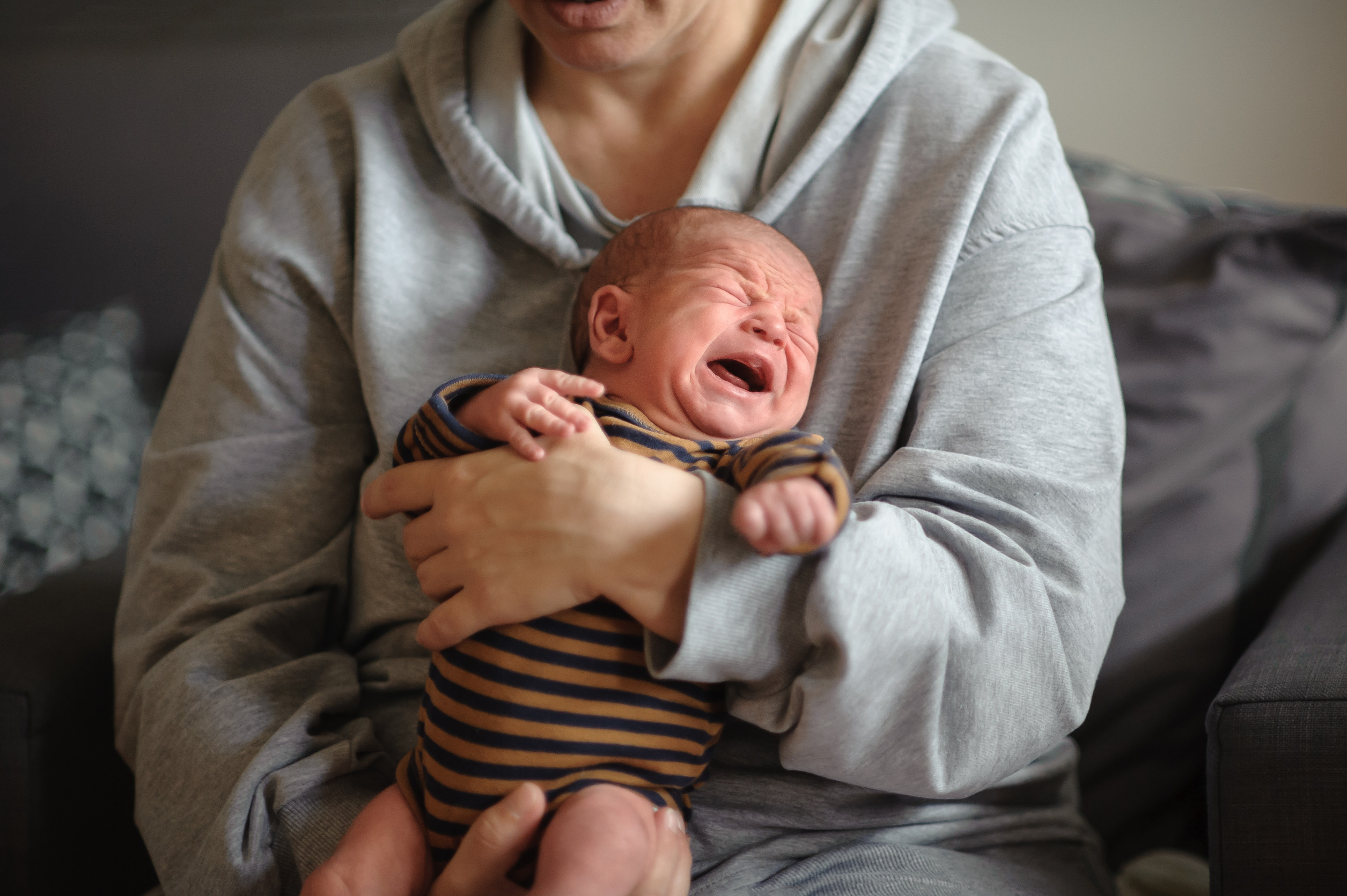
Babies can’t tell you with words when something feels off, but their body language, reactions, and instincts speak volumes. While many adults assume babies are too young to sense emotional discomfort, research shows that even infants can pick up on tension, fear, or unease. Whether it’s a babysitter, relative, or even a friend, it’s important to recognize when your baby doesn’t feel safe with someone. Noticing the signs early can help you protect your child’s emotional well-being and make better decisions about who they spend time with. Let’s explore the most common cues that your baby may be reacting to someone they don’t trust.
1. They Cry Immediately Upon Seeing the Person
If your baby cries the moment someone enters the room or takes them into their arms, it may be more than just separation anxiety. Babies often cry when they feel overwhelmed or unsafe. A sudden and intense crying response that doesn’t improve with soothing is worth paying attention to. While some clinginess is normal, consistent negative reactions to a specific individual should not be ignored. It could be your baby’s way of expressing discomfort or distress.
2. They Cling Tightly to You and Won’t Let Go
Babies naturally seek comfort from their primary caregiver, but if your baby becomes extra clingy in the presence of one specific person, that’s a sign that something may be wrong. They may bury their face in your shoulder, grab tightly, or physically resist being handed off. This behavior often means your baby doesn’t feel safe and is seeking protection. If the clinginess vanishes as soon as the person leaves, trust your baby’s instincts. Babies know more than we give them credit for.
3. Their Body Tenses Up
Pay close attention to your baby’s body language when they’re near someone new. If their muscles stiffen, their fists clench, or they appear rigid rather than relaxed, that’s a physical sign of stress or fear. A baby who feels safe will usually relax into cuddles or show curiosity. Tension, on the other hand, is a signal that they are on high alert. Watch for repeated stiffness around the same individual, especially when it’s not present around others.
4. They Avoid Eye Contact
Babies are naturally drawn to faces and often make eye contact as a way to bond and engage. If your baby consistently avoids eye contact with someone, that can be a red flag. It may suggest discomfort or a lack of trust. While occasional shyness is normal, a pattern of looking away, turning their head, or focusing on anything but the person could mean your baby doesn’t feel safe in their presence. Eye contact is one of the earliest forms of connection for infants.
5. Their Sleep Patterns Are Disrupted After Visits
If your baby’s nap schedule or nighttime sleep suddenly changes after spending time with someone, it could be their way of processing anxiety. Babies often respond to stress with disrupted sleep. You might notice more frequent night waking, shorter naps, or general restlessness. If these changes line up with time spent around a certain person, it’s worth taking seriously. Babies don’t always cry in the moment—they sometimes process fear later in subtler ways.
6. They Push Away or Arch Their Back
Physical resistance is one of the clearest signs that a baby doesn’t feel safe. If your baby squirms, arches their back, or pushes away when held by someone, listen to what their body is telling you. These actions are instinctual, self-protective responses. A baby who feels safe is more likely to snuggle in or relax into the person’s arms. If you’re consistently seeing your baby reject physical closeness with someone, don’t brush it off.
7. They Suddenly Go Silent
Silence can be just as telling as crying. If your usually vocal, cooing baby goes quiet around someone, that’s worth noticing. Some babies shut down or freeze when they feel threatened or uncomfortable. The change may be subtle but consistent, especially if they seem subdued or expressionless. Trust your gut if your baby seems emotionally shut off in certain company.
8. They Flinch at Sudden Movements
A baby who flinches when someone moves toward them quickly may not feel emotionally or physically safe. This is especially concerning if it happens more than once. Babies should feel comfortable exploring and reacting to the world without fear. If a baby flinches in response to a specific person’s movements, tone, or touch, it may indicate past discomfort or overstimulation. This is one of those signs that’s easy to miss but important to take seriously.
9. They Refuse to Eat or Feed Around the Person
Babies who don’t feel safe often won’t eat, even if they’re hungry. Feeding requires a sense of security, so refusal to nurse or take a bottle can be a red flag. If your baby is consistently uninterested in feeding while a certain person is around, that’s not just a coincidence. It could be their way of saying “something’s wrong” without words. Make a note of feeding patterns in different environments and with different people.
10. Your Gut Tells You Something’s Off
This may be the most overlooked sign of all, but it matters just as much. If you notice repeated signs that your baby doesn’t feel safe and your instincts tell you to take a step back from someone, don’t ignore it. Parents often have a sixth sense when it comes to their children’s well-being. You don’t need hard proof to honor a feeling that something is off. Trusting your baby’s cues—and your own—can be one of your best parenting tools.
When Safety Speaks Louder Than Words
Babies may not talk yet, but they have their own powerful ways of communicating. When a baby doesn’t feel safe, the signs can be subtle or loud, but they’re almost always consistent. As parents, it’s our job to notice, trust, and respond. Watching how your baby reacts to others can tell you more than words ever could. Don’t second-guess your child’s behavior just because they’re small—your baby’s safety is always worth listening to.
Have you ever picked up on your baby’s discomfort around someone? What did you notice first? Share your experience in the comments!
Read More:
10 Empowering Things to Teach Your Baby Girl from the Start
8 Baby Nursery Ideas That’ll Make Your Friends Jealous

Catherine is a tech-savvy writer who has focused on the personal finance space for more than eight years. She has a Bachelor’s in Information Technology and enjoys showcasing how tech can simplify everyday personal finance tasks like budgeting, spending tracking, and planning for the future. Additionally, she’s explored the ins and outs of the world of side hustles and loves to share what she’s learned along the way. When she’s not working, you can find her relaxing at home in the Pacific Northwest with her two cats or enjoying a cup of coffee at her neighborhood cafe.
