
• Home
  • About Us
  • Toolkit
  • Archives
  • Advertise
  • Privacy Policy

Kids Ain't Cheap

But They Sure Are Worth It

  • Parenting
    • Baby Stuff
    • Books and Reading
      • Aesops Fables
      • Comic Books
    • Education
    • Family Time
    • Green Living
    • Growing Up
    • Healthy Living & Eating
    • Holidays
    • Parenting
    • Random Musings
    • Shopping
    • Stuff to Do
  • Money
  • Product Reviews
    • Books and Magazines
    • Discount Sites
    • Furniture
    • House Keeping
    • Reviews News
    • Toys and Games
  • Contact Us
  • Our Editorial Commitment
  • Search

Why Two Kids Was Our Perfect Stopping Point

May 20, 2025 | Leave a Comment

Why Two Kids Was Our Perfect Stopping Point

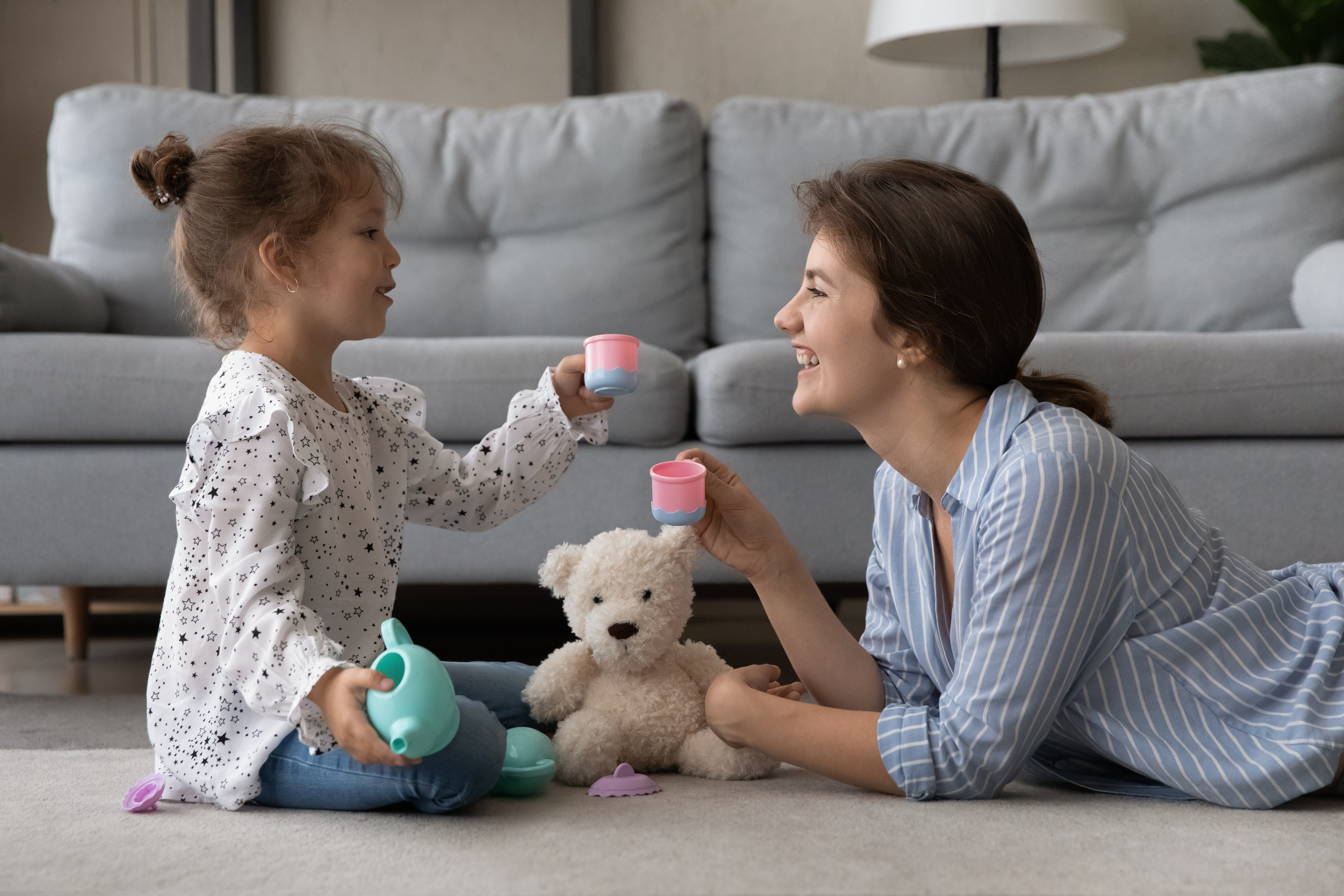
There’s something meaningful about the moment a family feels complete. For some, that moment comes with the first child. For others, it might not arrive until the third or even fourth. But for many families, it comes with two kids—a feeling of balance, joy, and just enough chaos to keep things interesting without overwhelming the household. Choosing to stop at two kids can be less about settling and more about embracing peace, presence, and a sustainable rhythm.

1. Each Child Gets the Attention They Deserve

One compelling reason to stop at two kids is the ability to truly be present for each child. With only two to care for, time and emotional energy can be divided more evenly. School events, bedtime stories, and one-on-one conversations feel more manageable and less rushed. Fewer siblings often means less competition for attention, allowing stronger bonds to form. These parenting dynamics often lead to deeper relationships and more intentional engagement.

2. Financial Stability Feels More Realistic

Raising children is undeniably expensive, from daycare to college tuition. Having two kids allows many families to budget effectively without the constant pressure of financial strain. There’s often more room to plan vacations, invest in extracurriculars, and build savings. With fewer dependents, long-term financial goals become more attainable. For many households, two kids offers a balance between family enrichment and financial health.

3. Household Logistics Stay Manageable

Life with two kids can still be hectic, but it’s often far more manageable than larger-family logistics. Mornings, car rides, and meal times remain busy but not unmanageable. Chores can be divided more fairly, and schedules are easier to coordinate. There’s enough activity to keep things lively without tipping into overwhelming territory. Many families find that two kids keep the home bustling but not chaotic.

4. The Adult Relationship Gets Space to Breathe

Parenting can take a toll on a couple’s relationship, especially when the demands feel nonstop. With two kids, there’s often enough bandwidth left to nurture the partnership as well. Time for connection—even small moments—becomes easier to reclaim. Maintaining a strong relationship becomes more sustainable when the parenting load is shared without constant exhaustion. A healthy marriage or partnership benefits the entire family structure.

5. There’s a Healthy Balance of Presence and Independence

The 1:1 parent-to-child ratio has its advantages. Tasks like homework help, bedtime routines, and errands can be handled without burnout. Parents can show up for each child without feeling constantly spread thin. This balance supports both involvement and autonomy in parenting. Two kids often allow families to stay connected without feeling overextended.

6. Built-In Companionship Without Competition Overload

The sibling bond can flourish in a two-child home. While disagreements are inevitable, having just one sibling can reduce rivalry and promote deeper connections. With fewer personalities competing for attention, relationships tend to stabilize more easily. Playtime and shared experiences between two kids can build lifelong friendship and emotional support. These early bonds often extend well into adulthood.

7. Room Remains for Personal Growth

Parenting is demanding, but family life shouldn’t come at the expense of personal development. With two kids, parents often retain more time for hobbies, career goals, or creative pursuits. Space exists for rest, reflection, and individual growth. This balance can enhance parental well-being, which directly benefits children. A family of four may offer both joy and flexibility.

8. The Feeling of “Done” Is Clear

Sometimes, a sense of completeness arrives without doubt. After welcoming two kids, many parents describe a deep feeling of fulfillment. The urge for another child doesn’t appear, and attention shifts to building the life already started. That sense of closure can bring peace and confidence in future plans. Trusting that feeling is part of intentional parenting.

The Power of Knowing What Works

In a world that often celebrates more, choosing fewer can be an intentional act of clarity. For many families, stopping at two kids provides the best chance to thrive—emotionally, financially, and relationally. There’s space to grow, connect, and enjoy each other without feeling overwhelmed. Two kids can be the perfect fit, offering a beautiful balance of chaos and calm.

Have you found your perfect stopping point when it comes to family size? What helped you make the decision? Share your experience in the comments!

Read More:

Should People Be Fined for Having Too Many Kids?

Suburbs Or City: Where Is The Best Place To Raise A Family?

Catherine Reed
Catherine Reed

Catherine is a tech-savvy writer who has focused on the personal finance space for more than eight years. She has a Bachelor’s in Information Technology and enjoys showcasing how tech can simplify everyday personal finance tasks like budgeting, spending tracking, and planning for the future. Additionally, she’s explored the ins and outs of the world of side hustles and loves to share what she’s learned along the way. When she’s not working, you can find her relaxing at home in the Pacific Northwest with her two cats or enjoying a cup of coffee at her neighborhood cafe.
Filed Under: Family Tagged With: family planning, family size, intentional parenting, parenting choices, parenting on a budget, Raising Children, two kids

8 Reasons Your Kids Prefer Babysitters to Their Actual Parents

May 19, 2025 | Leave a Comment

8 Reasons Your Kids Prefer Babysitters to Their Actual Parents

It can sting a little when your child squeals with joy the moment the babysitter walks through the door—and barely looks up when you come home. While it’s easy to take it personally, this preference doesn’t mean your child loves the sitter more. It often means the sitter fills a role that’s different, lighter, and more fun than the one you’re in every day. Babysitters get to step into a version of parenting without the laundry, discipline, or school forms. And while intentional parenting requires juggling countless responsibilities, a sitter’s only job is to make sure the kids are happy, safe, and entertained for a few hours.

That doesn’t mean you’re doing anything wrong. In fact, your child’s affection for a sitter might say more about what they crave than what they’re lacking. Kids aren’t emotionally mature enough to understand nuance, so they respond to what’s easy, joyful, and immediate. Understanding why your kids seem to gravitate toward a sitter can offer valuable insights into what they need more of at home. Here are eight common reasons children may prefer their babysitter over their actual parents.

1. Babysitters Don’t Have to Say “No” All the Time

Parents often spend the day saying no: no to more screen time, no to cookies before dinner, no to skipping homework. Babysitters, on the other hand, are usually the “yes” crew. They might say yes to that third game of Uno or another round of hide-and-seek because they don’t have to manage bedtime, chores, or school routines later. The constant stream of “yes” feels fun and freeing to kids. Intentional parenting doesn’t get the luxury of being the fun one 24/7.

2. They Give Undivided Attention

While parents are multitasking between dinner, dishes, emails, and sibling drama, babysitters often offer focused one-on-one interaction. They’re not worrying about bills or grocery lists during playtime. Kids pick up on this availability quickly—they can feel when someone is present and interested. When they sense full attention, they feel more seen and valued. Sometimes, kids just want to feel like the center of someone’s universe, even for an hour.

3. Sitters Come Without Baggage

Kids have a history with their parents—every timeout, every disagreement, every rushed morning. Babysitters show up with a clean slate and no past frustrations. There’s no leftover tension or expectations weighing down the moment. That neutrality feels refreshing to kids who may still be processing the last parent-child standoff. A fresh face can feel like a break from emotional responsibility.

4. They Turn Everything Into a Game

Babysitters often find creative ways to make things fun, whether it’s racing to clean up toys or turning snack time into a picnic on the floor. Parents, pressed for time, may default to just getting things done. When the sitter turns brushing teeth into a singing contest, it’s no surprise kids are eager to participate. Playful parenting takes energy that many parents simply run out of by 6 p.m. Kids naturally gravitate toward the person who makes things feel like a party instead of a process.

5. No Power Struggles

Kids test boundaries with the people they trust most—usually their parents. That’s why tantrums, refusal, and backtalk are often reserved for you, not the sitter. Babysitters often get compliance simply because kids aren’t invested in pushing back against them. The stakes feel lower, and there’s no emotional battle to win. Intentional parenting often involves navigating these power dynamics daily, but sitters get to skip most of that tension.

6. Babysitters Match Their Energy

Sitters often show up ready to play, energized by the novelty of the interaction. They might bring crafts, create scavenger hunts, or willingly run laps around the house. Parents, by contrast, are sometimes running on fumes after work or a long day of errands. That difference in energy levels is noticeable to kids, who want someone who’s fully in the moment. It’s not a failure of parenting—it’s just reality.

7. There’s Less Pressure to Be Perfect

Children often sense the expectations that come with parenting. They know when they’re being judged, corrected, or pushed to be better versions of themselves. Sitters don’t typically correct posture, manners, or behavior beyond safety and kindness. That lack of pressure feels like freedom, especially to kids who feel constantly “on” around adults. Sometimes, kids just want to relax without the emotional weight of being “good.”

8. Babysitters Don’t Carry the Mental Load

The mental load of parenting is real—and heavy. Parents are tracking school deadlines, meal plans, emotional wellness, and long-term goals. Babysitters, meanwhile, show up with one job: have fun and keep the kids alive. Without the distractions of mental logistics, they’re free to be silly, creative, and completely present. Kids naturally respond to that kind of undivided focus and playfulness.

You’re Still Their Safe Place (Even If the Sitter Gets More Hugs)

It’s easy to feel like you’re losing when your child lights up for someone else. But here’s the truth: kids act out and unload on the people they feel safest with. The sitter may win the popularity contest for now, but you’re the one shaping your child’s long-term emotional world. Intentional parenting means accepting that sometimes you won’t be the favorite—and knowing that’s a sign you’re doing the deeper, harder work of love.

Has your child ever surprised you with how much they adored a sitter? What did you learn from watching their bond? Share your story in the comments!

Read More:

8 Reasons Your Kids Prefer School Lunches to What You Pack

8 Reasons Your Kids Prefer Being at Daycare More Than Home

Catherine Reed
Catherine Reed

Catherine is a tech-savvy writer who has focused on the personal finance space for more than eight years. She has a Bachelor’s in Information Technology and enjoys showcasing how tech can simplify everyday personal finance tasks like budgeting, spending tracking, and planning for the future. Additionally, she’s explored the ins and outs of the world of side hustles and loves to share what she’s learned along the way. When she’s not working, you can find her relaxing at home in the Pacific Northwest with her two cats or enjoying a cup of coffee at her neighborhood cafe.

Filed Under: Child behavior Tagged With: babysitter tips, child behavior, emotional connection, intentional parenting, parent guilt, parenting challenges, raising kids

Why “Being There” Is No Longer Enough as a Modern Parent

May 18, 2025 | Leave a Comment

Why Being There Is No Longer Enough as a Modern Parent

For generations, simply being physically present was the hallmark of good parenting. A parent who came home every night, showed up for school plays, and made sure dinner was on the table was often seen as doing their job well. But modern parenting has evolved, and with it, the expectations placed on caregivers. Today’s children face an entirely different world—fast-paced, digitally connected, emotionally complex—and they need more than just proximity from their parents. They need active engagement, emotional availability, and intentional parenting strategies to thrive.

Modern parents are balancing more than ever: demanding jobs, rising costs of living, and the pressure to raise well-rounded, emotionally intelligent children. Just being in the same room isn’t enough if a parent is glued to their phone or mentally distracted. Kids need to feel seen, heard, and supported—not just supervised. The days of passive parenting are over. To meet today’s challenges, parents need to be more intentional in how they show up for their children.

1. Emotional Presence Matters More Than Ever

Children are remarkably perceptive. They can tell the difference between a parent who is genuinely interested in what they’re saying and one who is distracted. Emotional presence means tuning in—making eye contact, asking thoughtful questions, and being genuinely responsive to a child’s needs. This level of connection helps build emotional intelligence and security. In a world filled with noise and distraction, emotional presence has become the real marker of effective parenting.

2. Active Listening Is a Parenting Superpower

It’s easy to hear what your child is saying without really listening. True listening means putting down your device, making space for their thoughts, and resisting the urge to immediately fix or correct. Active listening teaches children that their feelings are valid and encourages open communication. When kids know they’re being heard, they’re more likely to come to their parents with bigger concerns. It’s not just a skill, it’s a relationship-building habit every modern parent should master.

3. Kids Need Coaching, Not Just Caretaking

In the past, parenting was often about protection and providing basic needs. While those things are still essential, modern parenting includes guiding children through emotional ups and downs, helping them problem-solve, and modeling coping skills. Parenting today is more like coaching: encouraging independence while being available for support. Children benefit from parents who teach resilience, empathy, and critical thinking, not just from those who provide food and shelter. This kind of mentorship creates confident, capable kids.

4. Digital Engagement Should Be Meaningful

Technology is woven into every part of our children’s lives—from education to entertainment. Simply monitoring screen time isn’t enough. Modern parents must engage with what their kids watch, play, and consume online. Asking questions about their favorite YouTubers or playing a video game together can foster connection. It also opens the door for conversations about online safety, empathy in digital spaces, and media literacy.

5. Modeling Matters More Than Ever

Children are learning more from what parents do than what they say. If a parent preaches the importance of kindness but models sarcasm or anger, kids will internalize the actions, not the words. Being mindful of how one speaks, handles stress, and treats others sends a powerful message. Modeling healthy behaviors—like emotional regulation, respect, and self-care—helps children adopt those habits for themselves. Parents must remain the most influential in the digital age, where role models are everywhere.

6. Flexibility and Growth Are Part of the Job

Gone are the days when one-size-fits-all parenting advice worked for every child. Modern parenting requires flexibility because each child’s temperament, interests, and struggles are unique. Parents who are open to learning, adapting their approach, and apologizing when they make mistakes foster trust and resilience. Growth mindset isn’t just for kids—it’s for parents, too. Being willing to evolve with your child shows that love means meeting them where they are, not where you expected them to be.

7. Quality Time Beats Quantity Every Time

Parents may not always have hours to spare, but the quality of time spent together can make a big impact. A five-minute bedtime chat or a weekend walk without distractions can mean more to a child than a full day spent in the same room without connection. Prioritizing rituals—like family dinners, game nights, or story time—helps nurture bonds. These moments of connection become the foundation of trust and belonging. For many families, the small, consistent moments leave the biggest mark.

Parenting in the Present Tense

Being physically present is no longer enough—how parents show up mentally, emotionally, and relationally truly matters. The modern world has shifted the parenting landscape, and with that shift comes a deeper need for presence, intentionality, and flexibility. Our kids don’t just need us around; they need us tuned in, responsive, and engaged in who they are becoming. The good news is that modern parenting doesn’t require perfection—just progress, honesty, and effort. When parents are willing to grow alongside their children, a stronger, more connected family results.

What are your favorite ways to stay emotionally connected with your kids in your busy day-to-day life? Share your thoughts in the comments!

Read More:

8 Modern Parenting Trends That Are Making Kids Entitled

Why Modern Parents Feel Broke No Matter Their Income

Catherine Reed
Catherine Reed

Catherine is a tech-savvy writer who has focused on the personal finance space for more than eight years. She has a Bachelor’s in Information Technology and enjoys showcasing how tech can simplify everyday personal finance tasks like budgeting, spending tracking, and planning for the future. Additionally, she’s explored the ins and outs of the world of side hustles and loves to share what she’s learned along the way. When she’s not working, you can find her relaxing at home in the Pacific Northwest with her two cats or enjoying a cup of coffee at her neighborhood cafe.

Filed Under: Parenting Tagged With: emotional connection, family relationships, intentional parenting, modern parenting, parenting advice, parenting strategies, quality time with kids, Raising Children

  • Facebook
  • Pinterest
  • RSS
  • Twitter

Basic Principles Of Good Parenting

Here some basic principles for good parenting:

  1. What You Do Matters: Your kids are watching you. So, be purposeful about what you want to accomplish.
  2. You Can’t be Too Loving: Don’t replace love with material possessions, lowered expectations or leniency.
  3. Be Involved Your Kids Life: Arrange your priorities to focus on what your kid’s needs. Be there mentally and physically.
  4. Adapt Your Parenting: Children grow quickly, so keep pace with your child’s development.
  5. Establish and Set Rules: The rules you set for children will establish the rules they set for themselves later.  Avoid harsh discipline and be consistent.
  6. Explain Your Decisions: What is obvious to you may not be evident to your child. They don’t have the experience you do.
  7. Be Respectful To Your Child: How you treat your child is how they will treat others.  Be polite, respectful and make an effort to pay attention.
Best Parenting Blogs

Most Popular

11 Ways Kids Are Outsmarting Parental Controls 1. Using Alternate Devices One common trick is simply turning to another device. If a child’s main phone or tablet is restricted, they may borrow a sibling’s, friend’s, or even a school laptop. This instantly gives them access to content outside of parental oversight. Parents often focus on one device, forgetting that others in the household can serve as loopholes. Knowing this tactic helps families tighten controls across all electronics. 2. Clearing Browsing Histories Many kids quickly learn that clearing browsing history hides evidence of restricted activity. With just a few clicks, they can erase any trace of websites visited. This makes it harder for parents to notice when rules are being broken. Parents may assume no history means no browsing, but the reality is often the opposite. Kids are outsmarting parental controls by making it seem like nothing happened at all. 3. Using Private Browsing Modes Most browsers offer “incognito” or private browsing features. Kids use this mode to access websites without leaving a record in the history. To parents checking later, everything looks clean and safe. This simple trick is often one of the first ways kids discover how to bypass restrictions. Conversations about private browsing can help close this gap. 4. Guessing or Resetting Passwords Children who are persistent may try to guess passwords to parental control apps or accounts. Others may find ways to reset them through email prompts or security questions. Once inside, they can disable restrictions entirely. Parents may not even realize controls have been altered until much later. Stronger, less predictable passwords can make this more difficult. 5. Using VPNs to Hide Activity Virtual private networks, or VPNs, let kids disguise their online locations. With one downloaded app, they can bypass geographic or parental restrictions. Some children learn about VPNs through friends or even social media. This makes it easy for them to reach content that should be blocked. Parents often underestimate just how simple it is for kids to use these tools. 6. Creating Fake Accounts When parents monitor social media, kids may create hidden accounts. These “finstas” or fake profiles allow them to interact freely without parental oversight. While their main account appears harmless, the secondary one tells a different story. Kids are outsmarting parental controls by playing both sides at once. Checking for duplicate accounts can help parents stay more aware. 7. Exploiting Time Zone Settings Some kids change the time zone on their devices to bypass screen time limits. This trick allows them to gain extra hours of usage undetected. Parents may assume controls are working, but in reality, the child is bending the clock. It’s a clever loophole that highlights just how resourceful kids can be. Monitoring device settings regularly can catch this tactic. 8. Disabling or Uninstalling Apps Parental control apps can be deleted or disabled with surprising ease. Some kids even reinstall them before a parent checks, making it seem like nothing changed. Others may simply restrict permissions to prevent apps from functioning properly. When apps aren’t monitored closely, parents may not notice they’ve been tampered with. This shows the importance of consistent follow-up. 9. Turning to Friends for Access If a child can’t get past restrictions on their own, they may rely on friends. Visiting a friend’s house or borrowing their phone can give them a free pass. Parents often forget that peer environments can override restrictions set at home. This kind of social workaround is especially common with gaming or social media. Open conversations about trust and responsibility are essential. 10. Hiding Apps in Plain Sight Kids sometimes download apps that look innocent but serve as gateways to hidden activity. These apps may disguise themselves as calculators or utilities. In reality, they allow file storage, private messaging, or browser access. Parents glancing at a home screen may overlook them entirely. Learning to recognize these disguised apps can help parents stay informed. 11. Outpacing Parents’ Tech Knowledge Finally, kids often know more about devices than their parents do. Whether through YouTube tutorials, TikTok hacks, or peer groups, they quickly learn advanced workarounds. This knowledge gap means controls can be bypassed before parents even realize the loophole exists. Staying informed and continually learning about new technology is the best defense. Kids are outsmarting parental controls because they adapt faster than most adults. The Real Solution Lies Beyond Restrictions While controls and filters are important, no system is perfect. Kids will always find creative ways around barriers, making communication the strongest safeguard. Setting clear expectations, building trust, and having ongoing conversations about online behavior matter more than apps alone. Parents who combine technology with open dialogue create a safer digital environment. The goal isn’t to win a battle of wits but to build a relationship that keeps kids both safe and honest. Do you think kids are outsmarting parental controls faster than parents can keep up? Share your experiences in the comments below. What to Read Next... 6 Parenting Tech Shortcuts That Can Expose Your Child to Strangers How Much Screen Time Is Too Much—Legally Speaking? Is Your Child’s School Quietly Tracking Their Location Without Your Consent? How Much Screen Time Is Quietly Reshaping Childhood Behavior? Why Some Parents Are Being Investigated Over Homeschooling Records

11 Ways Kids Are Outsmarting Parental Controls

Catherine Reed
Smiling grandfather holding a happy baby indoors.

Why Grandparents Shouldn’t Babysit Their Grandkids Every Week – The Unspoken Issue

Samantha
Girl getting makeup done, referencing psychologist-approved age.

Wearing Makeup: Here Is the Age That Psychologists Agree It’s Okay for Girls to Wear Makeup

Samantha
birthday gifts

7 Birthday Gifts Your Child Should Never Bring to a Party

Latrice Perez

Babysitting Without Cash: 10 Ways to Barter Your Way Out of Childcare Costs

Ashleigh Clyde

All content on Kids Ain’t Cheap is for entertainment purposes only. By reading this blog, you agree that Kids Ain’t Cheap is not responsible for any actions taken after reading this blog. For the full disclaimer, see our privacy policy.

Please note that Kids Ain’t Cheap has financial relationships with some of the merchants mentioned here. Kids Ain’t Cheap is funded by banner advertising, commission sales and search optimization consulting.

Copyright © 2006–2026 | District Media | All Rights Reserved | Privacy Policy

Copyright © 2026 Runway Pro Theme by Viva la Violette