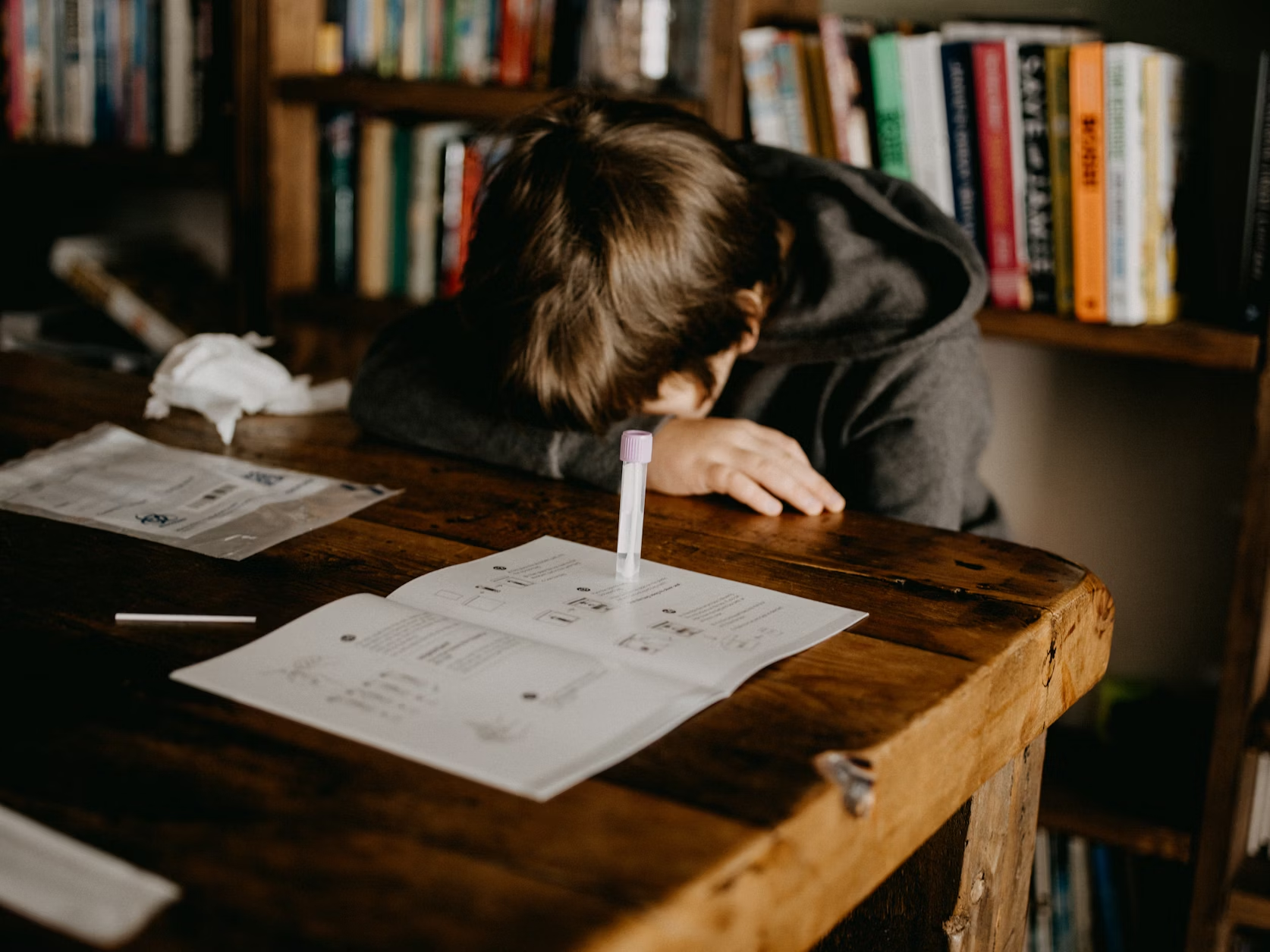
As parents, we’re often tuned in to the big moments—report cards, birthdays, or a sudden tantrum in the cereal aisle. But what about the quieter, less obvious shifts in your child’s behavior or mood? Kids don’t always say, “I’m having a tough time.” Instead, they show us. Recognizing the signs your child is struggling—sometimes before they even realize it themselves—can help you step in early, before minor stresses snowball into bigger issues.
Below are 10 subtle indicators that your child might be facing emotional or mental challenges, along with supportive ways to respond.
1. Unexplained Changes in Daily Routines
Has your child suddenly stopped eating breakfast or started sleeping at odd hours? Shifts in basic routines—like sleeping, eating, or hygiene—can signal emotional or mental distress. According to guidance from pediatric organizations, notable changes in daily habits may point to underlying mental health concerns. Because these red flags can blend into normal family chaos, they’re easy to overlook. Pay attention if something feels consistently “off.”
2. School Avoidance or Drop in Enthusiasm
It’s normal for kids to complain about homework. But daily morning meltdowns, frequent “sick days,” or intense anxiety before school may be a sign of deeper issues. This kind of school refusal can result from academic stress, peer conflicts, or separation anxiety, as highlighted by resources on school avoidance. If your child is unwilling to discuss the cause, consider reaching out to their teacher or a counselor to identify what’s really going on.
3. Increased Sensitivity or Irritability
Is your usually calm child suddenly on edge? Minor frustrations may trigger major outbursts, or they may get tearful over situations that never bothered them before. These emotional explosions often signal that something more significant lies beneath the surface. Observing these changes in mood and asking gentle, open-ended questions can open the door to what’s really troubling them.

4. Attention-Seeking Behavior
Sometimes a child repeatedly acts out—whining, defying, or being unusually loud—because they feel disconnected. They might also withdraw or become extra quiet in a bid for attention. Experts note that such actions can be a child’s way of saying, “I need you to notice me.” Rather than labeling this as “bad behavior,” try seeing it as a signal. Ask yourself: What are they truly trying to tell me?
5. Physical Complaints Without Clear Medical Cause
Recurrent headaches, stomachaches, or general aches—especially around specific times, like before school—can sometimes indicate emotional distress. Of course, every child fakes an illness once in a while, but ongoing or patterned physical complaints may be tied to anxiety or other mental health challenges. Paying attention to timing and consistency can help you detect whether stress is the hidden culprit.
6. Sudden Withdrawal from Family or Friends
A child who once shared every detail of their day might start isolating behind a locked bedroom door. This type of social withdrawal can be a coping mechanism for emotions they don’t fully understand. If you notice changes—like skipping out on favorite family activities or avoiding friends—it’s worth checking in. Sometimes just knowing you’re available and willing to listen is enough to encourage them to open up.
7. Drop in Academic Performance
Are missing assignments piling up? Has your child’s teacher noted a lack of focus? Stress, anxiety, and other emotional issues directly impact the ability to concentrate. The shift might show up as poor grades or forgotten homework. Instead of assuming they’re just lazy or unmotivated, consider that emotional challenges could be interfering. A compassionate conversation is a better first step than punishment.
8. Intense Perfectionism or Fear of Mistakes
On the flip side, watch for kids who crumble emotionally over minor errors. Perfectionism can be another sign of inner distress, reflecting a deep fear of failure or disappointment. It’s crucial to reassure your child that mistakes are part of learning. Encourage them to see errors as opportunities for growth instead of catastrophes.
9. Loss of Interest in Hobbies They Once Loved
Did your sports-loving child suddenly quit the team, or your budding artist abandon their paintbrushes? A noticeable decline in previously enjoyed activities could point to sadness, anxiety, or overwhelm. Before jumping to conclusions, try gently inviting them to revisit that activity together. It might rekindle some enthusiasm—or reveal that something else is getting in the way of their passion.
10. Gut Feeling That Something Is “Off”
You know your child best. Sometimes, there’s no blatant behavior—just a strong parental intuition that something isn’t right. Trust that inner voice. Even a simple check-in, like “I’ve noticed you seem different lately. Want to chat?” can open the door. Making space for casual but caring conversations can make a world of difference.
What Matters Most: Connection Over Correction
Spotting the signs your child is struggling is about understanding, not diagnosing. Kids often lack the words to explain what’s wrong, so their emotions manifest in other ways. By staying curious, asking questions, and keeping communication lines open, you show them they’re not alone—and that you’re ready to help.
If you notice any combination of these signs persisting, consider seeking guidance from a pediatrician, school counselor, or mental health professional. Early support can prevent bigger hurdles down the line. Ultimately, your presence and willingness to listen may be exactly what your child needs to feel safe, heard, and loved.
Have you noticed any of these subtle changes in your own child? Feel free to share your experiences or tips in the comments below. Sometimes, just knowing we’re not alone can ease the burden for both parents and kids.
Read More
- 7 Common Types of Behavioral Disorders in Children Every Parent Should Know
- Unlock the Heart of Your Child: 10 Life-Changing Ways to Build an Emotional Bond

Samantha Warren is a holistic marketing strategist with 8+ years of experience partnering with startups, Fortune 500 companies, and everything in between. With an entrepreneurial mindset, she excels at shaping brand narratives through data-driven, creative content. When she’s not working, Samantha loves to travel and draws inspiration from her trips to Thailand, Spain, Costa Rica, and beyond.
