
• Home
  • About Us
  • Toolkit
  • Archives
  • Advertise
  • Privacy Policy

Kids Ain't Cheap

But They Sure Are Worth It

  • Parenting
    • Baby Stuff
    • Books and Reading
      • Aesops Fables
      • Comic Books
    • Education
    • Family Time
    • Green Living
    • Growing Up
    • Healthy Living & Eating
    • Holidays
    • Parenting
    • Random Musings
    • Shopping
    • Stuff to Do
  • Money
  • Product Reviews
    • Books and Magazines
    • Discount Sites
    • Furniture
    • House Keeping
    • Reviews News
    • Toys and Games
  • Contact Us
  • Our Editorial Commitment
  • Search

Ways to Reuse Holiday Wrapping Materials to Save on Crafts with Kids

December 28, 2025 | Leave a Comment

Ways to Reuse Holiday Wrapping Materials to Save on Crafts with Kids
Image source: shutterstock.com

After the holidays, most homes are sitting on a mini goldmine of craft supplies—bags, boxes, ribbons, tissue paper, and random shiny bits that somehow multiply overnight. Before it all gets crammed into a closet (or tossed in a fit of cleanup energy), take ten minutes to sort it with your kids. You’ll save money on crafts, keep little hands busy, and stretch the fun long past the last gift. Best of all, using what you already have makes crafting feel spontaneous instead of like another errand.

1. Turn Gift Bags Into Sturdy Collage Pages

Gift bags have thicker paper than most construction paper, which makes them perfect for crafts that need a strong base. Cut the sides apart and you’ve got flat sheets for collages, vision boards, or “about me” posters. Kids can glue scraps, stickers, and drawings without the page curling up immediately. If you’re sorting holiday wrapping materials, stack bags by size and let kids pick their favorites for each project. This simple step can replace a whole pack of poster board you might’ve bought.

2. Save Tissue Paper For Sun Catchers And Layered Art

Tissue paper feels like trash during cleanup, but it’s one of the easiest craft wins for kids. Use it for stained-glass-style window art with contact paper, or layer it on white paper with glue to make colorful “painted” effects. Torn tissue works better than perfectly cut shapes, which means younger kids can participate without frustration. Keep a shoebox just for tissue so it doesn’t get crushed inside other holiday wrapping materials. When a winter afternoon drags, you’ll be glad you saved it.

3. Reuse Ribbon For Fine Motor Practice And Decorations

Ribbon is basically a free activity in disguise, especially for kids who like to fidget. Set out a basket of ribbon pieces and let kids practice tying knots, making bows, or weaving patterns through cardboard. They can also wrap ribbon around jars or toilet paper rolls to create little “vases” or napkin rings. Short pieces become bookmark tassels or hanging loops for homemade ornaments. When you gather holiday wrapping materials, separate ribbon by texture so you can quickly grab what works for tying or weaving. It’s cheap, it’s quiet, and it builds skills without feeling like homework.

4. Use Wrapping Paper Scraps For Cut-And-Paste Scenes

Wrapping paper is bright, patterned, and honestly way more interesting than most craft paper. Let kids cut out shapes to make winter scenes, houses, robots, or silly animals with fancy “fur.” Large scraps work like background paper for a whole scene, while tiny bits become confetti or mosaic pieces. Keep a folder or big envelope for flat scraps so they don’t crumple and disappear. If holiday wrapping materials are piling up, give each kid their own scrap envelope to reduce arguing. Suddenly, you’ve got a no-cost craft stash that feels brand new.

5. Repurpose Boxes Into Play Sets And Storage

Boxes are the MVP of post-holiday kid entertainment, and they’re useful long after the craft is done. Turn small boxes into little houses, cars, barns, or “mystery” dioramas with cut-out windows and paper decorations. Bigger boxes become puppet theaters, lemonade stands, or pretend ovens, especially if you add leftover wrapping paper as wallpaper. You can also use decorated boxes as storage for LEGO, art supplies, or dress-up bits. As you sort holiday wrapping materials, flatten and keep a few boxes in different sizes so you’re ready for the next rainy day. You’ll avoid buying plastic bins you don’t actually need.

6. Make Gift Tags Into Story Starters And Mini Games

Gift tags can do more than label presents, especially if you have a pile of unused ones. Use them as flashcards for silly prompts like “Draw a monster,” “Make up a joke,” or “Act like a penguin.” You can also write story starters and let kids pull a tag and build a short story around it. Hole-punched tags become a simple lacing activity with leftover ribbon, which keeps little hands busy while you make dinner. Holiday wrapping materials often include tags in every theme, so kids can sort them by color or pattern as part of the game. It’s low-prep and surprisingly effective.

7. Save Tape Tubes And Bows For Inventor Projects

Don’t underestimate the random little pieces, because kids love “inventor” crafts. Empty tape rolls become wheels, bracelets, or frames for tiny paper scenes. Bows can be used as flower centers, puppet hair, or decorations on homemade cards. Combine these with scraps and you’ve got a perfect “build something” challenge that encourages problem-solving. Store the odd bits in a clear container so kids can see what’s available without dumping everything out. When holiday wrapping materials are visible and sorted, kids use them more often and you clean up less.

A Post-Holiday Craft Stash That Saves Money All Year

The best part about reusing leftover supplies is that it turns clutter into options instead of guilt. A quick sort and a few simple containers can keep your craft supply spending low, even when kids want new projects every week. You’ll also get more creative variety, because wrapping items come in different textures, patterns, and shapes than standard craft packs. Plus, kids take pride in making something from “trash,” which is a win for confidence and independence. If you keep holiday wrapping materials organized, you’ll always have a ready-made activity when boredom hits.

What’s the weirdest wrapping leftover your kid has turned into a craft masterpiece?

What to Read Next…

Winter Craft Materials You Probably Already Have and Kids Will Love

10 Cozy Activities That Double as Emotional Regulation Tools

Quick Fixes for Parents to Avoid the “I’m Bored” Meltdown at Home

Smart Ways to Teach Kids About Money During Winter Break

Why Teaching Kids to Donate After the Holidays Can Save Money and Build Gratitude

Catherine Reed
Catherine Reed

Catherine is a tech-savvy writer who has focused on the personal finance space for more than eight years. She has a Bachelor’s in Information Technology and enjoys showcasing how tech can simplify everyday personal finance tasks like budgeting, spending tracking, and planning for the future. Additionally, she’s explored the ins and outs of the world of side hustles and loves to share what she’s learned along the way. When she’s not working, you can find her relaxing at home in the Pacific Northwest with her two cats or enjoying a cup of coffee at her neighborhood cafe.

Filed Under: Parenting Tagged With: crafting with kids, DIY activities, frugal parenting, holiday cleanup, Kids Crafts, low-cost crafts, reuse and recycle, winter activities

Creative Winter Projects Kids Can Make Using Items You Already Own

December 25, 2025 | Leave a Comment

Creative Winter Projects Kids Can Make Using Items You Already Own
Image source: shutterstock.com

When kids are stuck inside and boredom starts bouncing off the walls, it’s tempting to run to the store for a quick “fix.” But some of the best crafts and activities don’t come from a shopping bag, they come from a drawer, a recycling bin, and that random stash of buttons you forgot you had. At-home creativity is cheaper, calmer, and often more satisfying because kids get to invent instead of just assemble. If you’ve been craving activities that feel fresh without spending extra money, this list is for you. Here are creative winter projects kids can make using things you probably already own.

1. Cardboard “Snow Town” With Boxes And Paper Scraps

Grab cereal boxes, shipping boxes, and any cardboard you can safely cut, then help kids build a tiny neighborhood. These winter projects work best when kids draw doors, windows, and signs using markers, crayons, or leftover wrapping paper. Use tape, glue, or even folded tabs to stand buildings upright and connect them like a street. Add “snow” by tearing white paper, cotton balls, or tissue into little drifts. When it’s done, kids can play with it for days, not just minutes.

2. Sock Snowmen Made From Singles And Fillers

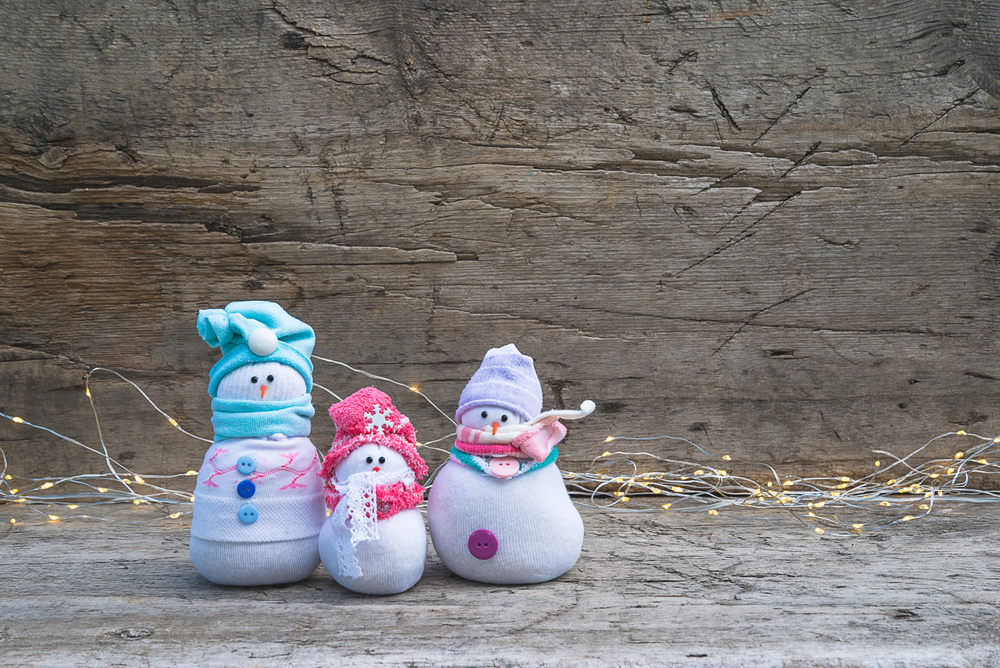
Those lonely socks without a match can finally become something useful… a snowman! For these projects, fill a sock with rice, dried beans, or even crumpled paper, then tie it off with a hair tie or string. Add a face with markers or buttons, and use ribbon, yarn, or scrap fabric for a scarf. If you have rubber bands, you can shape a head and belly by banding the sock in the middle. Kids love making a whole “family” of snowmen and naming each one.

3. “Window Snowflakes” Using Paper You’d Recycle

All you need is paper and scissors to create instant winter magic. Fold printer paper, old homework pages, or brown bag paper, then cut shapes and unfold for surprise designs. These winter projects become extra fun when kids try to make themes, like stars, trees, or initials. Tape the snowflakes to windows or string them into a garland for a big visual payoff. Even better, kids can make a few each day and watch the display grow.

4. DIY Snow Globes With Jars And Kitchen Odds And Ends

If you have a jar, you have the foundation for a snow globe-style craft. Use a small toy, a Lego figure, a pinecone, or a random figurine as the centerpiece, then secure it to the lid with glue if you have it. For these projects, fill the jar with water and add a pinch of glitter, confetti, or even tiny paper bits for the “snow.” A drop of dish soap can help the sparkle float more slowly, which kids find oddly fascinating. Just tighten the lid well and keep it as a shake-and-watch winter decoration.

5. Coffee Filter Or Tissue Paper “Stained Glass” Art

Kids can create bright, beautiful window art without fancy supplies. Color coffee filters with markers, then lightly spray with water so the colors blend, or use tissue paper squares stuck to a clear surface with a glue-and-water mix. These winter projects are perfect for using up old markers that don’t write perfectly anymore. Once the paper dries, tape it to a window and let sunlight do the decorating. It’s an easy win when you need something calming and low-mess.

6. Card Games Turned Into Homemade Board Games

Old decks of cards can become an entire game workshop. Have kids design a simple board on paper or cardboard, then use cards as movement rules, challenges, or “event” prompts. These winter projects build creativity and problem-solving because kids have to test the rules and fix what doesn’t work. Add tokens made from coins, buttons, or small toys, and you’ve got a playable game that feels original. The best part is that kids will want to teach the game to someone else, which reinforces the fun.

7. “Recycled Robot” Builds From Packaging And Containers

Save a few safe recyclables like paper towel tubes, egg cartons, yogurt cups, and bottle caps, and let kids invent characters. Use tape as your best friend and let perfection go, because the charm is in the weirdness. These projects get even better when kids create a backstory, name, and “powers” for their robot. If you have foil, stickers, or leftover gift tags, those make easy upgrades. When kids display their robot lineup, it feels like a mini art show at home.

8. Memory Or Matching Games Made From Old Cards And Paper

Cut cardstock, cereal boxes, or thick paper into small squares and let kids decorate pairs. You can theme it around winter shapes, family jokes, or even spelling words they’ve been practicing. These winter projects double as a game you can play on repeat, which makes the effort feel worth it. Keep the designs simple for younger kids and more detailed for older kids who like a challenge. Store the set in a zip bag or jar so it stays ready for the next bored afternoon.

9. Indoor “Campfire” Story Corner With Blankets And Flashlights

This isn’t a craft in the traditional sense, but it’s a project kids can build and then use. Stack pillows, drape blankets over chairs, and create a cozy corner with a flashlight “campfire” and paper flames. These projects help kids practice storytelling, especially if you add a jar of prompts written on scraps of paper. Kids can draw a prompt like “a talking mitten” or “a lost snow boot” and spin a story. It’s simple, screen-free fun that feels special because they helped create the setup.

10. Upcycled Gift Wrap Collages And “Winter Cards”

Save scraps of wrapping paper, tissue paper, and ribbon from holidays or birthdays and turn them into collage art. Kids can make greeting cards, bookmarks, or winter scenes by cutting and layering shapes. These winter projects are great for practicing fine motor skills while keeping the vibe relaxed and playful. Add handwriting practice by having kids write notes to grandparents, neighbors, or teachers. It creates something meaningful without requiring a trip to the craft aisle.

Winter Projects That Save Money And Make Memories

The real win isn’t just that these ideas cost almost nothing, it’s that they turn ordinary items into shared moments. When kids learn to create with what’s around them, they build confidence and creativity at the same time. You also avoid the cycle of buying supplies that get used once and then forgotten. Keep a small “project bin” of recyclables, paper scraps, and odds and ends so you can start quickly when boredom hits. A little imagination can stretch a winter day in the best way.

Which of these ideas would your kids get excited about first, and what random household item do you always seem to have plenty of?

What to Read Next…

Winter Craft Materials You Probably Already Have and Kids Will Love

Homemade Gifts Made Easy: 8 Fun Projects for Kids to Create and Give

10 Cozy Activities That Double as Emotional Regulation Tools

6 Holiday Family Movie Night Ideas That Will Make Your Winter Extra Cozy

Cure Cabin Fever: Ideas for When Children Are Bored Indoors

Catherine Reed
Catherine Reed

Catherine is a tech-savvy writer who has focused on the personal finance space for more than eight years. She has a Bachelor’s in Information Technology and enjoys showcasing how tech can simplify everyday personal finance tasks like budgeting, spending tracking, and planning for the future. Additionally, she’s explored the ins and outs of the world of side hustles and loves to share what she’s learned along the way. When she’s not working, you can find her relaxing at home in the Pacific Northwest with her two cats or enjoying a cup of coffee at her neighborhood cafe.

Filed Under: Money and Finances Tagged With: budget parenting, DIY projects, frugal family fun, Kids Crafts, recycled crafts, screen-free ideas, winter activities

Winter Craft Materials You Probably Already Have and Kids Will Love

December 9, 2025 | Leave a Comment

Winter Craft Materials You Probably Already Have and Kids Will Love
Image source: shutterstock.com

If you’ve ever pulled out the craft bin on a snowy afternoon and realized you’re out of glitter, glue sticks, and construction paper, you’re not alone. Before you add more to your cart, it helps to remember that some of the best projects don’t require a big shopping trip. With a little creativity, you can turn recyclables, pantry odds and ends, and old clothing into colorful masterpieces your kids will proudly show off. The secret is noticing the winter craft materials hiding in plain sight all over your home. Once you start seeing those everyday items as building blocks for fun, you’ll save money, reduce clutter, and give your kids a chance to stretch their imaginations.

1. Turn Recycling into Craft Gold

Your recycling bin is one of the easiest places to find free supplies for kids’ projects. Cardboard boxes, cereal cartons, and paper towel tubes can become castles, rockets, or pretend cameras with just markers and tape. Show your kids how to flatten boxes, cut windows, and add doors so they learn basic cutting and building skills while they play. When you treat clean recyclables as winter craft materials instead of trash, your kids start to see possibilities in everyday objects too. Keep a small bin of rinsed containers and interesting cardboard pieces near your regular craft spot so inspiration is always within reach.

2. Pantry Finds That Spark Creativity

Your pantry holds more than ingredients for dinner; it can also fuel a whole afternoon of sensory play and art. Dry pasta, rice, oats, and beans can be used for collages, shaker instruments, or simple sorting activities for younger kids. You can dye pasta or rice with a bit of food coloring and let it dry on a tray to make colorful, touchable supplies. Label a few jars with things like “collage pieces” or “shake and play” so kids know which pantry items are for crafts and not for snacks. By pulling a few safe ingredients aside as winter craft materials, you stretch your grocery budget while giving your kids new textures and colors to explore.

3. Fabric and Clothing Scraps Kids Can Transform

Before you donate or discard worn-out clothing, see if there are pieces you can cut into squares, strips, or shapes for craft time. Old t-shirts, socks, and flannel pajamas can become puppets, capes for stuffed animals, or simple patchwork collages. Give kids blunt scissors, fabric glue, and markers so they can design faces, patterns, or outfits on their creations. Even tiny bits of ribbon, lace, or buttons can add personality to homemade bookmarks, cards, or pretend jewelry. When you introduce these soft, colorful scraps as winter craft materials, kids learn that creativity doesn’t depend on brand-new supplies from the store.

4. Outdoor Treasures for Indoor Art

Even in cold weather, a quick walk outside can help kids gather interesting materials for their next project. Pinecones, small sticks, smooth stones, and dried leaves can be turned into nature collages, tiny forests, or homemade decorations. Talk with your kids about collecting only what you need and leaving plenty behind to respect the plants and animals that live there. Once you’re home, lay everything out on a tray and let kids sort, count, and arrange their finds before they start gluing. Blending natural objects with the winter craft materials you already have at home gives projects more texture and helps kids feel connected to the world outside.

5. Simple Tools That Stretch Every Supply

You don’t need a closet full of specialized tools to make craft time fun and productive. A few basics like child-safe scissors, glue, tape, markers, and washable paint can help kids transform almost anything into art. If you have hole punchers, clothespins, rubber bands, or cookie cutters, add them to your supply basket for even more options. Show kids how a single box or tube can be used three or four different ways so they learn to make the most of what they have. Pairing a small set of reliable tools with your stash of winter craft materials teaches kids to think creatively instead of expecting new kits every time they want to make something.

Winter Craft Materials That Build Memories

When your kids grow up, they’re unlikely to remember which trendy kit you skipped at the store, but they will remember the time you spent creating together. Using what you already have sends a powerful message that imagination matters more than fancy supplies or perfect results. Letting kids take the lead on how to use boxes, beans, fabric, or pinecones helps them feel confident and capable. You benefit too, because slower, screen-free afternoons give you a chance to talk, laugh, and enjoy the small details of their ideas. Those simple projects become shared stories, proof that family fun can be meaningful, memorable, and kind to your budget at the same time.

Which household item has surprised you by becoming your child’s favorite craft supply, and what creative project did they make with it?

What to Read Next…

9 Surprisingly Simple DIY Crafts to Keep Your Kids Entertained for Hours

Affordable DIY Kids Crafts Supplies You Can Buy Today for Endless Fun

10 Cozy Activities That Double as Emotional Regulation Tools

Budget-Friendly Family Road Trips That Are Still Fun When It’s Cold Outside

How to Bake Shrinky Dinks: The Fun DIY Craft You Need to Try!

Catherine Reed
Catherine Reed

Catherine is a tech-savvy writer who has focused on the personal finance space for more than eight years. She has a Bachelor’s in Information Technology and enjoys showcasing how tech can simplify everyday personal finance tasks like budgeting, spending tracking, and planning for the future. Additionally, she’s explored the ins and outs of the world of side hustles and loves to share what she’s learned along the way. When she’s not working, you can find her relaxing at home in the Pacific Northwest with her two cats or enjoying a cup of coffee at her neighborhood cafe.

Filed Under: Family Time Tagged With: Budget-Friendly Activities, DIY kids projects, Family Fun, frugal parenting, Indoor Activities, Kids Crafts, recycled crafts, winter crafts for kids

DIY Gifts Kids Can Make That Cost Less Than a Movie Ticket

December 8, 2025 | Leave a Comment

DIY Gifts Kids Can Make That Cost Less Than a Movie Ticket
Image source: shutterstock.com

When you’re trying to stretch your budget, birthday parties, teacher appreciation weeks, and holidays can sneak up fast. Store-bought presents add up quickly, especially if you have more than one child or several events in the same month. The good news is that meaningful, memorable presents don’t need to come from the mall. With a few low-cost supplies and a little time, you can help your child create thoughtful gifts kids can proudly make and give. You’ll save money, teach valuable skills, and show your child that generosity doesn’t have to be expensive.

Why DIY Gifts Are Perfect When Money Is Tight

DIY projects turn gift-giving into an activity instead of just another expense on your to-do list. Instead of swiping your card, you’re spending time together and building your child’s confidence. Most projects use supplies you already have or can grab for just a few dollars at a discount or dollar store. You can choose gifts kids can adapt for any occasion, from holidays to “just because” surprises. Best of all, these gifts feel personal, not generic, which makes them extra special to the people who receive them.

1. Coupon Books Full of Time and Help

Homemade coupon books are an easy hit with grandparents, parents, and siblings. All you need is paper, crayons or markers, and maybe some ribbon or string to hold the pages together. Help your child brainstorm coupon ideas like “one movie night,” “help with the garden,” or “one extra-long hug.” These are gifts kids can create in minutes that turn into experiences instead of more clutter. Encourage your child to decorate each coupon so the book feels playful and one-of-a-kind.

2. Decorated Picture Frames They’ll Be Proud to Give

Inexpensive plain frames can transform into keepsakes with a little creativity. You can often find basic frames at thrift stores or dollar stores for less than a movie ticket. Set out supplies like craft paint, stickers, buttons, or washi tape and let your child design a frame that fits the person they’re giving it to. To keep costs down even more, print a favorite photo at home or through a low-cost photo kiosk. These become gifts kids can personalize in endless ways, and they’ll light up any desk, fridge, or nightstand.

3. Storytime Vouchers and Other Gifts Kids Can Give

If money is extra tight, focus on projects that cost almost nothing but still feel special. Help your child make “storytime vouchers” promising to read a favorite book with a younger sibling, cousin, or neighbor. They can tuck the vouchers into a homemade card or simple envelope decorated with doodles and stickers. You can also create a mini “game night” kit with handwritten instructions for a board game you already own. These thoughtful ideas show that gifts kids can give don’t have to come from a store to feel meaningful.

4. No-Sew Fleece Scarves for Cozy Hugs

No-sew fleece scarves look impressive but are incredibly simple for kids to make. Look for fleece remnants or sale pieces at craft stores; a half yard is often enough for a child-sized scarf and still costs less than a movie ticket. Your child can cut the fleece into a long strip and add fringe to the ends by cutting short slits and gently tugging the pieces. They can personalize the scarf with fabric markers or small iron-on patches if your budget allows. These scarves become cozy, wearable hugs that keep loved ones warm and remind them of your child’s effort.

5. Simple Bath Salts and Sugar Scrubs in Jars

Bath salts and sugar scrubs feel like spa treats but are very budget-friendly to make. For bath salts, you can mix Epsom salt with a small amount of baking soda and a drop or two of essential oil if you already have some on hand. For sugar scrub, combine white sugar with a neutral oil like olive or coconut until it feels like wet sand. Let your child spoon the mixture into clean recycled jars, then decorate them with homemade labels and ribbons. These are relaxing, pampering gifts kids can assemble quickly, and they’re perfect for caregivers, teachers, and older relatives.

6. Snack Baskets Made from Pantry Favorites

Food gifts are always popular, and you can build them using items you already planned to buy. Have your child gather a few budget-friendly favorites like popcorn packets, hot cocoa mix, tea bags, or small bags of pretzels. Arrange them in a reused basket, a decorated shoebox, or even a paper lunch bag dressed up with drawings and stickers. Your child can add a handwritten note like “Movie Night in a Bag” or “Cozy Snack Kit” to finish it off. Snack bundles are practical gifts kids can help assemble while you talk about comparison-shopping and unit prices in the grocery aisle.

Turning DIY Into a Family Giving Tradition

When you lean into homemade presents, you’re not just saving money; you’re building values. Kids learn that thoughtfulness, time, and creativity matter more than how much something costs. They also see that planning ahead lets your family make generous choices, even on a tight budget. Over time, you can create a tradition where your child expects to brainstorm gifts kids can make instead of heading straight for the toy aisle. That mindset will serve them well as future teens and adults who understand both generosity and smart spending.

Which DIY gift ideas has your child loved most, and what low-cost creations would you add to this list? Share your favorites in the comments so other parents can try them too.

What to Read Next…

Homemade Gifts Made Easy: 8 Fun Projects for Kids to Create and Give

These Christmas Countdown Calendars Are So Cute, You’ll Want to Start Counting Down Right Now!

Stock-Up Items to Buy Right After Christmas That Will Last Through Winter

How to Turn Kids’ Post-Holiday Blues Into an Opportunity for Connection

New Year’s Resolutions for Families That Focus on Savings and Togetherness

Catherine Reed
Catherine Reed

Catherine is a tech-savvy writer who has focused on the personal finance space for more than eight years. She has a Bachelor’s in Information Technology and enjoys showcasing how tech can simplify everyday personal finance tasks like budgeting, spending tracking, and planning for the future. Additionally, she’s explored the ins and outs of the world of side hustles and loves to share what she’s learned along the way. When she’s not working, you can find her relaxing at home in the Pacific Northwest with her two cats or enjoying a cup of coffee at her neighborhood cafe.
Filed Under: holidays Tagged With: birthday gifts, budget parenting, DIY gifts, family activities, frugal living, holiday gifts, kid-friendly projects, Kids Crafts, Saving Money

Cure Cabin Fever: Ideas for When Children Are Bored Indoors

June 8, 2025 | Leave a Comment

Cure Cabin Fever Ideas for When Children Are Bored Indoors

When the weather keeps your kids inside for days on end, boredom starts to take over—and fast. Restless legs, dramatic sighs, and the inevitable “There’s nothing to do!” can wear down even the most patient parent. But before screen time stretches into hours, there are easy ways to cure cabin fever without exhausting your energy or budget. With a little creativity and a few supplies you likely already have around the house, indoor days can become an opportunity for fun, learning, and connection. Here are simple, engaging ideas to cure cabin fever and rescue your household from the clutches of boredom.

1. Create an Indoor Obstacle Course

Transform your living room or hallway into a makeshift adventure zone. Use pillows for stepping stones, couch cushions for tunnels, and chairs for hurdles to jump over or crawl under. This is a fun way to cure cabin fever by letting kids burn energy in a safe and controlled environment. Time them with a stopwatch or challenge them to invent their own course and rules. It’s the perfect way to channel that bouncing-off-the-walls energy into something active and silly.

2. Host a Living Room Talent Show

Kids love to perform, and giving them a “stage” helps boost confidence while keeping them busy. Let them sing, dance, juggle, tell jokes, or show off a magic trick. Use a flashlight as a spotlight, create tickets, and let siblings or stuffed animals be the audience. This idea to cure cabin fever encourages self-expression and gives kids something exciting to prepare for. Bonus: You get a front-row seat to some truly unforgettable performances.

3. Set Up a Kitchen Science Lab

When kids are bored indoors, science experiments are a guaranteed way to spark curiosity and cure cabin fever. Try baking soda and vinegar volcanoes, making slime, or growing salt crystals. Most experiments can be done with items already in your pantry. Set down a towel, let them wear old clothes, and embrace the mess for the sake of learning and fun. Science feels more like magic when it’s hands-on and unstructured.

4. Try an Indoor Scavenger Hunt

Scavenger hunts are simple to set up and endlessly customizable. You can make a list based on colors, shapes, or categories like “something soft,” “something that smells good,” or “something that makes a sound.” If your kids are older, turn it into a timed challenge or include riddles and clues for each item. This activity gets them moving and thinking, which is exactly what’s needed to cure cabin fever during long afternoons. It also works great with siblings or as a solo adventure.

5. Make a DIY Craft Station

Gather all the construction paper, glue, stickers, and random bits of string hiding in your drawers and put them in one spot. Let your child go wild creating cards, collages, paper puppets, or whatever their imagination dreams up. The key to this boredom buster is giving them free rein (and forgiving the aftermath). If you want to tie it to learning, suggest a theme like “design your own planet” or “make a new animal species.” Cure cabin fever with creativity and see where it leads.

6. Build a Blanket Fort and Read Inside

There’s something magical about turning everyday furniture into a cozy hideaway. Drape blankets over chairs or couches, add pillows and a flashlight, and suddenly your child has their own reading cave. Stack up some favorite books, grab a snack, and encourage quiet time in the fort. For younger kids, you can read aloud while they cuddle inside. This calming way to cure cabin fever is perfect for winding down in the afternoon.

7. Cook or Bake Something Together

Getting into the kitchen can be just the distraction your child needs when they’re restless and cranky. Pick a simple recipe like cookies, mini pizzas, or a fun snack mix and let them measure, pour, and stir. Cooking together is a great opportunity for learning math, science, and life skills. Plus, they’ll get to enjoy the final product, which is a pretty sweet payoff. This activity cures cabin fever while feeding everyone, which is a parenting win all around.

8. Turn Cleaning into a Game

When you’re desperate for an activity that serves two purposes, make tidying up fun. Set a timer and challenge your kids to see how many toys they can put away in five minutes. Create a “cleaning bingo” card or assign a point system for wiping, folding, and sorting. Not only will this help you reclaim the living room, but it also teaches kids responsibility and teamwork. Sometimes, the best way to cure cabin fever is to give the day some structure—just don’t tell them it’s actually chores.

Indoors Doesn’t Have to Mean Boring

When your kids feel stuck inside, a little planning can go a long way. You don’t need a fully stocked craft closet or an entire day of structured activities. Just a few thoughtful ideas and a willingness to join in the fun can help cure cabin fever and turn a dreary afternoon into a surprisingly good time. Mix active play with calm moments, and don’t be afraid to repeat what works. After all, cabin fever doesn’t stand a chance against an engaged and imaginative mind.

What’s your go-to activity when the kids are bouncing off the walls? Share your best cabin fever fixes in the comments!

Read More:

Handling the Whine: What to Do When Children Are Bored

When YouTube Becomes the Babysitter—And How to Take Control

Catherine Reed
Catherine Reed

Catherine is a tech-savvy writer who has focused on the personal finance space for more than eight years. She has a Bachelor’s in Information Technology and enjoys showcasing how tech can simplify everyday personal finance tasks like budgeting, spending tracking, and planning for the future. Additionally, she’s explored the ins and outs of the world of side hustles and loves to share what she’s learned along the way. When she’s not working, you can find her relaxing at home in the Pacific Northwest with her two cats or enjoying a cup of coffee at her neighborhood cafe.
Filed Under: Parenting Tagged With: bored kids at home, cure cabin fever, family fun indoors, indoor activities for kids, Kids Crafts, parenting hacks, rainy day ideas, screen-free play

How to Bake Shrinky Dinks: The Fun DIY Craft You Need to Try!

August 2, 2024 | Leave a Comment

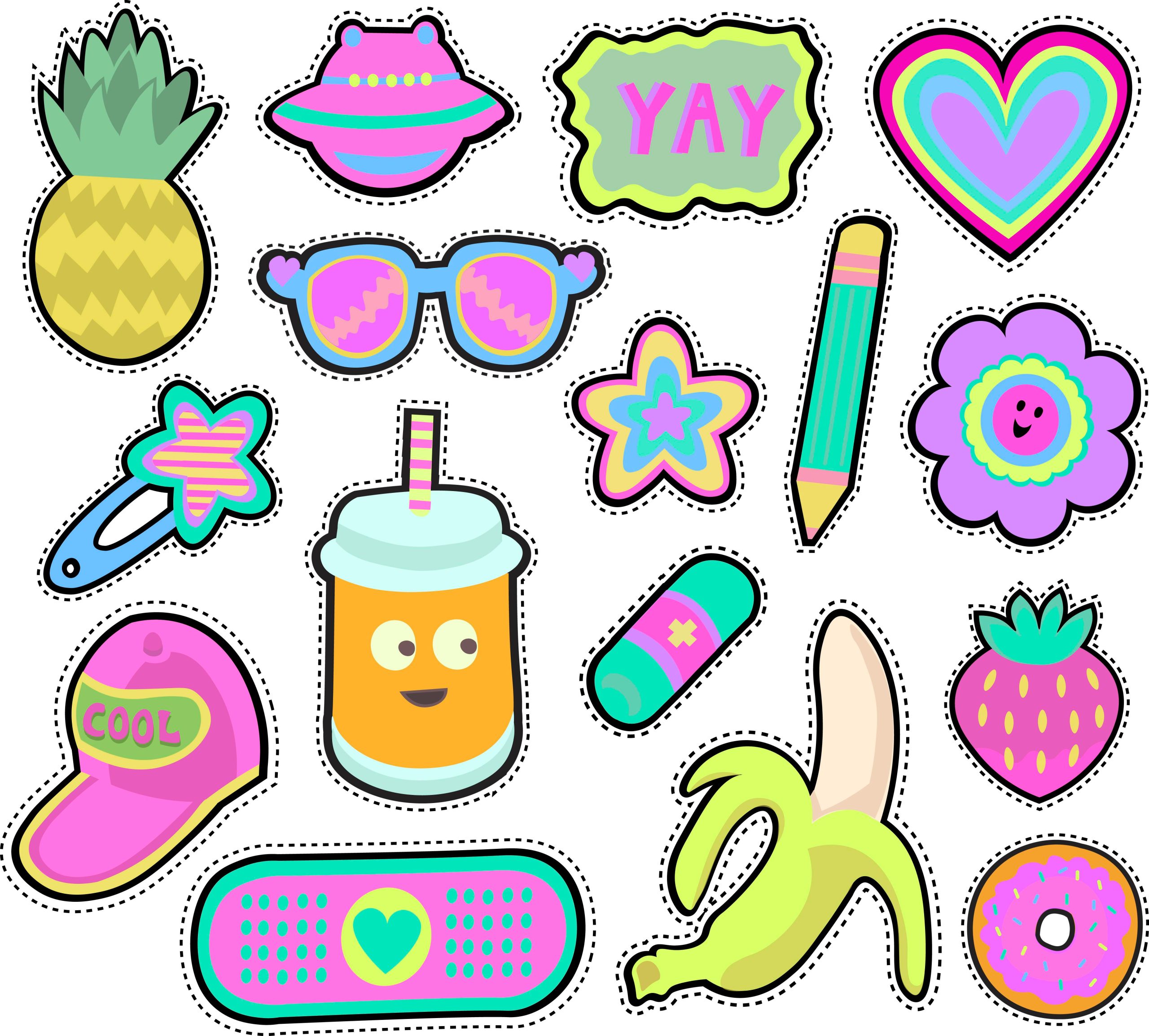
Cartoon kid’s stickers or patches set with pineapple, sunglasses, banana, and other cute design elements in 80s and 90s style. Isolated on a white background. Vector

Shrinky Dinks are a nostalgic and fun DIY craft that has been delighting children and adults for decades. These versatile creations start as thin plastic sheets that you can color, cut, and then bake to shrink into durable, miniature versions of your designs. Here’s a step-by-step guide on how to bake shrinky dinks at home.

Gather Your Materials

To get started with Shrinky Dinks, you’ll need a few basic materials. You will need to shrink plastic sheets, which are available at most craft stores or online. Additionally, gather permanent markers or colored pencils for decorating, scissors for cutting out your designs, parchment paper, and a baking sheet. An oven is essential for the baking process.

Design and Decorate

Begin by drawing your designs on the shrink-plastic sheets. Remember that your designs will shrink to about one-third of their original size, so make your drawings larger than the desired final product. Use permanent markers or colored pencils to color your designs. Be creative and experiment with different shapes, patterns, and colors to make unique pieces.

Cut Out Your Designs

Once you are satisfied with your decorated designs, carefully cut them out using scissors. Make sure to leave a small margin around each design to prevent the edges from becoming too sharp after baking. If you plan to turn your Shrinky Dinks into charms or keychains, use a hole punch to make a hole near the top of each piece before baking.

Preheat the Oven

Preheat your oven to the temperature specified on the shrink plastic packaging, typically around 325°F (165°C). While the oven is heating, line a baking sheet with parchment paper to prevent the plastic from sticking during the baking process.

Bake the Shrinky Dinks

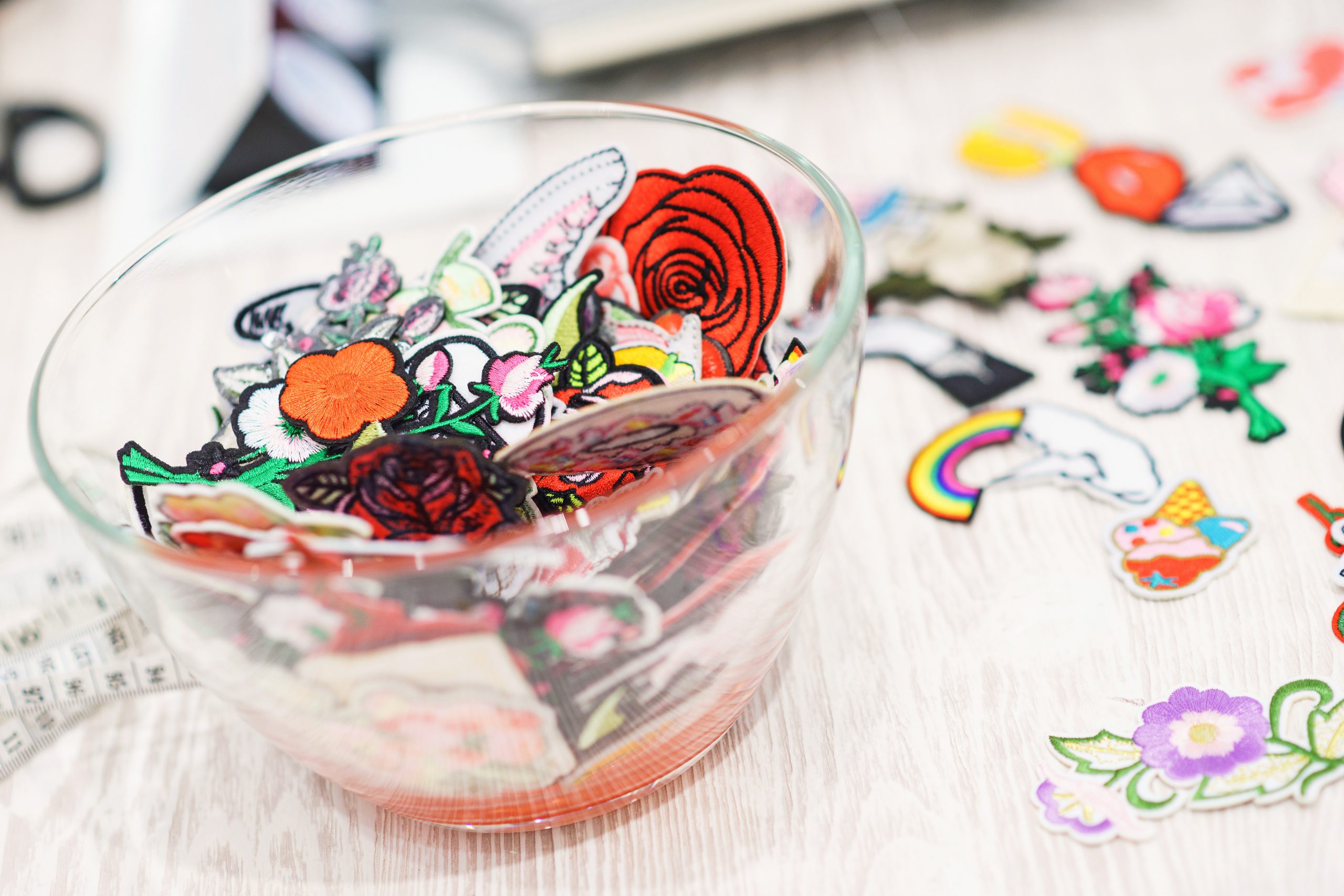
Set of different stickers from embroidery on clothes. Trends in modern fashion, dressing for young people. Top view, soft focus.

Place your cut-out designs on the prepared baking sheet, ensuring they are spaced apart to allow for even shrinking. Place the baking sheet in the preheated oven and watch the magic happen. The plastic will curl and then flatten out as it shrinks. This process usually takes about 1-3 minutes. Once the pieces have flattened out completely, remove them from the oven.

Let Them Cool

Allow your Shrinky Dinks to cool completely before handling them. They will harden as they cool, becoming durable and ready for use. If you made holes for charms or keychains, now is the time to attach jump rings, key rings, or other findings.

Creative Uses for Shrinky Dinks

Shrinky Dinks can be used in a variety of creative ways. Turn them into jewelry, keychains, ornaments, magnets, or decorative items. They make excellent personalized gifts and can be customized for any occasion. Get inspired by experimenting with different shapes, colors, and uses for your Shrinky Dinks.

Enjoy Learning How to Bake Shrinky Dinks

Creating Shrinky Dinks is a fun and rewarding DIY craft that can be enjoyed by people of all ages. Whether you’re revisiting a childhood favorite or discovering this craft for the first time, the process of designing, baking, and using Shrinky Dinks is sure to bring joy and satisfaction. Gather your materials and start crafting your own unique creations today.

Latrice Perez

Latrice is a dedicated professional with a rich background in social work, complemented by an Associate Degree in the field. Her journey has been uniquely shaped by the rewarding experience of being a stay-at-home mom to her two children, aged 13 and 5. This role has not only been a testament to her commitment to family but has also provided her with invaluable life lessons and insights.  As a mother, Latrice has embraced the opportunity to educate her children on essential life skills, with a special focus on financial literacy.

Filed Under: Money and Finances Tagged With: Baking Shrinky Dinks, Craft Projects, DIY Crafts, Fun DIY Activities, How to Bake Shrinky Dinks, Kids Crafts, Shrinky Dinks

  • Facebook
  • Pinterest
  • RSS
  • Twitter

Basic Principles Of Good Parenting

Here some basic principles for good parenting:

  1. What You Do Matters: Your kids are watching you. So, be purposeful about what you want to accomplish.
  2. You Can’t be Too Loving: Don’t replace love with material possessions, lowered expectations or leniency.
  3. Be Involved Your Kids Life: Arrange your priorities to focus on what your kid’s needs. Be there mentally and physically.
  4. Adapt Your Parenting: Children grow quickly, so keep pace with your child’s development.
  5. Establish and Set Rules: The rules you set for children will establish the rules they set for themselves later.  Avoid harsh discipline and be consistent.
  6. Explain Your Decisions: What is obvious to you may not be evident to your child. They don’t have the experience you do.
  7. Be Respectful To Your Child: How you treat your child is how they will treat others.  Be polite, respectful and make an effort to pay attention.
Best Parenting Blogs

Most Popular

11 Ways Kids Are Outsmarting Parental Controls 1. Using Alternate Devices One common trick is simply turning to another device. If a child’s main phone or tablet is restricted, they may borrow a sibling’s, friend’s, or even a school laptop. This instantly gives them access to content outside of parental oversight. Parents often focus on one device, forgetting that others in the household can serve as loopholes. Knowing this tactic helps families tighten controls across all electronics. 2. Clearing Browsing Histories Many kids quickly learn that clearing browsing history hides evidence of restricted activity. With just a few clicks, they can erase any trace of websites visited. This makes it harder for parents to notice when rules are being broken. Parents may assume no history means no browsing, but the reality is often the opposite. Kids are outsmarting parental controls by making it seem like nothing happened at all. 3. Using Private Browsing Modes Most browsers offer “incognito” or private browsing features. Kids use this mode to access websites without leaving a record in the history. To parents checking later, everything looks clean and safe. This simple trick is often one of the first ways kids discover how to bypass restrictions. Conversations about private browsing can help close this gap. 4. Guessing or Resetting Passwords Children who are persistent may try to guess passwords to parental control apps or accounts. Others may find ways to reset them through email prompts or security questions. Once inside, they can disable restrictions entirely. Parents may not even realize controls have been altered until much later. Stronger, less predictable passwords can make this more difficult. 5. Using VPNs to Hide Activity Virtual private networks, or VPNs, let kids disguise their online locations. With one downloaded app, they can bypass geographic or parental restrictions. Some children learn about VPNs through friends or even social media. This makes it easy for them to reach content that should be blocked. Parents often underestimate just how simple it is for kids to use these tools. 6. Creating Fake Accounts When parents monitor social media, kids may create hidden accounts. These “finstas” or fake profiles allow them to interact freely without parental oversight. While their main account appears harmless, the secondary one tells a different story. Kids are outsmarting parental controls by playing both sides at once. Checking for duplicate accounts can help parents stay more aware. 7. Exploiting Time Zone Settings Some kids change the time zone on their devices to bypass screen time limits. This trick allows them to gain extra hours of usage undetected. Parents may assume controls are working, but in reality, the child is bending the clock. It’s a clever loophole that highlights just how resourceful kids can be. Monitoring device settings regularly can catch this tactic. 8. Disabling or Uninstalling Apps Parental control apps can be deleted or disabled with surprising ease. Some kids even reinstall them before a parent checks, making it seem like nothing changed. Others may simply restrict permissions to prevent apps from functioning properly. When apps aren’t monitored closely, parents may not notice they’ve been tampered with. This shows the importance of consistent follow-up. 9. Turning to Friends for Access If a child can’t get past restrictions on their own, they may rely on friends. Visiting a friend’s house or borrowing their phone can give them a free pass. Parents often forget that peer environments can override restrictions set at home. This kind of social workaround is especially common with gaming or social media. Open conversations about trust and responsibility are essential. 10. Hiding Apps in Plain Sight Kids sometimes download apps that look innocent but serve as gateways to hidden activity. These apps may disguise themselves as calculators or utilities. In reality, they allow file storage, private messaging, or browser access. Parents glancing at a home screen may overlook them entirely. Learning to recognize these disguised apps can help parents stay informed. 11. Outpacing Parents’ Tech Knowledge Finally, kids often know more about devices than their parents do. Whether through YouTube tutorials, TikTok hacks, or peer groups, they quickly learn advanced workarounds. This knowledge gap means controls can be bypassed before parents even realize the loophole exists. Staying informed and continually learning about new technology is the best defense. Kids are outsmarting parental controls because they adapt faster than most adults. The Real Solution Lies Beyond Restrictions While controls and filters are important, no system is perfect. Kids will always find creative ways around barriers, making communication the strongest safeguard. Setting clear expectations, building trust, and having ongoing conversations about online behavior matter more than apps alone. Parents who combine technology with open dialogue create a safer digital environment. The goal isn’t to win a battle of wits but to build a relationship that keeps kids both safe and honest. Do you think kids are outsmarting parental controls faster than parents can keep up? Share your experiences in the comments below. What to Read Next... 6 Parenting Tech Shortcuts That Can Expose Your Child to Strangers How Much Screen Time Is Too Much—Legally Speaking? Is Your Child’s School Quietly Tracking Their Location Without Your Consent? How Much Screen Time Is Quietly Reshaping Childhood Behavior? Why Some Parents Are Being Investigated Over Homeschooling Records

11 Ways Kids Are Outsmarting Parental Controls

Catherine Reed

10 Children’s Games From the ’60s That Need to Make a Comeback

Samantha
Girl getting makeup done, referencing psychologist-approved age.

Wearing Makeup: Here Is the Age That Psychologists Agree It’s Okay for Girls to Wear Makeup

Samantha
birthday gifts

7 Birthday Gifts Your Child Should Never Bring to a Party

Latrice Perez

Babysitting Without Cash: 10 Ways to Barter Your Way Out of Childcare Costs

Ashleigh Clyde

All content on Kids Ain’t Cheap is for entertainment purposes only. By reading this blog, you agree that Kids Ain’t Cheap is not responsible for any actions taken after reading this blog. For the full disclaimer, see our privacy policy.

Please note that Kids Ain’t Cheap has financial relationships with some of the merchants mentioned here. Kids Ain’t Cheap is funded by banner advertising, commission sales and search optimization consulting.

Copyright © 2006–2026 | District Media | All Rights Reserved | Privacy Policy

Copyright © 2026 Runway Pro Theme by Viva la Violette