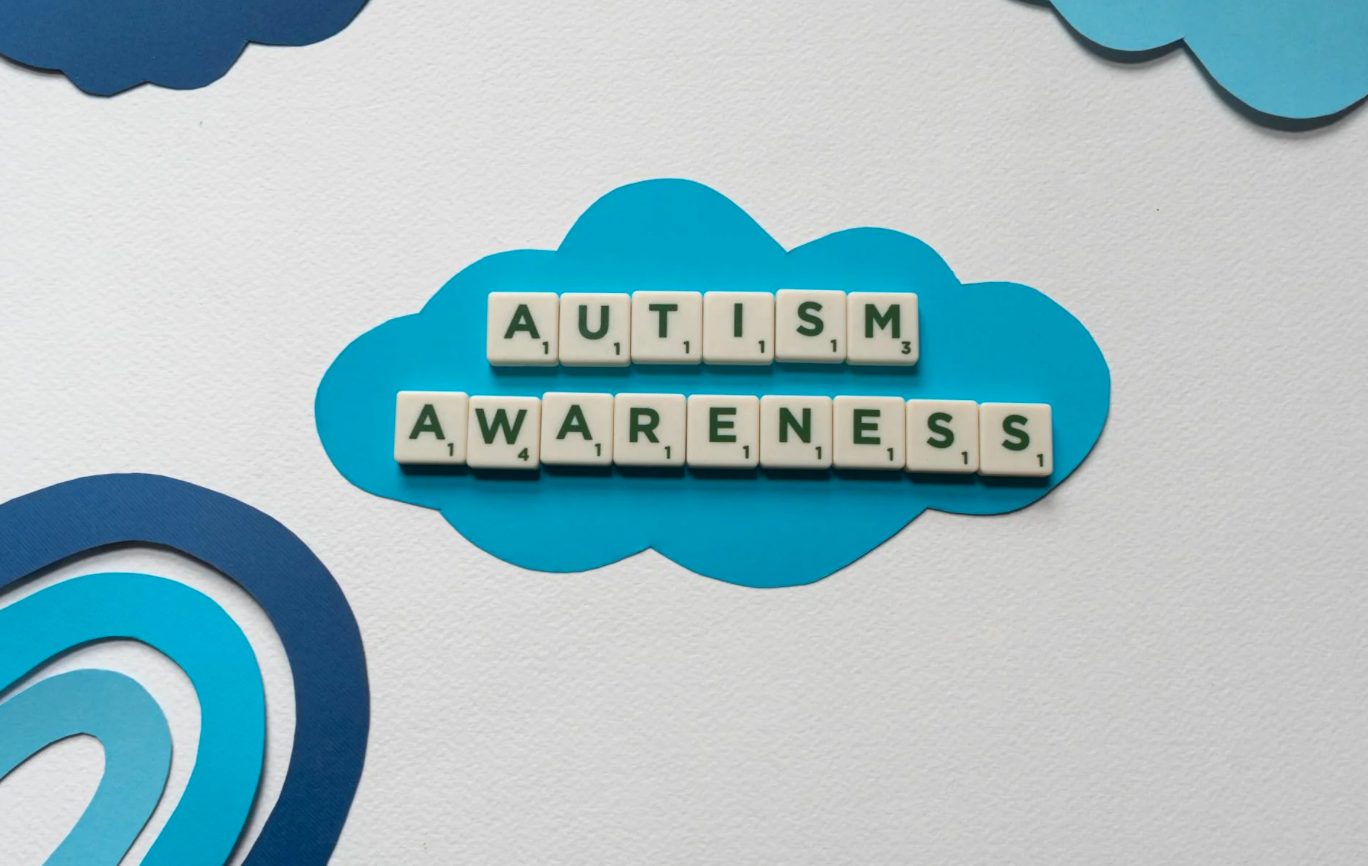
When a child or adult begins to show signs like social withdrawal, communication difficulties, or repetitive behaviors, autism is often the first explanation that comes to mind. While autism spectrum disorder (ASD) is widely recognized today, it’s not the only condition that can present these traits. In fact, several medical and developmental conditions can closely resemble autism, making accurate diagnosis more complex than many people realize. Misdiagnosis can lead to ineffective treatment plans and unnecessary stress for families. Understanding what else could be at play is a powerful step toward getting the right support and care.
1. Social Anxiety Disorder
Social anxiety disorder can look strikingly similar to autism, especially when someone avoids eye contact or struggles in social settings. People with this condition often fear judgment or embarrassment, which leads them to withdraw from conversations or group activities. Unlike autism, however, they typically understand social cues but feel overwhelmed by them. This distinction is subtle but important when determining the right intervention. If anxiety is the root cause, therapy focused on confidence-building and coping strategies can make a significant difference.
2. Attention-Deficit/Hyperactivity Disorder (ADHD)
ADHD is another condition frequently confused with autism due to overlapping traits like impulsivity and difficulty focusing. Individuals with ADHD may interrupt conversations, miss social cues, or appear inattentive, which can mimic communication challenges seen in autism. However, the underlying cause is different, as ADHD is primarily related to attention regulation and executive functioning. Many people with ADHD are socially motivated but struggle to stay engaged or organized in interactions. Proper diagnosis allows for targeted treatments such as behavioral therapy or medication, which can dramatically improve daily functioning.
3. Sensory Processing Disorder (SPD)
Sensory Processing Disorder can closely resemble autism because both involve heightened or reduced sensitivity to sensory input. A person with SPD might react strongly to sounds, textures, or lights, leading to behaviors that appear repetitive or avoidant. While sensory issues are common in autism, SPD can exist independently without the social communication challenges that define ASD. This means someone may struggle with sensory overload but still have typical social development. Occupational therapy is often highly effective in helping individuals manage and adapt to sensory experiences.
4. Language Disorders
Language disorders, including expressive or receptive language delays, can sometimes be mistaken for autism. When someone has difficulty understanding or using language, it may appear as though they are disengaged or socially disconnected. In reality, the issue may lie in processing or producing speech rather than a broader developmental condition. These individuals often desire social interaction but feel frustrated by communication barriers. Speech and language therapy can provide structured support and significantly improve communication skills over time.
5. Childhood Trauma or PTSD
Childhood trauma or post-traumatic stress disorder (PTSD) can also mimic autism-related behaviors. A child who has experienced trauma may become withdrawn, avoid eye contact, or display repetitive behaviors as coping mechanisms. These responses are rooted in emotional distress rather than neurological differences associated with autism. Trauma can also impact communication and emotional regulation, further blurring the lines between conditions. Addressing the underlying trauma through therapy can lead to meaningful emotional healing and behavioral improvement.
Why Accurate Diagnosis Matters
Determining whether symptoms are due to autism or another condition requires careful evaluation by qualified professionals. Each condition discussed here has its own causes, treatments, and long-term outlook, making an accurate diagnosis essential for effective support. If you suspect something may have been misidentified, seeking a second opinion can provide clarity and peace of mind. Early and appropriate intervention can dramatically improve quality of life, regardless of the diagnosis. Taking the time to understand the full picture ensures that individuals receive the care they truly need.
Have you ever wondered whether certain behaviors might have a different explanation than autism? Share your thoughts or experiences in the comments—We’d love to hear your perspective and start a meaningful conversation.
What to Read Next
Why Some Parents Still Believe Vaccines Cause Autism—Despite All the Evidence
Sensory Integration Strategies for Children with Autism
Why Do So Many Parents Think Vaccines Cause Autism?

Evan Morgan has been a full-time freelance writer and editor for 10+ years. When not working, he enjoys catching the latest true crime documentary or getting lost in a good book.
