• Home
  • About Us
  • Archives
  • Contact Us
  • Advertise
  • Privacy Policy

Kids Ain't Cheap

But They Sure Are Worth It

  • Home
  • Toolkit
  • Parenting
    • Baby Stuff
    • Books and Reading
      • Aesops Fables
      • Comic Books
    • Education
    • Family Time
    • Green Living
    • Growing Up
    • Healthy Living & Eating
    • Holidays
    • Parenting
    • Random Musings
    • Shopping
    • Stuff to Do
  • Money
  • Product Reviews
    • Books and Magazines
    • Discount Sites
    • Furniture
    • House Keeping
    • Reviews News
    • Toys and Games
  • Search

Stepping In: 6 Things Grandparents Should Know When Raising Children

July 19, 2025 | Leave a Comment

Stepping In 6 Things Grandparents Should Know When Raising Children

Image source: 123rf.com

Whether planned or unexpected, stepping in to raise grandchildren is a role filled with love and big adjustments. Many grandparents take on this responsibility after life throws a curveball, and while their experience is valuable, raising children today looks quite different from it did decades ago. From evolving technology to modern parenting approaches and new legal realities, there’s a lot to learn and adapt to. But with the right mindset and a few practical updates, grandparents can thrive in their role as caregivers. Here are six essential things to keep in mind when raising children in today’s world.

1. Parenting Styles Have Changed for a Reason

One of the first things to recognize when raising children today is that parenting methods have evolved—and for good reason. From gentle discipline to child-led learning, modern parenting leans more on emotional connection than strict control. What worked decades ago may not align with current research on child development, mental health, and education. That doesn’t mean your experience isn’t valuable—it means blending wisdom with new understanding. Staying open to change shows children they are loved and respected in the here and now.

2. Kids Need Stability, Not Perfection

Grandparents raising children often feel pressure to “get it right” or overcompensate for a tough family situation. But what kids really need is a calm, predictable environment filled with patience, support, and love. You don’t have to match the latest trends or compare yourself to younger parents. Instead, focus on consistent routines, clear boundaries, and dependable affection. Raising children well isn’t about being perfect—it’s about showing up with love, day after day.

3. You May Need Legal Guardianship or Custody

When stepping in to raise grandchildren, legal documentation is often necessary to make medical, educational, and financial decisions. Without proper guardianship or custody paperwork, you may hit roadblocks when enrolling them in school or taking them to the doctor. Every state has its own rules, so it’s important to speak with a legal professional early on. This step helps protect both you and the child in your care. Raising children is easier—and safer—when you’re legally empowered to advocate for them.

4. Emotional Support Is Just as Important as Physical Care

It’s easy to get caught up in the logistics of school, meals, and chores—but kids who’ve gone through family changes often carry emotional weight, too. They may struggle with feelings of loss, confusion, or guilt, especially if they’re separated from a parent. Grandparents raising children should prioritize emotional check-ins, encourage open conversations, and seek professional counseling if needed. Your support can be the difference between coping and thriving. Emotional well-being is a core part of raising children successfully.

5. Technology Plays a Big Role in Their World

Today’s children are growing up in a digital world that didn’t exist when many grandparents were parenting. From social media to online learning, understanding technology is key to staying connected and keeping kids safe. You don’t need to be a tech expert, but you do need to know what platforms your child is using and how to manage screen time wisely. Raising children now includes teaching digital responsibility, setting boundaries, and modeling healthy screen habits. Staying informed helps you guide them with confidence.

6. You’re Not Alone—Support Systems Matter

Raising children can feel overwhelming, especially when it comes unexpectedly in your later years. The good news? You don’t have to do it alone. Support groups, local nonprofits, school counselors, and online communities offer resources specifically for grandparents in caregiving roles. Connecting with others who understand your journey can provide encouragement, tips, and much-needed emotional relief. Asking for help isn’t weakness—it’s a powerful step in raising children well.

A New Chapter, Built on Love and Learning

Stepping in to raise children as a grandparent is no small task, but it’s also a deep act of love. You bring life experience, resilience, and unconditional care to the role. At the same time, staying open to change and support will help you navigate this chapter with confidence. Raising children today looks different from it did a generation ago—but your commitment makes all the difference. You’ve done it before, and with the right tools, you can do it again—your way.

Are you or someone you know raising children as a grandparent? Share your insights, challenges, or tips in the comments below!

Read More:

12 Reasons Your Parents Shouldn’t Be Raising Your Kids

8 Reasons Your Kids Prefer Staying with Grandma—And It’s Not Just the Snacks

Catherine Reed
Catherine Reed

Catherine is a tech-savvy writer who has focused on the personal finance space for more than eight years. She has a Bachelor’s in Information Technology and enjoys showcasing how tech can simplify everyday personal finance tasks like budgeting, spending tracking, and planning for the future. Additionally, she’s explored the ins and outs of the world of side hustles and loves to share what she’s learned along the way. When she’s not working, you can find her relaxing at home in the Pacific Northwest with her two cats or enjoying a cup of coffee at her neighborhood cafe.

Filed Under: Parenting Tagged With: child emotional support, grandparents raising grandchildren, legal guardianship, modern parenting, parenting advice, parenting resources, Raising Children

6 Books Every Parent Should Read About Raising Children

May 11, 2025 | Leave a Comment

6 Books Every Parent Should Read About Raising Children

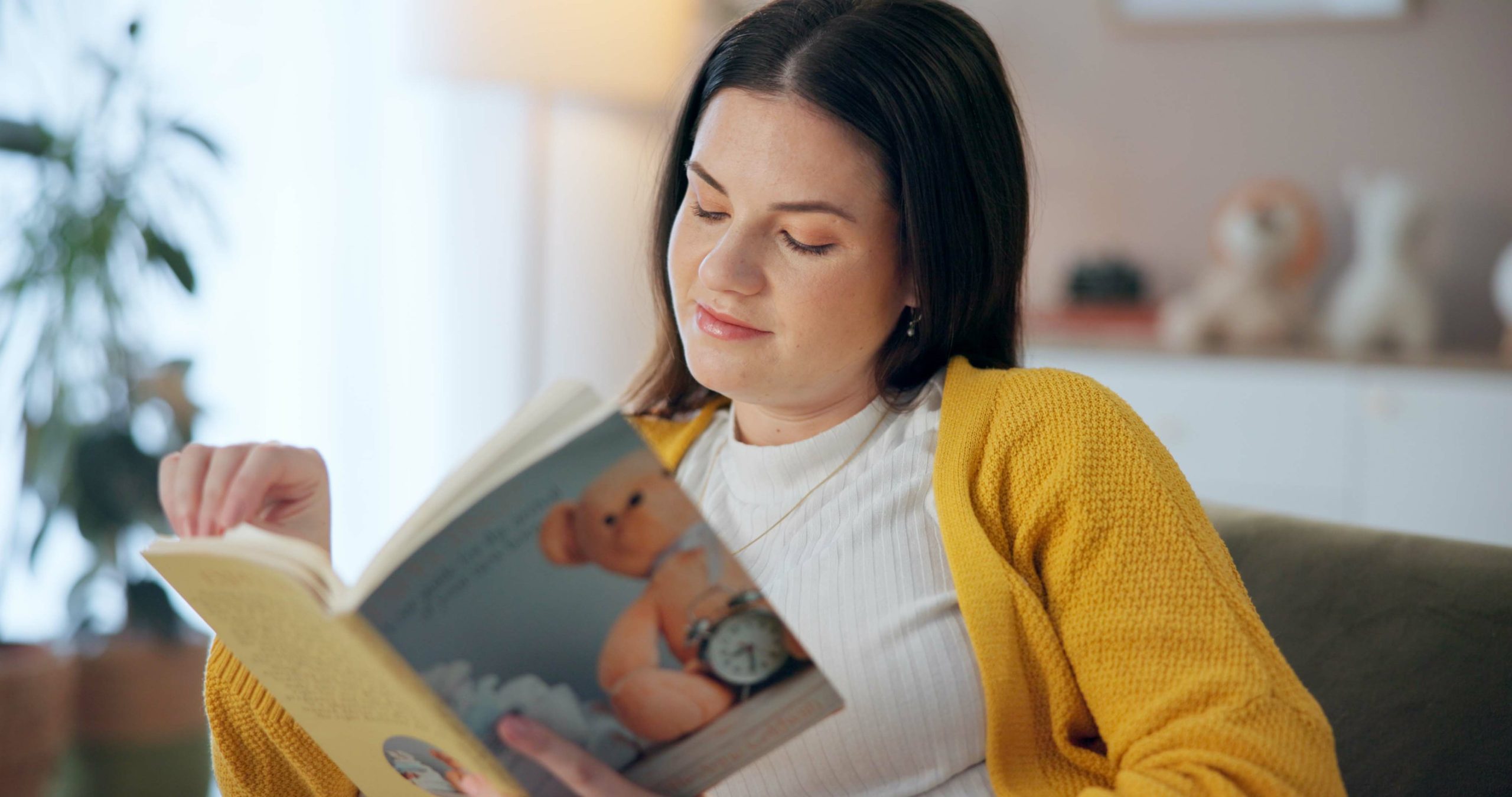
Parenting doesn’t come with a manual, but these books come pretty close. Whether you’re navigating toddler tantrums, teenage rebellion, or just trying to be the best version of yourself for your child, it helps to have expert guidance. The right parenting books offer more than just tips—they provide comfort, insight, and strategies you can actually use. And while no book can solve every problem, a great one can shift your perspective, improve your communication, and strengthen your connection with your child. These six must-read titles stand out for their warmth, practicality, and game-changing ideas about raising children.

1. How to Talk So Kids Will Listen & Listen So Kids Will Talk by Adele Faber and Elaine Mazlish

This classic guide has helped millions of parents communicate more effectively with their children. Using real-world examples and practical dialogue scripts, it teaches how to defuse conflict, encourage cooperation, and build mutual respect. The book doesn’t rely on punishments or rewards—it focuses on understanding feelings and setting clear expectations. Parents love its conversational tone, easy-to-digest format, and immediate results. It’s a great starting point for anyone who feels like they’re constantly repeating themselves or getting nowhere.

2. The Whole-Brain Child by Daniel J. Siegel and Tina Payne Bryson

Backed by neuroscience but written in a totally parent-friendly way, this book explains how a child’s brain develops and what that means for behavior. It breaks down why kids melt down, zone out, or struggle with impulse control—and how to respond in ways that actually help. The authors offer “12 revolutionary strategies” to nurture emotional intelligence and teach kids how to process their feelings. Illustrated guides and relatable examples make even the science stuff feel accessible. If you want to understand what’s going on behind the tantrum, this one’s a must-read.

3. Parenting with Love and Logic by Charles Fay and Foster Cline

This book is all about raising responsible kids without yelling, nagging, or lecturing. It teaches how to give kids choices within boundaries so they can learn from experience while still feeling supported. The “love and logic” method helps parents stay calm, avoid power struggles, and encourage problem-solving skills. It’s particularly helpful for parents who feel like discipline is an endless loop of punishment and frustration. This book delivers a mindset shift that turns everyday challenges into growth opportunities for both parent and child.

4. Simplicity Parenting by Kim John Payne

Modern life is busy, loud, and overwhelming for kids, and Simplicity Parenting shows how to gently slow things down. The book encourages families to reduce clutter, overscheduling, and screen time in favor of more meaningful rhythms and relationships. It’s not about being minimalist—it’s about creating space for connection, calm, and creativity. Payne makes a compelling case that less really is more when it comes to raising resilient, centered children. If your home feels chaotic or your kids seem stressed out, this book is a breath of fresh air.

5. Raising Good Humans by Hunter Clarke-Fields

This book combines mindfulness and practical parenting tools to help parents respond more intentionally rather than reactively. It teaches how to regulate emotions, communicate compassionately, and create respectful routines. Clarke-Fields focuses on breaking generational cycles of yelling and shame-based discipline. Her approach is especially valuable for parents trying to unlearn old habits while building new, healthier ones. This book is a powerful guide if you’re ready to stop snapping and start connecting.

6. No-Drama Discipline by Daniel J. Siegel and Tina Payne Bryson

Another gem from the authors of The Whole-Brain Child is that this book zooms in on discipline and why the old methods just don’t work the way we wish they did. It explains that discipline isn’t about punishment but teaching and building trust. The authors break down what’s happening in a child’s brain during misbehavior and how to respond in ways that build stronger relationships. With practical strategies and memorable illustrations, it helps turn discipline moments into teaching moments. This book is a game-changer for any parent struggling with how to set boundaries without losing their cool.

The Right Book Can Change the Way You Parent—And the Way You Feel

Parenting isn’t about having all the answers—it’s about being open to learning and growing right alongside your child. These six books each offer unique insights, gentle encouragement, and practical steps that can make your daily life easier and your parenting more intentional. Whether you’re looking for a fresh approach or just reassurance that you’re not alone, the right parenting book can feel like a conversation with a wise, understanding friend. Start with the one that speaks to your current struggle—you might be surprised at how much clarity it brings. After all, great parenting isn’t about being perfect—it’s about being present, informed, and always willing to grow.

Which parenting book has made the biggest difference in your life? Drop your recommendations in the comments—we’d love to grow this list!

Read More:

8 Controversial Parenting Books That Challenge Traditional Methods

These 5 Books Will Help You With Effective Communication With Your Kids

Catherine Reed
Catherine Reed

Catherine is a tech-savvy writer who has focused on the personal finance space for more than eight years. She has a Bachelor’s in Information Technology and enjoys showcasing how tech can simplify everyday personal finance tasks like budgeting, spending tracking, and planning for the future. Additionally, she’s explored the ins and outs of the world of side hustles and loves to share what she’s learned along the way. When she’s not working, you can find her relaxing at home in the Pacific Northwest with her two cats or enjoying a cup of coffee at her neighborhood cafe.

Filed Under: Books and Magazines Tagged With: best parenting books, child discipline, emotional development, mindful parenting, parenting advice, parenting books, parenting resources, parenting support, parenting tips, Raising Children

  • Facebook
  • Pinterest
  • RSS
  • Twitter

Basic Principles Of Good Parenting

Here some basic principles for good parenting:

  1. What You Do Matters: Your kids are watching you. So, be purposeful about what you want to accomplish.
  2. You Can’t be Too Loving: Don’t replace love with material possessions, lowered expectations or leniency.
  3. Be Involved Your Kids Life: Arrange your priorities to focus on what your kid’s needs. Be there mentally and physically.
  4. Adapt Your Parenting: Children grow quickly, so keep pace with your child’s development.
  5. Establish and Set Rules: The rules you set for children will establish the rules they set for themselves later.  Avoid harsh discipline and be consistent.
  6. Explain Your Decisions: What is obvious to you may not be evident to your child. They don’t have the experience you do.
  7. Be Respectful To Your Child: How you treat your child is how they will treat others.  Be polite, respectful and make an effort to pay attention.
Best Parenting Blogs

Copyright © 2025 Runway Pro Theme by Viva la Violette