• Home
  • About Us
  • Toolkit
  • Archives
  • Advertise
  • Privacy Policy

Kids Ain't Cheap

But They Sure Are Worth It

  • Parenting
    • Baby Stuff
    • Books and Reading
      • Aesops Fables
      • Comic Books
    • Education
    • Family Time
    • Green Living
    • Growing Up
    • Healthy Living & Eating
    • Holidays
    • Parenting
    • Random Musings
    • Shopping
    • Stuff to Do
  • Money
  • Product Reviews
    • Books and Magazines
    • Discount Sites
    • Furniture
    • House Keeping
    • Reviews News
    • Toys and Games
  • Contact Us
  • Our Editorial Commitment
  • Search

Are Modern Potty Training Methods Making Doctors Concerned?

November 12, 2025 | Leave a Comment

Are Modern Potty Training Methods Making Doctors Concerned?
Image source: shutterstock.com

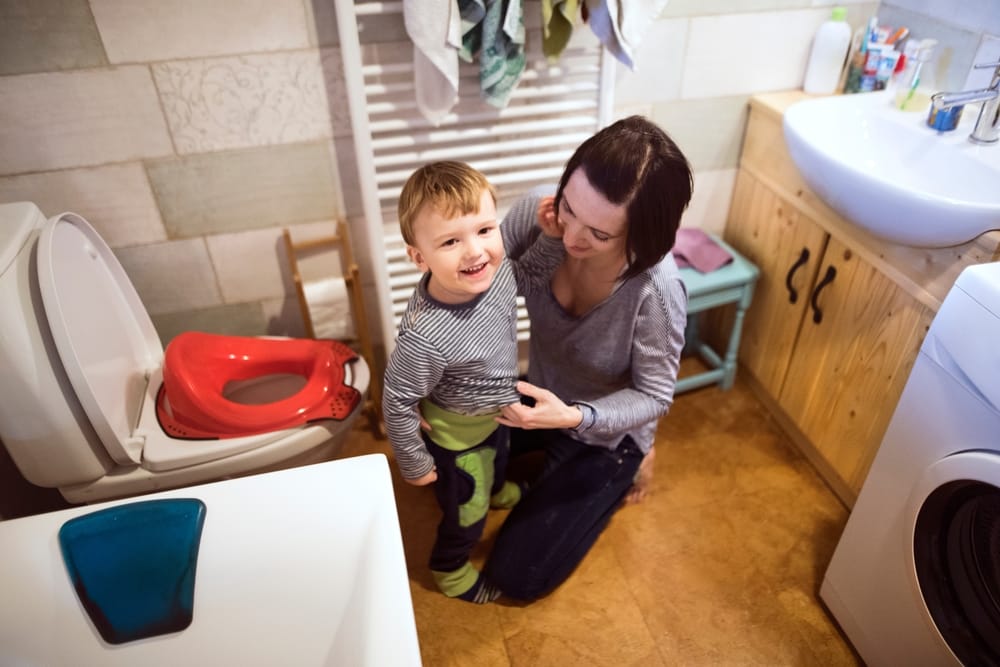
Modern parenting trends have reshaped how we approach nearly every milestone, and that includes potty training. From child-led readiness to tech-based potty gadgets, modern potty training methods promise less stress and more independence. But pediatricians are raising eyebrows, suggesting some new techniques might be backfiring. With delayed training, excessive use of screens, and misinterpreted “gentle” approaches, many doctors are beginning to voice concern about potential health and developmental consequences for children.

1. Why Doctors Are Questioning Modern Potty Training

Pediatricians note a rise in children experiencing bladder and bowel issues due to delayed potty training. Some modern potty-training strategies emphasize waiting until the child is “fully ready,” but readiness cues are often misunderstood. Many kids are now staying in diapers well past age three, which can cause constipation, urinary retention, and emotional stress once they start preschool. Doctors suggest that while a gentle approach is beneficial, too much delay can create physical and emotional setbacks. The balance between encouragement and expectation seems to be slipping in the era of modern potty training.

2. Over-Reliance on Convenience Tools

Modern potty training has become heavily influenced by convenience-based tools, from musical potties to reward apps. While these can make the process fun, doctors caution that they may distract from real bodily awareness. Children who learn to respond only to external rewards or digital cues may struggle to recognize their natural signals. Health professionals recommend limiting gadgets and focusing on body-based communication instead. Building consistency and routine without excessive gimmicks leads to better long-term potty success.

3. Delayed Training Can Lead to Health Problems

Medical experts are linking delayed training to physical complications that were once rare. When children stay in diapers longer, their muscles may not develop strong bladder control as early as expected. Chronic holding can result in urinary tract infections or constipation, issues that often persist into school years. Doctors emphasize that waiting until a child is “emotionally ready” should not mean waiting indefinitely. A structured, supportive approach between ages two and three is typically healthiest for most kids.

4. Misinterpretation of the “Child-Led” Approach

The child-led philosophy, popular in many parenting circles, encourages letting kids set the pace. But pediatricians warn that some parents interpret this too literally, allowing avoidance to replace autonomy. Without gentle guidance and routine, some children never initiate interest until external pressure (like preschool requirements) forces it. Experts agree that child-led doesn’t mean parent-absent—it means parents should coach, not control. The goal is to make modern potty training cooperative, not passive.

5. The Screen-Time Factor in Potty Training

Screens have found their way into nearly every part of childhood, including potty time. Many toddlers now use tablets or smartphones as distractions during potty training, which doctors say can cause more harm than good. Prolonged sitting with screens may extend bathroom time and reduce focus on bodily cues. Pediatricians encourage parents to make potty time short, calm, and interactive without digital entertainment. Teaching awareness and routine builds stronger lifelong habits than relying on screens for cooperation.

6. Emotional Repercussions of Inconsistent Methods

Inconsistent or overly permissive modern potty-training techniques can cause emotional confusion. A child might feel anxious if parents alternate between complete freedom and sudden pressure when school starts. Pediatricians highlight the importance of predictability, patience, and praise. Kids thrive when they know what’s expected, and their emotional development benefits from steady routines. The key is combining empathy with structure, so potty training becomes empowering, not stressful.

7. What Doctors Recommend Instead

Most pediatricians suggest a balanced, age-appropriate potty-training method that mixes readiness with routine. Start early conversations about the potty around age two, letting your child explore the concept without pressure. Gradually introduce scheduled potty breaks, celebrate effort, and avoid punishments or bribery. Consistency and clear communication remain the foundation of healthy training. Above all, remember that modern potty training should support your child’s confidence—not delay their development.

A Healthy Balance Between New Ideas and Timeless Wisdom

Modern parenting encourages flexibility and compassion, but even the best trends need moderation. Doctors aren’t against new tools or child-led techniques—they simply urge parents to blend innovation with common sense. Encouraging independence while maintaining gentle structure ensures children develop both physically and emotionally on track. Potty training isn’t just about milestones—it’s about teaching self-awareness and confidence. When parents strike that balance, kids gain lifelong habits that serve them well beyond the toddler years.

Do you think modern potty training methods help or hinder development? Share your experience and insights in the comments below!

What to Read Next…

6 Unspoken Rules Pediatricians Wish More Parents Followed

10 Pediatric Visits That Leave Parents With Unexpected Bills

Pediatrician Secrets: 8 Dangers Your Pediatrician Won’t Discuss

6 Questions Pediatricians Wish Parents Would Actually Ask

Why Are Pediatric ER Visits Rising for First-Time Parents?

Catherine Reed
Catherine Reed

Catherine is a tech-savvy writer who has focused on the personal finance space for more than eight years. She has a Bachelor’s in Information Technology and enjoys showcasing how tech can simplify everyday personal finance tasks like budgeting, spending tracking, and planning for the future. Additionally, she’s explored the ins and outs of the world of side hustles and loves to share what she’s learned along the way. When she’s not working, you can find her relaxing at home in the Pacific Northwest with her two cats or enjoying a cup of coffee at her neighborhood cafe.


Filed Under: Parenting Tagged With: child development, family wellness, parenting tips, parenting trends, pediatric advice, potty training, toddler health

6 Unspoken Rules Pediatricians Wish More Parents Followed

November 8, 2025 | Leave a Comment

6 Unspoken Rules Pediatricians Wish More Parents Followed
Image source: shutterstock.com

Every parent wants to do what’s best for their child, but sometimes even the most well-meaning families overlook simple courtesies or practices that make pediatric visits smoother and more productive. There are unspoken rules pediatricians quietly hope parents will follow, not to make their lives easier, but to ensure every child receives the best care possible. From arriving prepared to respecting time boundaries, small actions can have a big impact on how effectively your child’s health is managed. Here are six unspoken rules pediatricians wish every parent knew before their next visit.

1. Be Honest About Symptoms and Habits

One of the most important unspoken rules pediatricians emphasize is honesty. Some parents hesitate to admit when their child skips doses, eats too many snacks, or isn’t getting enough sleep. However, your pediatrician can only help if they have an accurate picture of your child’s routine and symptoms. Withholding details or glossing over concerns can lead to incorrect assumptions or delayed diagnoses. Being completely transparent allows your doctor to tailor care plans and provide realistic, judgment-free guidance.

2. Respect Appointment Time Limits

Every parent wants their child’s visit to feel personal, but another unspoken rule pediatricians hope families recognize is respecting the scheduled time frame. Appointments are typically structured for a set duration, and when one runs long, it pushes back the entire day’s schedule. Arriving on time, preparing your questions beforehand, and focusing on the most pressing issues ensure you get quality answers without unnecessary stress. If you have additional concerns, many offices welcome scheduling follow-up calls or visits. This approach helps everyone—parents, staff, and other families—stay on track.

3. Avoid Bringing a Sick Sibling Along

It’s understandable that childcare can be challenging, but bringing a contagious sibling to a pediatric appointment is one of the unspoken rules pediatricians wish more parents respected. Waiting rooms are already filled with vulnerable infants and children whose immune systems are still developing. Exposing others to illness—even unintentionally—can cause real harm. When possible, arrange care for sick siblings or call ahead to see if special accommodations can be made. Taking small precautions like this helps protect every child who comes through the clinic doors.

4. Follow Through on Medical Advice

Pediatricians often spend extra time creating personalized care plans, yet one of the unspoken rules pediatricians mention most often is the importance of following through. Whether it’s giving medication as directed, scheduling lab tests, or monitoring developmental milestones, consistency matters. Parents who only partially follow instructions can unintentionally delay recovery or confuse the treatment process. If something doesn’t make sense or feels unmanageable, it’s better to ask questions than to ignore recommendations silently. Doctors appreciate when parents communicate challenges honestly—it helps them adapt the plan for success.

5. Keep Non-Urgent Questions for Office Hours

Another of the unspoken rules that pediatricians hope parents adopt involves setting clear communication boundaries. Many families use text messages, online portals, or after-hours calls to address questions that can wait until business hours. While emergencies always deserve immediate attention, asking about mild rashes or feeding tips at 10 p.m. can overwhelm an already stretched healthcare team. Saving non-urgent inquiries for regular hours ensures staff can respond thoughtfully and efficiently. It also allows doctors to dedicate their emergency time to patients who truly need urgent care.

6. Trust the Expertise You Sought Out

Finally, one of the most significant unspoken rules pediatricians wish parents understood is trust. The internet has made information more accessible, but it has also flooded parents with conflicting advice. When families second-guess every recommendation or demand specific treatments from online sources, it can hinder progress and create unnecessary tension. Pediatricians want collaborative relationships built on mutual respect and open communication. Trusting your child’s doctor doesn’t mean never asking questions—it means recognizing that their training and experience are centered on your child’s well-being.

Building a Partnership for Better Care

Pediatric visits are more effective when parents and doctors work as a team. Understanding these unspoken rules that pediatricians wish parents would follow helps foster mutual respect and smoother communication. By being transparent, respectful of time, and mindful of how actions affect others, families contribute to a calmer and more efficient healthcare experience. Every small effort—whether it’s arriving prepared or following advice diligently—adds up to better outcomes for your child’s growth and health. The best care happens when both sides see each other as partners in the same goal: a healthy, happy child.

Which of these unspoken rules resonates most with you? Share your thoughts or experiences in the comments below.

What to Read Next…

  • 6 Questions Pediatricians Wish Parents Would Actually Ask
  • Why Are Pediatric ER Visits Rising for First-Time Parents?
  • 10 Pediatric Visits That Leave Parents With Unexpected Bills
  • Pediatrician Secrets: 8 Dangers Your Pediatrician Won’t Discuss
  • What Are Pediatricians Quietly Saying About Parental Guilt?
Catherine Reed
Catherine Reed

Catherine is a tech-savvy writer who has focused on the personal finance space for more than eight years. She has a Bachelor’s in Information Technology and enjoys showcasing how tech can simplify everyday personal finance tasks like budgeting, spending tracking, and planning for the future. Additionally, she’s explored the ins and outs of the world of side hustles and loves to share what she’s learned along the way. When she’s not working, you can find her relaxing at home in the Pacific Northwest with her two cats or enjoying a cup of coffee at her neighborhood cafe.

Filed Under: Healthy Living & Eating Tagged With: child health, doctor visits, family wellness, parenting tips, pediatric advice, pediatric care

Are You Missing It? 7 Health Warnings Your Child’s Behavior Gives You

July 27, 2025 | Leave a Comment

Are You Missing It 7 Health Warnings Your Childs Behavior Gives You
Image source: 123rf.com

Kids don’t always have the words to tell us something is wrong—but their behavior can say it loud and clear. From sudden mood swings to changes in sleep or energy, your child’s actions may be trying to alert you to an underlying health issue. Too often, these signs are brushed off as “just a phase” or typical growing pains. But when we pay attention to the patterns, we can catch concerns early and get the help they need. Knowing the health warnings your child’s behavior gives you could make all the difference in their well-being.

1. Fatigue That Doesn’t Match Their Activity Level

If your child seems constantly tired, even after a full night’s sleep, it’s worth taking a closer look. Ongoing fatigue could signal issues like anemia, sleep apnea, or even undiagnosed food allergies. You might also notice they’re irritable, forgetful, or struggling to keep up at school. Instead of assuming they’re just being lazy or staying up too late, track their sleep and energy levels over a few days. A pediatrician can help rule out or diagnose any physical issues that might be draining their energy.

2. Sudden Mood Swings or Irritability

It’s easy to chalk up emotional outbursts to hormones or a bad day—but drastic mood swings can be a sign of something deeper. Children dealing with anxiety, depression, or even thyroid imbalances may show intense reactions that seem out of proportion. If your typically cheerful child becomes angry or withdrawn more often, that’s one of the key health warnings your child’s behavior gives you. These changes can sometimes be early indicators of mental health concerns. Early intervention can help your child feel seen, supported, and more in control of their emotions.

3. Avoiding Food or Changes in Eating Habits

If your child suddenly refuses foods they once loved or starts skipping meals, it could go beyond picky eating. Ongoing avoidance of food can signal gastrointestinal problems, sensory processing issues, or even the early stages of disordered eating. On the flip side, overeating or constant snacking could indicate blood sugar instability or emotional stress. These shifts in appetite often go unnoticed in busy households, but they’re one of the quieter health warnings your child’s behavior gives you. Keep a log of their eating habits and talk with your pediatrician if concerns persist.

4. Trouble Sleeping or Staying Asleep

Sleep issues in kids are more than just a parenting inconvenience—they’re often tied to bigger health concerns. Night terrors, frequent waking, or resistance to bedtime can indicate anxiety, sleep disorders, or neurological challenges like ADHD. Poor sleep also affects mood, learning, and physical development. If your child seems wired at night and exhausted during the day, it may be time to investigate further. Sleep disturbances are one of the most common health warnings your child’s behavior gives you, and shouldn’t be ignored.

5. Sudden Academic Decline or Lack of Focus

If a previously motivated student starts struggling in school, don’t assume it’s due to a lack of effort. Kids with undiagnosed vision problems, hearing issues, or learning differences often act out or disengage in the classroom. These challenges can lead to frustration, embarrassment, and even anxiety about school. Sometimes, children won’t express that something feels off because they don’t know any different. Talk with their teacher, and consider getting evaluations for vision, hearing, and learning challenges if you notice a sharp academic shift.

6. Repetitive Movements or Nervous Habits

You might notice your child biting their nails, picking at their skin, or rocking when stressed. These repetitive behaviors are easy to dismiss as quirks, but they can also be signs of anxiety, OCD tendencies, or neurological differences like autism spectrum disorder. If the behaviors become more frequent or interfere with daily life, they’re one of the subtler health warnings your child’s behavior gives you. Document when and where the behavior occurs to see if there’s a trigger. That information can help a doctor or therapist determine whether further evaluation is needed.

7. Isolation or Avoiding Social Situations

Some kids are naturally shy, but if your child begins avoiding friends, skipping activities they once enjoyed, or staying in their room more often, take notice. These actions can point to depression, bullying, sensory overload, or even early signs of developmental disorders. Isolation isn’t always a choice—sometimes it’s a response to stress or discomfort they don’t know how to explain. Make time for one-on-one conversations and try to uncover what’s behind their withdrawal. When caught early, social struggles are much easier to address with the right support.

When Behavior Is the Body’s Cry for Help

As parents, we’re trained to react to fevers, bruises, and scraped knees—but the health warnings your child’s behavior gives you are just as real and often more urgent. Behavioral shifts are often the first sign that something in your child’s mind or body needs attention. Trust your gut when something feels off, and don’t hesitate to ask for professional input. Being proactive can prevent bigger problems down the road and let your child know they can count on you for both emotional and physical support. Sometimes, the smallest behavioral clues are your loudest call to action.

Have you ever caught a health issue in your child based on their behavior alone? Share your experience in the comments below—we’d love to hear from you!

Read More:

7 Health Warnings Your Child’s Feet Are Telling You

Is Your Home Toxic? 8 Everyday Items Poisoning Your Toddler

Catherine Reed
Catherine Reed

Catherine is a tech-savvy writer who has focused on the personal finance space for more than eight years. She has a Bachelor’s in Information Technology and enjoys showcasing how tech can simplify everyday personal finance tasks like budgeting, spending tracking, and planning for the future. Additionally, she’s explored the ins and outs of the world of side hustles and loves to share what she’s learned along the way. When she’s not working, you can find her relaxing at home in the Pacific Northwest with her two cats or enjoying a cup of coffee at her neighborhood cafe.

Filed Under: Parenting Tagged With: behavior red flags, child behavior, child health, kids' health, Mental Health, parenting tips, pediatric advice, warning signs

  • Facebook
  • Pinterest
  • RSS
  • Twitter

Basic Principles Of Good Parenting

Here some basic principles for good parenting:

  1. What You Do Matters: Your kids are watching you. So, be purposeful about what you want to accomplish.
  2. You Can’t be Too Loving: Don’t replace love with material possessions, lowered expectations or leniency.
  3. Be Involved Your Kids Life: Arrange your priorities to focus on what your kid’s needs. Be there mentally and physically.
  4. Adapt Your Parenting: Children grow quickly, so keep pace with your child’s development.
  5. Establish and Set Rules: The rules you set for children will establish the rules they set for themselves later.  Avoid harsh discipline and be consistent.
  6. Explain Your Decisions: What is obvious to you may not be evident to your child. They don’t have the experience you do.
  7. Be Respectful To Your Child: How you treat your child is how they will treat others.  Be polite, respectful and make an effort to pay attention.
Best Parenting Blogs

Most Popular

Baby

9 Unusual Baby Names That Sound Like They Belong to Future CEOs

Evan Morgan
Baby

10 Baby Names That Were Once Considered “Grandparent Names” but Feel Cool Again

Evan Morgan
Target Store

Choking Incident Prompts Recall of 49,000 Target Gigglescape “Under the Sea” Popping Toys

Evan Morgan
Frustrated Girl

Why Some Students on the Spectrum Are Labeled With ODD

Evan Morgan
Coke Bottles

12 Things Kids Took to School in the ’70s That Would Never Be Allowed Today

Evan Morgan

All content on Kids Ain’t Cheap is for entertainment purposes only. By reading this blog, you agree that Kids Ain’t Cheap is not responsible for any actions taken after reading this blog. For the full disclaimer, see our privacy policy.

Please note that Kids Ain’t Cheap has financial relationships with some of the merchants mentioned here. Kids Ain’t Cheap is funded by banner advertising, commission sales and search optimization consulting.

Copyright © 2006–2026 | District Media | All Rights Reserved | Privacy Policy

Copyright © 2026 Runway Pro Theme by Viva la Violette