• Home
  • About Us
  • Toolkit
  • Archives
  • Advertise
  • Privacy Policy

Kids Ain't Cheap

But They Sure Are Worth It

  • Parenting
    • Baby Stuff
    • Books and Reading
      • Aesops Fables
      • Comic Books
    • Education
    • Family Time
    • Green Living
    • Growing Up
    • Healthy Living & Eating
    • Holidays
    • Parenting
    • Random Musings
    • Shopping
    • Stuff to Do
  • Money
  • Product Reviews
    • Books and Magazines
    • Discount Sites
    • Furniture
    • House Keeping
    • Reviews News
    • Toys and Games
  • Contact Us
  • Our Editorial Commitment
  • Search

Are Modern Potty Training Methods Making Doctors Concerned?

November 12, 2025 | Leave a Comment

Are Modern Potty Training Methods Making Doctors Concerned?
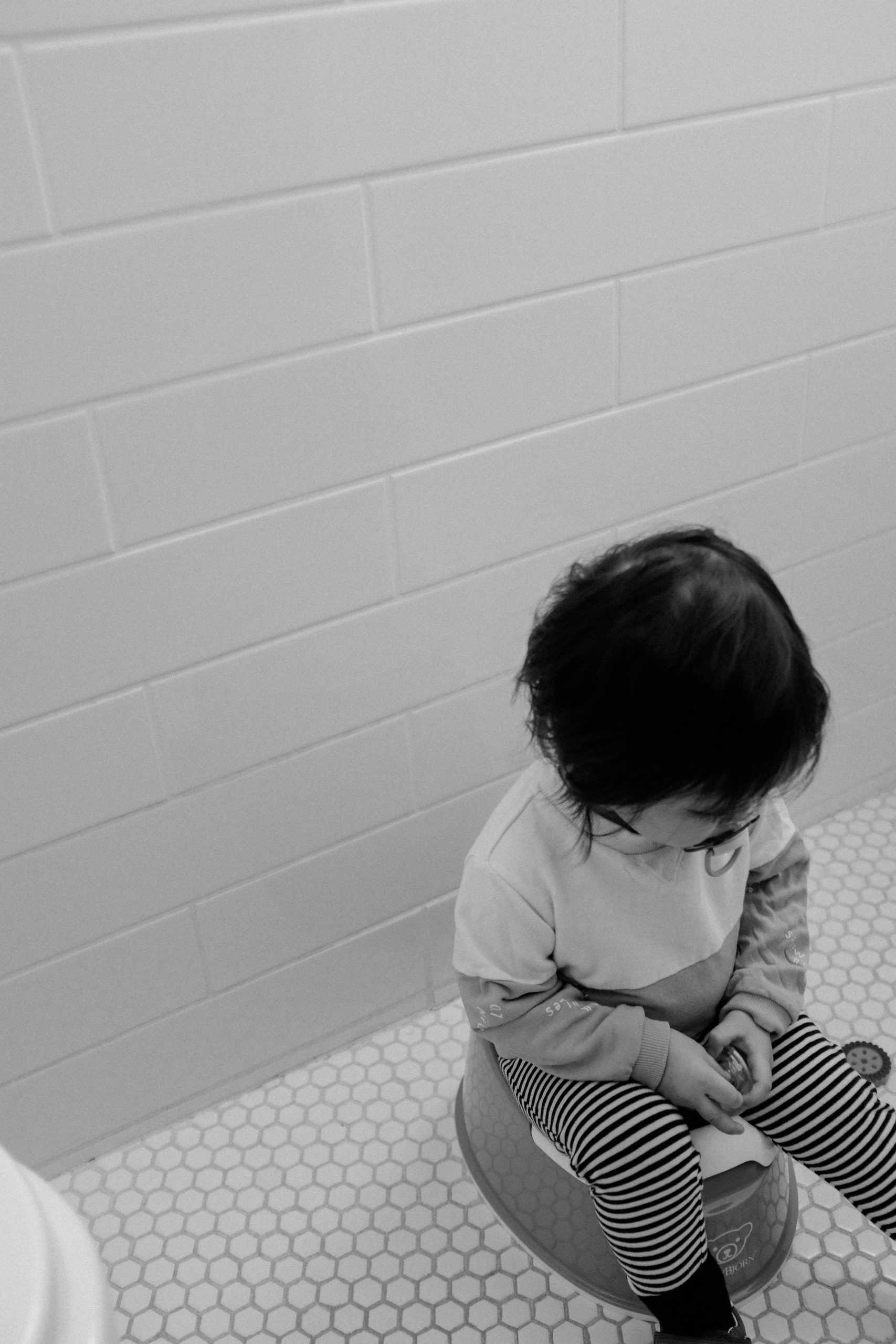
Image source: shutterstock.com

Modern parenting trends have reshaped how we approach nearly every milestone, and that includes potty training. From child-led readiness to tech-based potty gadgets, modern potty training methods promise less stress and more independence. But pediatricians are raising eyebrows, suggesting some new techniques might be backfiring. With delayed training, excessive use of screens, and misinterpreted “gentle” approaches, many doctors are beginning to voice concern about potential health and developmental consequences for children.

1. Why Doctors Are Questioning Modern Potty Training

Pediatricians note a rise in children experiencing bladder and bowel issues due to delayed potty training. Some modern potty-training strategies emphasize waiting until the child is “fully ready,” but readiness cues are often misunderstood. Many kids are now staying in diapers well past age three, which can cause constipation, urinary retention, and emotional stress once they start preschool. Doctors suggest that while a gentle approach is beneficial, too much delay can create physical and emotional setbacks. The balance between encouragement and expectation seems to be slipping in the era of modern potty training.

2. Over-Reliance on Convenience Tools

Modern potty training has become heavily influenced by convenience-based tools, from musical potties to reward apps. While these can make the process fun, doctors caution that they may distract from real bodily awareness. Children who learn to respond only to external rewards or digital cues may struggle to recognize their natural signals. Health professionals recommend limiting gadgets and focusing on body-based communication instead. Building consistency and routine without excessive gimmicks leads to better long-term potty success.

3. Delayed Training Can Lead to Health Problems

Medical experts are linking delayed training to physical complications that were once rare. When children stay in diapers longer, their muscles may not develop strong bladder control as early as expected. Chronic holding can result in urinary tract infections or constipation, issues that often persist into school years. Doctors emphasize that waiting until a child is “emotionally ready” should not mean waiting indefinitely. A structured, supportive approach between ages two and three is typically healthiest for most kids.

4. Misinterpretation of the “Child-Led” Approach

The child-led philosophy, popular in many parenting circles, encourages letting kids set the pace. But pediatricians warn that some parents interpret this too literally, allowing avoidance to replace autonomy. Without gentle guidance and routine, some children never initiate interest until external pressure (like preschool requirements) forces it. Experts agree that child-led doesn’t mean parent-absent—it means parents should coach, not control. The goal is to make modern potty training cooperative, not passive.

5. The Screen-Time Factor in Potty Training

Screens have found their way into nearly every part of childhood, including potty time. Many toddlers now use tablets or smartphones as distractions during potty training, which doctors say can cause more harm than good. Prolonged sitting with screens may extend bathroom time and reduce focus on bodily cues. Pediatricians encourage parents to make potty time short, calm, and interactive without digital entertainment. Teaching awareness and routine builds stronger lifelong habits than relying on screens for cooperation.

6. Emotional Repercussions of Inconsistent Methods

Inconsistent or overly permissive modern potty-training techniques can cause emotional confusion. A child might feel anxious if parents alternate between complete freedom and sudden pressure when school starts. Pediatricians highlight the importance of predictability, patience, and praise. Kids thrive when they know what’s expected, and their emotional development benefits from steady routines. The key is combining empathy with structure, so potty training becomes empowering, not stressful.

7. What Doctors Recommend Instead

Most pediatricians suggest a balanced, age-appropriate potty-training method that mixes readiness with routine. Start early conversations about the potty around age two, letting your child explore the concept without pressure. Gradually introduce scheduled potty breaks, celebrate effort, and avoid punishments or bribery. Consistency and clear communication remain the foundation of healthy training. Above all, remember that modern potty training should support your child’s confidence—not delay their development.

A Healthy Balance Between New Ideas and Timeless Wisdom

Modern parenting encourages flexibility and compassion, but even the best trends need moderation. Doctors aren’t against new tools or child-led techniques—they simply urge parents to blend innovation with common sense. Encouraging independence while maintaining gentle structure ensures children develop both physically and emotionally on track. Potty training isn’t just about milestones—it’s about teaching self-awareness and confidence. When parents strike that balance, kids gain lifelong habits that serve them well beyond the toddler years.

Do you think modern potty training methods help or hinder development? Share your experience and insights in the comments below!

What to Read Next…

6 Unspoken Rules Pediatricians Wish More Parents Followed

10 Pediatric Visits That Leave Parents With Unexpected Bills

Pediatrician Secrets: 8 Dangers Your Pediatrician Won’t Discuss

6 Questions Pediatricians Wish Parents Would Actually Ask

Why Are Pediatric ER Visits Rising for First-Time Parents?

Catherine Reed
Catherine Reed

Catherine is a tech-savvy writer who has focused on the personal finance space for more than eight years. She has a Bachelor’s in Information Technology and enjoys showcasing how tech can simplify everyday personal finance tasks like budgeting, spending tracking, and planning for the future. Additionally, she’s explored the ins and outs of the world of side hustles and loves to share what she’s learned along the way. When she’s not working, you can find her relaxing at home in the Pacific Northwest with her two cats or enjoying a cup of coffee at her neighborhood cafe.
Filed Under: Parenting Tagged With: child development, family wellness, parenting tips, parenting trends, pediatric advice, potty training, toddler health

Three and Still In Pampers? Do This To Get Them Potty Trained Immediately

March 27, 2025 | Leave a Comment

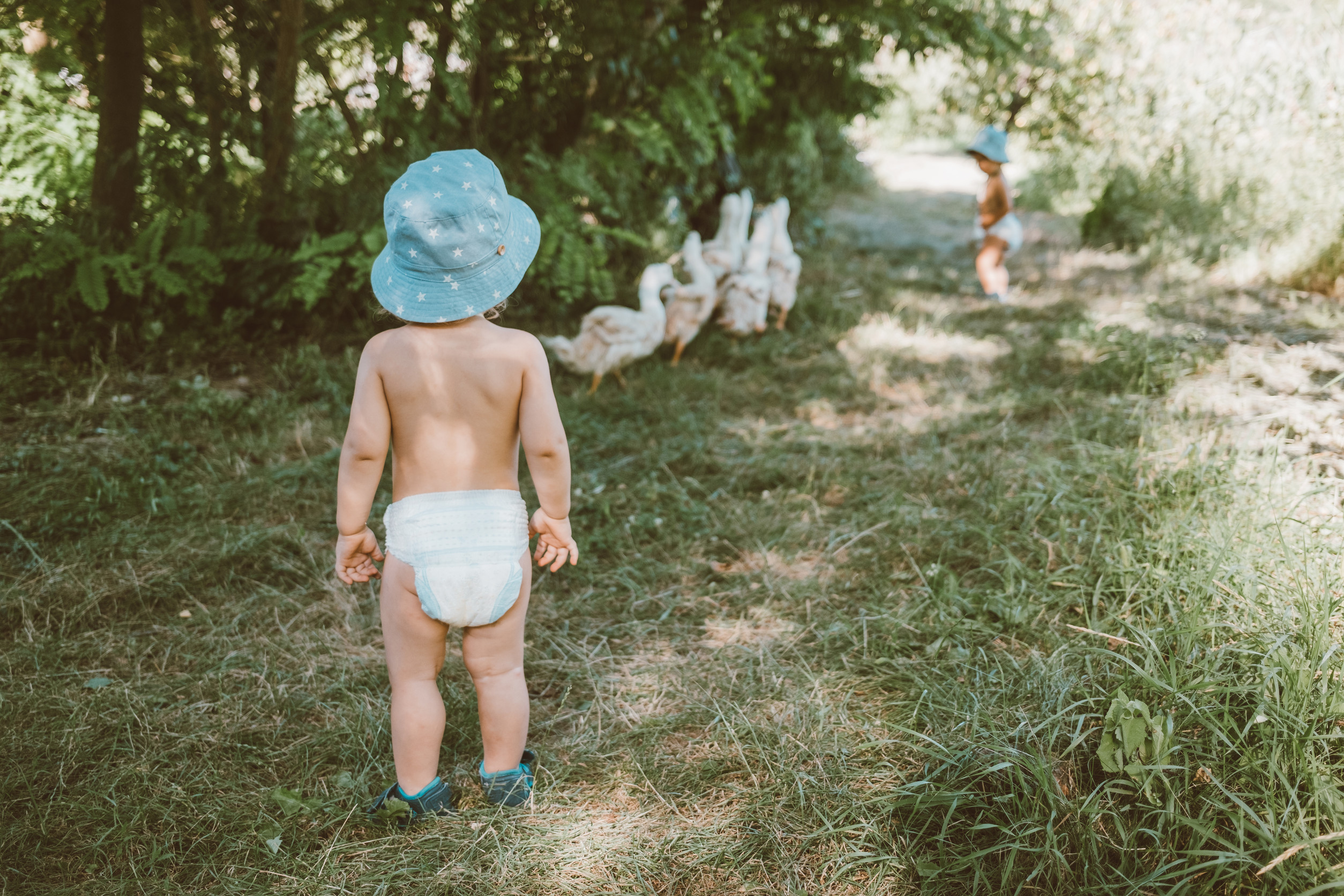
Children accompany the ducks to the river. Kids graze a poultry on village at summer. High quality photo
Image Source: 123rf.com

Potty training is a major milestone that every parent eagerly anticipates, yet for some, it seems to be delayed. If your three-year-old is still in diapers, you might be feeling a mix of frustration and concern. However, with the right strategies and a patient approach, you can help your child transition smoothly from diapers to the toilet. This article outlines practical steps to expedite the potty training process and ensure a successful transition. Let’s explore proven methods to help your child become potty trained immediately.

Assessing Readiness

Before beginning potty training, it’s important to determine if your child is truly ready for this transition. Look for signs like showing interest in the toilet, staying dry for longer periods, and expressing discomfort with a soiled diaper. Recognizing these cues ensures that both you and your child are prepared for the process. Starting too early can lead to frustration for both parties, while waiting too long might delay progress further. A careful assessment sets the stage for a smoother and more successful training experience.

Creating a Positive Environment

Establishing a supportive atmosphere is crucial for effective potty training. Introduce the concept through engaging, age-appropriate books or videos that explain the process in a fun way. Provide a child-friendly potty chair in a familiar and comfortable space to reduce anxiety. Celebrate small successes, such as sitting on the potty, to reinforce positive behavior. Avoid punishing accidents—instead, use them as learning opportunities to build confidence and encourage progress.

Implementing a Consistent Routine

Consistency is key to successful potty training. Set specific times throughout the day for your child to sit on the potty, such as after meals and before bedtime. A predictable routine helps your child associate certain times with using the toilet, reducing anxiety and resistance. Consistency in practice reinforces the habit and gradually builds confidence. Over time, this structured approach will lead to steady progress and increased independence.

Encouraging Independence

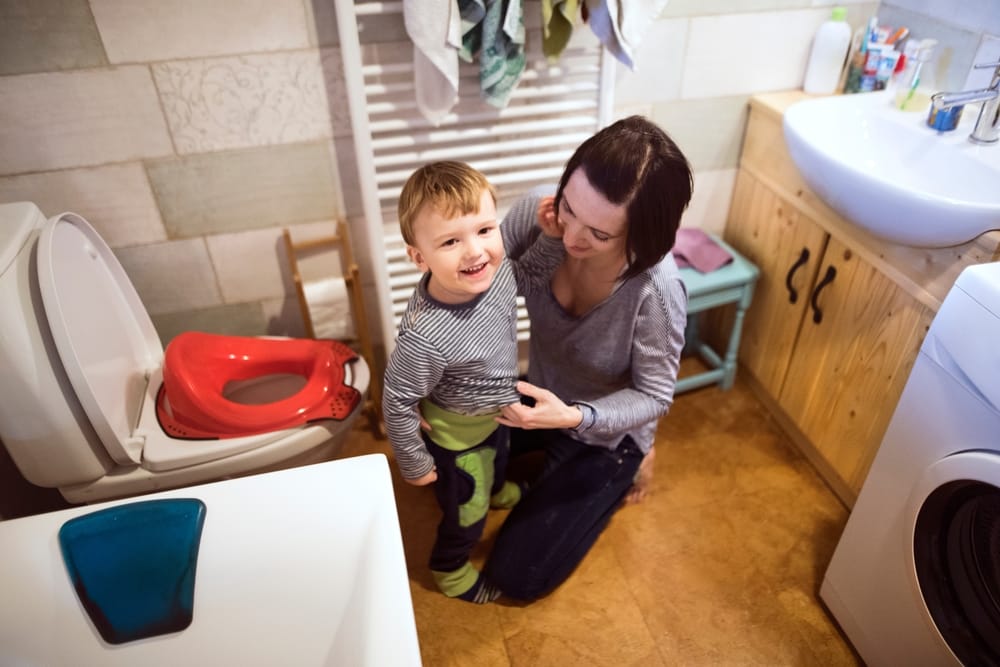
Using the potty
Image Source: 123rf.com

Empower your child by involving them in the potty training process. Let them choose their own underwear or decorate their potty chair to make it more inviting. Teach them how to pull their pants up and down, promoting self-sufficiency. This active participation boosts their confidence and makes the process more engaging. Independence in this task not only accelerates training but also builds important life skills.

Handling Setbacks Gracefully

Accidents are an inevitable part of potty training, and handling them calmly is crucial. When setbacks occur, reassure your child that mistakes are a normal part of learning. Offer gentle guidance and encourage them to try again without fear of punishment. Maintaining a patient and supportive attitude helps preserve their self-esteem. Consistent, positive reinforcement will ultimately lead to success in this transition.

The Potty Training Journey

Potty training is a significant milestone that requires patience, consistency, and a nurturing approach. By assessing readiness, creating a positive environment, and encouraging independence, you can help your child transition from diapers to the toilet with confidence. Remember, every child’s journey is unique, and setbacks are merely stepping stones to success. Celebrate each small victory along the way and provide unwavering support.

What strategies have you found effective in potty training your child? Share your experiences and tips in the comments below.

Read More:

Is Your Child Still Peeing in the Bed? Here Are the Best Tools for Potty Training

Sleeping, Outings and Other Tips to Remember During Potty Training


Tamila McDonald
Tamila McDonald

Tamila McDonald is a U.S. Army veteran with 20 years of service, including five years as a military financial advisor. After retiring from the Army, she spent eight years as an AFCPE-certified personal financial advisor for wounded warriors and their families. Now she writes about personal finance and benefits programs for numerous financial websites.

Filed Under: Parenting Tagged With: child development, Diapers, Parenting, potty training, toilet training

Is Your Child Still Peeing in the Bed? Here Are the Best Tools for Potty Training

September 3, 2024 | Leave a Comment

If your child is still having trouble with bedwetting, you’re not alone. Potty training can be a challenging milestone for many parents and children. Finding the right tools can make the process much smoother and less stressful. Let’s explore some of the best tools for potty training that can help your child achieve success and gain confidence.

Essential Potty Training Equipment

The right potty training equipment can make a big difference in how quickly your child learns. A child-friendly potty chair with bright colors or characters can encourage them to sit and try. Portable potty seats are convenient for families on the go, ensuring consistency in training. Potty training pants are also useful as they bridge the gap between diapers and underwear, helping children understand wetness.

Potty Training Accessories You Need

Accessories can play a crucial role in making potty training an engaging experience. Step stools give children the independence to reach the toilet and sink. Waterproof mattress protectors are essential in case of accidents during the night. Potty training charts with stickers or rewards can motivate children by celebrating their successes. Easy-to-read potty training books can also provide encouragement and guidance in a fun way.

Technology to Support Potty Training

In today’s tech-savvy world, technology can be a surprising ally in potty training. Apps designed for potty training can provide games, reminders, and progress tracking to keep children engaged. Toilet training watches remind your child to try going to the bathroom at regular intervals. Smart potty chairs with built-in sensors and sounds offer immediate feedback to reinforce learning. Some parents find that using a reward system app helps to maintain motivation over time.

Helpful Tips for a Successful Transition

Consistency is key when using the best tools for potty training. Ensure that everyone involved in your child’s care follows the same routine and rules. Make potty time enjoyable by reading books or playing games while your child sits on the potty. Celebrate small wins and progress to build confidence. Stay patient and calm; every child learns at their own pace, and setbacks are a normal part of the process.

Encouragement for Parents and Caregivers

Remember that potty training is a journey, not a race. It’s important to stay positive and encouraging even when accidents happen. Make sure to praise your child’s efforts rather than just the outcomes to build self-esteem. Connect with other parents who are going through the same process for additional support and advice. With the right tools and a little patience, your child will master this important milestone.

Latrice Perez

Latrice is a dedicated professional with a rich background in social work, complemented by an Associate Degree in the field. Her journey has been uniquely shaped by the rewarding experience of being a stay-at-home mom to her two children, aged 13 and 5. This role has not only been a testament to her commitment to family but has also provided her with invaluable life lessons and insights.  As a mother, Latrice has embraced the opportunity to educate her children on essential life skills, with a special focus on financial literacy.

Filed Under: Money and Finances Tagged With: bedwetting solutions, best tools for potty training, parenting tips, potty training, potty training equipment, potty training tips, toilet training tools

How I Prepared to Potty Train My Toddler

October 29, 2014 | Leave a Comment

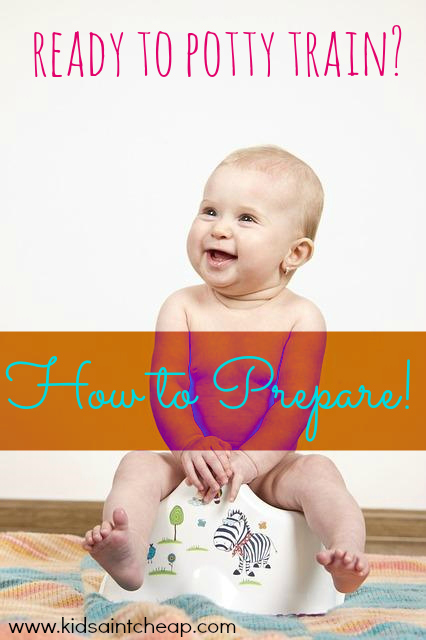
Ready to potty train? How to prepare.I’ve been thinking about how to approach potty training with my two year old for months. It’s funny, motherhood relies a lot on intuition but potty training was leaving me stumped. I mean how do you teach a small child how to just stop using a diaper and start using a potty (or toilet)?

Today I am discussing how I prepared to potty train, next week I will break down my step-by-step about how I had my daughter from diapers to full-time underwear (including overnight) in less than a week.

Mentally Prepare Yourself

I knew one thing for sure, regardless of how I was going to approach it, I wasn’t going to initiate anything until I was ready. Most things I read focused on the readiness of the child but in my mind I was mentally preparing myself for what could be a struggle and mommy needed to be prepared more than child. If mom (and/or dad) isn’t on board do not attempt anything until you are. Once you start potty training do not stop, so if there will be foreseeable interruptions (vacations, large life changes), wait. Children are much more flexible than we give them credit for sometimes.

Get the Right Supplies

  • I chose to use a toilet seat insert over that traditional child potty since I felt like it was saving a step with the lack of transition needed between potty and regular, large toilet. My niece was taught on a child potty and is still terrified of toilets, especially in public, so I was going to do what I could to avoid this. I bought the seat months before I started so she could see it and become familiar with what it was though I don’t think this is a necessary step. Use whatever is easiest for you and your family.
  • I bought new underwear for her to see and get acquainted with, they were her ‘’big girl undies’’. Though I didn’t have her present when I bought them, I can see how some children would be excited to be involved with this step and may be beneficial, use your own judgement.
  • Buy a travel potty seat insert if you plan on going in public! Their bladders are small and when they need to go they need to go! Some public toilets are larger than residential and falling into the toilet even once will be enough for you and them I’m sure. The travel seats I’ve seen fold up to the size of a change pad and are pretty cheap (less than $15.00).
  • Rewards, if using, need to be on hand. Again this is child dependant. Before I started I knew if it came down to it my child would do just about anything for a Smartie or M&M so I had a few on hand, if I needed. I chose to not start with much reward in the beginning and see how it worked out. As I suspected my daughter was excited to just have me clap and be proud of her, she didn’t need a chocolate treat or sticker but again, have whatever you think you child will need for encouragement, on hand.
  • An audible timer. This could also likely be an app on a smartphone but something that makes a noise loud enough for you and child to hear.

Because I was prepared mentally for the worst, you can imagine my elation for how easy the process actually was for us. Though I mentioned mom (and dad) being mentally prepared it goes without saying to check for readiness with your child as well. There is no ‘’perfect’’ age to potty train. Every child is unique and for some being potty trained at 18 months is do-able where others are past their third birthday. You know your child better than anyone or any expert, unless there is a time sensitive issue (passing fourth birthday and needs to be out of diapers for pre-school), don’t rush the process!

Catherine
Catherine

Catherine is a first time momma to a rambunctious toddler. When she isn’t soaking up all that motherhood has to offer, you can find her blogging over at Plunged in Debt where she chronicles her and her husbands journey out of debt. You can also follow her on Twitter.

plungedindebt.com

Filed Under: Growing Up, Parenting Tagged With: potty training, tips for potty training, toddlers

  • Facebook
  • Pinterest
  • RSS
  • Twitter

Basic Principles Of Good Parenting

Here some basic principles for good parenting:

  1. What You Do Matters: Your kids are watching you. So, be purposeful about what you want to accomplish.
  2. You Can’t be Too Loving: Don’t replace love with material possessions, lowered expectations or leniency.
  3. Be Involved Your Kids Life: Arrange your priorities to focus on what your kid’s needs. Be there mentally and physically.
  4. Adapt Your Parenting: Children grow quickly, so keep pace with your child’s development.
  5. Establish and Set Rules: The rules you set for children will establish the rules they set for themselves later.  Avoid harsh discipline and be consistent.
  6. Explain Your Decisions: What is obvious to you may not be evident to your child. They don’t have the experience you do.
  7. Be Respectful To Your Child: How you treat your child is how they will treat others.  Be polite, respectful and make an effort to pay attention.
Best Parenting Blogs

Most Popular

11 Ways Kids Are Outsmarting Parental Controls 1. Using Alternate Devices One common trick is simply turning to another device. If a child’s main phone or tablet is restricted, they may borrow a sibling’s, friend’s, or even a school laptop. This instantly gives them access to content outside of parental oversight. Parents often focus on one device, forgetting that others in the household can serve as loopholes. Knowing this tactic helps families tighten controls across all electronics. 2. Clearing Browsing Histories Many kids quickly learn that clearing browsing history hides evidence of restricted activity. With just a few clicks, they can erase any trace of websites visited. This makes it harder for parents to notice when rules are being broken. Parents may assume no history means no browsing, but the reality is often the opposite. Kids are outsmarting parental controls by making it seem like nothing happened at all. 3. Using Private Browsing Modes Most browsers offer “incognito” or private browsing features. Kids use this mode to access websites without leaving a record in the history. To parents checking later, everything looks clean and safe. This simple trick is often one of the first ways kids discover how to bypass restrictions. Conversations about private browsing can help close this gap. 4. Guessing or Resetting Passwords Children who are persistent may try to guess passwords to parental control apps or accounts. Others may find ways to reset them through email prompts or security questions. Once inside, they can disable restrictions entirely. Parents may not even realize controls have been altered until much later. Stronger, less predictable passwords can make this more difficult. 5. Using VPNs to Hide Activity Virtual private networks, or VPNs, let kids disguise their online locations. With one downloaded app, they can bypass geographic or parental restrictions. Some children learn about VPNs through friends or even social media. This makes it easy for them to reach content that should be blocked. Parents often underestimate just how simple it is for kids to use these tools. 6. Creating Fake Accounts When parents monitor social media, kids may create hidden accounts. These “finstas” or fake profiles allow them to interact freely without parental oversight. While their main account appears harmless, the secondary one tells a different story. Kids are outsmarting parental controls by playing both sides at once. Checking for duplicate accounts can help parents stay more aware. 7. Exploiting Time Zone Settings Some kids change the time zone on their devices to bypass screen time limits. This trick allows them to gain extra hours of usage undetected. Parents may assume controls are working, but in reality, the child is bending the clock. It’s a clever loophole that highlights just how resourceful kids can be. Monitoring device settings regularly can catch this tactic. 8. Disabling or Uninstalling Apps Parental control apps can be deleted or disabled with surprising ease. Some kids even reinstall them before a parent checks, making it seem like nothing changed. Others may simply restrict permissions to prevent apps from functioning properly. When apps aren’t monitored closely, parents may not notice they’ve been tampered with. This shows the importance of consistent follow-up. 9. Turning to Friends for Access If a child can’t get past restrictions on their own, they may rely on friends. Visiting a friend’s house or borrowing their phone can give them a free pass. Parents often forget that peer environments can override restrictions set at home. This kind of social workaround is especially common with gaming or social media. Open conversations about trust and responsibility are essential. 10. Hiding Apps in Plain Sight Kids sometimes download apps that look innocent but serve as gateways to hidden activity. These apps may disguise themselves as calculators or utilities. In reality, they allow file storage, private messaging, or browser access. Parents glancing at a home screen may overlook them entirely. Learning to recognize these disguised apps can help parents stay informed. 11. Outpacing Parents’ Tech Knowledge Finally, kids often know more about devices than their parents do. Whether through YouTube tutorials, TikTok hacks, or peer groups, they quickly learn advanced workarounds. This knowledge gap means controls can be bypassed before parents even realize the loophole exists. Staying informed and continually learning about new technology is the best defense. Kids are outsmarting parental controls because they adapt faster than most adults. The Real Solution Lies Beyond Restrictions While controls and filters are important, no system is perfect. Kids will always find creative ways around barriers, making communication the strongest safeguard. Setting clear expectations, building trust, and having ongoing conversations about online behavior matter more than apps alone. Parents who combine technology with open dialogue create a safer digital environment. The goal isn’t to win a battle of wits but to build a relationship that keeps kids both safe and honest. Do you think kids are outsmarting parental controls faster than parents can keep up? Share your experiences in the comments below. What to Read Next... 6 Parenting Tech Shortcuts That Can Expose Your Child to Strangers How Much Screen Time Is Too Much—Legally Speaking? Is Your Child’s School Quietly Tracking Their Location Without Your Consent? How Much Screen Time Is Quietly Reshaping Childhood Behavior? Why Some Parents Are Being Investigated Over Homeschooling Records

11 Ways Kids Are Outsmarting Parental Controls

Catherine Reed
Smiling grandfather holding a happy baby indoors.

Why Grandparents Shouldn’t Babysit Their Grandkids Every Week – The Unspoken Issue

Samantha
Girl getting makeup done, referencing psychologist-approved age.

Wearing Makeup: Here Is the Age That Psychologists Agree It’s Okay for Girls to Wear Makeup

Samantha
birthday gifts

7 Birthday Gifts Your Child Should Never Bring to a Party

Latrice Perez

Babysitting Without Cash: 10 Ways to Barter Your Way Out of Childcare Costs

Ashleigh Clyde

All content on Kids Ain’t Cheap is for entertainment purposes only. By reading this blog, you agree that Kids Ain’t Cheap is not responsible for any actions taken after reading this blog. For the full disclaimer, see our privacy policy.

Please note that Kids Ain’t Cheap has financial relationships with some of the merchants mentioned here. Kids Ain’t Cheap is funded by banner advertising, commission sales and search optimization consulting.

Copyright © 2006–2026 | District Media | All Rights Reserved | Privacy Policy

Copyright © 2026 Runway Pro Theme by Viva la Violette