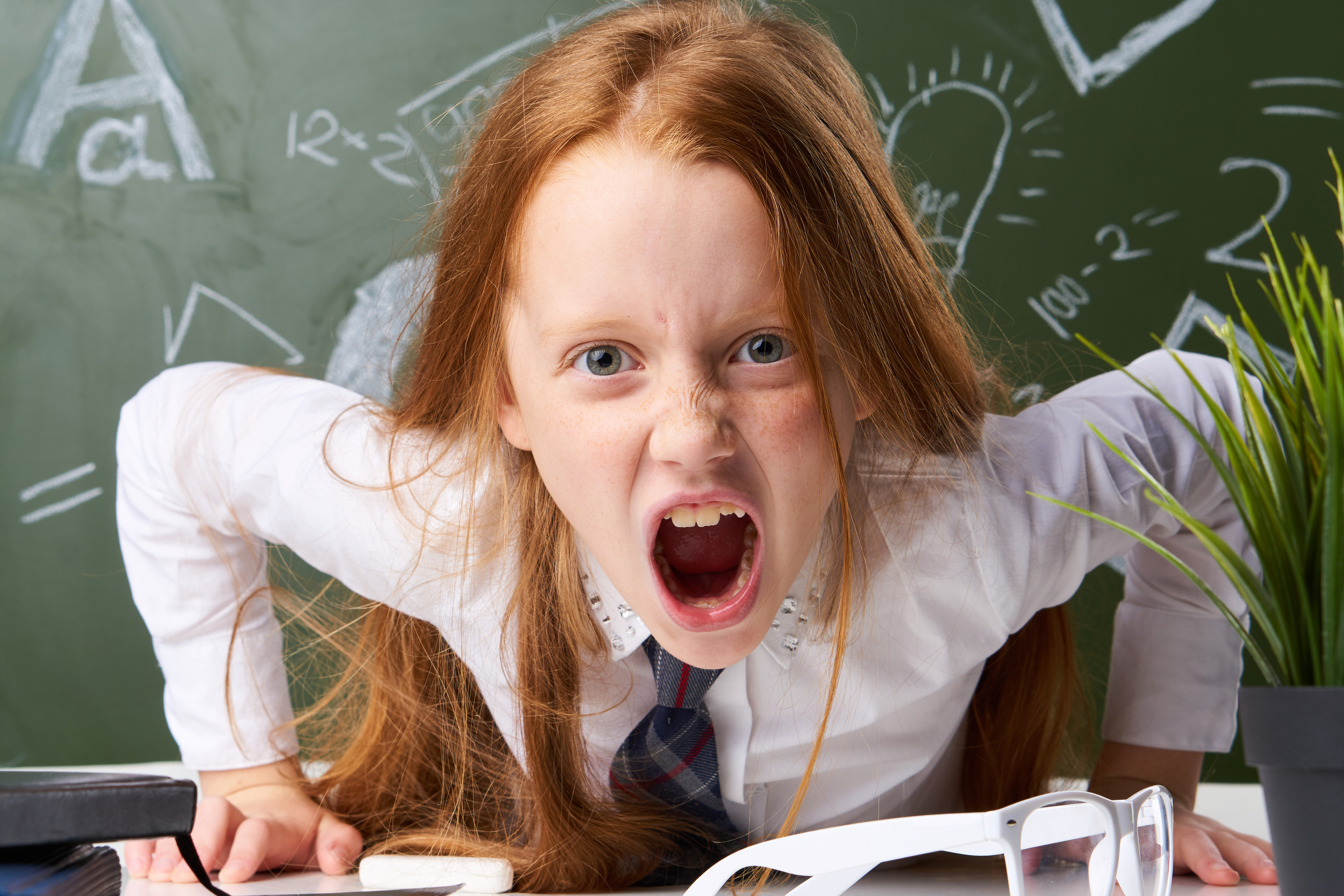
For many families, gaining admission to a private school feels like opening the door to greater academic opportunity and future success. When the rejection letter arrives, however, it can be crushing and confusing. Parents may wonder if their child’s grades weren’t high enough or if the competition was simply too tough. Yet there’s another factor often overlooked: behavior. Schools don’t just evaluate academic performance; they carefully consider a child’s attitude, discipline, and interactions, all of which can tip the scales in admissions decisions.
1. First Impressions During the Interview
Private school admissions often include an interview or a trial visit, where staff pay close attention to how children interact. Even subtle behaviors like interrupting, lack of eye contact, or difficulty following directions can stand out. Admissions teams look for students who will thrive in structured settings and contribute positively to the community. If your child appears disinterested, uncooperative, or distracted, it may leave a lasting negative impression. In some cases, these behaviors can matter as much as test scores when decisions are made.
2. Teacher Recommendations and Reports
Private schools frequently request recommendations from current teachers as part of the application. While academic ability is highlighted, teachers also share insights about a child’s conduct and character. Consistent classroom disruptions, struggles with authority, or poor peer relationships may be red flags. Schools want reassurance that new students will not create ongoing discipline challenges. Negative behavior reports can quietly play a significant role in private school rejection letters.
3. Group Dynamics and Peer Interaction
Many private schools observe applicants in group activities to evaluate social skills. Admissions staff want to see whether children collaborate, share, and show respect for peers. If a child dominates conversations, refuses to cooperate, or shows aggression, these behaviors can outweigh strong academics. Schools aim to build classrooms with balanced, respectful dynamics. Poor peer interaction often signals that a student might struggle to fit into the community, leading to rejection.
4. Attitude Toward Learning
Private schools pride themselves on fostering intellectual curiosity, so they carefully assess how children approach challenges. A child who gives up quickly, complains about difficult work, or resists trying new things may raise concerns. Behavior that suggests a lack of resilience or motivation can be a deciding factor in admissions. Schools want students who embrace effort and demonstrate growth-minded attitudes. This means even subtle signals of disinterest can make a big difference.
5. Parent Behavior and Family Fit
It’s not only the child’s conduct under review. Private schools often evaluate families to ensure they align with the school’s culture and expectations. If parents appear defensive about behavioral concerns or dismissive of school values, it reflects poorly on the application. Schools want cooperative relationships with families who reinforce positive discipline at home. Parental behavior can indirectly influence a child’s acceptance or rejection from private school.
6. Discipline History or Past Records
Admissions committees sometimes review disciplinary records, particularly when a child is transferring from another school. Frequent issues such as fights, disrespect toward teachers, or repeated detentions may raise concerns. Private schools are selective about admitting students who could disrupt the learning environment. A history of negative behavior might outweigh academic achievements. In these cases, parents may need to address and explain past incidents directly to improve future chances.
7. Emotional Regulation and Self-Control
Children who struggle with managing emotions may unintentionally harm their admission prospects. Outbursts, frustration, or visible impatience during evaluations can be seen as warning signs. Private schools seek students who can adapt well to structured classrooms and handle challenges maturely. Emotional regulation is closely tied to behavior, and admissions teams take note of it. Showing steady composure during stressful moments can make a strong impression.
8. Schools Look for More Than Academics
The biggest misconception is that private school admissions are based solely on grades and test scores. In reality, schools want well-rounded students who bring positive energy to the community. Behavior, attitude, and interpersonal skills are all part of the decision-making process. A child who struggles academically but shows great effort and cooperation may be favored over one with strong scores but poor behavior. Recognizing this balance helps families better prepare for the process.
Preparing for Future Opportunities
Being denied admission doesn’t mean your child isn’t capable of success; it may simply highlight areas for growth. Parents can work with teachers, mentors, or counselors to help children strengthen behavior and social skills. Emphasizing respect, cooperation, and resilience prepares kids not only for private school but for life beyond academics. Admissions decisions are multifaceted, and focusing on behavior can improve future outcomes.
Do you think private schools place too much emphasis on behavior in admissions? Share your opinion in the comments below.
What to Read Next…
7 Reasons You Shouldn’t Waste Money on Private Schools
8 School Rules That Should’ve Changed Decades Ago
Are Parental Rights Being Ignored in Public School Curriculums?
Here’s Why School Supplies Continue to Cost More and More Every Year
7 After-School Activities That Are Quietly Putting Kids in Danger

Catherine is a tech-savvy writer who has focused on the personal finance space for more than eight years. She has a Bachelor’s in Information Technology and enjoys showcasing how tech can simplify everyday personal finance tasks like budgeting, spending tracking, and planning for the future. Additionally, she’s explored the ins and outs of the world of side hustles and loves to share what she’s learned along the way. When she’s not working, you can find her relaxing at home in the Pacific Northwest with her two cats or enjoying a cup of coffee at her neighborhood cafe.
