
• Home
  • About Us
  • Toolkit
  • Archives
  • Advertise
  • Privacy Policy

Kids Ain't Cheap

But They Sure Are Worth It

  • Parenting
    • Baby Stuff
    • Books and Reading
      • Aesops Fables
      • Comic Books
    • Education
    • Family Time
    • Green Living
    • Growing Up
    • Healthy Living & Eating
    • Holidays
    • Parenting
    • Random Musings
    • Shopping
    • Stuff to Do
  • Money
  • Product Reviews
    • Books and Magazines
    • Discount Sites
    • Furniture
    • House Keeping
    • Reviews News
    • Toys and Games
  • Contact Us
  • Our Editorial Commitment
  • Search

The ‘Old Fashioned’ Names Making a Comeback in 2026—And Which 5 Will Get Your Child Ridiculed

January 18, 2026 | Leave a Comment

The 'Old Fashioned' Names Making a Comeback in 2026—And Which 5 Will Get Your Child Ridiculed
Image source: shutterstock.com

If your baby-name list is starting to sound like a great-aunt reunion, you’re not alone. In 2026, lots of parents are reaching for old fashioned names because they feel familiar, steady, and easy to spell on every form. The tricky part is that kids don’t judge a name by its history; they judge it by what it turns into on the playground. You don’t need a “perfect” name, but it helps to choose one your child can grow into without constant commentary from classmates. Let’s talk about why vintage picks are back, plus five that can attract teasing and how to avoid the worst of it, while keeping the choice kind and realistic.

Why Vintage Names Are Popping Up Everywhere

Parents get tired of hearing the same sounds over and over in class lists. When trendy spellings and matching endings feel everywhere, classics start to feel fresh again. Family honor names also rise when grandparents and great-grandparents are part of everyday life, not just holiday visits. Online culture romanticizes “retro” everything, and baby naming follows that mood. That’s why old fashioned names can feel both comforting and new at the same time.

The Quick “Kid-Proof” Checklist Before You Commit

Say the full name out loud like you’re calling it across a noisy field. Check the initials, because kids notice when letters accidentally spell something. Clap the syllables, since sing-song rhythms are easy to chant during recess. Ask one honest friend for rhymes, then decide if the worst one is survivable. If you’re leaning toward old fashioned names, pick a nickname your child can use at school without explaining it.

1. Mildred

Mildred has real vintage charm, but “mild” can become a boring joke fast. Some kids also jump to “Mildew,” because gross-out humor spreads quickly. The nickname Millie usually solves the issue without losing the classic feel. If the family tie matters most, place Mildred in the middle-name spot. If you use it first, introduce the nickname early and stick with it.

2. Bertha

Bertha is strong, but it can sound loud next to softer modern names. Kids can twist “Bertha” into “burp” jokes in about ten seconds. Adults might hear “powerful,” while kids hear a sound they can play with. If it’s an honor name, Bette or Birdie keeps the vibe with less risk. Another option is Bertha as a middle name with a simpler first.

3. Horace

Horace can sound like “horse” when someone says it quickly. That tiny shift is enough for neighing noises and silly nicknames. The name also has a sharp ending that can feel abrupt in group settings. Pair it with a smoother middle name so the full name flows better. Give your child an easy nickname like Ace if they want one.

4. Gaylord

Gaylord is a real name, but kids may fixate on it in ways adults don’t. Comments can pile up, and your child shouldn’t have to manage that all day. If it’s a family surname, the middle-name spot often works better. You can also honor the same person with Gale, Grant, or Gordon. Changing the plan isn’t disrespectful; it’s practical.

5. Fanny

In the U.S., Fanny can get laughs because it’s slang-adjacent. In the U.K., it can be far more awkward, which matters in a global world. Even if your family loves it, classmates may treat it like a setup line. Frances gives you the classic sound with a safer everyday option. If you keep Fanny, expect questions early and decide how you’ll respond.

Choosing Old Fashioned Names With Less Stress

Separate “vintage” from “teaseable,” because many classics are sturdy and safe. Listen to the name in fast speech, since that’s how teachers and kids will actually say it. If the first name feels heavy, balance it with a lighter middle name for flexibility over time. For old fashioned names that feel borderline, use them as the middle name and keep first names simpler. If you still want old fashioned names up front, pick one with a nickname that feels natural and easy to own.

The Takeaway: A Name Should Grow With Your Kid

A baby name has to work in preschool, middle school, and a job interview. The safest picks are easy to say, easy to spell, and hard to twist into a joke. If you love old fashioned names, you can protect them with smart nicknames and flexible middle-name choices. Think like a kid for five minutes now to pressure-test old fashioned names, so your child doesn’t have to later.

Which vintage name do you love, and which one would you avoid—and why?

What to Read Next…

Will That Unique Baby Name Prevent Your Kid from Fitting In?

10 Baby Name Combinations That Are Quietly Ridiculed in Classrooms

Does Following Current Name Trends Mean Your Child Will Be Picked on in 2035?

Why Some States Are Pushing Back Against Trendy Baby Names

How One Baby Name Choice Could Affect College Admissions

Catherine Reed
Catherine Reed

Catherine is a tech-savvy writer who has focused on the personal finance space for more than eight years. She has a Bachelor’s in Information Technology and enjoys showcasing how tech can simplify everyday personal finance tasks like budgeting, spending tracking, and planning for the future. Additionally, she’s explored the ins and outs of the world of side hustles and loves to share what she’s learned along the way. When she’s not working, you can find her relaxing at home in the Pacific Northwest with her two cats or enjoying a cup of coffee at her neighborhood cafe.
Filed Under: Baby Names Tagged With: baby names, family traditions, kid culture, name trends, nicknames, parenting tips, school life, vintage names

10 Things Kids Confess to Their Teachers That Parents Never Hear

August 20, 2025 | Leave a Comment

10 Things Kids Confess to Their Teachers That Parents Never Hear
Image source: 123rf.com

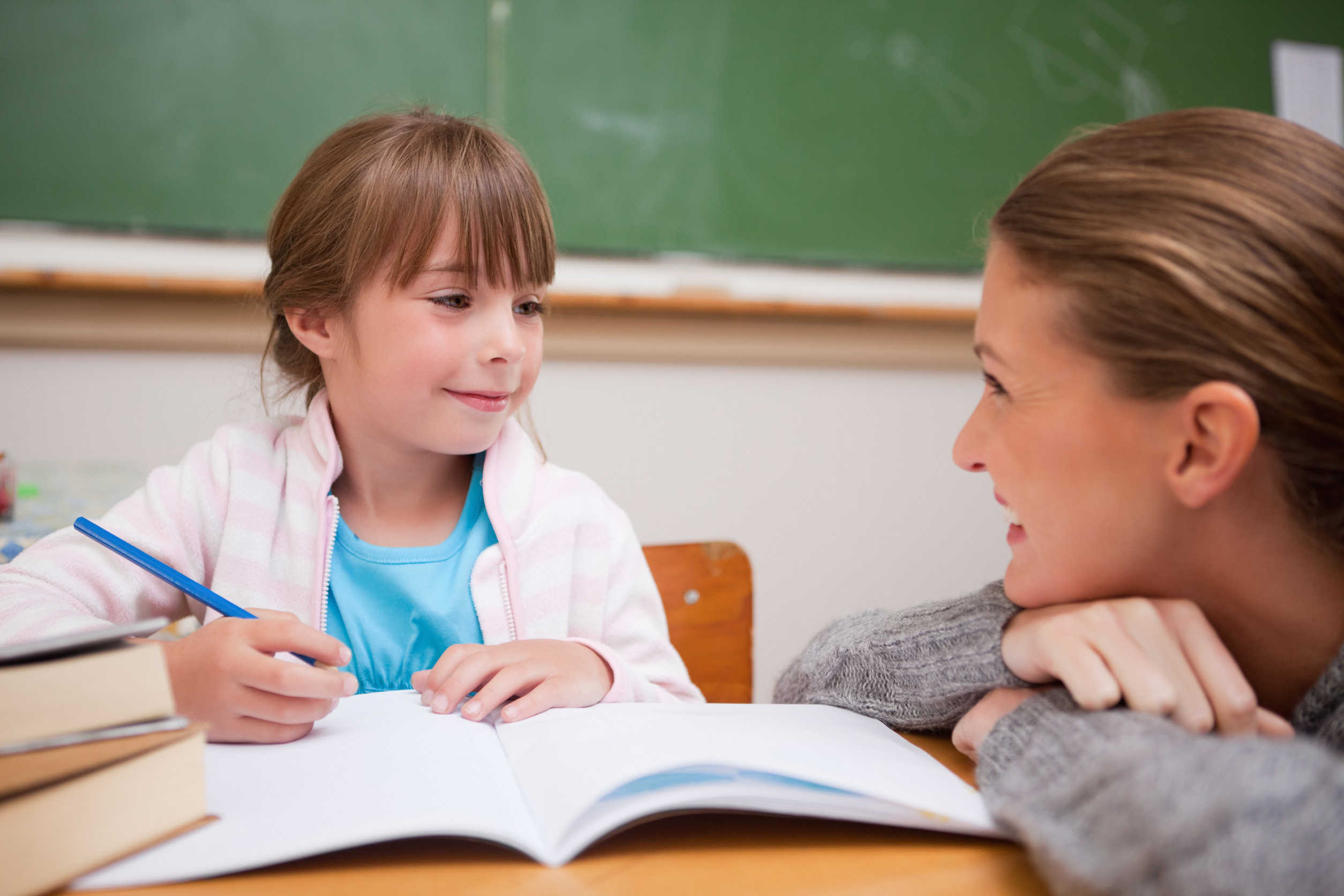
Every parent wonders what their child says when they’re not around, but teachers often get an inside look that moms and dads rarely do. Kids can be surprisingly honest when they feel comfortable, sharing details about their fears, friendships, and daily struggles. These candid moments can reveal valuable insights into how children view the world and what they truly need. By understanding the kinds of things kids confess to their teachers, parents can gain a better perspective on their child’s inner world and strengthen their connection at home.

1. “I’m Scared of Failing”

One of the most common things kids confess to their teachers is the fear of failure. They might not say it at home because they don’t want to disappoint their parents. Teachers often hear students whisper about being nervous before tests or worried they aren’t good enough. This honesty gives teachers the chance to reassure children and build their confidence. Parents who are aware of this fear can offer more encouragement and reduce pressure around grades.

2. “I Don’t Have Friends”

Loneliness is another secret often shared in classrooms rather than at the dinner table. Many kids admit to teachers that they feel left out or excluded on the playground. These confessions help teachers step in with extra support, such as pairing children in group activities or encouraging inclusivity. When parents know their child is struggling socially, they can provide more opportunities for friendships outside of school. Small interventions at home and in class can make a big difference.

3. “I’m Tired All the Time”

Teachers frequently hear about exhaustion that parents might overlook. Kids sometimes confess that they stay up too late on screens or worry at night, making mornings hard. Sharing this with a teacher often comes from trust, and it highlights a deeper need for better routines or stress management. Parents who learn about their child’s fatigue can adjust bedtime habits or reduce evening activities. Being proactive can prevent ongoing health and academic challenges.

4. “I Feel Bullied”

One of the most serious things kids confess to their teachers is about being bullied. Many children hesitate to tell their parents, either out of fear or embarrassment. Teachers become the first adults to know when something is wrong, often noticing patterns in behavior before parents do. When teachers share this with families, it creates a chance for immediate action. Open communication between home and school ensures children feel safe and supported.

5. “I Don’t Understand the Lesson”

Students often feel more comfortable admitting confusion to teachers than to their parents. Kids may be afraid that asking for help at home will disappoint their family. Teachers hear confessions like “I don’t get it” or “I’m lost” much more often than parents realize. This honesty allows teachers to provide extra help before frustration builds. When parents know about it, they can reinforce lessons at home in a calm, supportive way.

6. “I Miss My Parents”

Younger children especially share this vulnerable confession with teachers. They may hide their feelings at home, not wanting to make parents feel guilty. In the classroom, they’ll admit they feel homesick or worry about being apart. Teachers often offer comfort, reassuring kids that their family will be waiting after school. Parents who understand this can make drop-offs smoother and give extra emotional support.

7. “I’m Hungry”

Sometimes kids quietly tell teachers they didn’t eat breakfast or that their lunch isn’t enough. These things kids confess to their teachers often go unnoticed at home because children don’t want to complain. Teachers who hear this may offer snacks or alert parents so the issue can be fixed. Regular hunger impacts focus and behavior in class, making it important to address. Parents can benefit from knowing how much their child truly needs during the school day.

8. “I’m Anxious About Growing Up”

As kids get older, they start to worry about their future. Teachers often hear confessions like “I don’t want to go to middle school” or “I’m scared of high school.” These admissions show that growing up feels overwhelming for many children. Teachers can provide reassurance, framing change as something exciting. Parents can use this knowledge to talk openly about upcoming transitions and ease the stress.

9. “I Don’t Want to Let You Down”

Children sometimes view their teachers as role models and fear disappointing them. This emotional confession doesn’t always make it home, where kids might assume parents already expect the best. Teachers hear these statements when children want validation or encouragement. Recognizing this, teachers can reassure students that effort matters most. Parents can also adopt this supportive tone to balance expectations with understanding.

10. “I’m Afraid to Share at Home”

One of the most telling things kids confess to their teachers is that they can’t share everything at home. Whether it’s embarrassment, fear of punishment, or simply not knowing how, they keep certain feelings hidden. Teachers often become safe spaces where kids unload these thoughts. This highlights the importance of open, judgment-free communication in families. When parents work to build trust, kids will feel more comfortable confiding at home too.

Listening Beyond the Classroom Walls

The things kids confess to their teachers provide a window into emotions, worries, and needs that parents might never hear. These conversations highlight how valuable it is to foster an environment of trust both at school and at home. When parents know what children are really feeling, they can respond with greater empathy and support. The partnership between teachers and families ensures that kids don’t carry these secrets alone. By listening carefully and creating space for honesty, parents can deepen their connection with their children.

What do you think kids feel more comfortable sharing with teachers than with parents? Share your thoughts in the comments below!

Read More:

12 Reasons Why Your Kids are Behind Academically

No Respect? 13 Ways to Recognize Disrespectful Behavior in Kids

Catherine Reed
Catherine Reed

Catherine is a tech-savvy writer who has focused on the personal finance space for more than eight years. She has a Bachelor’s in Information Technology and enjoys showcasing how tech can simplify everyday personal finance tasks like budgeting, spending tracking, and planning for the future. Additionally, she’s explored the ins and outs of the world of side hustles and loves to share what she’s learned along the way. When she’s not working, you can find her relaxing at home in the Pacific Northwest with her two cats or enjoying a cup of coffee at her neighborhood cafe.

Filed Under: Parenting Tagged With: child development, communication, family dynamics, Parenting, school life, teacher relationships

10 Items Your Child Brings Home That Signal Social Struggles

August 18, 2025 | Leave a Comment

10 Items Your Child Brings Home That Signal Social Struggles
Image source: 123rf.com

It’s not always easy to know when your child is facing challenges with friendships or fitting in at school. While some kids talk openly about their feelings, others express their social struggles in subtle ways — often through the things they bring home. These items can be quiet cries for help, revealing frustrations, anxieties, or conflicts they may not be ready to voice. By paying attention to these signs, you can open the door to honest conversations and provide the support they need before the problem grows. Here’s what to watch for and why each item matters.

1. Damaged or Torn Belongings

When your child comes home with broken pencils, ripped clothing, or damaged sports gear, it could be more than simple clumsiness. Frequent damage to personal items may point to bullying or rough treatment from peers. Kids experiencing social struggles might not feel comfortable explaining what happened. Instead, the evidence shows up in their backpack or lunchbox. Ask gentle, open-ended questions to help them share the full story.

2. Missing Lunch or Snacks

If your child repeatedly comes home without their packed lunch or snacks, it may signal more than forgetfulness. Sometimes food is traded away under peer pressure or even taken without permission. This can be a sign of trying to fit in or avoid confrontation. Social struggles like these often leave a child feeling powerless or excluded. Keeping track of patterns can help you spot when it’s time to step in.

3. Notes or Drawings with Negative Themes

Kids often express their feelings through art or writing, especially when they don’t have the words to explain. If you notice drawings with sad faces, words like “alone,” or depictions of conflict, it’s worth a closer look. These creative expressions can reveal feelings of isolation or rejection. Social struggles may feel safer to express on paper than in conversation. Respect their privacy but use the opportunity to invite discussion.

4. Unfinished or Crumpled Homework

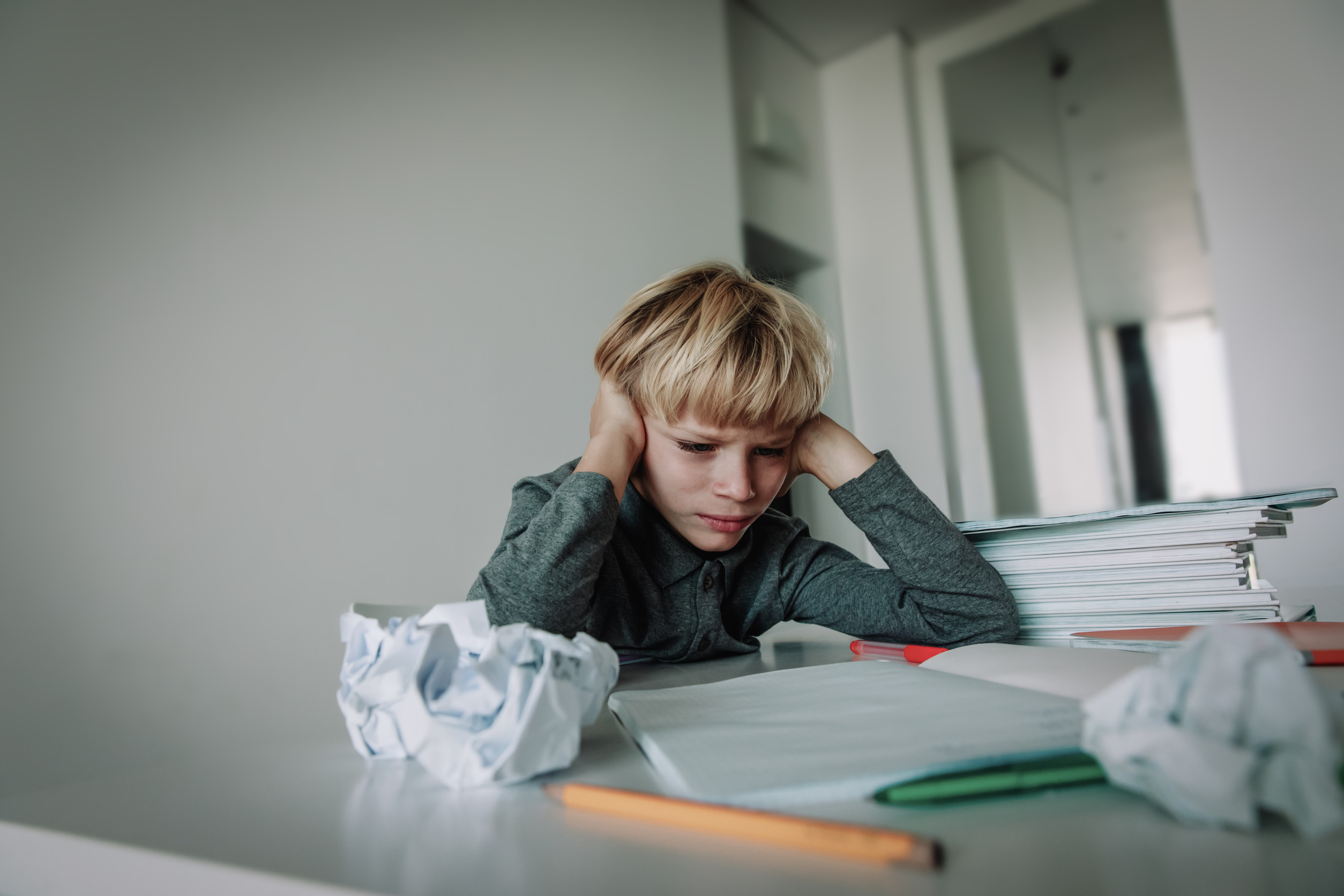
When homework comes home incomplete, crumpled, or covered in scribbles, it can reflect more than academic frustration. Your child might be struggling to concentrate because of social issues at school. They may also be avoiding group work or peer collaboration. Social struggles can distract kids from learning and lower their motivation. Check in with teachers to see if they’ve noticed changes in classroom participation.

5. Clothing That Doesn’t Match the Morning Outfit

If your child leaves for school in one set of clothes and comes home in something entirely different, it’s worth asking why. Sometimes clothing swaps are harmless fun, but other times they can be linked to teasing or pressure to fit in. Children facing social struggles may feel embarrassed about their own style or forced to wear something else to avoid ridicule. Listen for subtle clues in their explanation.

6. Gifts from “New Friends” You Haven’t Met

Small trinkets, toys, or accessories from peers you don’t know can be a red flag. While new friendships can be positive, sudden gift exchanges may come with strings attached. In some cases, they can be part of manipulation or exclusion tactics. Social struggles sometimes involve trying to “buy” acceptance. Encourage your child to talk about how they received the item and what it means.

7. Empty Water Bottle or Missing School Supplies

Constantly missing supplies or having an empty water bottle every day can suggest more than forgetfulness. Sometimes items are taken by other students, or your child may be giving them away to gain approval. Social struggles can push kids to sacrifice their own needs to avoid standing out. Replenishing supplies without conversation can allow the cycle to continue unnoticed.

8. Sports Equipment That’s Gone Unused

If your child participates in sports but brings home gear that looks untouched, there may be a reason beyond disinterest. Social struggles on a team — like exclusion from drills or being benched without explanation — can cause them to disengage. Equipment can become a silent reminder of feeling unwelcome. Talking about their experiences at practice can reveal whether the problem is skill-based or socially driven.

9. Invitations They’re “Not Interested” In

When your child starts declining birthday parties, playdates, or after-school activities, pay attention to the why. They may claim they’re not interested, but underlying social struggles could be the real reason. Avoiding gatherings can be a way to protect themselves from rejection or conflict. Respect their boundaries while exploring if something deeper is going on.

10. Technology or Devices with Deleted History

If your child’s tablet or phone comes home with a mysteriously cleared search history or empty messaging apps, it can indicate more than privacy concerns. Social struggles online — like cyberbullying or exclusion in group chats — may lead them to erase evidence. They may fear getting in trouble or reliving hurtful interactions. Approach the topic with empathy rather than accusation to encourage openness.

Staying Attuned to Subtle Signs

The things your child brings home can speak volumes about their day, their friendships, and their place in social circles. While not every damaged item or missing snack points to serious social struggles, repeated patterns should never be ignored. By tuning into these subtle signals and creating a safe space for conversation, you can help your child navigate challenges before they escalate. Being proactive not only strengthens your bond but also gives them the tools to handle social pressures with confidence.

Have you ever spotted a small clue that told you your child was having a tough time socially? Share your experiences in the comments.

Read More:

The Curse of Wealth: 15 Reasons Why Wealthy Kids Struggle With Mental Health and Happiness

5 Unintended Consequences Of Keeping A Child Sheltered

Catherine Reed
Catherine Reed

Catherine is a tech-savvy writer who has focused on the personal finance space for more than eight years. She has a Bachelor’s in Information Technology and enjoys showcasing how tech can simplify everyday personal finance tasks like budgeting, spending tracking, and planning for the future. Additionally, she’s explored the ins and outs of the world of side hustles and loves to share what she’s learned along the way. When she’s not working, you can find her relaxing at home in the Pacific Northwest with her two cats or enjoying a cup of coffee at her neighborhood cafe.

Filed Under: Parenting Tagged With: bullying prevention, child behavior, emotional health, family communication, Parenting, school life, Social Skills

  • Facebook
  • Pinterest
  • RSS
  • Twitter

Basic Principles Of Good Parenting

Here some basic principles for good parenting:

  1. What You Do Matters: Your kids are watching you. So, be purposeful about what you want to accomplish.
  2. You Can’t be Too Loving: Don’t replace love with material possessions, lowered expectations or leniency.
  3. Be Involved Your Kids Life: Arrange your priorities to focus on what your kid’s needs. Be there mentally and physically.
  4. Adapt Your Parenting: Children grow quickly, so keep pace with your child’s development.
  5. Establish and Set Rules: The rules you set for children will establish the rules they set for themselves later.  Avoid harsh discipline and be consistent.
  6. Explain Your Decisions: What is obvious to you may not be evident to your child. They don’t have the experience you do.
  7. Be Respectful To Your Child: How you treat your child is how they will treat others.  Be polite, respectful and make an effort to pay attention.
Best Parenting Blogs

Most Popular

Baby

9 Unusual Baby Names That Sound Like They Belong to Future CEOs

Evan Morgan
Baby

10 Baby Names That Were Once Considered “Grandparent Names” but Feel Cool Again

Evan Morgan
Target Store

Choking Incident Prompts Recall of 49,000 Target Gigglescape “Under the Sea” Popping Toys

Evan Morgan
Frustrated Girl

Why Some Students on the Spectrum Are Labeled With ODD

Evan Morgan
Coke Bottles

12 Things Kids Took to School in the ’70s That Would Never Be Allowed Today

Evan Morgan

All content on Kids Ain’t Cheap is for entertainment purposes only. By reading this blog, you agree that Kids Ain’t Cheap is not responsible for any actions taken after reading this blog. For the full disclaimer, see our privacy policy.

Please note that Kids Ain’t Cheap has financial relationships with some of the merchants mentioned here. Kids Ain’t Cheap is funded by banner advertising, commission sales and search optimization consulting.

Copyright © 2006–2026 | District Media | All Rights Reserved | Privacy Policy

Copyright © 2026 Runway Pro Theme by Viva la Violette