• Home
  • About Us
  • Toolkit
  • Archives
  • Advertise
  • Privacy Policy

Kids Ain't Cheap

But They Sure Are Worth It

  • Parenting
    • Baby Stuff
    • Books and Reading
      • Aesops Fables
      • Comic Books
    • Education
    • Family Time
    • Green Living
    • Growing Up
    • Healthy Living & Eating
    • Holidays
    • Parenting
    • Random Musings
    • Shopping
    • Stuff to Do
  • Money
  • Product Reviews
    • Books and Magazines
    • Discount Sites
    • Furniture
    • House Keeping
    • Reviews News
    • Toys and Games
  • Contact Us
  • Our Editorial Commitment
  • Search

7 Reasons Why Thrift Shopping May Be Bad For Your Budget

January 31, 2025 | Leave a Comment

7 Reasons Why Thrift Shopping May Be Bad For Your Budget
Image Source: Pexels

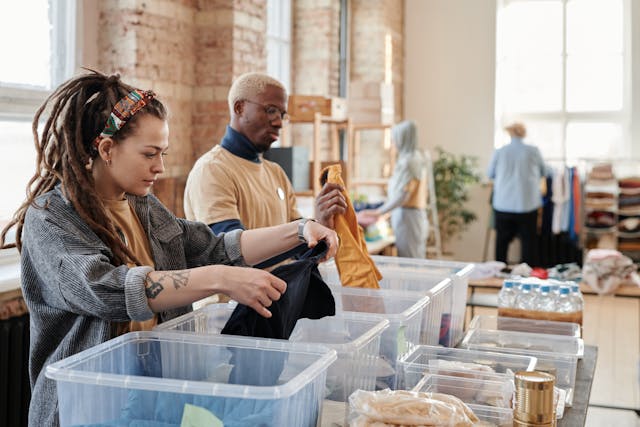
Who doesn’t love thrifting? The thrill of the hunt and the unknown possibility of what you’ll find can be very exciting. You can also feel like you’re saving money or helping the environment by preventing goods from going into the landfills. But what if I told you there are also a lot of reasons why thrift shopping is bad? From fast fashion to reselling and bed bugs, you may not be getting the deal you thought you were.

Justifying Overbuying

Justifying Overbuying
Image Source: Pexels

Some of the visits to the thrift store may be a bust, causing you to walk away with nothing. During other trips, you might feel like you’ve hit the jackpot and found everything you’ve been looking for. When you find and buy item after item, you have to be careful and remember your budget. We tell ourselves thrifting is cheaper than buying new items and it’s environmentally friendly to give them a second life. But really, we’re justifying overbuying. Ultimately, you have to treat the thrift shop like any other store and only get what you actually need. 

Impulse Buying

Impulse Buying
Image Source: Pexels

So many people love the hunt of thrifting. Unfortunately, this can easily turn into impulse shopping. One of the reasons why thrift shopping is bad is because it feels very urgent. If your local store didn’t have something the last time you were there, you may be worried they won’t have it the next time you stop by. 

This contributes to the feeling that purchases are “now or never.” Unless you find exactly what you’re looking for, carefully consider whether you’d buy this product under normal circumstances, or if the pressure is pushing you to do it.

Reduced Lifespan
Reduced Lifespan
Image Source: Pexels

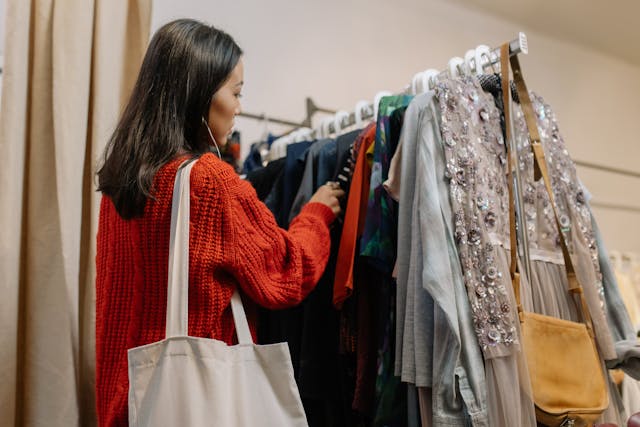
Since items at the thrift store are secondhand, it’s impossible to know just how much usable life they have left. The rise of fast fashion has accelerated this issue. Some clothing items may look great on the rack, but if they weren’t built to last, they could fall apart within a few months. The same goes for electronics, which may have hidden issues that cause them to fail.

Look for signs of wear like undone hems and rips and tears on clothing. It’s also important to consider the cost before you buy. Some thrift stores are more expensive than others and don’t offer much of a discount. So in certain cases, you may be better off splurging a bit more to get a new item, especially if it comes with a warranty.

The War on Reselling

The War on Reselling
Image Source: Pexels

Reselling sites like Poshmark and Mercari can be a great resource, allowing consumers to find the specific used items they’re searching for at lower prices than new merchandise. Many of the listings on these sites are items that the sellers thrifted themselves. 

Unfortunately, this has resulted in many thrift stores raising their prices across the board to discourage reselling. Shoppers report that secondhand goods are costing more and more every year, so you may not be saving as much as you think. Sometimes hunting for clearance deals at Walmart can be cheaper, which is one reason why thrift shopping is bad for your budget. 

More Productive Uses for Your Time
More Productive Uses for Your Time
Image Source: Pexels

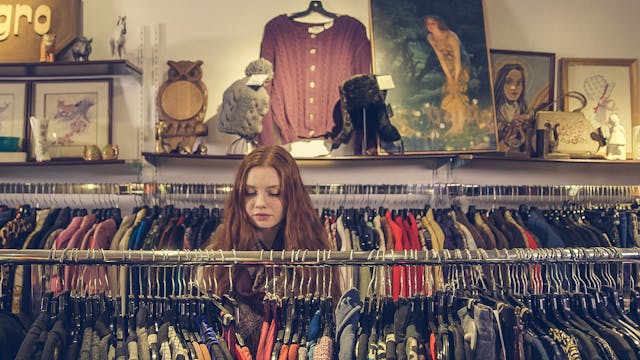
Unless you’re luckier than me, looking for a certain item at a thrift store takes a lot of time. Have you ever thought about the money involved in the time spent thrifting? Shoppers on the hunt usually have to drive to their local thrift shop multiple times and spend a few hours searching. 

While you’re there, you may impulse-buy a few other items. If you skip the thrift store and spend a few hours on a new side hustle instead, you may earn enough to simply buy the item you’re looking for brand new. So if you’re considering why thrift shopping is bad for your budget, be sure to consider the opportunity cost of your time. 

Bed Bugs

Bed Bugs
Image Source: Pexels

My top reason why thrift shopping is bad is bed bugs! While I have been lucky so far, I am always mindful of the risks. Thrifted items come from other people’s homes and are stored with thousands of other items. It only takes one item with bed bugs to potentially infest a majority of the items. Although bed bugs are associated with clothes and mattresses, they can even be in electronics and wooden furniture. They like to hide in nooks and crannies, which can make them hard to spot. 

There are precautions you can take, such as drying clothes for over 30 minutes in high heat. If you live in a very cold area, you could leave furniture and clothes outside to freeze, but you can’t do that to electronics. Remember that the stakes are high and bed bug remediation is expensive! One slip up and you could end up with bed bugs infesting everything you own. 

Rethrifting

Rethrifting
Image Source: Pexels

To complete the thrifting circle of life, we may donate our own unwanted items when we’re done with them. Depending on where you choose to donate and how you sort through your items before donating, re-thrifting can be a wonderful idea. Just be careful to make sure you’re not donating something that would be better resold. You may be leaving a lot of money on the table by donating certain desirable brands. 

Wondering why thrift shopping is bad? It all depends on your buying approach. If the pressure of the hunt causes you to make frequent impulse purchases, you may be better off staying home. However, if you have the willpower to only buy things you absolutely need, shopping secondhand can be a great way to save money and give items a new life.

Vicky Monroe headshot
Vicky Monroe

Vicky Monroe is a freelance personal finance writer who enjoys learning about and discussing the psychology of money. In her free time, she loves to cook and tackle DIY projects.
Filed Under: Shopping Tagged With: Saving Money, Secondhand Stores, Shopping

How to Shop Secondhand

October 21, 2010 | Leave a Comment

second hand storeDue in part to the rise of the green movement, secondhand shopping has become easier and more popular than ever. Even celebrities are buying secondhand and vintage stuff and are proud of it! When we buy, sell or swap pre-owned items, we are putting the 3 R’s (Reducing, Reusing and Recycling) to good use, for the benefit of ourselves and our planet. Furthermore, when we buy something that is pre-owned, we are reducing the amount of waste normally associated with buying new items, such as boxes, paper tags, plastic packaging and the like.

Why Buy Secondhand?

We know that when we buy secondhand goods, we are going to save ourselves some money. Another compelling reason to buy secondhand items is that no new resources are required to make them. This includes materials and packaging as well as the resources used in the manufacturing process, such as heat and electricity. Also, there is less transportation involved when we buy from a local resale shop or exchange goods with people in our own communities. When new owners can be found for unwanted items, this also prevents these things from from ending up a landfill.

What Can Be Bought Secondhand?

Although some of the more common things to find in a resale shop are children’s clothes and toys, it is also possible to find pre-owned treasures in just about any category. Goodwill stores, for example, not only sell clothing, but also Halloween costumes, furniture, and home decorating items, some of them new. At my local Goodwill store, I have even found holiday wreaths, kitchen towels and candles-all offered at discount prices.

Looking for pre-owned books? There’s a place for that. Going to a gala event or planning a wedding? There are secondhand stores that specialize in couture gowns and wedding dresses. Building a house or remodeling? Look for a store in your area that carries left-over building materials, factory seconds and donated household items. It is amazing what you can find if you know where to look. A friend of mine even found a kitchen sink for her new home..who knew!

Where Can You Buy Second-Hand?

In addition to your local resale and consignment stores, there are some other options available on the Internet. eBay (www.ebay.com) is a site that allows consumers to buy and sell both new and used items. It is a good place to start if you have a specific item in mind and do not want to waste time going from store to store. It is also a great way to track down a hard-to-find toy that your child has been begging for, but has been discontinued in retail stores. While Blues Clues toys may not be the “it” things anymore, try telling that to a child who still loves the show! Been there, done that. And just in case you were wondering, I was able to locate both Steve and Joe dolls on eBay. Need I say more?

Another option is Craigslist (http://craigslist.org/), a free, online community bulletin board where people can buy and sell pre-owned items. Furniture Findex (www.furniturefindex.com) is a website that allows people to list items online that they wish to buy or sell, in this case furniture, and is organized according to zip code.

There are also several websites that allow you to trade with, or donate to, others within the network. One such website is The Freecycle Network (www.freecycle.org), which lists local groups who are interested in swapping with one another. As with any online consumer service, remember to prioritize your own personal security. Set up a neutral meeting place to make an exchange or else make sure someone is with you when you are buying from or selling to a stranger.

Have other green or secondhand shopping tips? We’d love it if you shared them!

Brian
Brian

Brian is the founder of Kids Ain’t Cheap and is now sharing his journey through parenthood.

 
Email • Google + • Facebook • Twitter

Filed Under: Shopping Tagged With: Green Living, Secondhand Stores

  • Facebook
  • Pinterest
  • RSS
  • Twitter

Basic Principles Of Good Parenting

Here some basic principles for good parenting:

  1. What You Do Matters: Your kids are watching you. So, be purposeful about what you want to accomplish.
  2. You Can’t be Too Loving: Don’t replace love with material possessions, lowered expectations or leniency.
  3. Be Involved Your Kids Life: Arrange your priorities to focus on what your kid’s needs. Be there mentally and physically.
  4. Adapt Your Parenting: Children grow quickly, so keep pace with your child’s development.
  5. Establish and Set Rules: The rules you set for children will establish the rules they set for themselves later.  Avoid harsh discipline and be consistent.
  6. Explain Your Decisions: What is obvious to you may not be evident to your child. They don’t have the experience you do.
  7. Be Respectful To Your Child: How you treat your child is how they will treat others.  Be polite, respectful and make an effort to pay attention.
Best Parenting Blogs

Most Popular

Baby names

Teachers Admit: These 6 Baby Names Create Instant Bias in the Classroom

Latrice Perez
6 Baby Names That Sound Cute Now but Cause Problems Later

6 Baby Names That Sound Cute Now but Cause Problems Later

Brandon Marcus
11 Ways Kids Are Outsmarting Parental Controls 1. Using Alternate Devices One common trick is simply turning to another device. If a child’s main phone or tablet is restricted, they may borrow a sibling’s, friend’s, or even a school laptop. This instantly gives them access to content outside of parental oversight. Parents often focus on one device, forgetting that others in the household can serve as loopholes. Knowing this tactic helps families tighten controls across all electronics. 2. Clearing Browsing Histories Many kids quickly learn that clearing browsing history hides evidence of restricted activity. With just a few clicks, they can erase any trace of websites visited. This makes it harder for parents to notice when rules are being broken. Parents may assume no history means no browsing, but the reality is often the opposite. Kids are outsmarting parental controls by making it seem like nothing happened at all. 3. Using Private Browsing Modes Most browsers offer “incognito” or private browsing features. Kids use this mode to access websites without leaving a record in the history. To parents checking later, everything looks clean and safe. This simple trick is often one of the first ways kids discover how to bypass restrictions. Conversations about private browsing can help close this gap. 4. Guessing or Resetting Passwords Children who are persistent may try to guess passwords to parental control apps or accounts. Others may find ways to reset them through email prompts or security questions. Once inside, they can disable restrictions entirely. Parents may not even realize controls have been altered until much later. Stronger, less predictable passwords can make this more difficult. 5. Using VPNs to Hide Activity Virtual private networks, or VPNs, let kids disguise their online locations. With one downloaded app, they can bypass geographic or parental restrictions. Some children learn about VPNs through friends or even social media. This makes it easy for them to reach content that should be blocked. Parents often underestimate just how simple it is for kids to use these tools. 6. Creating Fake Accounts When parents monitor social media, kids may create hidden accounts. These “finstas” or fake profiles allow them to interact freely without parental oversight. While their main account appears harmless, the secondary one tells a different story. Kids are outsmarting parental controls by playing both sides at once. Checking for duplicate accounts can help parents stay more aware. 7. Exploiting Time Zone Settings Some kids change the time zone on their devices to bypass screen time limits. This trick allows them to gain extra hours of usage undetected. Parents may assume controls are working, but in reality, the child is bending the clock. It’s a clever loophole that highlights just how resourceful kids can be. Monitoring device settings regularly can catch this tactic. 8. Disabling or Uninstalling Apps Parental control apps can be deleted or disabled with surprising ease. Some kids even reinstall them before a parent checks, making it seem like nothing changed. Others may simply restrict permissions to prevent apps from functioning properly. When apps aren’t monitored closely, parents may not notice they’ve been tampered with. This shows the importance of consistent follow-up. 9. Turning to Friends for Access If a child can’t get past restrictions on their own, they may rely on friends. Visiting a friend’s house or borrowing their phone can give them a free pass. Parents often forget that peer environments can override restrictions set at home. This kind of social workaround is especially common with gaming or social media. Open conversations about trust and responsibility are essential. 10. Hiding Apps in Plain Sight Kids sometimes download apps that look innocent but serve as gateways to hidden activity. These apps may disguise themselves as calculators or utilities. In reality, they allow file storage, private messaging, or browser access. Parents glancing at a home screen may overlook them entirely. Learning to recognize these disguised apps can help parents stay informed. 11. Outpacing Parents’ Tech Knowledge Finally, kids often know more about devices than their parents do. Whether through YouTube tutorials, TikTok hacks, or peer groups, they quickly learn advanced workarounds. This knowledge gap means controls can be bypassed before parents even realize the loophole exists. Staying informed and continually learning about new technology is the best defense. Kids are outsmarting parental controls because they adapt faster than most adults. The Real Solution Lies Beyond Restrictions While controls and filters are important, no system is perfect. Kids will always find creative ways around barriers, making communication the strongest safeguard. Setting clear expectations, building trust, and having ongoing conversations about online behavior matter more than apps alone. Parents who combine technology with open dialogue create a safer digital environment. The goal isn’t to win a battle of wits but to build a relationship that keeps kids both safe and honest. Do you think kids are outsmarting parental controls faster than parents can keep up? Share your experiences in the comments below. What to Read Next... 6 Parenting Tech Shortcuts That Can Expose Your Child to Strangers How Much Screen Time Is Too Much—Legally Speaking? Is Your Child’s School Quietly Tracking Their Location Without Your Consent? How Much Screen Time Is Quietly Reshaping Childhood Behavior? Why Some Parents Are Being Investigated Over Homeschooling Records

11 Ways Kids Are Outsmarting Parental Controls

Catherine Reed

10 Children’s Games From the ’60s That Need to Make a Comeback

Samantha
Smiling grandfather holding a happy baby indoors.

Why Grandparents Shouldn’t Babysit Their Grandkids Every Week – The Unspoken Issue

Samantha

All content on Kids Ain’t Cheap is for entertainment purposes only. By reading this blog, you agree that Kids Ain’t Cheap is not responsible for any actions taken after reading this blog. For the full disclaimer, see our privacy policy.

Please note that Kids Ain’t Cheap has financial relationships with some of the merchants mentioned here. Kids Ain’t Cheap is funded by banner advertising, commission sales and search optimization consulting.

Copyright © 2006–2026 | District Media | All Rights Reserved | Privacy Policy

Copyright © 2026 Runway Pro Theme by Viva la Violette