• Home
  • About Us
  • Toolkit
  • Archives
  • Advertise
  • Privacy Policy

Kids Ain't Cheap

But They Sure Are Worth It

  • Parenting
    • Baby Stuff
    • Books and Reading
      • Aesops Fables
      • Comic Books
    • Education
    • Family Time
    • Green Living
    • Growing Up
    • Healthy Living & Eating
    • Holidays
    • Parenting
    • Random Musings
    • Shopping
    • Stuff to Do
  • Money
  • Product Reviews
    • Books and Magazines
    • Discount Sites
    • Furniture
    • House Keeping
    • Reviews News
    • Toys and Games
  • Contact Us
  • Our Editorial Commitment
  • Search

Worsening Threat: 9 Cybersecurity Risks Worsening for Kids

July 10, 2025 | Leave a Comment

Worsening Threat 9 Cybersecurity Risks Worsening for Kids
123rf.com

As kids spend more time online for school, entertainment, and socializing, they’re becoming bigger targets for cybercriminals. The digital world is evolving fast, and many of the threats aimed at adults are now being tailored to reach children too. From identity theft to sneaky app tracking, the cybersecurity risks worsening for kids are more serious—and more frequent—than ever before. Parents need to know what’s out there, not to panic, but to prepare. Knowing where kids are vulnerable is the first step toward protecting them in a connected world.

1. Identity Theft at Younger Ages

Children are now prime targets for identity theft, often before they even have bank accounts or credit cards. Thieves can use stolen Social Security numbers to open fake accounts, and the crime may go undetected for years. Since kids don’t check their credit reports, these schemes can cause long-term damage before anyone notices. Identity theft is one of the fastest-growing cybersecurity risks worsening for kids today. Freezing your child’s credit is one easy and effective way to prevent it.

2. Unsafe Educational Platforms

Remote learning and school-issued devices have introduced a wave of educational tools that aren’t always vetted for safety. Some platforms collect more data than necessary or lack proper encryption, leaving children’s information vulnerable. If login credentials are stolen, they can be reused for access to other sites. Even classroom chats can be infiltrated if systems aren’t properly secured. Parents should regularly ask schools about their cybersecurity protocols and help kids practice safe logins.

3. App and Game Tracking

Many games and apps designed for children quietly collect personal data, location history, or behavioral patterns. While some tracking helps with functionality, others use it to sell ads or profile young users. The problem is that children can’t give informed consent, making this one of the more unethical cybersecurity risks worsening for kids. Apps with in-app purchases or ad targeting pose an even greater risk. Review privacy settings on every app and use parental controls to restrict data collection.

4. Phishing Scams Geared Toward Children

Phishing is no longer just an adult problem—kids are being targeted with messages that look like homework help, gaming rewards, or messages from online friends. These scams trick children into giving out passwords, personal details, or even payment info. Since kids are more trusting, they’re especially vulnerable to falling for fake websites or emails. Teaching kids how to spot red flags like misspellings, suspicious links, or urgency can make a huge difference. Practice scenarios together to build awareness before an attack happens.

5. Inappropriate Online Communities

While many platforms claim to have age restrictions, kids still manage to access forums, chat rooms, or livestreams that expose them to adult content or harmful behavior. These environments can lead to cyberbullying, grooming, or being exposed to hateful speech. Moderation is often poor, and anonymity makes predators harder to spot. Keeping track of your child’s online communities and having open conversations about internet safety is essential. As online spaces grow, so do the cybersecurity risks worsening for kids who navigate them alone.

6. Weak Password Habits

Kids are rarely taught how to create strong, unique passwords, which means they often reuse simple combinations across sites. If just one site is breached, all connected accounts are at risk. Teaching your child how to use a password manager or helping them set up longer passphrases can improve security fast. Also, encourage regular password changes and discourage sharing passwords with friends. Password safety might seem small, but it’s a major line of defense against bigger issues.

7. Overexposure Through Social Media

Even if your child follows age rules, social media is still filled with risks—from oversharing personal details to accepting friend requests from strangers. Many kids don’t realize how far a photo or post can spread or what kind of information can be used against them. Setting accounts to private is a good first step, but it’s not enough on its own. Discuss the types of posts that are safe to share and what should stay offline. Social media habits are one of the most underestimated cybersecurity risks worsening for kids.

8. Malware from “Free” Downloads

That cool new wallpaper, game mod, or cheat code? It might come with a hidden dose of malware. Kids are more likely to download from unknown sources without thinking twice about security. Malware can give attackers access to devices, personal files, and even your home Wi-Fi network. Teach kids to stick to official stores and to ask before downloading anything new. Pair this with antivirus software and device monitoring for added safety.

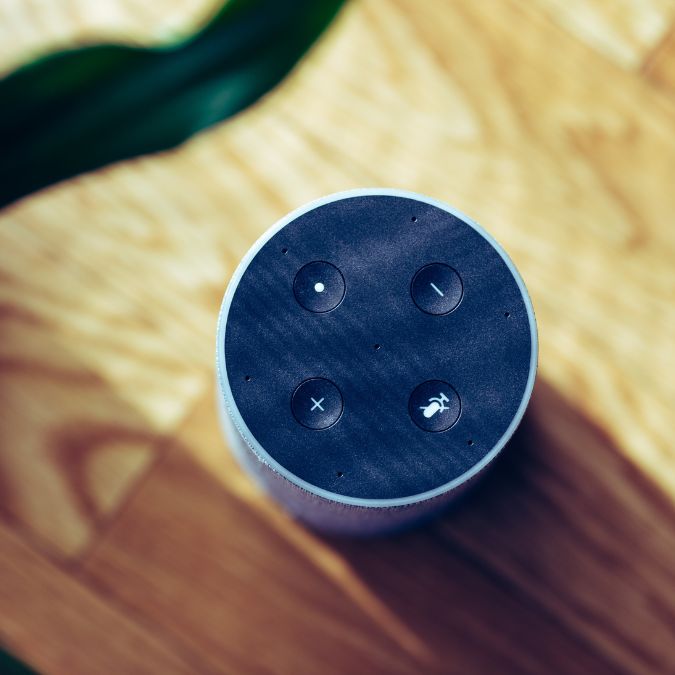
9. Voice-Activated Device Vulnerabilities

Smart speakers and voice assistants can be incredibly helpful, but they also create new privacy concerns. If not properly secured, these devices can store recordings or be hacked to listen in on conversations. Kids may use voice devices for games or questions, not realizing how much info is being collected. Always review device settings and disable voice purchases or external access when possible. Voice tech is growing fast, but so are the risks associated with it.

Digital Defense Starts with Daily Habits

The cybersecurity risks worsening for kids aren’t going away anytime soon. In fact, they’re evolving just as quickly as the devices and apps kids use every day. That’s why the best defense isn’t just software—it’s awareness, conversation, and smart habits formed early. When kids understand the basics of online safety, they become better equipped to protect themselves and their digital identities. Stay involved, stay curious, and make cybersecurity a family conversation, not just a rulebook.

Which digital safety habit has made the biggest difference for your family? Share your tips and experiences in the comments to help others stay protected.

Read More:

School Spies: 8 Privacy Risks of School Apps Collecting Data

8 Legal Battles That Arise From Posting About Your Kids Online

Catherine Reed
Catherine Reed

Catherine is a tech-savvy writer who has focused on the personal finance space for more than eight years. She has a Bachelor’s in Information Technology and enjoys showcasing how tech can simplify everyday personal finance tasks like budgeting, spending tracking, and planning for the future. Additionally, she’s explored the ins and outs of the world of side hustles and loves to share what she’s learned along the way. When she’s not working, you can find her relaxing at home in the Pacific Northwest with her two cats or enjoying a cup of coffee at her neighborhood cafe.

Filed Under: Parenting Tagged With: child identity theft, cybersecurity for kids, digital parenting, internet threats, online learning, Online Safety, screen time safety, smart devices

18 Home Appliances Millennials Are Replacing With Smarter Gadgets

May 16, 2024 | Leave a Comment

home gadgets
DALL-E

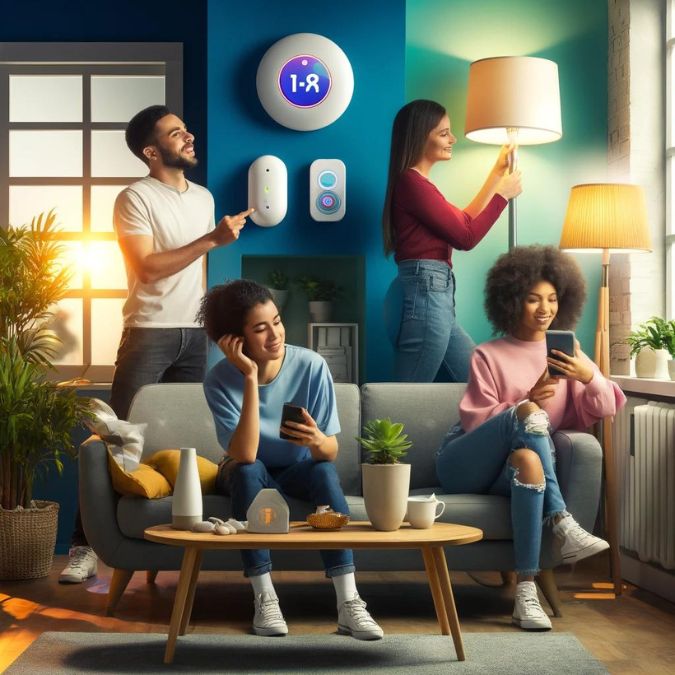
In today’s fast-paced, tech-driven world, millennials are the driving force behind the rapid adoption of smart gadgets in homes. As this tech-savvy generation settles into adulthood, they’re swapping out traditional home appliances for innovative devices that offer convenience, connectivity, and a touch of cool. Here’s a look at 18 home appliances that are getting a smart makeover, appealing to the millennial preference for technology that simplifies and enhances everyday life.

1. From Coffee Makers to Smart Brewers

coffee maker
123rf

Morning routines are sacred, but millennials are making them smarter with Wi-Fi-enabled coffee makers. These devices can be programmed from your bed via a smartphone app, so your brew is ready by the time you hit the kitchen. They can even remember your favorite recipes and respond to voice commands through integration with home assistants.

2. Traditional Thermostats to Learning Thermostats

smart thermostat
123rf

Heating and cooling no longer require a manual dial or a standard programmable thermostat. Smart thermostats learn your habits and adjust temperatures based on your schedule and preferences, optimizing home comfort and energy usage. Remote adjustments are standard, allowing temperature control from anywhere, anytime.

3. Basic Blenders to Smart Kitchen Systems

smart blender
123rf

Millennials are upgrading their blenders to all-in-one kitchen systems that not only blend but cook, chop, and weigh ingredients. These smart blenders connect to apps providing recipes and nutritional information, making them a valuable tool for health-conscious individuals looking to streamline their kitchen duties.

4. Simple Slow Cookers to Multi-Cookers

multi cooker
123rf

The slow cooker has seen a major upgrade with the rise of multi-cookers like the Instant Pot. These devices combine the functionality of a slow cooker, pressure cooker, rice cooker, and more into one smart appliance. With app integration, you can start dinner from your phone and have a meal ready as soon as you get home.

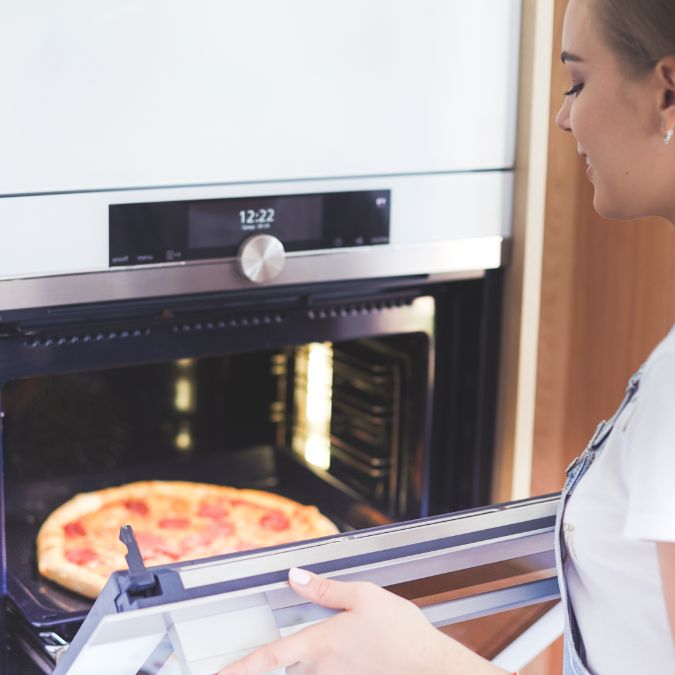
5. Old-Fashioned Ovens to Smart Ovens

smart oven
123rf

Smart ovens offer functions ranging from pre-programmed recipes to internal cameras, allowing you to monitor your food via your smartphone. Some even come with precision baking technology, ensuring perfect results every time. These ovens often feature self-cleaning technologies, making them a favorite among tech enthusiasts who love to cook.

6. Manual Light Switches to Smart Lighting

smart lighting
123rf

Replacing traditional light switches with smart lights allows millennials to control lighting remotely, set timers, and create mood-based scenarios. Integration with virtual assistants means you can adjust lighting with simple voice commands, which is perfect for setting the ambiance without lifting a finger.

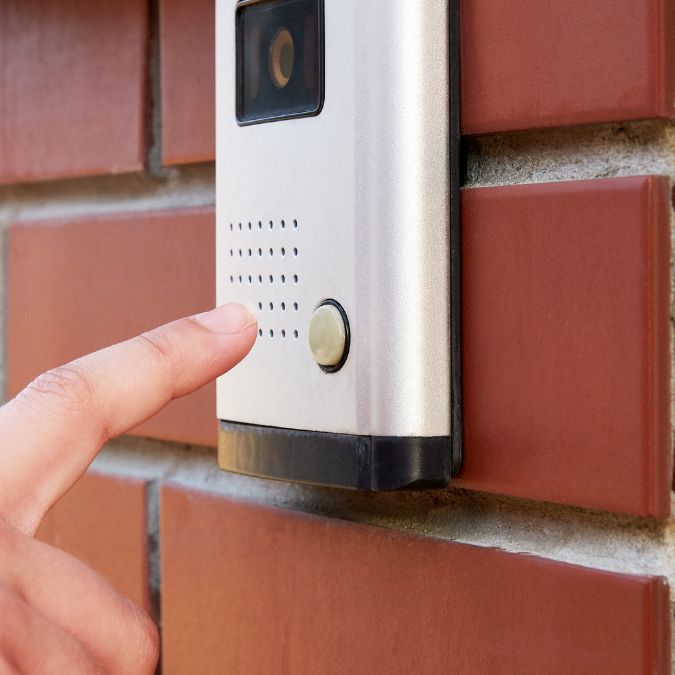
7. Conventional Doorbells to Video Doorbells

video doorbell
123rf

Security is key, and smart video doorbells are replacing old models for an added layer of safety. These devices stream live video to your smartphone, so you can see and speak with visitors from anywhere. Motion sensors alert you to activity, providing peace of mind whether you’re home or away.

8. Standard Washing Machines to Smart Washers

smart washing machine
123rf

Smart washers come with a host of features like remote start, soil sensing, and energy-efficient cycles that are easily managed from an app. Some even integrate with smart home systems to run when energy costs are lowest, aligning with millennial values of efficiency and sustainability.

9. Bulky Vacuum Cleaners to Robotic Vacuums

robot vacuum
123rf

The manual vacuum cleaner is taking a back seat to robotic vacuums, which clean autonomously and can be controlled via smartphone. Features like mapping technology and voice control make these devices a popular choice for those looking to minimize household chores and maximize leisure time.

10. Static Security Systems to Integrated Smart Home Systems

smart home system
123rf

Millennials are enhancing home security with systems that integrate cameras, sensors, and alarms, all controllable from a single app. These systems provide real-time alerts and the ability to check in on your home remotely, ensuring safety and control like never before.

11. Rudimentary Refrigerators to Smart Fridges

smart fridge
123rf

Today’s smart refrigerators go beyond just keeping food cold. Equipped with touchscreen interfaces, they can display family calendars, play music, or even let you see inside without opening the door. Shopping lists, spoilage alerts, and recipe suggestions are just a few taps away.

12. Basic Bathroom Scales to Smart Scales

smart scale
123rf

Gone are the simple weight scales; smart scales now measure body composition, tracking everything from body fat percentage to water weight and muscle mass. Syncing this data to health apps helps millennials stay informed about their health and fitness goals.

13. Traditional Toasters to Smart Toasters

smart toaster
123rf

Smart toasters allow for precise control over browning levels and are programmable for different types of bread, ensuring the perfect toast every time. With features like “lift and look” and automatic adjustments, breakfast just got a lot easier—and more fun.

14. Clunky Irons to Smart Steamers

steamer
123rf

The iron is being replaced by smart steamers that quickly and efficiently remove wrinkles from clothing without the risk of burning. These devices often come with app integration for optimal settings and maintenance alerts, making laundry less of a chore.

15. Regular Air Purifiers to Smart Air Quality Monitors

air purifier
123rf

Smart air purifiers not only clean the air but also monitor air quality in real time, sending alerts and recommendations via apps. These devices can adjust their settings automatically to maintain optimal air quality, a boon for health-conscious millennials.

16. Analog Clocks to Smart Alarm Clocks

digital alarm clock
123rf

Smart alarm clocks do more than just wake you up. They simulate sunrise to wake you gently, play your favorite music, or even offer guided meditation sessions. Integration with smart home systems means they can trigger morning routines like turning on lights or starting the coffee maker.

17. Traditional Speakers to Smart Speakers

smart speaker
123rf

Smart speakers are replacing conventional ones, offering not only music playback but also smart home control, voice assistants, and more. They serve as a hub for managing connected devices, making them an indispensable part of modern living.

18. Manual Locks to Smart Locks

smart lock
123rf

Smart locks are revolutionizing home security with features like keyless entry, remote locking/unlocking, and temporary access codes for guests. They can be managed via smartphone apps, providing flexibility and peace of mind for millennials who prioritize security and convenience.

Out With the Old, In With the New?

a woman listening to music
123rf

In conclusion, millennials are at the forefront of adopting smart home technology, transforming the way we live and interact with our homes. These 18 smart gadgets not only offer enhanced functionality but also align with the millennial values of efficiency, convenience, and sustainability. The future of home living is undoubtedly smarter, and millennials are leading the charge.

Read More

How Technology Has Evolved for Teens Over the Decades

Boomer Reactions: 18 Gen Z Trends They Find Absurdly Amusing

Vanessa Bermudez
Vanessa Bermudez
Vanessa Bermudez is a content writer with over eight years of experience crafting compelling content across a diverse range of niches. Throughout her career, she has tackled an array of subjects, from technology and finance to entertainment and lifestyle. In her spare time, she enjoys spending time with her husband and two kids. She’s also a proud fur mom to four gentle giant dogs.

Filed Under: Technology Tagged With: smart devices, smarter gadgets, Technology

  • Facebook
  • Pinterest
  • RSS
  • Twitter

Basic Principles Of Good Parenting

Here some basic principles for good parenting:

  1. What You Do Matters: Your kids are watching you. So, be purposeful about what you want to accomplish.
  2. You Can’t be Too Loving: Don’t replace love with material possessions, lowered expectations or leniency.
  3. Be Involved Your Kids Life: Arrange your priorities to focus on what your kid’s needs. Be there mentally and physically.
  4. Adapt Your Parenting: Children grow quickly, so keep pace with your child’s development.
  5. Establish and Set Rules: The rules you set for children will establish the rules they set for themselves later.  Avoid harsh discipline and be consistent.
  6. Explain Your Decisions: What is obvious to you may not be evident to your child. They don’t have the experience you do.
  7. Be Respectful To Your Child: How you treat your child is how they will treat others.  Be polite, respectful and make an effort to pay attention.
Best Parenting Blogs

Most Popular

Baby names

Teachers Admit: These 6 Baby Names Create Instant Bias in the Classroom

Latrice Perez
These Are 6 Baby Names Inspired by Vintage TV and Movies

6 Baby Names Inspired by Vintage TV and Movies

Brandon Marcus
6 Baby Names That Sound Cute Now but Cause Problems Later

6 Baby Names That Sound Cute Now but Cause Problems Later

Brandon Marcus
11 Ways Kids Are Outsmarting Parental Controls 1. Using Alternate Devices One common trick is simply turning to another device. If a child’s main phone or tablet is restricted, they may borrow a sibling’s, friend’s, or even a school laptop. This instantly gives them access to content outside of parental oversight. Parents often focus on one device, forgetting that others in the household can serve as loopholes. Knowing this tactic helps families tighten controls across all electronics. 2. Clearing Browsing Histories Many kids quickly learn that clearing browsing history hides evidence of restricted activity. With just a few clicks, they can erase any trace of websites visited. This makes it harder for parents to notice when rules are being broken. Parents may assume no history means no browsing, but the reality is often the opposite. Kids are outsmarting parental controls by making it seem like nothing happened at all. 3. Using Private Browsing Modes Most browsers offer “incognito” or private browsing features. Kids use this mode to access websites without leaving a record in the history. To parents checking later, everything looks clean and safe. This simple trick is often one of the first ways kids discover how to bypass restrictions. Conversations about private browsing can help close this gap. 4. Guessing or Resetting Passwords Children who are persistent may try to guess passwords to parental control apps or accounts. Others may find ways to reset them through email prompts or security questions. Once inside, they can disable restrictions entirely. Parents may not even realize controls have been altered until much later. Stronger, less predictable passwords can make this more difficult. 5. Using VPNs to Hide Activity Virtual private networks, or VPNs, let kids disguise their online locations. With one downloaded app, they can bypass geographic or parental restrictions. Some children learn about VPNs through friends or even social media. This makes it easy for them to reach content that should be blocked. Parents often underestimate just how simple it is for kids to use these tools. 6. Creating Fake Accounts When parents monitor social media, kids may create hidden accounts. These “finstas” or fake profiles allow them to interact freely without parental oversight. While their main account appears harmless, the secondary one tells a different story. Kids are outsmarting parental controls by playing both sides at once. Checking for duplicate accounts can help parents stay more aware. 7. Exploiting Time Zone Settings Some kids change the time zone on their devices to bypass screen time limits. This trick allows them to gain extra hours of usage undetected. Parents may assume controls are working, but in reality, the child is bending the clock. It’s a clever loophole that highlights just how resourceful kids can be. Monitoring device settings regularly can catch this tactic. 8. Disabling or Uninstalling Apps Parental control apps can be deleted or disabled with surprising ease. Some kids even reinstall them before a parent checks, making it seem like nothing changed. Others may simply restrict permissions to prevent apps from functioning properly. When apps aren’t monitored closely, parents may not notice they’ve been tampered with. This shows the importance of consistent follow-up. 9. Turning to Friends for Access If a child can’t get past restrictions on their own, they may rely on friends. Visiting a friend’s house or borrowing their phone can give them a free pass. Parents often forget that peer environments can override restrictions set at home. This kind of social workaround is especially common with gaming or social media. Open conversations about trust and responsibility are essential. 10. Hiding Apps in Plain Sight Kids sometimes download apps that look innocent but serve as gateways to hidden activity. These apps may disguise themselves as calculators or utilities. In reality, they allow file storage, private messaging, or browser access. Parents glancing at a home screen may overlook them entirely. Learning to recognize these disguised apps can help parents stay informed. 11. Outpacing Parents’ Tech Knowledge Finally, kids often know more about devices than their parents do. Whether through YouTube tutorials, TikTok hacks, or peer groups, they quickly learn advanced workarounds. This knowledge gap means controls can be bypassed before parents even realize the loophole exists. Staying informed and continually learning about new technology is the best defense. Kids are outsmarting parental controls because they adapt faster than most adults. The Real Solution Lies Beyond Restrictions While controls and filters are important, no system is perfect. Kids will always find creative ways around barriers, making communication the strongest safeguard. Setting clear expectations, building trust, and having ongoing conversations about online behavior matter more than apps alone. Parents who combine technology with open dialogue create a safer digital environment. The goal isn’t to win a battle of wits but to build a relationship that keeps kids both safe and honest. Do you think kids are outsmarting parental controls faster than parents can keep up? Share your experiences in the comments below. What to Read Next... 6 Parenting Tech Shortcuts That Can Expose Your Child to Strangers How Much Screen Time Is Too Much—Legally Speaking? Is Your Child’s School Quietly Tracking Their Location Without Your Consent? How Much Screen Time Is Quietly Reshaping Childhood Behavior? Why Some Parents Are Being Investigated Over Homeschooling Records

11 Ways Kids Are Outsmarting Parental Controls

Catherine Reed
Smiling grandfather holding a happy baby indoors.

Why Grandparents Shouldn’t Babysit Their Grandkids Every Week – The Unspoken Issue

Samantha

All content on Kids Ain’t Cheap is for entertainment purposes only. By reading this blog, you agree that Kids Ain’t Cheap is not responsible for any actions taken after reading this blog. For the full disclaimer, see our privacy policy.

Please note that Kids Ain’t Cheap has financial relationships with some of the merchants mentioned here. Kids Ain’t Cheap is funded by banner advertising, commission sales and search optimization consulting.

Copyright © 2006–2026 | District Media | All Rights Reserved | Privacy Policy

Copyright © 2026 Runway Pro Theme by Viva la Violette