
• Home
  • About Us
  • Toolkit
  • Archives
  • Advertise
  • Privacy Policy

Kids Ain't Cheap

But They Sure Are Worth It

  • Parenting
    • Baby Stuff
    • Books and Reading
      • Aesops Fables
      • Comic Books
    • Education
    • Family Time
    • Green Living
    • Growing Up
    • Healthy Living & Eating
    • Holidays
    • Parenting
    • Random Musings
    • Shopping
    • Stuff to Do
  • Money
  • Product Reviews
    • Books and Magazines
    • Discount Sites
    • Furniture
    • House Keeping
    • Reviews News
    • Toys and Games
  • Contact Us
  • Our Editorial Commitment
  • Search

New York Families: Speech Therapy Programs Grow in Public Schools

April 19, 2026 | Leave a Comment

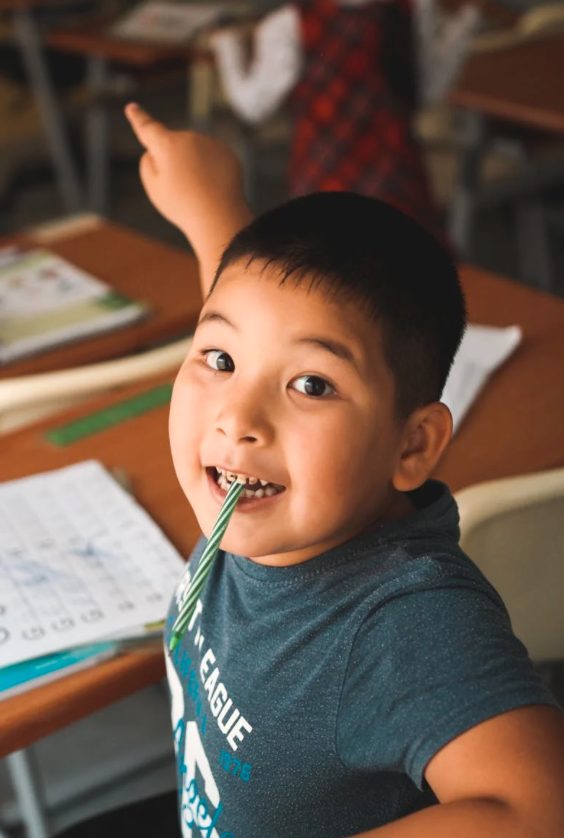
Kid In School
Image Source: Pexels

Across New York, families are seeing a noticeable shift in how public schools support children with speech and language challenges. What used to be limited, often delayed services are now expanding into more accessible and structured programs within schools. Parents, educators, and specialists are working more closely than ever to identify speech issues early and intervene effectively. This growth reflects a broader understanding that communication skills directly impact academic success and emotional development. As demand increases, schools are stepping up—but questions remain about quality, access, and long-term outcomes.

Why Speech Therapy Programs Are Expanding in New York Schools

The rise of speech therapy programs in New York public schools is not happening by chance, but in response to growing need and awareness. Educators are reporting higher numbers of students requiring speech-language support, particularly after pandemic-related learning disruptions. Early childhood screenings are also becoming more common, helping schools identify issues sooner rather than later. Additionally, parents are more informed and proactive, often advocating for evaluations and services through individualized education programs. This combination of demand, awareness, and policy shifts has fueled steady program expansion across districts.

What Speech Therapy Looks Like Inside Today’s Classrooms

Modern speech therapy programs are far more integrated into the school day than many parents might expect. Instead of pulling students out for isolated sessions, many schools now offer in-class support or small group interventions. Speech-language pathologists collaborate with teachers to reinforce communication strategies during lessons. For example, a student struggling with articulation might receive targeted exercises while participating in reading activities. This inclusive approach helps reduce stigma and allows children to practice skills in real-life academic settings.

Real-Life Impact on Students and Families

For many families, access to speech therapy programs in New York schools has been life-changing. Consider a kindergarten student who struggles to form clear sentences and avoids speaking in class—early intervention can dramatically improve both communication and confidence. Parents often report that their children become more engaged socially once they begin receiving consistent support. Teachers also notice improvements in reading comprehension and classroom participation, reinforcing the link between speech skills and overall learning. These real-world outcomes highlight why expanding speech therapy programs in New York is more than just a policy shift—it’s a practical investment in student success.

Addressing Concerns About Quality and Availability

Despite progress, not all families have equal access to high-quality speech therapy programs in New York. Some districts still face shortages of licensed speech-language pathologists, leading to larger caseloads and shorter sessions. This can raise concerns about whether students are receiving the individualized attention they need. Additionally, wait times for evaluations can still be lengthy in certain areas, delaying intervention during critical developmental periods. Experts recommend that parents stay involved, ask questions about service frequency, and request progress updates to ensure their child’s needs are being met.

How Schools Are Using Data and Technology to Improve Outcomes

Data-driven decision-making is playing a growing role in shaping speech therapy programs in New York schools. Schools are increasingly using assessment tools to track student progress and adjust interventions accordingly. Digital platforms and speech therapy apps are also being incorporated to supplement in-person sessions. For instance, students might practice pronunciation or language exercises at home using guided software recommended by their speech-language pathologist. This combination of technology and personalized data allows for more precise and effective support, helping students achieve measurable gains over time.

What Parents Should Know Before Seeking Services

Navigating speech therapy programs in New York public schools can feel overwhelming, especially for first-time parents. The process typically begins with a formal evaluation requested through the school, which determines eligibility for services. If approved, a team including parents develops an individualized education program outlining goals and support strategies. It is important for parents to understand their rights, including the ability to request independent evaluations if they disagree with school assessments. Staying informed and engaged can make a significant difference in ensuring children receive appropriate and timely support.

The Road Ahead for Speech Therapy in Public Education

The future of speech therapy programs in New York schools looks promising, but continued investment is essential. Experts emphasize the need for more trained professionals, smaller caseloads, and consistent funding to maintain quality services. There is also a growing push to expand multilingual speech therapy support, reflecting the diverse student population across the state. Schools that prioritize early intervention and family involvement are likely to see the strongest outcomes. As awareness continues to grow, speech therapy is becoming a standard rather than a luxury in public education.

What This Means for New York Families Moving Forward

For families across the state, the expansion of speech therapy programs in New York schools represents both opportunity and responsibility. Access is improving, but staying proactive remains key to ensuring children receive the help they need. Parents who communicate regularly with educators and therapists often see the best results. The progress being made today is shaping a future where communication challenges are addressed earlier and more effectively. As these programs continue to evolve, families play a critical role in advocating for quality and consistency.

A Stronger Voice for Every Child

Speech therapy programs in New York are transforming how children develop communication skills and succeed academically. With earlier intervention, better tools, and increased awareness, more students are finding their voice both in and out of the classroom. Families who stay engaged and informed are better positioned to take full advantage of these growing opportunities. While challenges remain, the progress being made signals a meaningful shift toward more inclusive education.

Are speech therapy programs in your child’s school meeting expectations, or do you think more improvements are needed? Share your experience in the comments and join the conversation.

What to Read Next

Texas Schools Update: Special Education Services Expand as Diagnoses Increase

New York Child Care Funding Freeze Sparks Confusion — What Parents Should Watch for in 2026

4 Therapy Options Helping Children With Autism Improve Communication

Evan Morgan

Evan Morgan has been a full-time freelance writer and editor for 10+ years. When not working, he enjoys catching the latest true crime documentary or getting lost in a good book.

Filed Under: Education Tagged With: child development, public schools, special education, speech therapy, speech therapy programs New York

4 Therapy Options Helping Children With Autism Improve Communication

April 16, 2026 | Leave a Comment

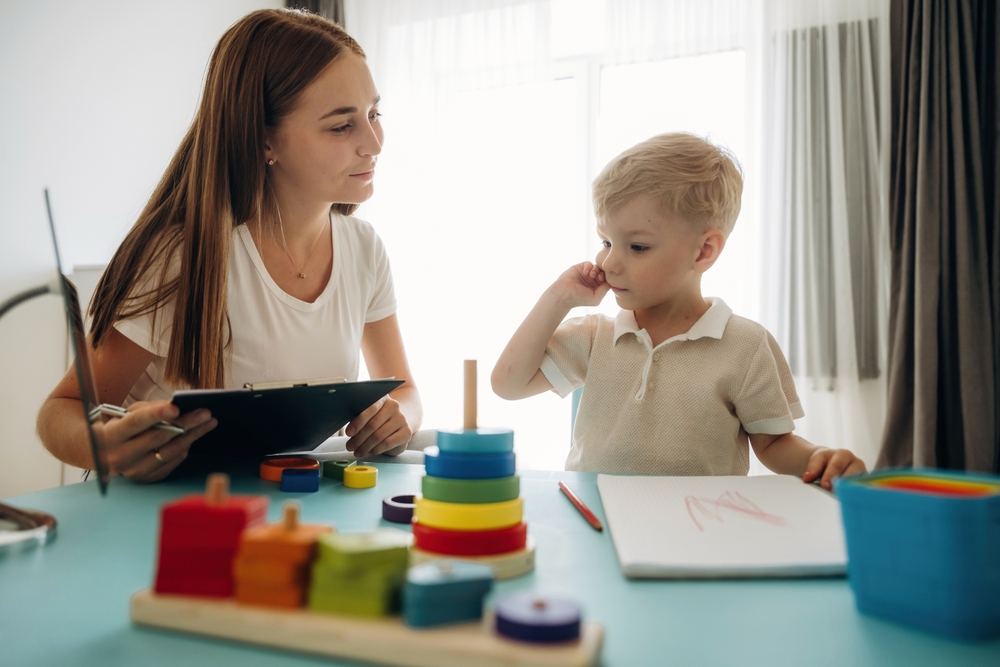
Boy In School
Image Source: Pexels

Helping a child with autism develop communication skills can feel overwhelming, especially for parents navigating unfamiliar territory. Autism spectrum disorder (ASD) affects how children express themselves and understand others, but the right support can make a meaningful difference. Today, a growing number of evidence-based therapies are helping children build stronger communication abilities in practical, everyday ways. From structured clinical approaches to play-based interventions, families have more options than ever before. In this guide, we’ll explore four therapy options helping children with autism improve communication and how they work in real-life settings.

1. Speech and Language Therapy

Speech and language therapy is often the first step families take when addressing communication challenges in children with autism. This therapy focuses on improving verbal speech, nonverbal cues, and overall language comprehension through structured exercises. In real-life sessions, therapists may use picture cards, storytelling, or role-playing scenarios to help children connect words with meaning. For example, a therapist might help a child practice asking for a toy instead of pointing or becoming frustrated. Research shows that early and consistent speech therapy can significantly improve both expressive and receptive language skills.

2. Applied Behavior Analysis (ABA)

Applied Behavior Analysis (ABA) is one of the most widely used therapies for autism and is backed by decades of research. It works by breaking down communication into small, manageable steps and reinforcing positive behaviors through rewards. In a practical setting, a therapist might reward a child for making eye contact or using a word instead of a gesture. Over time, these repeated actions help build stronger communication habits that carry into daily life. While some parents worry about ABA being too structured, modern approaches emphasize flexibility and child-centered learning.

3. Occupational Therapy (OT)

Occupational therapy may not seem directly related to communication at first, but it plays a crucial role in helping children interact more effectively. Many children with autism struggle with sensory processing, which can make communication overwhelming or even distressing. OT helps children regulate these sensory challenges so they can focus and engage in conversations. For instance, a child who is sensitive to noise may learn coping strategies that allow them to participate in group settings. By improving comfort and attention, occupational therapy supports clearer and more confident communication.

4. Social Skills Therapy

Social skills therapy focuses specifically on helping children understand and navigate social interactions. This type of therapy often takes place in small groups where children can practice real-world communication with peers. Therapists guide activities like turn-taking, conversation starters, and recognizing facial expressions. A common scenario might involve practicing how to join a game or respond to a greeting. These sessions help children build confidence while learning the unwritten rules of social communication.

Why Early Intervention Matters for Communication Growth

Early intervention is one of the most critical factors in helping children with autism improve communication outcomes. Studies consistently show that children who begin therapy before age five tend to develop stronger language and social skills. This is because the brain is more adaptable during early childhood, making it easier to form new communication pathways. Parents often notice small but meaningful changes, such as increased eye contact or the ability to express basic needs. Acting early doesn’t just improve communication—it can also reduce frustration and behavioral challenges over time.

Addressing Common Concerns Parents Have About Therapy

Many parents worry about whether therapy will truly help their child or if it might feel overwhelming. It’s important to know that therapy plans are typically personalized to fit each child’s unique needs and pace. Some children respond quickly, while others show gradual progress over months or years. There is also a misconception that therapy replaces natural interaction, but in reality, it enhances everyday communication at home and school. Open communication with therapists can help parents stay informed and involved throughout the process.

While professional therapy is essential, what happens at home plays an equally important role. Simple strategies like narrating daily activities or offering choices can encourage children to use words or gestures. For example, asking “Do you want juice or milk?” gives a child a chance to respond instead of guessing their needs. Consistency is key, so repeating these interactions daily can reinforce learning. Parents who actively engage in these small moments often see steady improvements in their child’s communication skills.

The Bigger Picture: Empowering Communication for Life

Improving communication is about more than just words—it’s about helping children connect with the world around them. The therapy options helping children with autism improve communication provide structured, evidence-based pathways to build these essential skills. While progress may look different for every child, consistent support and patience can lead to meaningful growth. Parents who combine professional therapy with everyday practice often see the most success. Ultimately, the goal is to empower children with autism to express themselves confidently and engage with others in a way that feels natural to them.

Every child’s journey with autism is unique, and sharing experiences can make a powerful difference for other families. If you’ve explored therapy options helping children with autism improve communication, your insights could help someone else take that first step.

What strategies have worked for your child, and what challenges have you faced along the way? Your story might offer encouragement to a parent who feels uncertain or overwhelmed. Drop a comment below and be part of a supportive conversation that helps families grow together.

What to Read Next

6 Innocent Parenting Habits That Lead to Big Therapy Bills Later

How To Use Governmental Resources for Inexpensive Speech Therapy for Kids

Early Intervention Alert: Why Many Children With Developmental Delays Still Aren’t Getting Help Early Enough

Evan Morgan

Evan Morgan has been a full-time freelance writer and editor for 10+ years. When not working, he enjoys catching the latest true crime documentary or getting lost in a good book.
Filed Under: Parenting Tagged With: ABA therapy, autism communication, autism therapy, occupational therapy, parenting tips, speech therapy

Early Intervention Alert: Why Many Children With Developmental Delays Still Aren’t Getting Help Early Enough

April 14, 2026 | Leave a Comment

Young Children
Image Source: Pexels

Early childhood is a critical window for growth, learning, and brain development, yet many children with developmental delays are still missing out on timely support. Parents often notice subtle signs but may feel unsure about what steps to take or whether their concerns are valid. Meanwhile, systemic barriers like limited access to specialists and long waitlists can delay diagnosis and intervention. The result is a gap between when help is needed and when it actually begins. Understanding why this gap exists is the first step toward closing it.

Lack of Awareness Delays Early Action

Many parents simply don’t know what typical developmental milestones look like, which makes it harder to recognize when something is off. Even when concerns arise, they are sometimes dismissed as “kids develop at their own pace,” leading families to wait longer than they should. Cultural beliefs and stigma around developmental differences can also discourage early conversations. Pediatricians may not always catch subtle delays during routine visits, especially if screenings are brief. Increasing awareness through education and open dialogue can empower parents to trust their instincts and seek help sooner.

Screening Gaps Still Exist in Pediatric Care

While developmental screenings are recommended during early childhood checkups, they are not always consistently implemented. Time constraints in busy clinics can limit how thoroughly screenings are conducted. Some providers rely heavily on parental reporting, which may not always capture the full picture. In certain areas, especially underserved communities, access to regular pediatric care itself can be inconsistent. Strengthening screening practices and ensuring standardized evaluations can help identify delays earlier and more accurately.

Long Waitlists for Specialists Slow Progress

Even when a delay is identified, getting an official diagnosis or therapy referral can take months. Specialists such as speech therapists, occupational therapists, and developmental pediatricians are often in high demand. Families may face long waitlists, especially in rural or densely populated regions. These delays can push intervention into later developmental stages when early support would have been more impactful. Expanding the workforce and offering telehealth options are potential solutions to reduce these bottlenecks.

Financial Barriers Prevent Access to Services

Cost is a significant obstacle for many families seeking early intervention services. Not all insurance plans fully cover therapies, and out-of-pocket expenses can quickly add up. Some parents may delay seeking help because they are unsure about affordability or coverage options. Additionally, navigating insurance systems can be confusing and time-consuming. Providing clearer guidance and more accessible funding options can make early intervention attainable for more families.

Missed Opportunities in Early Education Settings

Childcare providers and early educators are in a unique position to spot developmental concerns, yet they may lack training in identifying delays. Without proper guidance, early warning signs can go unnoticed or unreported. Communication between educators and parents is also not always consistent or proactive. When concerns are raised, there may be uncertainty about next steps or available resources. Investing in educator training and strengthening collaboration with families can help catch delays earlier in everyday settings.

Parental Hesitation and Emotional Barriers

It’s natural for parents to feel fear, denial, or guilt when they suspect a developmental delay. These emotions can lead to hesitation in seeking evaluations or accepting support. Some families worry about labeling their child or facing social stigma. Others may hope the issue will resolve on its own over time. Providing emotional support and reassurance can help parents move forward with confidence and clarity.

System Fragmentation Creates Confusion

The early intervention system can be complex and difficult to navigate, especially for first-time parents. Services are often spread across different providers, agencies, and programs with varying eligibility requirements. This fragmentation can lead to delays as families try to figure out where to start. Lack of coordination between healthcare, education, and therapy services further complicates the process. Simplifying access and offering clear, centralized guidance can make a significant difference.

Closing the Gap Starts With Awareness and Action

Early intervention has the power to transform a child’s developmental trajectory, but only if it begins at the right time. Addressing barriers like awareness, access, and affordability requires a collective effort from parents, professionals, and communities. By advocating for better systems and staying informed, families can take proactive steps toward early support. Small actions—like asking questions, requesting screenings, or seeking a second opinion—can lead to meaningful change. The sooner a child receives help, the greater their opportunity to thrive.

Have you ever noticed developmental concerns in a child and weren’t sure what to do next? What changes do you think would make early intervention more accessible and effective for families today? Share your experiences, thoughts, and questions in the comments below to help others navigate this important journey.

What to Read Next

Child Psychologists Warn: 5 Purchases That Feed Kids Egos (Not Development)

8 Must-Have Baby Gadgets That Pediatricians Say Delay Development

Could That Colorful Nursery Theme Impact Behavioral Development?

Evan Morgan

Evan Morgan has been a full-time freelance writer and editor for 10+ years. When not working, he enjoys catching the latest true crime documentary or getting lost in a good book.

Filed Under: Parenting Tagged With: autism awareness, child development, developmental delays, Early Childhood Education, early intervention, parenting tips, speech therapy

Speech Therapists Beg: Throw Away These 5 “Talking” Toys (They Kill Conversation)

February 5, 2026 | Leave a Comment

Speech Therapists Beg: Throw Away These 5 “Talking” Toys (They Kill Conversation)
Image Source: Shutterstock.com

There’s a scary and unique panic that hits when you realize your child’s favorite toy might be doing the exact opposite of what you hoped. You bought it because it “teaches numbers,” “builds vocabulary,” or “encourages learning,” but instead it’s shouting pre‑recorded phrases louder than a carnival barker.

Meanwhile, your child is quietly pressing buttons, mesmerized, not saying a word. Speech therapists across the country have been sounding the alarm for years: many “talking” toys don’t actually help kids talk—they replace the very interactions children need to build real language skills.

The Button‑Pressing Trap: When Toys Talk At Kids Instead of With Them

Speech therapists often explain that language develops through back‑and‑forth interaction—what experts call “serve and return.” Kids say something, you respond, they respond back, and the cycle continues.

Talking toys break that cycle by dominating the conversation. They light up, sing, count, and narrate without leaving space for a child to participate. A toddler presses a button, the toy performs, and the child becomes a passive audience member instead of an active communicator. This pattern can reduce opportunities for kids to practice words, gestures, and social cues. It’s not that these toys are harmful; they simply don’t support the kind of rich, responsive interaction that builds strong language foundations.

1. The Overstimulating “Learning Tablet” That Does All the Talking

Many parents buy toy tablets thinking they’ll introduce letters, numbers, and early vocabulary. But speech therapists consistently point out that these toys often overwhelm kids with flashing lights, rapid‑fire songs, and nonstop chatter. When a toy cycles through the alphabet in three seconds flat, there’s no room for a child to imitate sounds or explore words at their own pace. Kids may tap the screen repeatedly just to trigger the next sound, turning learning into a passive, button‑mashing game.

Real language development thrives on slower, more meaningful interaction—something these toys rarely provide. If you want to support early literacy, simple board books and real conversations do far more than any talking tablet ever could.

2. The Singing Stuffed Animal That Leaves No Space for Conversation

Stuffed animals are usually great for pretend play, but the talking versions often hijack the experience. Instead of encouraging kids to create stories, ask questions, or narrate play, these toys launch into long songs or scripted phrases. A child hugs the toy, and suddenly it’s singing a full verse while the child just listens.

Speech therapists note that this reduces opportunities for imaginative language, which is crucial for vocabulary growth and storytelling skills. Kids learn far more from giving their stuffed animals voices, acting out scenarios, and inventing dialogue than from listening to a plush toy recite pre‑programmed lines.

3. The “Smart” Shape Sorter That Names Every Shape Before Your Child Can Try

Shape sorters are fantastic for problem‑solving and early language—until they start announcing every shape the moment a child touches it. When a toy says “Triangle! Triangle! Triangle!” before a child has a chance to explore, guess, or ask for help, it removes the opportunity for natural learning.

Speech therapists emphasize that kids benefit from trial and error, descriptive language, and gentle guidance from adults. A talking shape sorter often rushes the process, turning a thoughtful activity into a noisy guessing game. A silent shape sorter paired with your own narration supports far more meaningful language development.

Speech Therapists Beg: Throw Away These 5 “Talking” Toys (They Kill Conversation)
Image Source: Shutterstock.com

4. The Musical Activity Table That Turns Playtime Into a Concert

Activity tables are popular because they keep toddlers busy, but the talking, singing versions can dominate the entire room. These toys often blast songs, count numbers, and shout colors nonstop, leaving little room for a child to experiment with sounds or initiate communication. Speech therapists explain that when a toy fills every quiet moment with noise, kids don’t get the chance to practice babbling, labeling objects, or asking for help.

Quiet play is incredibly valuable for language development, and musical tables often drown out those opportunities. A simple table with blocks, cups, or stacking toys encourages far more interaction and creativity.

5. The Talking Cars and Trucks That Replace Imagination With Scripts

Vehicle toys are usually fantastic for pretend play, but the talking versions often limit creativity. Instead of encouraging kids to make engine noises, narrate adventures, or invent characters, these toys repeat the same phrases over and over. A child pushes the truck, and it shouts, “Let’s go to the construction site!”—leaving little room for the child to decide where the truck should go or what it should do.

Speech therapists love vehicle play because it naturally invites storytelling, sound imitation, and role‑playing. Talking vehicles, however, tend to shut down those opportunities by providing ready‑made scripts that kids simply listen to instead of creating their own.

What Speech Therapists Recommend Instead (It’s Surprisingly Simple)

The best toys for language development are often the quietest ones. Blocks, dolls, pretend food, cars, puppets, and simple puzzles encourage kids to talk, imagine, and problem‑solve. These toys leave space for conversation, which is the heart of language learning. Speech therapists also recommend narrating your child’s play, asking open‑ended questions, and modeling new words.

You don’t need expensive educational gadgets—just time, interaction, and toys that invite creativity. Even everyday household items like cups, spoons, cardboard boxes, and laundry baskets can spark rich language experiences.

Kids Learn to Talk From People, Not Toys

Talking toys aren’t villains—they’re just not teachers. Kids learn language through connection, imitation, and shared experiences. When toys take over the talking, kids lose opportunities to practice the skills that matter most. By choosing toys that encourage interaction and imagination, you give your child the best possible foundation for strong communication.

What talking toy drives you the craziest—or surprised you the most? Share your story for other parents in our comments section.

You May Also Like…

6 Innocent Parenting Habits That Lead to Big Therapy Bills Later

How To Use Governmental Resources for Inexpensive Speech Therapy for Kids

8 Must-Have Baby Gadgets That Pediatricians Say Delay Development

How Much Are You Really Paying for Developmental Toys?

Beyond The Toys: 8 Hidden Dangers In Your Child’s Toys

Brandon Marcus
Brandon Marcus
Brandon Marcus is a writer who has been sharing the written word since a very young age. His interests include sports, history, pop culture, and so much more. When he isn’t writing, he spends his time jogging, drinking coffee, or attempting to read a long book he may never complete.

Filed Under: Toys and Games Tagged With: child development, communication development, early childhood, educational toys, Language Skills, parenting advice, parenting tips, playtime tips, speech therapy, talking toys, toddler toys

« Previous Page
  • Facebook
  • Pinterest
  • RSS
  • Twitter

Basic Principles Of Good Parenting

Here some basic principles for good parenting:

  1. What You Do Matters: Your kids are watching you. So, be purposeful about what you want to accomplish.
  2. You Can’t be Too Loving: Don’t replace love with material possessions, lowered expectations or leniency.
  3. Be Involved Your Kids Life: Arrange your priorities to focus on what your kid’s needs. Be there mentally and physically.
  4. Adapt Your Parenting: Children grow quickly, so keep pace with your child’s development.
  5. Establish and Set Rules: The rules you set for children will establish the rules they set for themselves later.  Avoid harsh discipline and be consistent.
  6. Explain Your Decisions: What is obvious to you may not be evident to your child. They don’t have the experience you do.
  7. Be Respectful To Your Child: How you treat your child is how they will treat others.  Be polite, respectful and make an effort to pay attention.
Best Parenting Blogs

Most Popular

Baby

9 Unusual Baby Names That Sound Like They Belong to Future CEOs

Evan Morgan
Baby

10 Baby Names That Were Once Considered “Grandparent Names” but Feel Cool Again

Evan Morgan
Target Store

Choking Incident Prompts Recall of 49,000 Target Gigglescape “Under the Sea” Popping Toys

Evan Morgan
Frustrated Girl

Why Some Students on the Spectrum Are Labeled With ODD

Evan Morgan
Coke Bottles

12 Things Kids Took to School in the ’70s That Would Never Be Allowed Today

Evan Morgan

All content on Kids Ain’t Cheap is for entertainment purposes only. By reading this blog, you agree that Kids Ain’t Cheap is not responsible for any actions taken after reading this blog. For the full disclaimer, see our privacy policy.

Please note that Kids Ain’t Cheap has financial relationships with some of the merchants mentioned here. Kids Ain’t Cheap is funded by banner advertising, commission sales and search optimization consulting.

Copyright © 2006–2026 | District Media | All Rights Reserved | Privacy Policy

Copyright © 2026 Runway Pro Theme by Viva la Violette