• Home
  • About Us
  • Toolkit
  • Archives
  • Advertise
  • Privacy Policy

Kids Ain't Cheap

But They Sure Are Worth It

  • Parenting
    • Baby Stuff
    • Books and Reading
      • Aesops Fables
      • Comic Books
    • Education
    • Family Time
    • Green Living
    • Growing Up
    • Healthy Living & Eating
    • Holidays
    • Parenting
    • Random Musings
    • Shopping
    • Stuff to Do
  • Money
  • Product Reviews
    • Books and Magazines
    • Discount Sites
    • Furniture
    • House Keeping
    • Reviews News
    • Toys and Games
  • Contact Us
  • Our Editorial Commitment
  • Search

Your Child Wants to Quit an Expensive Activity — Should You Make Them Finish the Season?

August 17, 2026 | Leave a Comment

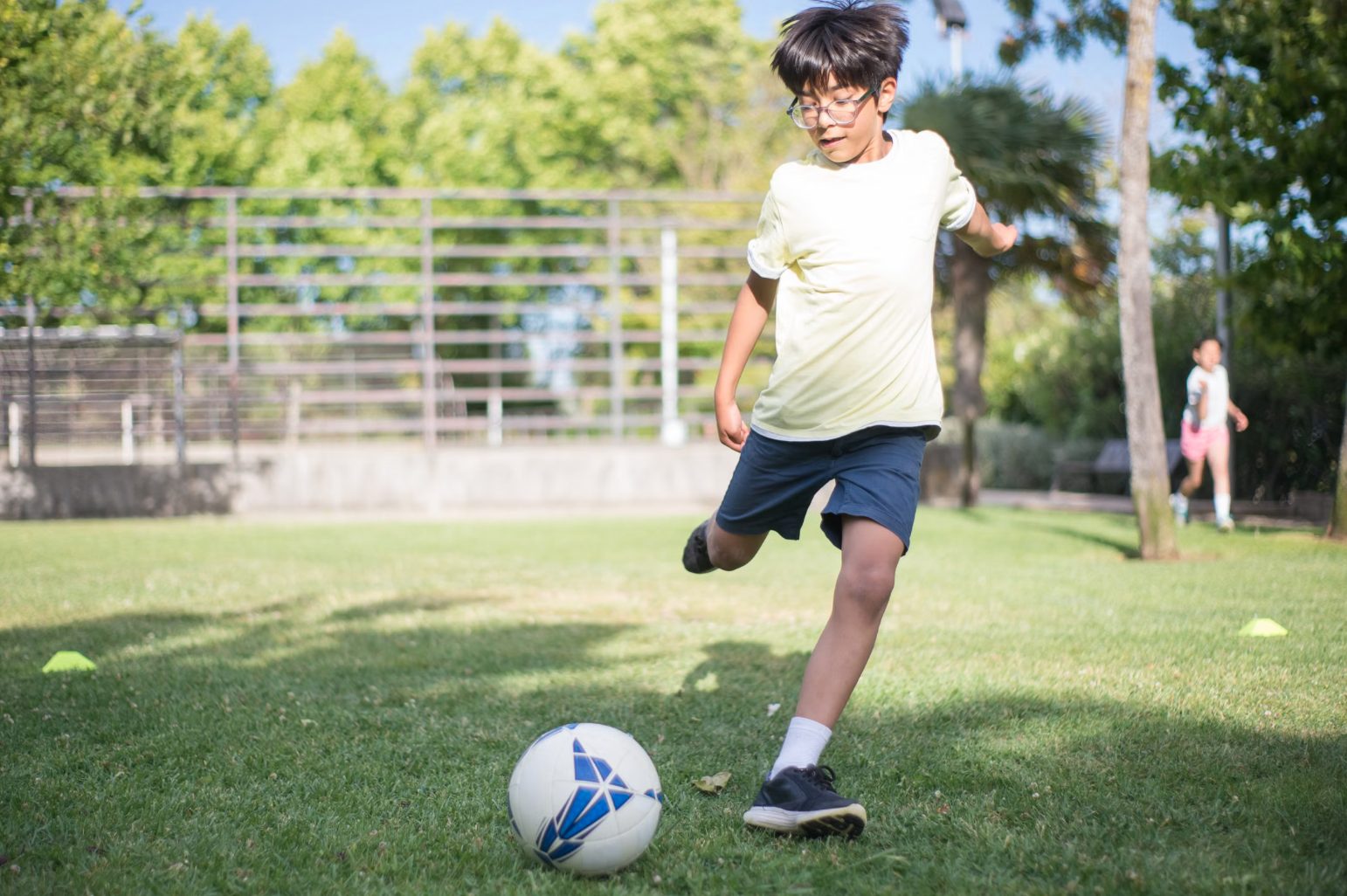
Boy in glasses kicking a soccer ball on a grassy field
An expensive activity can teach perseverance, but forcing a child to continue through burnout, pain, bullying, or serious distress may do more harm than good. Parents should understand why their child wants to quit before allowing money already spent to drive the decision. (Pexels).

Your child begged to join the travel soccer team, dance company, gymnastics program, or music lessons, and you paid hundreds—or even thousands—of dollars to make it happen. Now, halfway through the commitment, your child wants to quit, leaving you frustrated about the money, the commitment, and the lesson quitting might teach. The financial stakes are increasingly significant: the Aspen Institute’s Project Play found that the average U.S. sports family spent $1,016 on a child’s primary sport in 2024, up 46% from 2019. When a child wants to quit, however, the amount you paid should be only one factor in deciding what happens next.

Find Out What “I Quit” Really Means

Before announcing that your child must finish the season, find out why the child wants to quit. A 10-year-old who dislikes running drills is in a different situation from one experiencing bullying, persistent anxiety, pain, or humiliating treatment from a coach. Experts recommend asking open-ended questions and distinguishing a temporary setback from ongoing stress or burnout. Try asking what changed, when the problem started, and what would need to improve for the activity to become enjoyable again. When a child wants to quit, listening first can reveal a problem that simply demanding perseverance would miss.

Don’t Let The Money Make The Decision

It is understandable to think about the $700 registration fee, $300 uniform, or nonrefundable tournament costs already sitting on your credit card. Yet money already spent cannot make an unhealthy or genuinely unsuitable activity suddenly worthwhile, especially if continuing creates bigger problems. Project Play estimates families collectively spend more than $40 billion annually on children’s sports, illustrating how financially significant these decisions have become. Parents can explain that activities cost real money without making children feel responsible for protecting the family budget at all costs. Instead, use the experience to establish clearer rules before paying for the next expensive commitment.

There Is Value In Finishing A Reasonable Commitment

Sometimes the best answer when your child wants to quit is still, “You need to finish this season.” A child who is merely disappointed about losing, sitting on the bench, struggling with a new skill, or discovering that practice requires effort may benefit from sticking it out. Sports psychologist Frank Smoll recommends considering the commitment made to teammates while still recognizing that sufficiently serious problems can justify leaving. Finishing can teach children that frustration does not automatically mean something is wrong and that improvement often requires working through uncomfortable stretches. The important distinction is teaching perseverance rather than teaching children that they must tolerate every situation indefinitely.

Know When Quitting Is The Healthier Choice

Parents should reconsider a finish-the-season rule when a child shows persistent distress, physical pain, burnout, bullying concerns, or significant changes in behavior. Johns Hopkins notes that warning signs of excessive sports-related stress can include dread about practice, avoidance, sleep difficulties, feeling overwhelmed, and physical complaints such as stomach problems. The American Academy of Pediatrics also warns that overtraining and excessive specialization can contribute to physical and mental exhaustion and loss of enjoyment. If symptoms persist, talk with the coach and, when appropriate, a pediatrician or qualified mental health professional rather than assuming your child simply lacks grit. Walking away from a damaging environment can demonstrate good judgment rather than weakness.

Look For A Middle Ground Before Walking Away

The decision does not always have to be either quitting tomorrow or miserably attending every remaining practice. Perhaps your child can move to a recreational team, reduce optional training, switch instructors, take a short break, or complete only the performances or games already promised. Understood recommends establishing trial periods and predetermined exit strategies when children begin activities, giving families a natural point to evaluate whether something remains a good fit. Parents can also talk privately with the coach about playing time, teammate conflicts, workload, or expectations before withdrawing altogether. When a child wants to quit because of one solvable problem, a reasonable adjustment may preserve both the commitment and the enjoyment.

The Best Lesson May Be Knowing When To Stay And When To Leave

Parents understandably want children to develop resilience, responsibility, and respect for commitments, but none of those qualities requires blindly finishing everything they start. When your child wants to quit, consider the reason, the seriousness of the problem, the remaining commitment, and whether realistic solutions have been attempted. Money matters, particularly when families are spending substantial amounts on extracurricular activities, but sunk costs should not outweigh a child’s physical or emotional well-being. A thoughtful decision can teach something more sophisticated than “never quit”: commitments matter, difficult moments can be overcome, and changing course is sometimes responsible.

Would you make your child finish an expensive season they no longer enjoyed, or are there circumstances where you would let them walk away? Tell us what you think in the comments.

What to Read Next

The Free School Trap: Why Your Child’s 2026 Extracurriculars Are Secretly Affecting Your Credit Score

Free Library Benefits That Replace Costly Children’s Activities

6 After-School Activities Parents Regret Paying For (Because the “Benefits” Don’t Show Up)

Evan Morgan

Evan Morgan has been a full-time freelance writer and editor for 10+ years. When not working, he enjoys catching the latest true crime documentary or getting lost in a good book.

Filed Under: Parenting Tagged With: burnout, child development, extracurricular activities, family finances, Kids, Parenting, parenting advice, sports parenting, youth sports

The Hidden Risks of Youth Tackle Sports Parents Need to Know

May 10, 2025 | Leave a Comment

The Hidden Risks of Youth Tackle Sports Parents Need to Know

From football and rugby to hockey and lacrosse, full-contact youth sports have become a rite of passage for many kids. But while the uniforms and trophies may shine, the long-term risks often stay hidden behind the excitement. Parents are told that protective gear and rules make the game safer, but science is still catching up with what these hits can really mean for growing bodies and developing brains. Before you sign the permission slip, here are seven serious risks of youth tackle sports every parent should know.

1. Increased Risk of Concussions

One of the biggest concerns surrounding youth tackle sports is the frequency of head injuries. Kids are still growing, and their necks and skulls aren’t yet strong enough to absorb major impacts safely. A single concussion can cause headaches, memory issues, and emotional changes, but repeated concussions may lead to long-term brain injury. Worse yet, many go undiagnosed because symptoms can be subtle or delayed. Even with helmets, no gear can fully prevent the jarring brain movement that causes concussions.

2. Long-Term Brain Health Concerns

Chronic Traumatic Encephalopathy (CTE) has become a buzzword in professional sports, but signs of brain damage are also appearing in young athletes. Studies suggest that kids who play tackle sports before age 12 may have a higher risk of cognitive and behavioral issues later in life. The brain is still wiring itself through childhood, and repeated head trauma, however mild it seems at the time, can disrupt that development. Many parents don’t connect adult struggles with childhood sports participation until much later. These are the risks that won’t show up on the scoreboard, but may show up years down the road.

3. Undetected Spinal Injuries

Tackle sports involve hard collisions, awkward landings, and fast-paced motion—all of which stress the neck and spine. Even if your child walks off the field without obvious pain, spinal damage can develop silently over time. Micro-injuries and misalignments may not surface until adolescence or adulthood, often showing up as chronic back or neck pain. Young athletes may not fully communicate or recognize warning signs, especially when eager to keep playing. Ongoing physical strain can compound into lifelong problems.

4. Pressure to “Tough It Out”

Youth athletes are often encouraged to push through pain, ignore discomfort, or “shake it off”—especially in highly competitive environments. While resilience is important, this culture can lead to ignored injuries, delayed treatment, or worsened conditions. Kids may feel embarrassed or afraid to speak up, worrying they’ll let their team or parents down. This pressure doesn’t just risk physical harm—it also teaches kids to suppress emotions and ignore body awareness. That mindset can carry into adulthood, affecting both physical and mental well-being.

5. Early Specialization and Overuse Injuries

Many youth programs now encourage year-round training in a single sport, which increases the risk of overuse injuries like stress fractures and joint damage. Tackle sports involve repetitive impact on key joints—hips, knees, shoulders—which can wear down faster than most parents expect. Children need a variety of movement experiences to build balanced, healthy bodies. Without rest periods or cross-training, young athletes are more likely to develop chronic pain and mobility issues. Rest isn’t weakness—it’s a critical part of injury prevention.

6. Risk of Mental Health Strain

While sports can boost self-esteem, the intensity of youth tackle leagues can create mental health challenges. Pressure to win, fear of failure, or fear of injury can cause anxiety, depression, or emotional shutdown in some children. Coaches and parents may not recognize the signs if they’re focused solely on performance. For some kids, the pressure outweighs the fun, and that can take a long-term emotional toll. Sports should build mental strength, not erode it.

7. False Sense of Security from Equipment

Helmets, pads, and mouthguards are marketed as essential safety tools—but they can also create a dangerous illusion. Kids in full gear may feel invincible, leading to more reckless hits and riskier behavior. Even the best equipment has limits and can’t prevent all types of injury, especially brain trauma. Relying too heavily on gear can shift focus away from proper technique and risk awareness. Teaching kids that safety starts with smart play, not just equipment, is critical.

Know the Risks—Then Make the Right Call for Your Family

Tackle sports can offer growth and discipline, but they’re not without cost. As a parent, your job isn’t just to cheer from the sidelines—it’s to weigh the benefits against the hidden dangers and decide what’s truly worth it for your child. Not every child will suffer an injury, but every child deserves informed, intentional choices made in their best interest. Whether you choose to delay tackle play, explore non-contact alternatives, or add more safety education, the goal is the same: protect your child’s body and brain for the long haul. Sports can shape a kid’s future—but so can injuries.
What are your thoughts on tackle sports for kids? Have you faced any tough calls when it comes to youth athletics? Share your story in the comments!

Read More:

Outdoor Activities: 10 Must Have Items to Avoid Costly Injuries

6 Affordable Sports Activities for Children

Catherine Reed
Catherine Reed

Catherine is a tech-savvy writer who has focused on the personal finance space for more than eight years. She has a Bachelor’s in Information Technology and enjoys showcasing how tech can simplify everyday personal finance tasks like budgeting, spending tracking, and planning for the future. Additionally, she’s explored the ins and outs of the world of side hustles and loves to share what she’s learned along the way. When she’s not working, you can find her relaxing at home in the Pacific Northwest with her two cats or enjoying a cup of coffee at her neighborhood cafe.

Filed Under: Parenting Tagged With: brain health, child concussions, mental health in sports, parenting tips, spinal injuries in children, sports injuries in kids, sports parenting, youth football safety, youth sports risks, youth tackle sports

  • Facebook
  • Pinterest
  • RSS
  • Twitter

Basic Principles Of Good Parenting

Here some basic principles for good parenting:

  1. What You Do Matters: Your kids are watching you. So, be purposeful about what you want to accomplish.
  2. You Can’t be Too Loving: Don’t replace love with material possessions, lowered expectations or leniency.
  3. Be Involved Your Kids Life: Arrange your priorities to focus on what your kid’s needs. Be there mentally and physically.
  4. Adapt Your Parenting: Children grow quickly, so keep pace with your child’s development.
  5. Establish and Set Rules: The rules you set for children will establish the rules they set for themselves later.  Avoid harsh discipline and be consistent.
  6. Explain Your Decisions: What is obvious to you may not be evident to your child. They don’t have the experience you do.
  7. Be Respectful To Your Child: How you treat your child is how they will treat others.  Be polite, respectful and make an effort to pay attention.
Best Parenting Blogs

Most Popular

Baby

9 Baby Names That Sound Rare Without Being Hard to Spell

Evan Morgan
Baby

9 Unusual Baby Names That Sound Like They Belong to Future CEOs

Evan Morgan
Target Store

Choking Incident Prompts Recall of 49,000 Target Gigglescape “Under the Sea” Popping Toys

Evan Morgan
Frustrated Girl

Why Some Students on the Spectrum Are Labeled With ODD

Evan Morgan
Coke Bottles

12 Things Kids Took to School in the ’70s That Would Never Be Allowed Today

Evan Morgan

All content on Kids Ain’t Cheap is for entertainment purposes only. By reading this blog, you agree that Kids Ain’t Cheap is not responsible for any actions taken after reading this blog. For the full disclaimer, see our privacy policy.

Please note that Kids Ain’t Cheap has financial relationships with some of the merchants mentioned here. Kids Ain’t Cheap is funded by banner advertising, commission sales and search optimization consulting.

Copyright © 2006–2026 | District Media | All Rights Reserved | Privacy Policy

Copyright © 2026 Runway Pro Theme by Viva la Violette