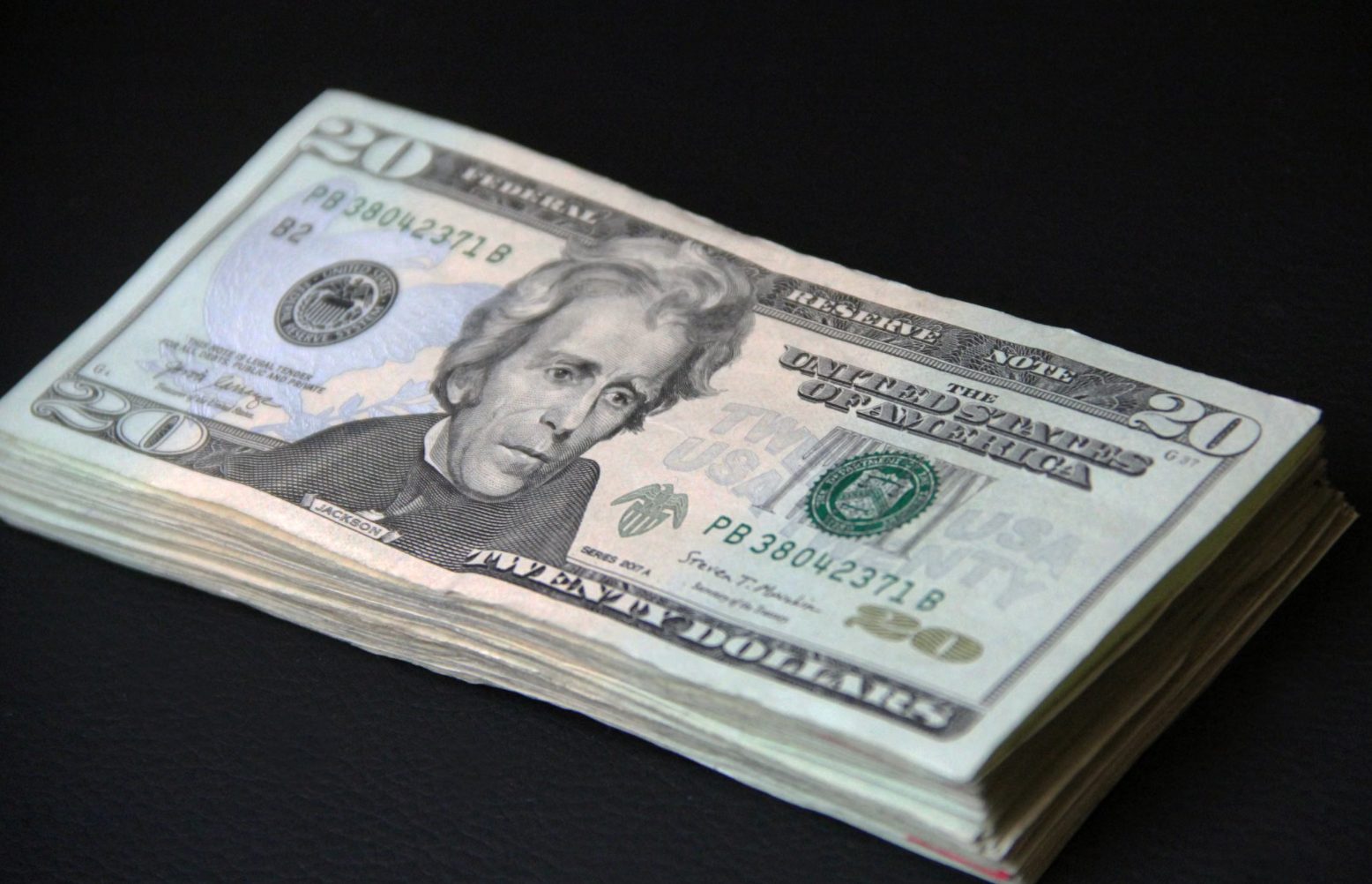
Twenty dollars under a pillow might not buy what it once did at the grocery store, but there’s at least one place where it’s still a small fortune: the Tooth Fairy market. The average payout for a lost tooth rose 17% in 2026, according to the latest national survey, but parents are still leaving nowhere near $20 for the typical tooth. In fact, a $20 bill is more than three times the current national average. That’s good news for parents who hear that a classmate’s Tooth Fairy supposedly leaves $20, $50, or some other eye-popping amount. Before adjusting your household’s going rate for inflation—or playground peer pressure—here’s what parents are actually paying and how quickly a seemingly small tradition can add up.
The Going Rate for a Tooth Is Now $5.84
The Delta Dental 2026 Original Tooth Fairy Poll found that the average value of a lost tooth increased from $5.01 in 2025 to $5.84 in 2026, a 17% jump. That ended two consecutive years of declining Tooth Fairy payouts. The survey was conducted among 1,000 parents of children ages 6 to 12, so $5.84 shouldn’t be interpreted as a rule families are expected to follow. Plenty of Tooth Fairies presumably leave $1, $5, $10, gifts, or whatever makes sense for the household. But the national figure provides a useful answer to the original question: $20 is still extremely generous. It’s roughly 3.4 times the current average payout for one lost tooth.
The First Tooth Apparently Deserves a Bonus
Not every tooth is worth the same amount in the Tooth Fairy economy. Delta Dental found that the average first tooth payout reached $7.17 in 2026, up from $6.24 last year and about 23% higher than the average ordinary tooth. More than one-third of parents—38%—said their Tooth Fairy leaves extra for the first tooth compared with later ones. That gives parents who like the idea of a $20 surprise an easy compromise. Instead of establishing $20 as the going rate for every tooth, make the first one a milestone: $20 for tooth No. 1 and a smaller, sustainable amount for the rest. The child still gets the thrill of discovering a $20 bill under the pillow without accidentally negotiating a $400 childhood dental contract.
Twenty Dollars a Tooth Eventually Becomes $400
Children typically lose 20 primary, or baby, teeth as their permanent teeth come in. At $20 each, that works out to: $20 × 20 teeth = $400 per child. For three children, the eventual Tooth Fairy obligation could theoretically reach $1,200.
Of course, nobody is funding all 20 teeth on the same Tuesday night, and $20 every few months may fit comfortably into some household budgets. The more useful question is whether parents want to establish an amount they’re willing to repeat when the next tooth starts wiggling. By comparison, paying the current $5.84 national average for 20 teeth would total about $116.80 per child. And there’s no requirement to hit that average, either.
Your Zip Code May Affect the Tooth Fairy’s Wallet
Like housing, groceries, and gasoline, Tooth Fairy prices apparently vary depending on where you live. Delta Dental found the Northeast had the country’s highest average payout in 2026 at $6.45 per tooth, followed by the West at $5.99 and the South at $5.89. The Midwest had the lowest average at $5.27. Even there, however, Tooth Fairy generosity jumped dramatically: the Midwest’s average rose 52% from the previous year. The Northeast climbed 41%. Those regional differences are another reason not to worry too much about what another parent says is the “normal” amount. There isn’t one universally accepted Tooth Fairy rate—and even the national average changes substantially from year to year.
Tooth Fairy Inflation Has Been Remarkable
Parents who remember finding a dollar under their own pillows aren’t imagining how dramatically things have changed. Delta Dental began tracking Tooth Fairy payouts in 1998, when the average lost tooth brought just $1.30. By 2026, that had reached $5.84—an increase of 349%.
Interestingly, Delta Dental has historically compared its Tooth Fairy Index with movements in the S&P 500. The relationship hasn’t always held, but in the latest survey period the average tooth payout increased 17% while the S&P 500 rose about 16%. Parents probably shouldn’t start valuing incisors according to their investment portfolios, but it’s a fun illustration of just how much this tiny childhood transaction has changed over the past 28 years.
Cash Isn’t the Only Thing Appearing Under Pillows
Parents who don’t want to keep raising the cash payout have plenty of company. Delta Dental found that 32% of children received a physical gift from the Tooth Fairy in 2026, up substantially from 19% in 2025. That opens up inexpensive possibilities: a small book, unusual coin, craft, handwritten note, certificate, sticker, or another little surprise.
Greenlight suggests personalized Tooth Fairy notes, miniature letters and certificates as ways to make the experience memorable with or without cash. And the experience itself seems to matter. Half of parents in Delta Dental’s survey said Tooth Fairy visits give their children something to be excited about, while 42% said the tradition makes their child feel special and 39% said it creates a memorable bonding moment. A $2 bill accompanied by a tiny handwritten letter might therefore generate more excitement than parents expect.
That $5 Can Become a Child’s First Money Lesson
Tooth Fairy money can also be some of the first cash a child considers truly their own. The National Foundation for Credit Counseling recommends using the tradition to introduce basic concepts including recognizing currency, spending, saving, and setting goals. You don’t have to turn a magical childhood tradition into a personal-finance seminar before breakfast.
If the Tooth Fairy leaves $5, simply ask what the child wants to do with it. They might spend part, save part toward a toy, or combine several future Tooth Fairy visits to reach a larger goal. For younger children, even learning that one $5 bill is worth more than several smaller coins can be a useful introduction to how money works.
Don’t Let the Playground Set Your Tooth Fairy Budget
Eventually, many children discover that Tooth Fairies apparently operate under wildly different compensation packages. One friend gets $2. Another gets $10. Someone inevitably claims to have received $50. Parents don’t have to compete with any of them. Choose an amount that fits your budget and a tradition you’re comfortable repeating. Maybe that’s $5 for each tooth, $10 for the first one, an occasional special gift, or a shiny dollar coin and handwritten note.
And if your Tooth Fairy leaves $20? The latest numbers suggest your child is doing extremely well in the lost-tooth market.
How much does the Tooth Fairy leave at your house—and have your kids ever complained that a friend’s Tooth Fairy pays better? Share your going rate in the comments.
What to Read Next
12 Heart-Melting Things Kids Do That We Never Want to Forget
8 Awkward Milestones That No One Warns Parents About
7 Childhood Milestones That Come With Surprise Costs

Evan Morgan has been a full-time freelance writer and editor for 10+ years. When not working, he enjoys catching the latest true crime documentary or getting lost in a good book.
