
• Home
  • About Us
  • Toolkit
  • Archives
  • Advertise
  • Privacy Policy

Kids Ain't Cheap

But They Sure Are Worth It

  • Parenting
    • Baby Stuff
    • Books and Reading
      • Aesops Fables
      • Comic Books
    • Education
    • Family Time
    • Green Living
    • Growing Up
    • Healthy Living & Eating
    • Holidays
    • Parenting
    • Random Musings
    • Shopping
    • Stuff to Do
  • Money
  • Product Reviews
    • Books and Magazines
    • Discount Sites
    • Furniture
    • House Keeping
    • Reviews News
    • Toys and Games
  • Contact Us
  • Our Editorial Commitment
  • Search

How to Build Kids’ Resilience and Gratitude During a Cold Month of Cabin Fever

December 14, 2025 | Leave a Comment

How to Build Kids’ Resilience and Gratitude During a Cold Month of Cabin Fever
Image source: shutterstock.com

When the weather keeps your family inside for days, the mood in your home can shift fast. Kids get restless, parents feel tapped out, and tiny frustrations start to feel huge. It is easy to slip into survival mode and count the minutes until spring returns. But these long, cold weeks can also become powerful training ground for resilience and gratitude. With a little intention, you can turn a month of cabin fever into a season where your child learns to cope, appreciate, and bounce back stronger.

1. Reframe Cabin Fever As A Family Challenge

Kids take their emotional cues from the adults around them. If you talk about this stretch as “the worst time of year,” children will absorb that script. Instead, frame it as a challenge your family can face together, like a team trying to beat a tricky level in a game. You might say, “This month is tough, but we’re going to practice new skills and see how creative we can get.” When you talk this way, you normalize hard days while reinforcing that your family knows how to handle them.

2. Create Routines That Make Days Feel Different

When every day looks the same, kids feel stuck and cranky. Simple routines break up the monotony and give kids something to look forward to, especially when cabin fever feels heavy. Try making themed evenings, like “Cozy Reading Night,” “Build-It Night,” or “Family Show Night.” Post a simple weekly calendar where kids can see what is coming and add their own ideas. These small anchors give structure to long days and help kids learn that they can shape their environment, not just endure it.

3. Practice Gratitude In Small, Concrete Ways

Gratitude does not have to mean big speeches about how “lucky” kids are. It works best when it shows up in tiny, specific moments that kids can see and feel. This is where cabin fever can become an opportunity, because kids notice small comforts more when life slows down. At dinner, ask each person to name one thing that helped them today, like “my warm socks” or “laughing during our dance break.” Over time, children start looking for these bright spots on their own, building a habit of noticing what is going right.

4. Build Coping Skills Through Play

Play is one of the safest ways for kids to practice handling big feelings. When cabin fever makes everyone edgy, lean into games and activities that help kids move their bodies and manage emotions. You might try “freeze dance” where kids practice stopping and starting on cue, or a “feelings charades” game where they act out emotions. Board games and card games also teach patience, turn-taking, and how to lose without falling apart. Each playful moment becomes a tiny lesson in frustration tolerance and emotional control.

5. Stay Connected To Others From Home

Feeling isolated makes tough months harder for both kids and parents. If cabin fever leaves your child missing friends or relatives, build connection into your weekly plan. Schedule video calls with grandparents, cousins, or school friends and give kids a simple “show and tell” to share. Older kids might enjoy writing short notes, drawing comics, or sending voice messages to loved ones. These connections remind children that their world is bigger than four walls and that relationships can stay strong even when you cannot visit in person.

6. Let Kids Help With Real-World Problems

Resilience grows when kids see themselves as capable, not fragile. During cabin fever months, invite kids into real tasks instead of trying to entertain them nonstop. Younger kids can help sort laundry by color, match socks, or stir ingredients for dinner. Older kids can help plan meals, make a simple grocery list, or reorganize a cluttered shelf. When children contribute, they learn that they are part of the solution on hard days, not just passengers along for the ride.

Turning A Cold Month Into A Kinder One

At the end of a long winter stretch, your home might still feel messy and loud, but your child can come out of it with new emotional muscles. By giving structure, practicing gratitude, and making room for real-world contribution, you plant seeds that last well beyond this season. Your child learns that boredom and disappointment are uncomfortable, but they are not emergencies. They discover that connection, creativity, and small comforts are still possible on the hardest days. Most importantly, they see that your family faces challenges together, which might be the most powerful lesson of all.

What is one simple tradition or routine you use to help your kids handle a long stretch of being stuck inside? Share your ideas in the comments to inspire other parents.

What to Read Next…

Quick Fixes for Parents to Avoid the “I’m Bored” Meltdown at Home

Their Future Selves: 12 Ways To Build Resilience In Your Kids

Winter Craft Materials You Probably Already Have and Kids Will Love

8 Unexpected Benefits of Boredom in Children

7 Ways to Raise Resilient Kids in a World of Instant Gratification

Catherine Reed
Catherine Reed

Catherine is a tech-savvy writer who has focused on the personal finance space for more than eight years. She has a Bachelor’s in Information Technology and enjoys showcasing how tech can simplify everyday personal finance tasks like budgeting, spending tracking, and planning for the future. Additionally, she’s explored the ins and outs of the world of side hustles and loves to share what she’s learned along the way. When she’s not working, you can find her relaxing at home in the Pacific Northwest with her two cats or enjoying a cup of coffee at her neighborhood cafe.
Filed Under: Parenting Tagged With: cabin fever, child gratitude, emotional skills for kids, family routines, kids resilience, parenting tips, Positive Parenting, winter activities for kids

How to Turn Snowy Park Trips Into Free Family Bonding Moments

December 8, 2025 | Leave a Comment

How to Turn Snowy Park Trips Into Free Family Bonding Moments
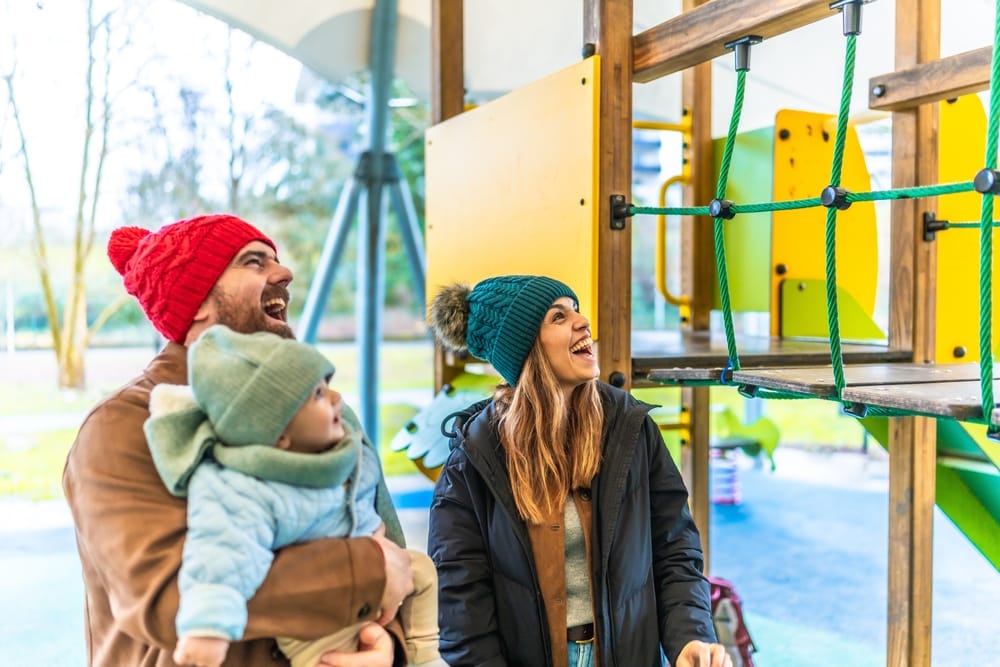
Image source: shutterstock.com

When snow starts falling, it’s easy to assume fun family time has to come with a big price tag for tickets, hot cocoa, or indoor attractions. In reality, some of the sweetest memories your kids will ever have can come from simple snowy park trips that cost nothing more than warm clothes and a little creativity. A local park, a light layer of planning, and a willingness to get a little cold can turn a regular afternoon into an adventure your kids talk about for years. Instead of feeling stressed about winter break budgets or weekend entertainment, you can lean on what your neighborhood already offers for free. Here are practical ways to stretch those chilly afternoons into real bonding time, without pulling out your wallet every time the forecast calls for flurries.

1. Dress Warm Without Overspending

Before anyone sets foot outside, start with layers you already own instead of rushing to buy the latest matching snow gear. Thin base layers, a hoodie, and a waterproof outer layer often keep kids just as warm as expensive branded outfits. Double up on socks, grab inexpensive knit gloves, and use scarves or gaiters to keep wind off faces so everyone lasts longer at the park. If you’re short on gear, check buy-nothing groups, hand-me-downs from cousins, or thrift stores for snow pants and boots that will only be used a few months a year. When kids feel cozy instead of chilly, they can actually enjoy the snow, and you can relax instead of watching the clock for when everyone will beg to go home.

2. Turn Snowy Park Trips into Adventures

Kids are much more excited to bundle up when snowy park trips feel like missions instead of just another walk around the playground. Give your outing a theme, like a “Winter Explorer Day” where you search for animal tracks, unusual icicles, or the tallest snowdrift you can safely climb. You can bring a small notebook and pencil and let kids sketch what they see, write a few words about the weather, or rate the day on a simple one-to-five “fun” scale. On future snowy park trips, compare notes and see how each adventure was different, which gives kids something to look forward to even if you’re visiting the same park again. By framing the trip as an experience you share and build on together, you turn free time at the park into a family tradition instead of just a way to burn energy.

3. Pack Simple, Cozy Snacks

You don’t need pricey treats from the coffee shop when a thermos and a few pantry staples can do the job. Fill one thermos with hot chocolate or warm apple cider and another with soup, and pair them with simple snacks like popcorn, crackers, or sliced fruit. Let kids help pack the bag at home so they feel invested in the outing and know what snacks they can look forward to when their fingers start to feel cold. You can even name certain snacks after your favorite snowy park trips, like “sledding trail trail-mix” or “snow fort soup,” which makes the same low-cost ingredients feel more special. By planning snacks ahead of time, you avoid the temptation to grab fast food on the way home, which protects both your budget and your routine.

4. Play Games That Encourage Teamwork

Rather than just letting kids run wild, plan a few simple games that help siblings or friends work together. Try building one big snow fort as a family, taking turns as “architect,” “builder,” and “snow supplier” so everyone has a role. Set up a scavenger hunt where kids look for safe items like a snow-covered bench, a pinecone, or a slide with snow on it, and reward them with warm drinks when they finish. You can also have relay races where kids roll snowballs across a field, or play follow-the-leader through fresh snow, switching leaders so everyone gets a turn. When your kids associate snowy park trips with laughter, teamwork, and shared victories, they’ll remember the feelings long after the snow melts.

5. Notice Nature’s Winter Details

Winter is a chance to slow down and help kids notice things they’d usually rush past in warmer weather. Point out how tree branches look bare against the sky, how the snow crunches differently under different shoes, or how quiet the park gets when the ground is covered. Bring along a magnifying glass to look more closely at snowflakes on a coat sleeve or a frozen leaf stuck in the ice near the sidewalk. If you visit the same park often, talk about how snowy park trips feel different from your summer visits, and encourage kids to choose a favorite season and explain why. Slowing down to really see and talk about the details makes kids feel like you’re not just supervising them; you’re sharing the experience with them.

6. Build Winter Traditions Your Kids Will Remember

What makes these cold-weather outings powerful isn’t perfection; it’s the fact that you keep showing up together. Maybe every first snowfall means everyone races to the same hill, or every Sunday afternoon in January is your family’s standing park date. You can end each visit with a quick family “high and low,” where everyone shares their favorite moment and the one thing they’d change next time. Over time, those simple routines tell your kids that time with them matters more than fancy tickets, shopping trips, or expensive winter vacations. When they look back, they’ll remember red cheeks, shared jokes, and the feeling of your hand in theirs far more than anything you could have bought at the mall.

What traditions or games make your snowy park days special, and what new idea are you excited to try with your family this winter?

What to Read Next…

How to Pick the Right Inflatable Snow-Toy for Your Kids Without Overpaying

Budget-Friendly Family Road Trips That Are Still Fun When It’s Cold Outside

The Winter Adaptive Wardrobe Plan That Cuts Kids’ Clothing Costs in Half

Teaching Your Kids to Stay Safe at Parks

How to Turn Kids’ Post-Holiday Blues Into an Opportunity for Connection

Catherine Reed
Catherine Reed

Catherine is a tech-savvy writer who has focused on the personal finance space for more than eight years. She has a Bachelor’s in Information Technology and enjoys showcasing how tech can simplify everyday personal finance tasks like budgeting, spending tracking, and planning for the future. Additionally, she’s explored the ins and outs of the world of side hustles and loves to share what she’s learned along the way. When she’s not working, you can find her relaxing at home in the Pacific Northwest with her two cats or enjoying a cup of coffee at her neighborhood cafe.

Filed Under: Family Time Tagged With: budget-friendly fun, Family bonding, free family fun, frugal parenting, Outdoor Play, park activities, snow day ideas, winter activities for kids

  • Facebook
  • Pinterest
  • RSS
  • Twitter

Basic Principles Of Good Parenting

Here some basic principles for good parenting:

  1. What You Do Matters: Your kids are watching you. So, be purposeful about what you want to accomplish.
  2. You Can’t be Too Loving: Don’t replace love with material possessions, lowered expectations or leniency.
  3. Be Involved Your Kids Life: Arrange your priorities to focus on what your kid’s needs. Be there mentally and physically.
  4. Adapt Your Parenting: Children grow quickly, so keep pace with your child’s development.
  5. Establish and Set Rules: The rules you set for children will establish the rules they set for themselves later.  Avoid harsh discipline and be consistent.
  6. Explain Your Decisions: What is obvious to you may not be evident to your child. They don’t have the experience you do.
  7. Be Respectful To Your Child: How you treat your child is how they will treat others.  Be polite, respectful and make an effort to pay attention.
Best Parenting Blogs

Most Popular

Baby names

Teachers Admit: These 6 Baby Names Create Instant Bias in the Classroom

Latrice Perez
6 Baby Names That Sound Cute Now but Cause Problems Later

6 Baby Names That Sound Cute Now but Cause Problems Later

Brandon Marcus
11 Ways Kids Are Outsmarting Parental Controls 1. Using Alternate Devices One common trick is simply turning to another device. If a child’s main phone or tablet is restricted, they may borrow a sibling’s, friend’s, or even a school laptop. This instantly gives them access to content outside of parental oversight. Parents often focus on one device, forgetting that others in the household can serve as loopholes. Knowing this tactic helps families tighten controls across all electronics. 2. Clearing Browsing Histories Many kids quickly learn that clearing browsing history hides evidence of restricted activity. With just a few clicks, they can erase any trace of websites visited. This makes it harder for parents to notice when rules are being broken. Parents may assume no history means no browsing, but the reality is often the opposite. Kids are outsmarting parental controls by making it seem like nothing happened at all. 3. Using Private Browsing Modes Most browsers offer “incognito” or private browsing features. Kids use this mode to access websites without leaving a record in the history. To parents checking later, everything looks clean and safe. This simple trick is often one of the first ways kids discover how to bypass restrictions. Conversations about private browsing can help close this gap. 4. Guessing or Resetting Passwords Children who are persistent may try to guess passwords to parental control apps or accounts. Others may find ways to reset them through email prompts or security questions. Once inside, they can disable restrictions entirely. Parents may not even realize controls have been altered until much later. Stronger, less predictable passwords can make this more difficult. 5. Using VPNs to Hide Activity Virtual private networks, or VPNs, let kids disguise their online locations. With one downloaded app, they can bypass geographic or parental restrictions. Some children learn about VPNs through friends or even social media. This makes it easy for them to reach content that should be blocked. Parents often underestimate just how simple it is for kids to use these tools. 6. Creating Fake Accounts When parents monitor social media, kids may create hidden accounts. These “finstas” or fake profiles allow them to interact freely without parental oversight. While their main account appears harmless, the secondary one tells a different story. Kids are outsmarting parental controls by playing both sides at once. Checking for duplicate accounts can help parents stay more aware. 7. Exploiting Time Zone Settings Some kids change the time zone on their devices to bypass screen time limits. This trick allows them to gain extra hours of usage undetected. Parents may assume controls are working, but in reality, the child is bending the clock. It’s a clever loophole that highlights just how resourceful kids can be. Monitoring device settings regularly can catch this tactic. 8. Disabling or Uninstalling Apps Parental control apps can be deleted or disabled with surprising ease. Some kids even reinstall them before a parent checks, making it seem like nothing changed. Others may simply restrict permissions to prevent apps from functioning properly. When apps aren’t monitored closely, parents may not notice they’ve been tampered with. This shows the importance of consistent follow-up. 9. Turning to Friends for Access If a child can’t get past restrictions on their own, they may rely on friends. Visiting a friend’s house or borrowing their phone can give them a free pass. Parents often forget that peer environments can override restrictions set at home. This kind of social workaround is especially common with gaming or social media. Open conversations about trust and responsibility are essential. 10. Hiding Apps in Plain Sight Kids sometimes download apps that look innocent but serve as gateways to hidden activity. These apps may disguise themselves as calculators or utilities. In reality, they allow file storage, private messaging, or browser access. Parents glancing at a home screen may overlook them entirely. Learning to recognize these disguised apps can help parents stay informed. 11. Outpacing Parents’ Tech Knowledge Finally, kids often know more about devices than their parents do. Whether through YouTube tutorials, TikTok hacks, or peer groups, they quickly learn advanced workarounds. This knowledge gap means controls can be bypassed before parents even realize the loophole exists. Staying informed and continually learning about new technology is the best defense. Kids are outsmarting parental controls because they adapt faster than most adults. The Real Solution Lies Beyond Restrictions While controls and filters are important, no system is perfect. Kids will always find creative ways around barriers, making communication the strongest safeguard. Setting clear expectations, building trust, and having ongoing conversations about online behavior matter more than apps alone. Parents who combine technology with open dialogue create a safer digital environment. The goal isn’t to win a battle of wits but to build a relationship that keeps kids both safe and honest. Do you think kids are outsmarting parental controls faster than parents can keep up? Share your experiences in the comments below. What to Read Next... 6 Parenting Tech Shortcuts That Can Expose Your Child to Strangers How Much Screen Time Is Too Much—Legally Speaking? Is Your Child’s School Quietly Tracking Their Location Without Your Consent? How Much Screen Time Is Quietly Reshaping Childhood Behavior? Why Some Parents Are Being Investigated Over Homeschooling Records

11 Ways Kids Are Outsmarting Parental Controls

Catherine Reed
Smiling grandfather holding a happy baby indoors.

Why Grandparents Shouldn’t Babysit Their Grandkids Every Week – The Unspoken Issue

Samantha
birthday gifts

7 Birthday Gifts Your Child Should Never Bring to a Party

Latrice Perez

All content on Kids Ain’t Cheap is for entertainment purposes only. By reading this blog, you agree that Kids Ain’t Cheap is not responsible for any actions taken after reading this blog. For the full disclaimer, see our privacy policy.

Please note that Kids Ain’t Cheap has financial relationships with some of the merchants mentioned here. Kids Ain’t Cheap is funded by banner advertising, commission sales and search optimization consulting.

Copyright © 2006–2026 | District Media | All Rights Reserved | Privacy Policy

Copyright © 2026 Runway Pro Theme by Viva la Violette