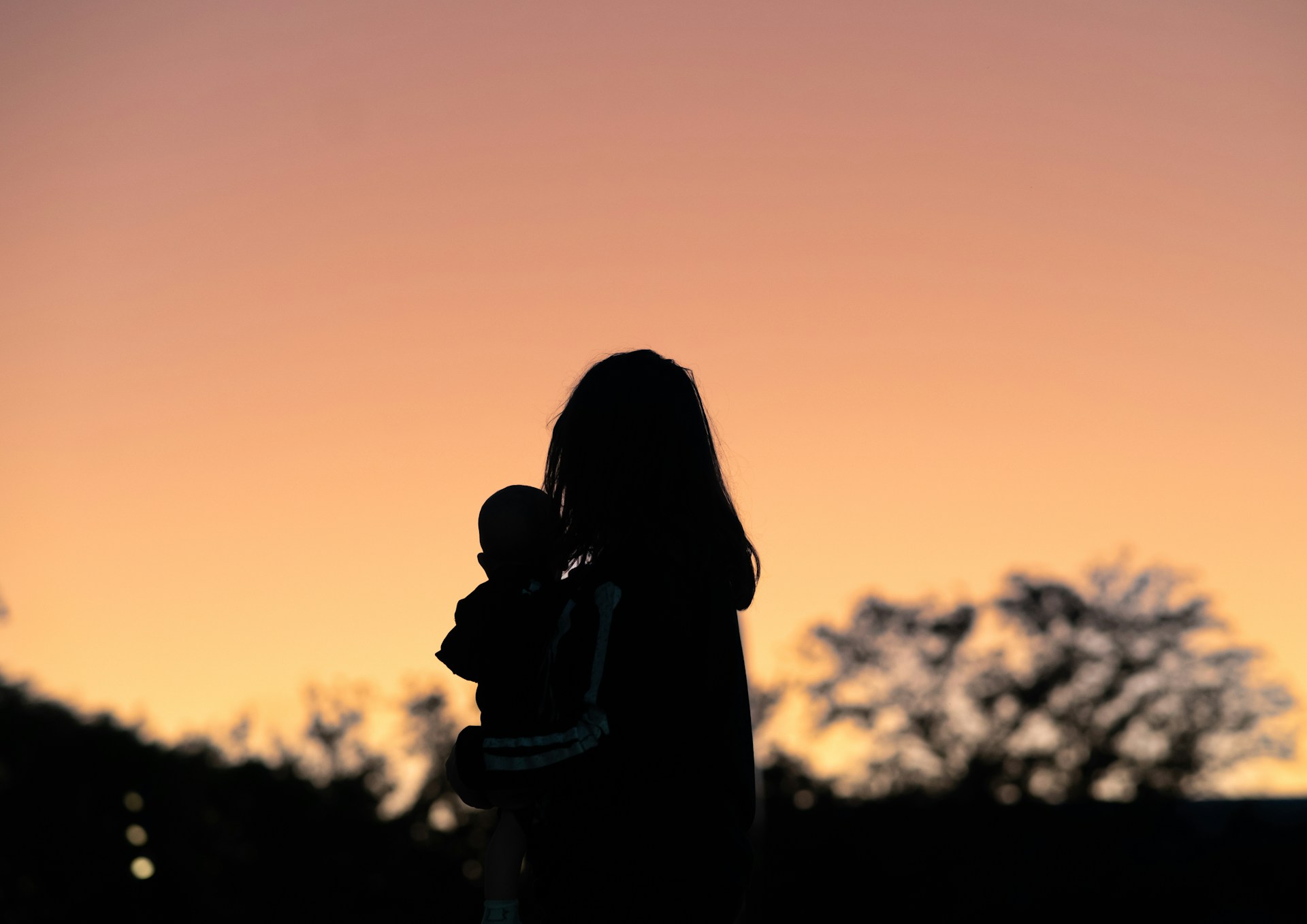
Family is supposed to be a safety net, yet for a growing number of mothers, that net has twisted into a web of criticism, manipulation, or emotional neglect.
Enter the no‑contact movement—women who sever ties with their own parents to protect both their mental health and their children’s well‑being.
Detractors call the decision drastic; advocates call it survival. Either way, cutting ties with the people who raised you is never simple. Understanding why some moms choose no‑contact reveals how complex—and courageous—the decision can be.
Trauma That Echoes Across Generations
Many mothers who go no‑contact grew up amid alcoholism, narcissism, or chronic belittlement. Therapy language calls these long‑term patterns “complex trauma,” because the harm is ongoing rather than a single event.
Childhood experiences of gaslighting or emotional neglect prime the nervous system to stay on high alert well into adulthood. Once these women become parents, old wounds resurface in startling ways: nightmares during pregnancy, panic when their infant cries, or anger triggered by their own mom’s “helpful” advice.
If grandparents undermine house rules, criticize parenting methods in front of the kids, or use guilt as currency—“If you loved me, you’d let the baby stay overnight”—the cycle threatens to continue. For many moms, cutting contact isn’t revenge; it’s a radical act of protection that breaks a generational chain so the next link forms in healthier metal.
Boundary Pushback And The Final Straw
Very few women jump straight to no‑contact. More often, they start with smaller boundary attempts: shorter visits, holiday rotations, clear lists of dos and don’ts, or therapy‑backed letters explaining triggers. What follows is a litmus test.
In healthy families, limits inspire conversation and compromise. In toxic dynamics, boundaries provoke escalation—passive‑aggressive texts, smear campaigns with relatives, or even legal threats for “grandparents’ rights.”
A final incident usually snaps the last thread: a grandparent secretly feeding allergens, bad‑mouthing the mom in front of the children, or erupting into a screaming match during Christmas dinner.
At that breaking point, a mother chooses peace over pleasing. She blocks phone numbers, stops sharing photos, and alerts schools or caregivers that the grandparents are no longer approved contacts.
The Psychological Cost—And Unexpected Relief
Going no‑contact is not a victory lap; it is grief work. Mothers mourn the relationship they wished they’d had, endure judgment from siblings who stay loyal to the parents, and field awkward questions from friends who assume family closeness is universal.
Some experience guilt or fear: “Am I overreacting?” or “Will my kids blame me later?”
Yet many describe a profound sense of relief within weeks—fewer panic attacks, deeper sleep, and the ability to parent without constant second‑guessing. Adults who maintain firm boundaries show lower cortisol levels over time, suggesting that emotional distance can translate into biological calm.
Explaining Estrangement To Children
Telling kids why Grandma or Grandpa no longer visits is delicate.
Child psychologists recommend age‑appropriate honesty: “Grandma’s words sometimes hurt people, so we’re keeping space to stay safe and kind.”
Emphasize family values—kindness, respect, safety—rather than demonizing the grandparent. This frames boundaries as protective tools rather than punishments.
Older children may ask if forgiveness is possible. Experts advise clarifying that reconciliation requires genuine change from the grandparent and that safety always comes first. Modeling healthy boundaries teaches kids that they, too, can set limits when relationships become harmful.

The Possibility (And Limits) Of Reconciliation
Therapists caution parents not to expect dramatic apologies from toxic relatives; meaningful change is rare without extensive, sustained work.
However, reconciliation isn’t impossible. Some grandparents do seek therapy, read about trauma, and demonstrate consistent new behavior for many months. In those rare cases, moms might consider limited contact: supervised visits, communication only through a family email address, or short public outings.
Even then, the default is safety. Moms maintain escape plans, keep conversations documented, and reaffirm the right to withdraw again if old patterns resurface. The guiding question shifts from “Do they deserve another chance?” to “Can my children and I stay truly safe—emotionally and physically—if contact resumes?”
Navigating Social And Cultural Backlash
Choosing no‑contact often collides with cultural narratives that idealize unconditional family loyalty.
Mothers may hear: “But they’re your parents—you only have one set.” Religious teachings about honoring father and mother can compound guilt. Social media adds another layer, with picture‑perfect grandparent‑grandchild moments splashed across feeds.
Support groups—online forums, local therapist‑led circles, or private Facebook communities—offer validation and strategies for handling backlash. Trusted friends who understand trauma can provide reality checks when doubt creeps in. The mantra many survivors adopt is simple: “Family is who acts like family.”
Practical Steps Toward Healing
- Document Patterns – Journaling incidents can affirm the decision when doubt arises.
- Pursue Trauma‑Informed Therapy – Modalities like EMDR or Internal Family Systems help rewire triggers.
- Build A Chosen Family – Lean on friends, mentors, or neighbors who show consistent care.
- Create New Rituals – Holiday traditions or weekly dinners rooted in safety and joy help rewrite family scripts.
- Protect Legal Boundaries – When necessary, consult an attorney about restraining orders or guardianship to prevent unwanted interference.
Choosing Peace Over Pleasing
No‑contact is not about punishment; it is about preservation. For some mothers, the question isn’t “Should I forgive again?” but “Can I thrive if I don’t draw this line?” In a world that romanticizes blood ties above all, choosing distance requires radical self‑trust.
These moms demonstrate to their children that love and self‑respect are not mutually exclusive. Sometimes the healthiest family legacy is the one you forge from scratch—where safety is non‑negotiable, respect flows both ways, and generational trauma ends with you.
Are you navigating—or considering—no‑contact with toxic parents? Share your thoughts or experiences in the comments. Your story might be the lifeline another mom needs to choose peace.
Read More

Samantha Warren is a holistic marketing strategist with 8+ years of experience partnering with startups, Fortune 500 companies, and everything in between. With an entrepreneurial mindset, she excels at shaping brand narratives through data-driven, creative content. When she’s not working, Samantha loves to travel and draws inspiration from her trips to Thailand, Spain, Costa Rica, and beyond.
Read More

Image Source: 123rf.com A happy and thriving household doesn’t happen by accident. It’s built on…

Being a parent can feel like you're hopscotching from one worry to the next. Everywhere…
Some people are not house people. When the weekend comes around, they'd instead take the…


For many families, the reality of paying for childcare hits hard—and fast. Daycare costs can…

Kids are naturally curious, adventurous, and sometimes wildly unaware of risk. That mix can lead…

Image Source: 123rf.com Children don’t always come right out and say what’s on their minds.…


Leave a Reply