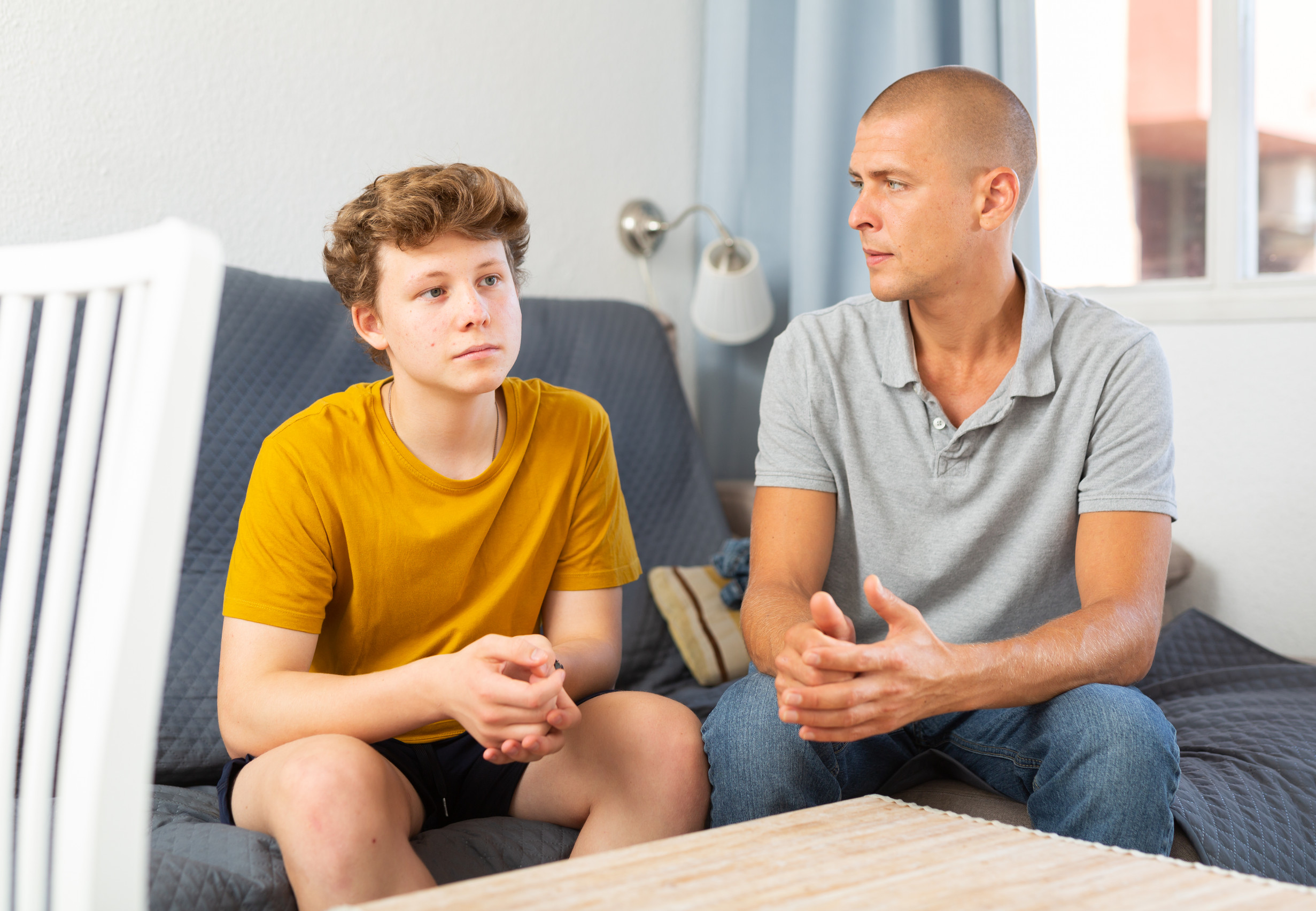
Children don’t always come right out and say what’s on their minds. Sometimes, they test boundaries or act out simply because they don’t have the words—or the courage—to express how they feel. The truth is, many kids carry big emotions, private fears, and quiet dreams they’re unsure how to share with the adults in their lives. Kids often feel misunderstood or unseen, especially in homes where rules and expectations feel louder than empathy. Gentle parenting requires a shift from correction to connection, and that begins with listening without judgment.
The challenge isn’t whether your child has something to say—it’s whether they believe you’re safe enough to say it to. Judgment-free parenting doesn’t mean letting go of structure or discipline. It means creating space where your child can be honest without fear of shame or disappointment. Here are eight powerful things your children likely wish you understood about them without judging.
1. “I’m Not Always Okay, Even If I Look Like I Am”
Kids are excellent at masking their emotions when they sense their struggles won’t be taken seriously. Just because they’re laughing or going through the motions doesn’t mean everything’s fine. Sometimes, they’re anxious, overwhelmed, or sad and don’t want to burden you with it. They may also worry you’ll downplay their feelings as “drama” or “just a phase.” Gentle parenting includes recognizing the silent moments as much as the loud ones.
2. “I Need You to Listen More Than You Fix”
Parents are natural problem-solvers. But often, when a child opens up, they’re not looking for advice or a solution—they just want to feel heard. Jumping in with answers or lectures can make them shut down or feel like their emotions aren’t valid. They really want your attention, a calm presence, and reassurance that they’re not alone. Sometimes, just saying “That sounds hard. Tell me more” means everything.
3. “I’m Trying, Even When It Doesn’t Look Like It”
Whether it’s keeping up in school, managing friendships, or navigating their emotions, kids are usually doing the best they can with the tools they have. Adults sometimes forget how exhausting it is to grow up, especially with the pressures kids face today. When they forget something or fall short, they don’t need harsh words—they need encouragement and patience. What looks like laziness is often discouragement or overwhelm. Gentle parenting sees the effort behind the outcome.
4. “I Need to Know I’m Loved, Even When I Mess Up”
Children crave unconditional love. When mistakes are met with harsh words, disappointment, or withdrawal, they tie their worth to their behavior. That makes them fear failure instead of learning from it. They need to hear, “I’m upset, but I still love you,” or “This doesn’t change how I feel about you.” Knowing your love is steady helps them build emotional security and confidence.
5. “I’m Not You—I Have My Own Personality”
Every child is different, and they don’t always share your interests, temperament, or ways of doing things. When parents try to mold kids into a mini version of themselves, it can lead to resentment or emotional distance. Children want to be accepted for who they are, not who they’re expected to be. Encouraging their individuality, even when it’s unfamiliar, shows respect and builds trust. Gentle parenting celebrates differences rather than trying to erase them.
6. “I Need Breaks, Too”
We often assume kids have boundless energy, but their emotional batteries run low just like ours. School, social pressure, chores, and extracurriculars can wear them down. When they zone out, act cranky, or ask for downtime, it’s not laziness—it’s a need for rest. Teaching them to recognize and honor that need is part of raising emotionally healthy kids. Breaks aren’t a luxury—they’re essential.
7. “What You Say About Me Becomes My Inner Voice”
The words you use—even in frustration—stick with your child far longer than you think. Whether it’s calling them “dramatic,” “lazy,” or “too sensitive,” those labels can become their identity. On the flip side, positive affirmations like “You’re strong,” “You’re kind,” or “I believe in you” can shape their self-esteem for life. Kids often hear your voice in their head long after the moment has passed. Choose words that build them up, not break them down.
8. “I’m Still Learning, So Please Be Patient”
Kids aren’t mini adults—they’re still figuring things out. They don’t always make logical choices; sometimes, they’ll test limits just to see what happens. That’s part of growing up, not a character flaw. What they need is guidance, consistency, and compassion—not perfection. Gentle parenting means seeing discipline as a teaching tool, not a punishment.
Connection First, Correction Second
Children feel more open, cooperative, and emotionally secure when they feel understood. That doesn’t mean letting go of expectations or boundaries—it means leading with empathy. Kids don’t expect their parents to be perfect, but they do hope they’ll be safe enough to open up to them. By choosing connection over criticism, gentle parenting creates homes where children don’t have to hide who they really are.
What has your child said or done taught you about listening without judgment? Share your story in the comments!
Read More:
8 Parenting Trends That Sound Great (But Might Be Hurting Your Kids)
10 Mistakes Parents Make When Kids Are Anxious

Catherine is a tech-savvy writer who has focused on the personal finance space for more than eight years. She has a Bachelor’s in Information Technology and enjoys showcasing how tech can simplify everyday personal finance tasks like budgeting, spending tracking, and planning for the future. Additionally, she’s explored the ins and outs of the world of side hustles and loves to share what she’s learned along the way. When she’s not working, you can find her relaxing at home in the Pacific Northwest with her two cats or enjoying a cup of coffee at her neighborhood cafe.
Read More

As parents, we want our words to build confidence, spark motivation, and show our children…

Kids see the world through a lens of imagination, simplicity, and curiosity—which makes their ideas…

Our 18-year-old son graduated from high school this year. As most seniors do, he applied…

At the beginning of the year, my daughter started ballet. Halfway through the semester they…

First time filing taxes? Don't let the horror stories of others scare you. For most…


Image Source: 123rf.com Children don’t always know how to say, “I need help.” Often, they…


Leave a Reply