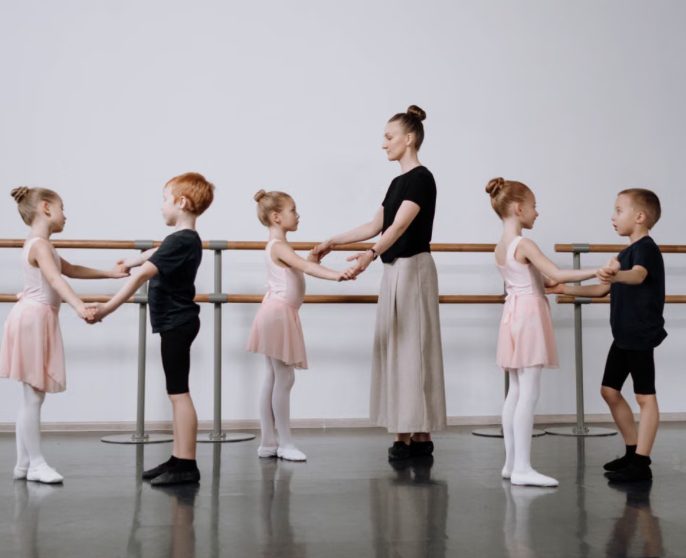
After-school activities can help kids build confidence, friendships, discipline, and skills that extend well beyond the classroom. But an activity that looks affordable on a registration page can become surprisingly expensive once parents add equipment, uniforms, travel, private instruction, and event fees. Recent research from the Aspen Institute found that the average sports family spent $1,016 on a child’s primary sport in 2024, up 46% from 2019. Understanding after-school activity costs before signing up can prevent an exciting opportunity from turning into a financial strain.
1. Travel And Club Sports
Youth sports can become particularly expensive when a child moves from a recreational league to a competitive club or travel team. Registration may be only the beginning, with families also paying for uniforms, equipment, tournament admission, hotels, meals, and transportation. Aspen Institute research estimates families spent nearly $1,500 annually on one child’s combined sports experiences in 2024, on average. Families with teenagers in competitive club programs can spend considerably more, especially when overnight travel becomes routine. Before accepting a roster spot, request an estimated full-season budget rather than focusing solely on registration.
2. Competitive Dance
Weekly dance lessons may initially appear manageable, but competitive programs introduce expenses that basic recreational classes often do not. Kids’ group dance classes typically run about $60 to $200 per month, according to Lessons.com, before considering other expenses. Costumes, shoes, recital fees, competition entry fees, photographs, makeup, and travel can increase after-school activity costs considerably. A dancer taking several styles, such as ballet, jazz, and hip-hop, may also need separate clothing and footwear for each. Parents should ask studios for last season’s typical all-in spending before committing.
3. Private Music Lessons
Learning piano, violin, guitar, or another instrument can become a long-term investment rather than a simple weekly expense. Beyond lessons, families may need an instrument, maintenance, sheet music, accessories, recital clothing, and performance fees. Renting an instrument can reduce the initial hit, but recurring rental payments can accumulate over several school years. Advanced students may eventually want longer lessons, specialized instructors, or higher-quality instruments, increasing after-school activity costs again. Ask instructors what expenses students typically encounter as they progress over the next two or three years.
4. Academic Tutoring And Test Prep
Tutoring can start as occasional homework assistance and quickly become a significant monthly bill when sessions occur every week. Care.com reported average posted starting rates around $24 an hour for elementary, middle, and high school tutors in its September 2025 data. Specialized private tutors can charge considerably more, while SAT and ACT preparation may start around $100 per hour. Two $50 sessions each week, for example, would cost roughly $400 during a four-week month. Families can control after-school activity costs by investigating school-based tutoring, group sessions, and online alternatives first.
5. Robotics And STEM Teams
Robotics can give students valuable hands-on experience with engineering, coding, problem-solving, and teamwork, but sophisticated programs require real resources. FIRST lists its current FIRST Robotics Competition season registration at $6,500 per team, illustrating the scale of funding advanced teams may need. Schools and sponsors frequently absorb much of that expense, yet families could still encounter team dues, travel, meals, apparel, and fundraising expectations. National competitions can create additional transportation and lodging expenses if a team advances. Parents should ask exactly which expenses the school, sponsors, and participating families are expected to cover.
6. Martial Arts
The advertised monthly tuition for karate, taekwondo, judo, or another martial art may not represent the complete financial commitment. Uniforms, protective equipment, belt-testing fees, tournament entries, association memberships, and private lessons can appear as students advance. A child who becomes serious about competition may also require specialized gear and travel to regional events. That makes it important to distinguish required expenses from optional upgrades before joining a school. When comparing programs, request a written annual estimate covering tuition, testing, uniforms, and competitions.
7. Scouting Programs
Scouting is often viewed as a relatively affordable activity, but camping and outdoor adventures can create additional costs. Scouting America lists the annual Scouts BSA registration fee at $85, while noting that local councils and individual units may charge additional fees. Uniform pieces, camping equipment, activity fees, transportation, and summer camp can add to the family’s total. Fortunately, troops may have shared equipment or fundraising opportunities that reduce after-school activity costs for families. Ask troop leaders which equipment can be borrowed before buying everything new.
8. Theater And Performing Arts
A school play can seem inexpensive until rehearsals, costumes, specialized instruction, and performances start filling the calendar. Community and private theater programs may charge tuition or production fees, while ambitious performers might add acting, singing, or dance lessons. Families can also encounter expenses for headshots, audition materials, transportation, and performance clothing. None of those extras guarantees a leading role, so parents should be cautious about spending driven by competitive pressure. Decide on a seasonal budget with your child before optional lessons and extras begin multiplying.
Budget For The Whole Experience, Not The Sign-Up Fee
Parents do not have to eliminate enrichment activities simply because costs are rising. Instead, ask providers for realistic annual expenses, investigate scholarships, borrow or buy used equipment, and distinguish necessities from optional upgrades. Setting an activity budget before registration also gives children an opportunity to help decide which interests matter most to them. Tracking total after-school activity costs throughout the year can reveal whether one activity is quietly consuming more of the family budget than expected.
Which after-school activity has surprised you most with its true cost, and what did you do about it? Share your experience in the comments.
What to Read Next
Therapists Warn More Kids Are Showing Signs of “Masking Fatigue” After School
7 Reasons Kids Are Getting Hurt in After-School Programs
The $1,000 School Trip Question: When Should Parents Just Say No?

Evan Morgan has been a full-time freelance writer and editor for 10+ years. When not working, he enjoys catching the latest true crime documentary or getting lost in a good book.
Read More

Image Source: 123rf.com Bringing a new pet into the family is exciting—but also a little…

Caring for a pet is a wonderful family experience that can bring everyone closer together.…

Not every bright future requires a four-year degree and a mountain of student debt. As…

123rf As the back-to-school season approaches, finding budget-friendly school supplies becomes a top priority for…


Parenting is an ever-evolving journey filled with joys, challenges, and a fair share of myths.…

Image Source: Pexels If you find it difficult to talk to your children sometimes, you’re…


Leave a Reply