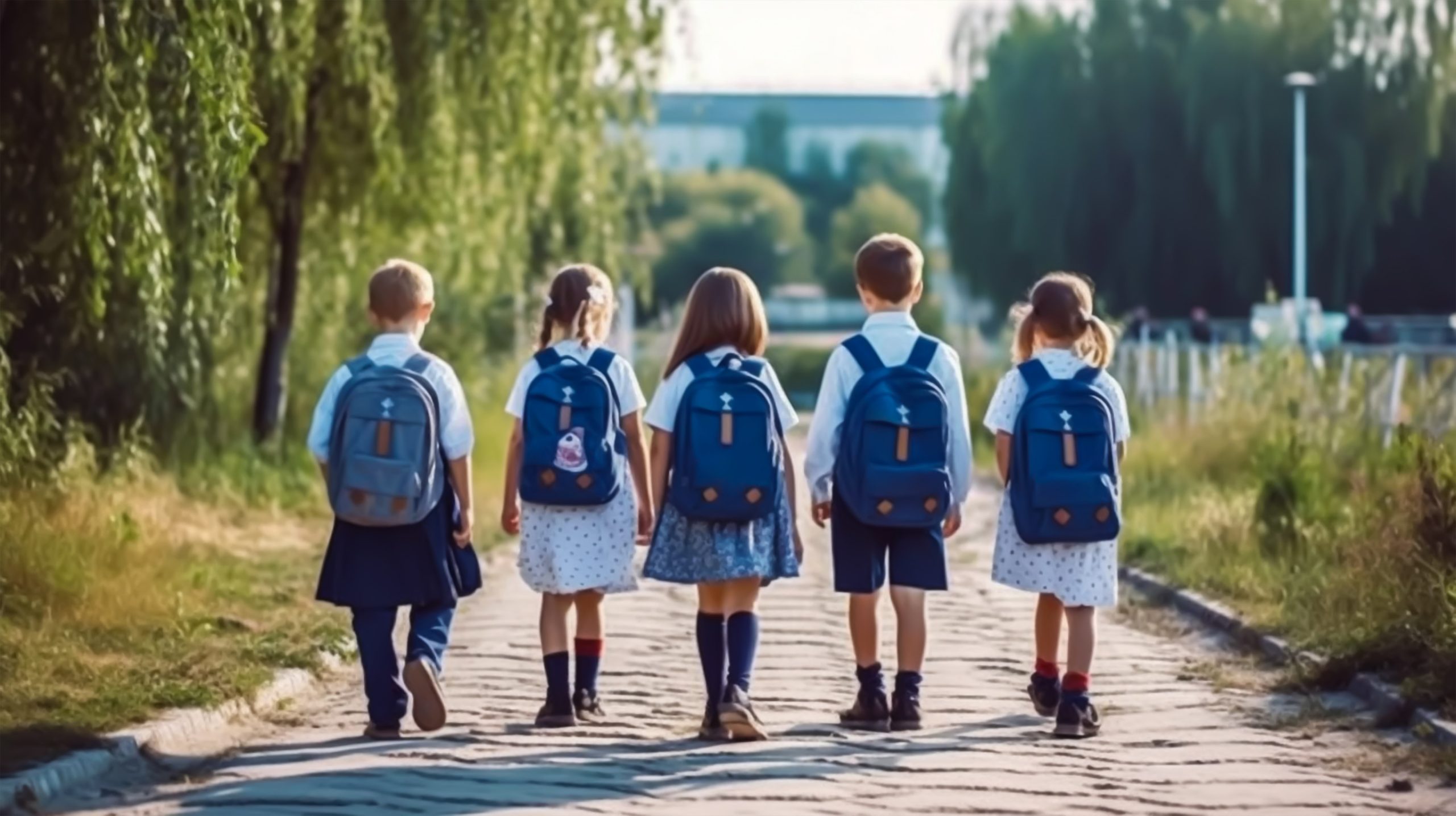
Parents often assume that rules about what children can wear only become an issue in middle or high school. Yet, increasingly, families are noticing that even the youngest students are being impacted by clothing policies. Questions about fairness, bias, and outdated thinking are surfacing in kindergarten classrooms, sparking debates about whether school dress codes unintentionally discriminate against certain groups. For parents who want their children treated equally from the start, understanding these hidden issues is more important than ever.
1. Gender-Based Clothing Restrictions
One of the most persistent problems with school dress codes is that they often set different standards for boys and girls. In some schools, girls are told to avoid clothing like tank tops or leggings, while boys rarely face restrictions of the same kind. Even in kindergarten, these rules can send messages about how children should look or behave based on gender. Such distinctions can reinforce stereotypes before children even learn to read. The reality is that school dress codes can unintentionally create unequal expectations at the earliest ages.
2. Cultural and Religious Clothing Challenges
Another area where school dress codes may discriminate is in how they address cultural or religious attire. Items like headscarves, turbans, or traditional patterns are sometimes restricted, leaving children and families feeling excluded. Even young students in kindergarten may be told their clothing does not meet “uniform standards,” despite it being tied to their identity. These rules can place unnecessary pressure on families to choose between faith and compliance. Instead of fostering inclusivity, restrictive policies can alienate children who deserve to feel accepted.
3. Socioeconomic Barriers to Compliance
Many schools require uniforms or strict clothing guidelines that can be expensive to follow. Families with limited budgets may struggle to buy multiple sets of approved clothing, especially when young children grow so quickly. In kindergarten, this often means parents must sacrifice elsewhere to keep up with the rules. Children may be disciplined for showing up in the wrong shoes or shirt, even though the issue is financial rather than behavioral. This makes socioeconomic bias one of the overlooked ways school dress codes discriminate.
4. Disciplinary Action for Minor Violations
Kindergarteners are just beginning to learn routines and rules, yet some schools enforce dress codes with surprising severity. A child might face warnings or be pulled out of class for wearing a shirt with the wrong color collar. This level of discipline can interrupt learning and create embarrassment over something trivial. When these rules are disproportionately applied to certain groups, the discrimination becomes even clearer. It raises concerns about whether school dress codes promote fairness or simply punish children unnecessarily.
5. Impact on Self-Esteem and Expression
Clothing is one of the first ways children express themselves, even at the kindergarten level. Strict dress codes that limit colors, styles, or accessories may discourage individuality and creativity. Some children may internalize the idea that their personal choices are wrong or inappropriate. This can harm self-esteem, particularly when rules seem unfairly targeted toward specific groups. School dress codes may seem small, but they can have long-term effects on a child’s confidence and sense of belonging.
6. The Uneven Enforcement Problem
One of the most frustrating aspects for parents is how inconsistently school dress codes are enforced. Two kindergarteners wearing nearly identical outfits may face different outcomes depending on who is monitoring the rule. Subjective enforcement can lead to bias, whether intentional or not, and often affects marginalized students more severely. This inconsistency undermines trust between families and schools. It also shows that school dress codes are not just about clothing but about the power to decide who fits in and who does not.
7. Moving Toward Inclusive Policies
The growing awareness of these issues is pushing some schools to revisit their policies. Inclusive dress codes prioritize comfort, cultural respect, and practicality over rigid rules. For kindergarteners, this often means allowing greater flexibility while still keeping clothing safe and appropriate for learning. Parents and educators who advocate for change are helping ensure that children are not unfairly judged based on what they wear. Updating school dress codes is one step toward creating truly equitable classrooms.
Rethinking What Really Matters in Kindergarten
At the heart of the debate, families must ask: what do school dress codes accomplish, and at what cost? Rules that create stress, exclude cultures, or reinforce inequality distract from the real purpose of kindergarten, which is learning and growth. A child’s clothing should not dictate how they are treated, especially during their earliest years of education. By rethinking dress codes, communities can create classrooms where every child feels welcome and valued. Equality in education begins with fairness in even the smallest details.
Do you think school dress codes should be reformed to better serve young children, or do they still play an important role? Share your thoughts in the comments below!
What to Read Next…
8 School Rules That Should’ve Changed Decades Ago
Here’s Why School Supplies Continue to Cost More and More Every Year
12 Reasons Why Your Kids are Behind Academically
10 Surprising Facts About How Much School Uniforms Really Cost
7 Reasons You Shouldn’t Waste Money on Private Schools

Catherine is a tech-savvy writer who has focused on the personal finance space for more than eight years. She has a Bachelor’s in Information Technology and enjoys showcasing how tech can simplify everyday personal finance tasks like budgeting, spending tracking, and planning for the future. Additionally, she’s explored the ins and outs of the world of side hustles and loves to share what she’s learned along the way. When she’s not working, you can find her relaxing at home in the Pacific Northwest with her two cats or enjoying a cup of coffee at her neighborhood cafe.
Read More

With my return to work fast approaching, my quest in choosing daycare for baby girl…

Did you enjoy watching Reading Rainbow as a kid? Turns out, the popular educational show…

Image Source: Unsplash Bedwetting can feel like a parenting plot twist no one warned you…

Summer is full of opportunities for fun, growth, and independence—but not every option is as…

So -- there I was minding my own business, when all of a sudden I…


Cash rewards for purchases are underrated when they should be recognized as smart money savers.…


Leave a Reply