
• Home
  • About Us
  • Toolkit
  • Archives
  • Advertise
  • Privacy Policy

Kids Ain't Cheap

But They Sure Are Worth It

  • Parenting
    • Baby Stuff
    • Books and Reading
      • Aesops Fables
      • Comic Books
    • Education
    • Family Time
    • Green Living
    • Growing Up
    • Healthy Living & Eating
    • Holidays
    • Parenting
    • Random Musings
    • Shopping
    • Stuff to Do
  • Money
  • Product Reviews
    • Books and Magazines
    • Discount Sites
    • Furniture
    • House Keeping
    • Reviews News
    • Toys and Games
  • Contact Us
  • Our Editorial Commitment
  • Search

These 10 Crazy Cool Toys in the 70’s

June 12, 2024 | Leave a Comment

Canva

In the 1970s, the toy industry witnessed a revolution, introducing a plethora of innovative and imaginative toys that captured the hearts and minds of children worldwide. This decade, characterized by its vibrant creativity and cultural shifts, gave rise to an array of iconic playthings that not only entertained but also shaped the childhoods of countless individuals. From groundbreaking electronic games to beloved action figures, these toys became cultural phenomena, leaving an indelible mark on an entire generation. As we take a nostalgic trip down memory lane, we’ll explore ten iconic toys from that era, each one evoking fond memories and a sense of wonder that still resonates today. Whether you were a child of the ’70s or simply an admirer of vintage treasures, these timeless toys offer a glimpse into a bygone era of endless imagination and joy.

1. Stretch Armstrong
Wikimedia Commons

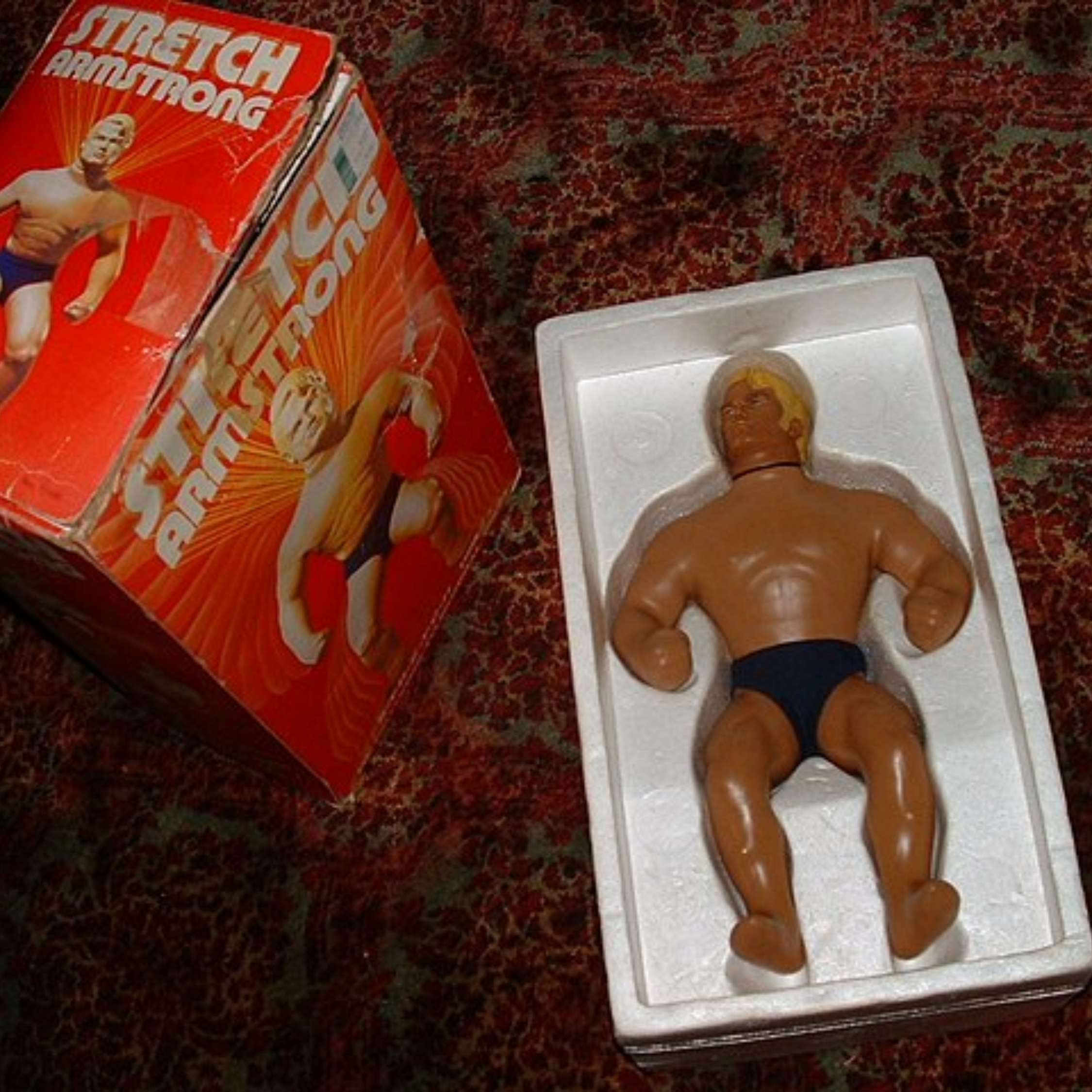
Stretch Armstrong was the epitome of cool in the 70s. This gel-filled action figure could be stretched, pulled, and twisted in all sorts of ways, providing endless entertainment. With his muscular physique and stretchy limbs, he became a favorite among kids who loved to see how far they could stretch him without breaking.

2. Pet Rock

Wikimedia Commons

The Pet Rock craze swept the nation in the mid-70s, proving that sometimes the simplest ideas are the most successful. Each Pet Rock came in a cardboard box complete with breathing holes and a tongue-in-cheek instruction manual. Despite its simplicity, the Pet Rock became a cultural phenomenon, showcasing the power of clever marketing and whimsical novelty.

3. Lite-Brite
Wikimedia Commons

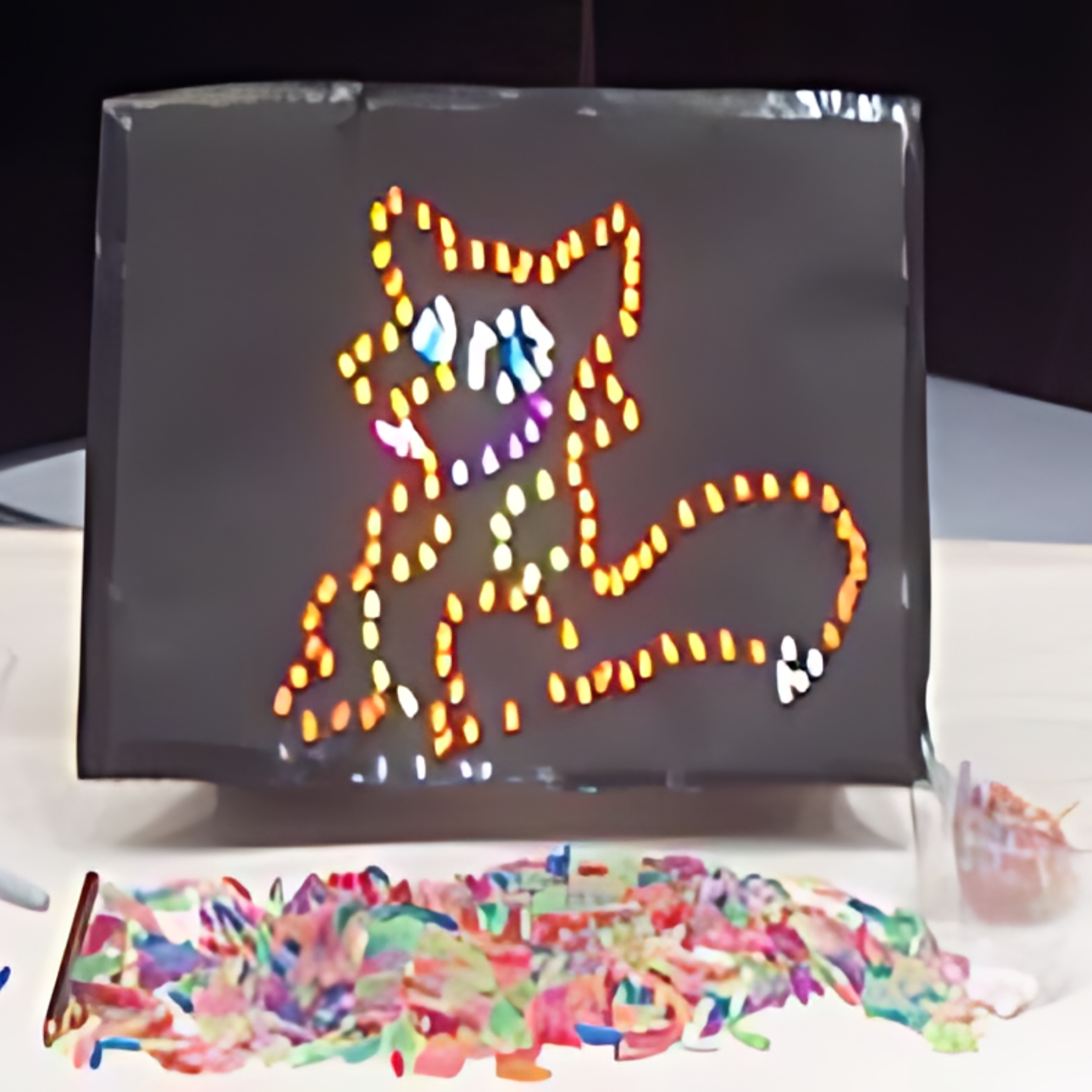
Lite-Brite illuminated countless childhoods in the 70s with its magical combination of art and technology. Children could create colorful designs by placing translucent pegs into a backlit board, resulting in mesmerizing light-up creations. It fostered creativity and imagination, allowing kids to express themselves in a unique and visually stunning way.

4. Evel Knievel Stunt Cycle
Wikimedia Commons

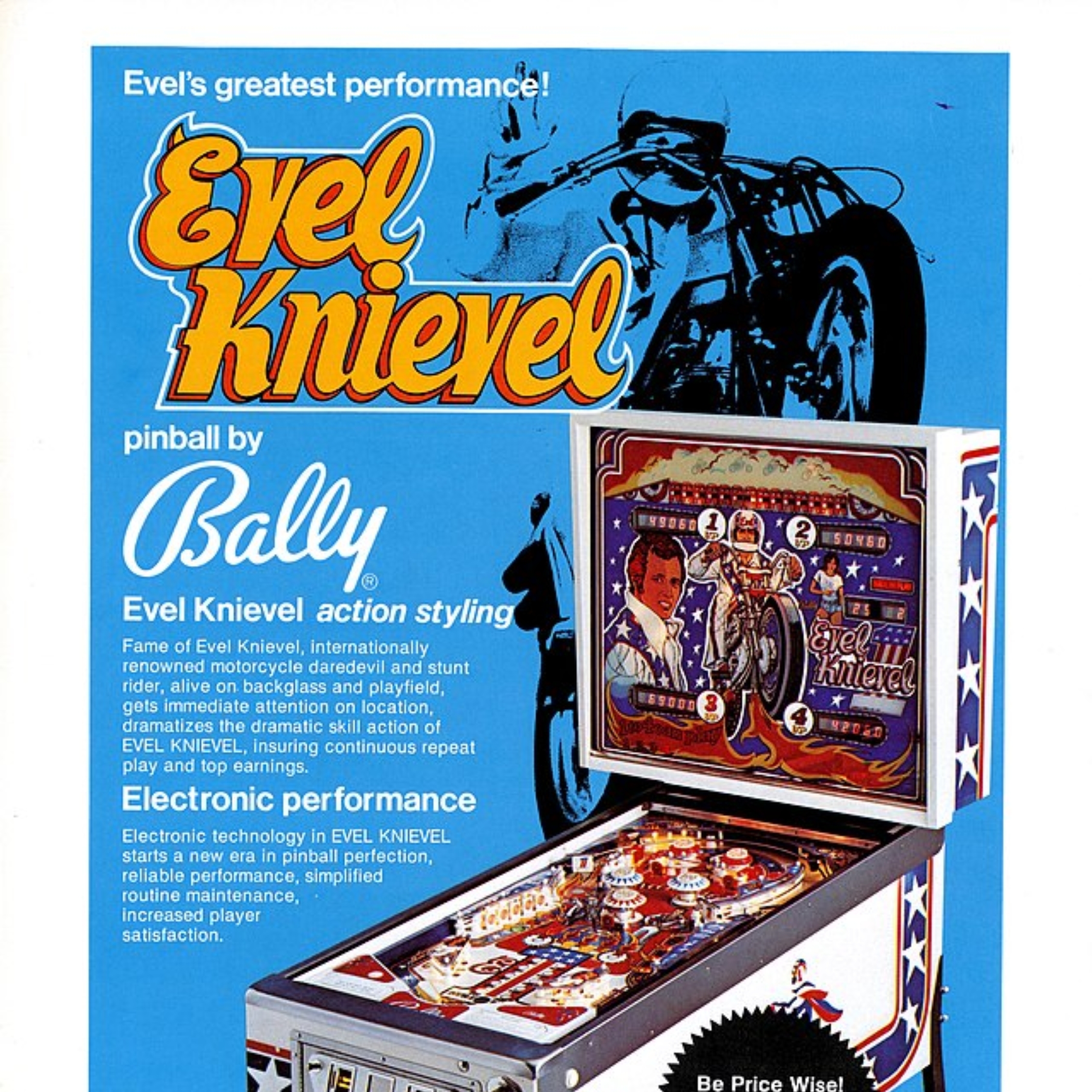
The Evel Knievel Stunt Cycle allowed kids to recreate the daredevil feats of the legendary motorcycle stuntman. With a wind-up launcher, kids could send Evel Knievel soaring through the air, performing death-defying jumps and stunts. It captured the excitement and thrill of Evel Knievel’s real-life performances, inspiring a generation of aspiring stunt performers.

5. Simon
Wikimedia Commons

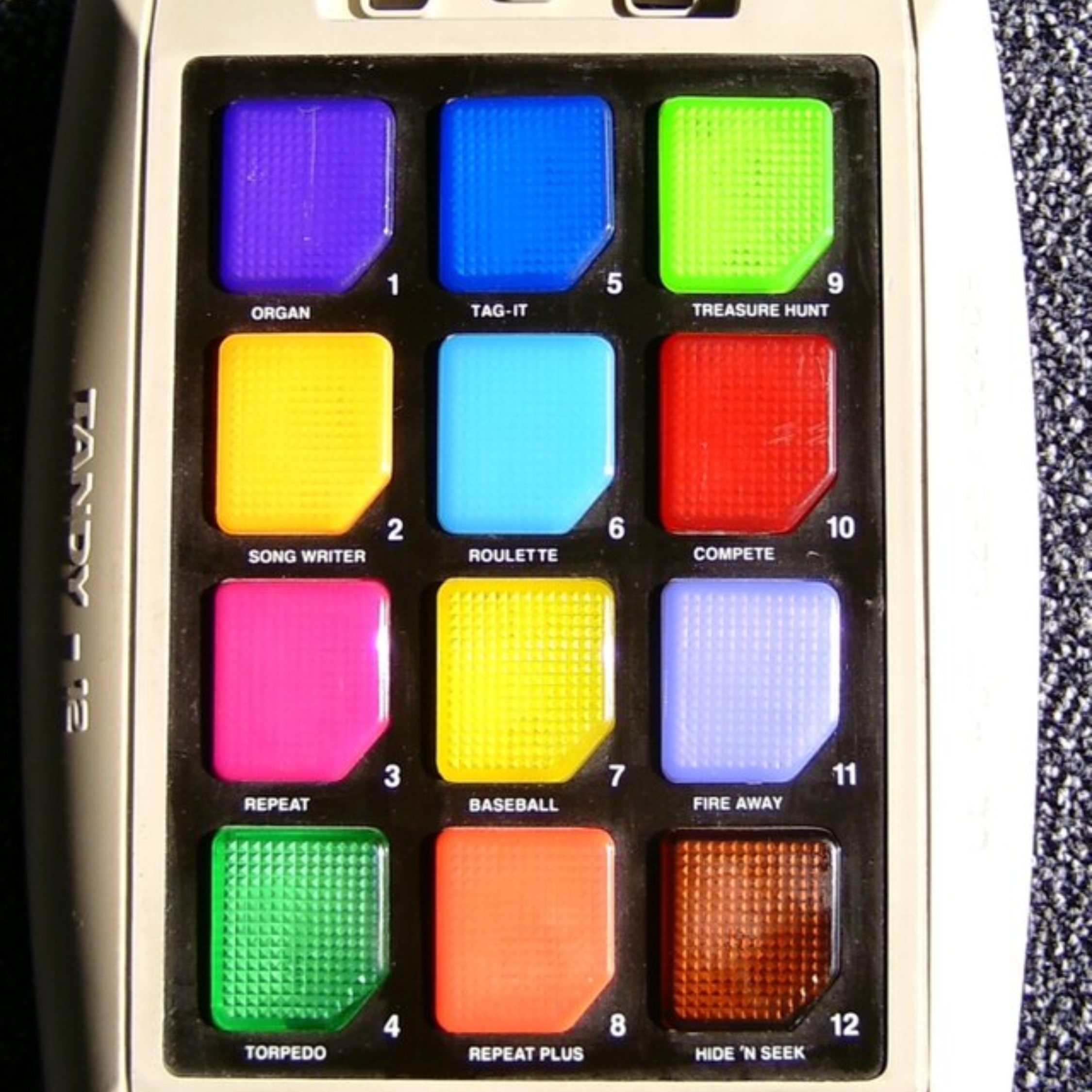
Simon was the brainchild of Ralph Baer and Howard J. Morrison, offering a futuristic twist on the classic memory game. With its four colored buttons and electronic sounds, Simon challenged players to repeat increasingly complex sequences of lights and sounds. It was not only a test of memory but also of concentration and reflexes, providing hours of addictive gameplay.

6. Shrinky Dinks

Wikimedia Commons

Shrinky Dinks allowed children to unleash their creativity by shrinking plastic sheets into miniature works of art. Kids could color pre-printed designs or create their own masterpieces before watching them shrink in the oven. The magic of seeing their creations shrink and harden into durable plastic charms or ornaments was truly captivating.

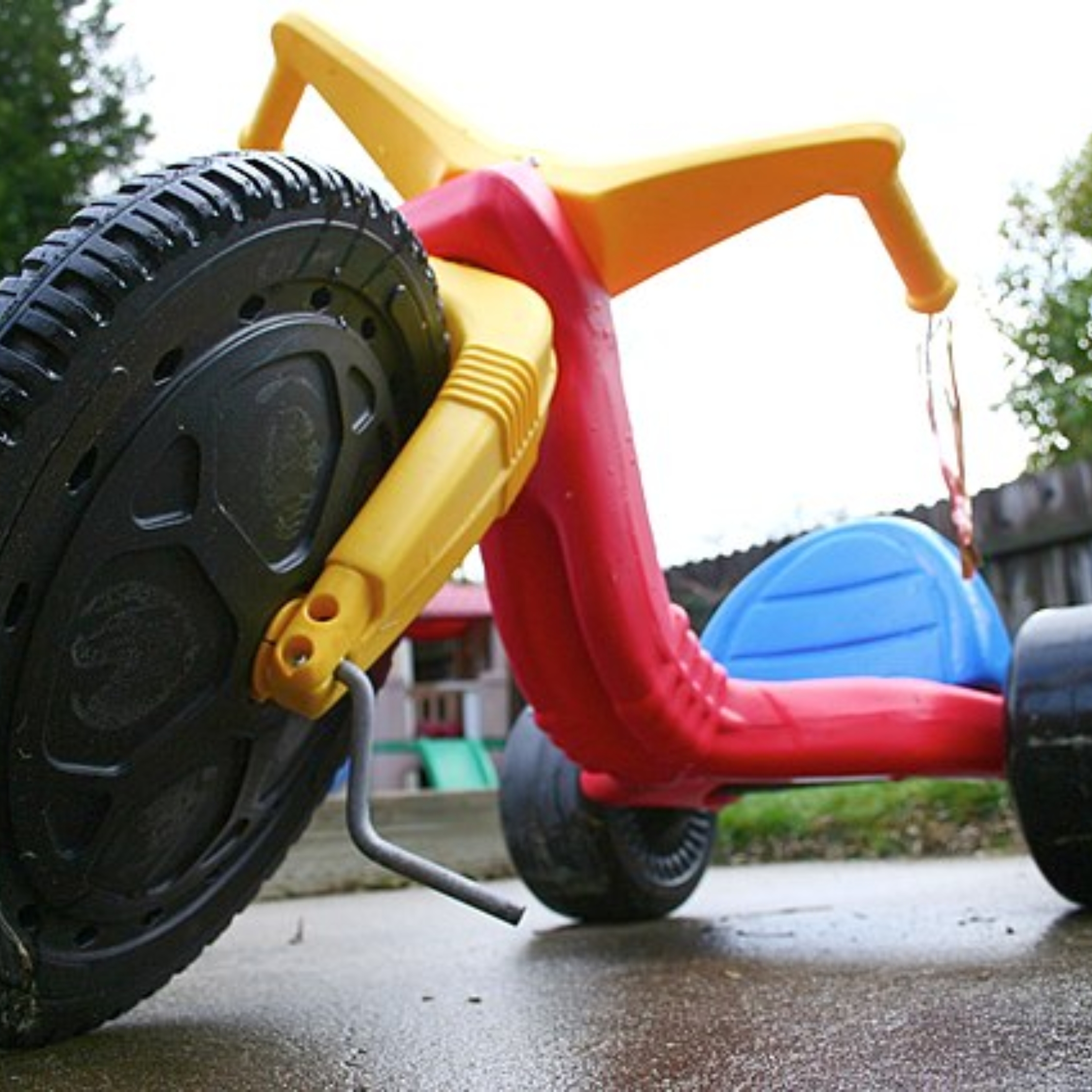
7. Big Wheel
Wikimedia Commons

The Big Wheel was the ultimate ride-on toy for kids in the 70s, offering a low-riding, trike-style design that provided both speed and stability. With its oversized front wheel and adjustable seat, kids could race around the neighborhood with ease, feeling like kings and queens of the sidewalk. Its iconic design and durability made it a staple of childhood play for generations.

8. Rubik’s Cube

Canva

Rubik’s Cube took the world by storm in the late 70s, challenging puzzle enthusiasts with its deceptively simple yet fiendishly difficult design. The goal of aligning each side of the cube with a single color seemed straightforward enough, but the combination of twists and turns required to solve it proved to be a formidable mental challenge. Despite its difficulty, millions of people became obsessed with solving the Rubik’s Cube, turning it into a cultural icon.

9. Weebles

Canva

Weebles wobbled but they didn’t fall down, captivating children with their quirky and resilient design. Shaped like eggs with weighted bottoms, Weebles could wobble and rock without ever tipping over, providing endless amusement. With their cheerful faces and bright colors, Weebles became beloved playmates for kids across the globe.

10. Hot Wheels

Canva

Hot Wheels revolutionized the toy car industry in the 70s with its sleek designs and innovative features. These die-cast metal cars offered unparalleled speed and performance, racing down tracks and performing gravity-defying stunts. With a vast array of models to collect and customize, Hot Wheels fueled the imaginations of children and sparked a lifelong passion for cars and racing.

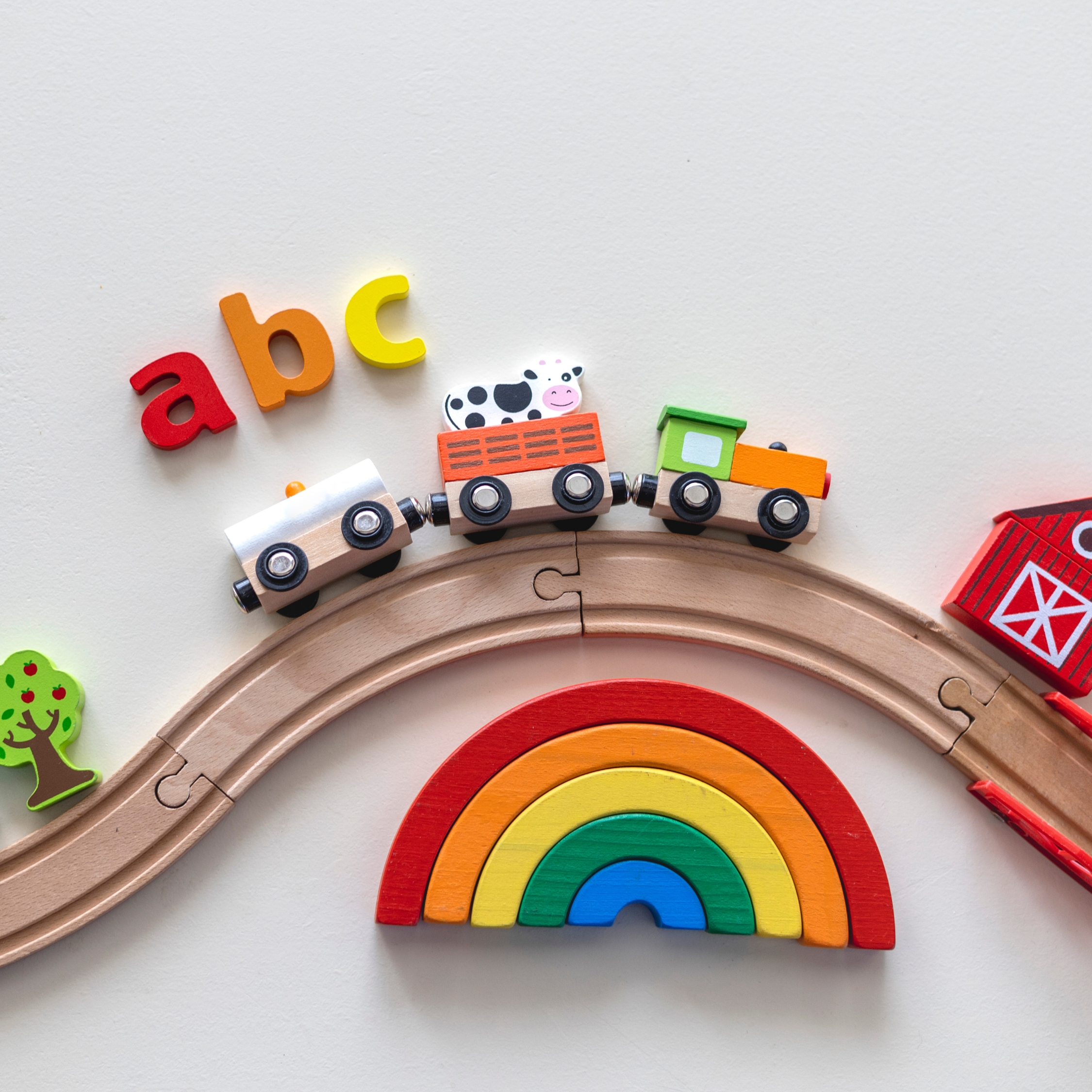
Toys of the 70’s
Canva

The toys of the 70s were more than just playthings—they were gateways to adventure, creativity, and endless hours of fun. Whether it was stretching Stretch Armstrong, solving Rubik’s Cube, or racing Hot Wheels, these toys left an indelible mark on the memories of those who grew up with them. As we look back on these iconic toys, let’s celebrate the joy and wonder they brought into our lives.

Click on the links to explore modern twists on these classic toys and relive the magic of the 70s!

Ashleigh Clyde
Ashleigh Clyde

Ashleigh Clyde is a dedicated youth advocate, journalist, and researcher. Passionate about shedding light on important issues, such as financial literacy and marketing tactics. She has extensive experience in entertainment journalism.

Filed Under: Shopping Tagged With: 70's, Amazon, Hot Wheels, Shrinky Dinks, Simon, Stretch Armstrong, Toys

  • Facebook
  • Pinterest
  • RSS
  • Twitter

Basic Principles Of Good Parenting

Here some basic principles for good parenting:

  1. What You Do Matters: Your kids are watching you. So, be purposeful about what you want to accomplish.
  2. You Can’t be Too Loving: Don’t replace love with material possessions, lowered expectations or leniency.
  3. Be Involved Your Kids Life: Arrange your priorities to focus on what your kid’s needs. Be there mentally and physically.
  4. Adapt Your Parenting: Children grow quickly, so keep pace with your child’s development.
  5. Establish and Set Rules: The rules you set for children will establish the rules they set for themselves later.  Avoid harsh discipline and be consistent.
  6. Explain Your Decisions: What is obvious to you may not be evident to your child. They don’t have the experience you do.
  7. Be Respectful To Your Child: How you treat your child is how they will treat others.  Be polite, respectful and make an effort to pay attention.
Best Parenting Blogs

Most Popular

11 Ways Kids Are Outsmarting Parental Controls 1. Using Alternate Devices One common trick is simply turning to another device. If a child’s main phone or tablet is restricted, they may borrow a sibling’s, friend’s, or even a school laptop. This instantly gives them access to content outside of parental oversight. Parents often focus on one device, forgetting that others in the household can serve as loopholes. Knowing this tactic helps families tighten controls across all electronics. 2. Clearing Browsing Histories Many kids quickly learn that clearing browsing history hides evidence of restricted activity. With just a few clicks, they can erase any trace of websites visited. This makes it harder for parents to notice when rules are being broken. Parents may assume no history means no browsing, but the reality is often the opposite. Kids are outsmarting parental controls by making it seem like nothing happened at all. 3. Using Private Browsing Modes Most browsers offer “incognito” or private browsing features. Kids use this mode to access websites without leaving a record in the history. To parents checking later, everything looks clean and safe. This simple trick is often one of the first ways kids discover how to bypass restrictions. Conversations about private browsing can help close this gap. 4. Guessing or Resetting Passwords Children who are persistent may try to guess passwords to parental control apps or accounts. Others may find ways to reset them through email prompts or security questions. Once inside, they can disable restrictions entirely. Parents may not even realize controls have been altered until much later. Stronger, less predictable passwords can make this more difficult. 5. Using VPNs to Hide Activity Virtual private networks, or VPNs, let kids disguise their online locations. With one downloaded app, they can bypass geographic or parental restrictions. Some children learn about VPNs through friends or even social media. This makes it easy for them to reach content that should be blocked. Parents often underestimate just how simple it is for kids to use these tools. 6. Creating Fake Accounts When parents monitor social media, kids may create hidden accounts. These “finstas” or fake profiles allow them to interact freely without parental oversight. While their main account appears harmless, the secondary one tells a different story. Kids are outsmarting parental controls by playing both sides at once. Checking for duplicate accounts can help parents stay more aware. 7. Exploiting Time Zone Settings Some kids change the time zone on their devices to bypass screen time limits. This trick allows them to gain extra hours of usage undetected. Parents may assume controls are working, but in reality, the child is bending the clock. It’s a clever loophole that highlights just how resourceful kids can be. Monitoring device settings regularly can catch this tactic. 8. Disabling or Uninstalling Apps Parental control apps can be deleted or disabled with surprising ease. Some kids even reinstall them before a parent checks, making it seem like nothing changed. Others may simply restrict permissions to prevent apps from functioning properly. When apps aren’t monitored closely, parents may not notice they’ve been tampered with. This shows the importance of consistent follow-up. 9. Turning to Friends for Access If a child can’t get past restrictions on their own, they may rely on friends. Visiting a friend’s house or borrowing their phone can give them a free pass. Parents often forget that peer environments can override restrictions set at home. This kind of social workaround is especially common with gaming or social media. Open conversations about trust and responsibility are essential. 10. Hiding Apps in Plain Sight Kids sometimes download apps that look innocent but serve as gateways to hidden activity. These apps may disguise themselves as calculators or utilities. In reality, they allow file storage, private messaging, or browser access. Parents glancing at a home screen may overlook them entirely. Learning to recognize these disguised apps can help parents stay informed. 11. Outpacing Parents’ Tech Knowledge Finally, kids often know more about devices than their parents do. Whether through YouTube tutorials, TikTok hacks, or peer groups, they quickly learn advanced workarounds. This knowledge gap means controls can be bypassed before parents even realize the loophole exists. Staying informed and continually learning about new technology is the best defense. Kids are outsmarting parental controls because they adapt faster than most adults. The Real Solution Lies Beyond Restrictions While controls and filters are important, no system is perfect. Kids will always find creative ways around barriers, making communication the strongest safeguard. Setting clear expectations, building trust, and having ongoing conversations about online behavior matter more than apps alone. Parents who combine technology with open dialogue create a safer digital environment. The goal isn’t to win a battle of wits but to build a relationship that keeps kids both safe and honest. Do you think kids are outsmarting parental controls faster than parents can keep up? Share your experiences in the comments below. What to Read Next... 6 Parenting Tech Shortcuts That Can Expose Your Child to Strangers How Much Screen Time Is Too Much—Legally Speaking? Is Your Child’s School Quietly Tracking Their Location Without Your Consent? How Much Screen Time Is Quietly Reshaping Childhood Behavior? Why Some Parents Are Being Investigated Over Homeschooling Records

11 Ways Kids Are Outsmarting Parental Controls

Catherine Reed
Smiling grandfather holding a happy baby indoors.

Why Grandparents Shouldn’t Babysit Their Grandkids Every Week – The Unspoken Issue

Samantha
Girl getting makeup done, referencing psychologist-approved age.

Wearing Makeup: Here Is the Age That Psychologists Agree It’s Okay for Girls to Wear Makeup

Samantha
birthday gifts

7 Birthday Gifts Your Child Should Never Bring to a Party

Latrice Perez

Babysitting Without Cash: 10 Ways to Barter Your Way Out of Childcare Costs

Ashleigh Clyde

All content on Kids Ain’t Cheap is for entertainment purposes only. By reading this blog, you agree that Kids Ain’t Cheap is not responsible for any actions taken after reading this blog. For the full disclaimer, see our privacy policy.

Please note that Kids Ain’t Cheap has financial relationships with some of the merchants mentioned here. Kids Ain’t Cheap is funded by banner advertising, commission sales and search optimization consulting.

Copyright © 2006–2026 | District Media | All Rights Reserved | Privacy Policy

Copyright © 2026 Runway Pro Theme by Viva la Violette