
• Home
  • About Us
  • Toolkit
  • Archives
  • Advertise
  • Privacy Policy

Kids Ain't Cheap

But They Sure Are Worth It

  • Parenting
    • Baby Stuff
    • Books and Reading
      • Aesops Fables
      • Comic Books
    • Education
    • Family Time
    • Green Living
    • Growing Up
    • Healthy Living & Eating
    • Holidays
    • Parenting
    • Random Musings
    • Shopping
    • Stuff to Do
  • Money
  • Product Reviews
    • Books and Magazines
    • Discount Sites
    • Furniture
    • House Keeping
    • Reviews News
    • Toys and Games
  • Contact Us
  • Our Editorial Commitment
  • Search

Parents Confess the Baby Gear They’d Never Buy Again

April 13, 2026 | Leave a Comment

Baby
Image Source: Pexels

Bringing home a new baby often comes with a long shopping list filled with must-have gear, but not every purchase lives up to the hype. Many parents quickly discover that some items gather dust, while others simply don’t justify their price tag. From bulky gadgets to overly complicated contraptions, these regrets are surprisingly common. Learning from other parents’ experiences can save you both money and frustration. Here are some of the most commonly regretted baby gear purchases—and what to consider instead.

Bulky Travel Systems That Are Hard to Maneuver

Many parents admit they were drawn to travel systems because they promise convenience in one package. However, once used in real life, these systems can feel heavy, awkward, and difficult to fold. Navigating tight spaces like stores or sidewalks often becomes more stressful than helpful. Parents also find that babies outgrow the infant car seat component faster than expected. A lightweight stroller paired with a separate car seat often ends up being a more practical and flexible solution.

Fancy Bottle Warmers That Take Too Long

Bottle warmers sound like a lifesaver, especially during late-night feedings when time feels critical. In reality, many parents say these devices are slow and inconsistent, which can lead to frustrated babies. Some models are also difficult to clean, adding unnecessary hassle to an already busy routine. Many parents report switching to simpler methods like warm water baths. In hindsight, they wish they had skipped the extra gadget altogether.

Wipe Warmers That Dry Out Wipes

At first glance, wipe warmers seem like a thoughtful way to keep babies comfortable during diaper changes. However, many parents quickly notice that wipes tend to dry out faster inside these devices. Constant refilling and maintenance become more of a chore than a benefit. Babies also adapt quickly to room-temperature wipes, making the warmer less necessary. For most families, this purchase ends up feeling more like a luxury than a necessity.

Too Many Newborn Clothes in Tiny Sizes

It’s easy to get carried away buying adorable newborn outfits, especially before the baby arrives. Unfortunately, babies grow incredibly fast, sometimes skipping sizes altogether. Many parents find that their baby only wears certain outfits once—or not at all. Laundry cycles also make it possible to rotate a smaller wardrobe efficiently. Investing in fewer, versatile pieces often proves to be the smarter choice.

Expensive Baby Shoes Before Walking

Tiny baby shoes may look cute, but they serve little practical purpose before a baby starts walking. Parents often realize that socks or booties are more comfortable and easier to manage. Shoes can be difficult to put on and tend to fall off frequently. Many babies also dislike wearing them, leading to unnecessary fuss. Waiting until your child is ready to walk ensures you get real value from your purchase.

High-Tech Baby Monitors With Too Many Features

Advanced baby monitors with apps, tracking tools, and extra sensors can seem reassuring at first. However, parents often find themselves overwhelmed by constant notifications and unnecessary data. Some features create anxiety rather than peace of mind, especially when readings are inconsistent. Simpler audio or video monitors often provide everything parents actually need. In many cases, less technology leads to a calmer parenting experience.

Oversized Diaper Bags That Become Cluttered

Large diaper bags promise to hold everything you might need for your baby. In practice, they often encourage overpacking, making them heavy and difficult to carry. Parents frequently mention digging through clutter just to find essentials. Over time, many switch to smaller, more organized bags. A streamlined approach helps keep outings simple and stress-free.

Baby Food Makers That Are Rarely Used

Baby food makers appeal to parents who want to prepare fresh meals at home. While the idea is appealing, many find the process time-consuming and unnecessary. Store-bought options or simple mashing techniques often work just as well. Cleaning these machines can also be tedious, adding to the frustration. For many families, this gadget ends up sitting unused in the kitchen.

Crib Bumpers That Aren’t Recommended

Crib bumpers were once popular for their aesthetic and perceived safety benefits. However, many parents later learn that they are not recommended due to safety concerns. This realization often leads to regret over spending money on something they won’t use. Modern guidelines emphasize a clear crib with minimal items. Following these recommendations helps ensure a safer sleep environment for babies.

Too Many Baby Gadgets That Promise Convenience

From automatic rockers to specialized sleep devices, the market is filled with products promising to make parenting easier. Parents often find that not all gadgets deliver on these promises. Some items are used briefly before being replaced or abandoned. Simplicity often proves more effective than relying on multiple devices. Focusing on essentials can save both money and space in the long run.

Buy Smart, Not Just Popular

Parenting doesn’t come with a manual, and it’s natural to rely on recommendations when preparing for a baby. However, real-life experiences often reveal that less is more when it comes to baby gear. Prioritizing practicality, ease of use, and long-term value can help you avoid common regrets. Listening to other parents’ honest feedback can guide smarter purchasing decisions. In the end, the best choices are the ones that truly fit your lifestyle and your baby’s needs.

What’s one baby item you bought that you wish you had skipped—and what would you recommend instead? Share your experience in the comments and help other parents make smarter choices!

What to Read Next

3 Times Kids Asked Questions That Exposed Their Parents’ Bank Accounts

12 Things Kids Took to School in the ’70s That Would Never Be Allowed Today

Still Using These Kids’ Toothpastes? 5 Ingredients Experts Say to Watch Closely

Evan Morgan

Evan Morgan has been a full-time freelance writer and editor for 10+ years. When not working, he enjoys catching the latest true crime documentary or getting lost in a good book.
Filed Under: Parenting Tagged With: baby essentials, Baby Gear, baby products, baby registry, new parents, parenting advice, parenting tips

Why Savvy Moms Are Refusing to Buy These 7 Kid Essentials Brand New

March 14, 2026 | Leave a Comment

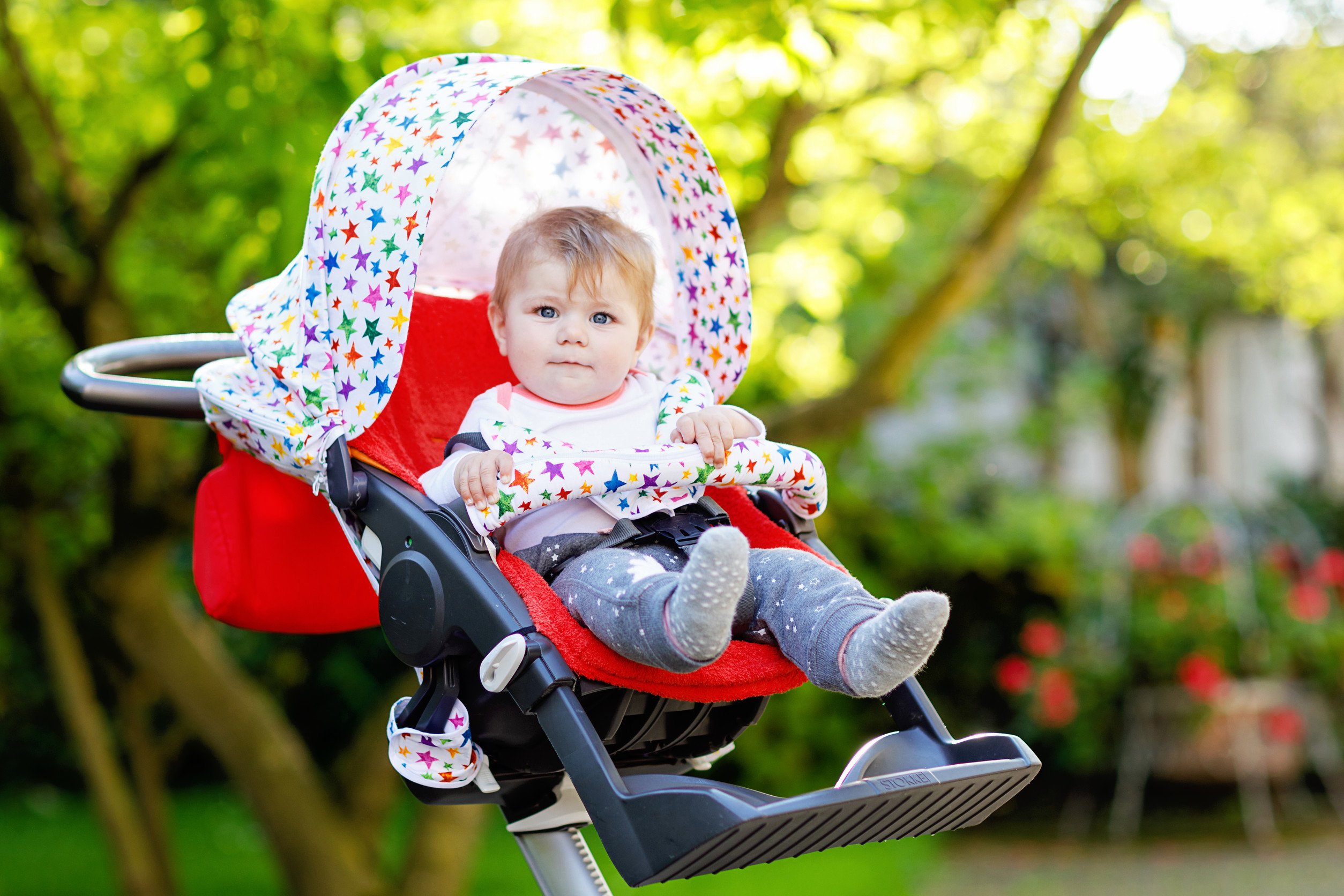
Cute healthy little beautiful baby girl sitting in the pram or stroller and waiting for mom. Happy smiling child with blue eyes. With green tree background. Baby daughter going for a walk with family.
Image Source: 123rf.com

When you walk into a high-end baby boutique, the scent of new plastic and organic cotton can feel like a rite of passage. It is easy to believe that spending a small fortune on a nursery is a direct reflection of your love. However, the retail industry spends billions on psychological marketing to convince you that love equals a high price tag. Savvy moms are finally waking up to the reality of depreciating assets. Most kid gear loses half its value the second you leave the store. We want to help you opt out of the consumerist cycle that drains your savings before your child even walks. Here is why buying these 7 kid essentials brand new is a financial trap.

1. The Stroller Depreciation Trap

High-end strollers are the luxury SUVs of the parenting world. You see them priced at over a thousand dollars in glossy magazines, often marketed with advanced suspension systems as a safety requirement. The truth is that many of these strollers end up in garage sales after only eighteen months. You can find top-tier brands like UPPAbaby or Bugaboo on marketplaces for a fraction of the cost. According to Consumer Reports, many used strollers remain perfectly safe if they lack damage or recalls. Buying used allows you to skip the massive initial markup. You can score high-end baby brands at consignment prices by knowing where to look.

2. Why Hardwood Nursery Furniture is a Sunk Cost

Surprisingly, that heirloom-quality crib is not a great financial investment. Most infants only use a crib for two years before moving to a toddler bed. The system of nursery decor relies on nesting instincts to drive emotional spending, like buying a dresser that matches the crib perfectly. Then, your toddler inevitably scratches the wood or spills juice on the finish. On the other hand, the secondary market is flooded with nursery sets from parents who need the space. You can often find solid wood pieces for eighty percent off the retail price. Focusing on a minimalist nursery approach ensures you only buy what you actually need.

3. The High Cost of Tiny Occasion Wear

Have you ever spent eighty dollars on a flower girl dress that your child wore for exactly four hours? Retailers love occasion wear because they know parents feel pressured to make memories look perfect. This clothing has almost no resale value once the season passes. You can find these items at consignment shops in pristine condition. Many of them still have the original tags because the previous child grew too fast. Opting for used formal wear doesn’t make the photos less special. It simply makes the bill easier to stomach while you save for the actual celebration.

4. High Chairs and the Cleaning Nightmare

Manufacturers design high chairs to look sleek and modern in your kitchen. However, after three meals, every high chair becomes a magnet for dried oatmeal and sticky juice. Buying a new high chair is often a waste of money because the materials are highly durable. Plastic and metal frames last through multiple children without losing any functionality. You can easily sanitize a used chair with basic household cleaners. According to the American Academy of Pediatrics, the main concern is the stability of the harness. If the straps work, a used chair is just as effective and saves you nearly a hundred dollars on average.

5. Why Activity Jumpers are Fleeting Phases

These large plastic contraptions take up a massive amount of floor space. Most babies only enjoy them for a window of about four months. Once they learn to crawl or walk, the jumper becomes a giant dust collector. The retail price for these items is often over sixty dollars, but you can find them at thrift stores for ten dollars. Most parents are desperate to get them out of their houses to reclaim their living room. Taking a used jumper off their hands is a win for everyone, as you get the gear for pennies.

6. Plastic Outdoor Toys and Playhouses

The sun is the enemy of expensive plastic playhouses. Within one summer, the bright colors fade and the material starts to weather. Buying these brand new is a mistake because they are built to withstand the elements anyway. A used playhouse functions exactly the same as a new one. You can find them on local community boards for free if you are willing to haul them away. Children do not care if the plastic is slightly faded. They only care about the imaginary world they build inside. Use that saved cash to build a college fund on a single income instead.

7. Specialized Training Gear and Sports Equipment

Kids change their minds about hobbies faster than they change their socks. You might buy brand new soccer cleats and pads only for your child to quit after two weeks. The sports industry relies on this churn of equipment to drive profits. You should always look for used sports gear during the first year of a new activity. Many league families trade equipment as kids grow. This ensures you aren’t stuck with expensive gear for a sport your child no longer plays. It is a smart way to support their interests without risking your 2026 budget.

Winning the Parenting Budget Battle

The goal of this investigation is to validate your choice to spend wisely. You are not a cheap parent for choosing used items. You are a savvy one who understands the hidden costs of retail marketing. Empowerment comes from realizing that your child needs your presence more than new plastic. By refusing to buy these 7 kid essentials brand new, you reclaim thousands of dollars. This money can fund family experiences that actually last a lifetime. You deserve to have financial peace while raising your family. It is time to treat your household budget with the authority it deserves. Which of these items have you successfully found used? Leave a comment below and share your best marketplace find with us.

What to Read Next…

  • 8 Once-Normal ’70s Kids Hobbies That Helicopter Parenting Quietly Killed
  • 5 Baby Products Pediatricians Warn Parents to Stop Using Early
  • Pediatricians Say Parents Are Overbuying These 4 Baby Items (And Skipping What Matters)
Latrice Perez

Latrice is a dedicated professional with a rich background in social work, complemented by an Associate Degree in the field. Her journey has been uniquely shaped by the rewarding experience of being a stay-at-home mom to her two children, aged 13 and 5. This role has not only been a testament to her commitment to family but has also provided her with invaluable life lessons and insights.  As a mother, Latrice has embraced the opportunity to educate her children on essential life skills, with a special focus on financial literacy.

Filed Under: Budgeting Tagged With: baby essentials, frugal living, marketplace finds, Money Saving Tips, parenting budget, savvy shopping, used baby gear

  • Facebook
  • Pinterest
  • RSS
  • Twitter

Basic Principles Of Good Parenting

Here some basic principles for good parenting:

  1. What You Do Matters: Your kids are watching you. So, be purposeful about what you want to accomplish.
  2. You Can’t be Too Loving: Don’t replace love with material possessions, lowered expectations or leniency.
  3. Be Involved Your Kids Life: Arrange your priorities to focus on what your kid’s needs. Be there mentally and physically.
  4. Adapt Your Parenting: Children grow quickly, so keep pace with your child’s development.
  5. Establish and Set Rules: The rules you set for children will establish the rules they set for themselves later.  Avoid harsh discipline and be consistent.
  6. Explain Your Decisions: What is obvious to you may not be evident to your child. They don’t have the experience you do.
  7. Be Respectful To Your Child: How you treat your child is how they will treat others.  Be polite, respectful and make an effort to pay attention.
Best Parenting Blogs

Most Popular

11 Ways Kids Are Outsmarting Parental Controls 1. Using Alternate Devices One common trick is simply turning to another device. If a child’s main phone or tablet is restricted, they may borrow a sibling’s, friend’s, or even a school laptop. This instantly gives them access to content outside of parental oversight. Parents often focus on one device, forgetting that others in the household can serve as loopholes. Knowing this tactic helps families tighten controls across all electronics. 2. Clearing Browsing Histories Many kids quickly learn that clearing browsing history hides evidence of restricted activity. With just a few clicks, they can erase any trace of websites visited. This makes it harder for parents to notice when rules are being broken. Parents may assume no history means no browsing, but the reality is often the opposite. Kids are outsmarting parental controls by making it seem like nothing happened at all. 3. Using Private Browsing Modes Most browsers offer “incognito” or private browsing features. Kids use this mode to access websites without leaving a record in the history. To parents checking later, everything looks clean and safe. This simple trick is often one of the first ways kids discover how to bypass restrictions. Conversations about private browsing can help close this gap. 4. Guessing or Resetting Passwords Children who are persistent may try to guess passwords to parental control apps or accounts. Others may find ways to reset them through email prompts or security questions. Once inside, they can disable restrictions entirely. Parents may not even realize controls have been altered until much later. Stronger, less predictable passwords can make this more difficult. 5. Using VPNs to Hide Activity Virtual private networks, or VPNs, let kids disguise their online locations. With one downloaded app, they can bypass geographic or parental restrictions. Some children learn about VPNs through friends or even social media. This makes it easy for them to reach content that should be blocked. Parents often underestimate just how simple it is for kids to use these tools. 6. Creating Fake Accounts When parents monitor social media, kids may create hidden accounts. These “finstas” or fake profiles allow them to interact freely without parental oversight. While their main account appears harmless, the secondary one tells a different story. Kids are outsmarting parental controls by playing both sides at once. Checking for duplicate accounts can help parents stay more aware. 7. Exploiting Time Zone Settings Some kids change the time zone on their devices to bypass screen time limits. This trick allows them to gain extra hours of usage undetected. Parents may assume controls are working, but in reality, the child is bending the clock. It’s a clever loophole that highlights just how resourceful kids can be. Monitoring device settings regularly can catch this tactic. 8. Disabling or Uninstalling Apps Parental control apps can be deleted or disabled with surprising ease. Some kids even reinstall them before a parent checks, making it seem like nothing changed. Others may simply restrict permissions to prevent apps from functioning properly. When apps aren’t monitored closely, parents may not notice they’ve been tampered with. This shows the importance of consistent follow-up. 9. Turning to Friends for Access If a child can’t get past restrictions on their own, they may rely on friends. Visiting a friend’s house or borrowing their phone can give them a free pass. Parents often forget that peer environments can override restrictions set at home. This kind of social workaround is especially common with gaming or social media. Open conversations about trust and responsibility are essential. 10. Hiding Apps in Plain Sight Kids sometimes download apps that look innocent but serve as gateways to hidden activity. These apps may disguise themselves as calculators or utilities. In reality, they allow file storage, private messaging, or browser access. Parents glancing at a home screen may overlook them entirely. Learning to recognize these disguised apps can help parents stay informed. 11. Outpacing Parents’ Tech Knowledge Finally, kids often know more about devices than their parents do. Whether through YouTube tutorials, TikTok hacks, or peer groups, they quickly learn advanced workarounds. This knowledge gap means controls can be bypassed before parents even realize the loophole exists. Staying informed and continually learning about new technology is the best defense. Kids are outsmarting parental controls because they adapt faster than most adults. The Real Solution Lies Beyond Restrictions While controls and filters are important, no system is perfect. Kids will always find creative ways around barriers, making communication the strongest safeguard. Setting clear expectations, building trust, and having ongoing conversations about online behavior matter more than apps alone. Parents who combine technology with open dialogue create a safer digital environment. The goal isn’t to win a battle of wits but to build a relationship that keeps kids both safe and honest. Do you think kids are outsmarting parental controls faster than parents can keep up? Share your experiences in the comments below. What to Read Next... 6 Parenting Tech Shortcuts That Can Expose Your Child to Strangers How Much Screen Time Is Too Much—Legally Speaking? Is Your Child’s School Quietly Tracking Their Location Without Your Consent? How Much Screen Time Is Quietly Reshaping Childhood Behavior? Why Some Parents Are Being Investigated Over Homeschooling Records

11 Ways Kids Are Outsmarting Parental Controls

Catherine Reed
Smiling grandfather holding a happy baby indoors.

Why Grandparents Shouldn’t Babysit Their Grandkids Every Week – The Unspoken Issue

Samantha
Girl getting makeup done, referencing psychologist-approved age.

Wearing Makeup: Here Is the Age That Psychologists Agree It’s Okay for Girls to Wear Makeup

Samantha
birthday gifts

7 Birthday Gifts Your Child Should Never Bring to a Party

Latrice Perez

Babysitting Without Cash: 10 Ways to Barter Your Way Out of Childcare Costs

Ashleigh Clyde

All content on Kids Ain’t Cheap is for entertainment purposes only. By reading this blog, you agree that Kids Ain’t Cheap is not responsible for any actions taken after reading this blog. For the full disclaimer, see our privacy policy.

Please note that Kids Ain’t Cheap has financial relationships with some of the merchants mentioned here. Kids Ain’t Cheap is funded by banner advertising, commission sales and search optimization consulting.

Copyright © 2006–2026 | District Media | All Rights Reserved | Privacy Policy

Copyright © 2026 Runway Pro Theme by Viva la Violette