• Home
  • About Us
  • Toolkit
  • Archives
  • Advertise
  • Privacy Policy

Kids Ain't Cheap

But They Sure Are Worth It

  • Parenting
    • Baby Stuff
    • Books and Reading
      • Aesops Fables
      • Comic Books
    • Education
    • Family Time
    • Green Living
    • Growing Up
    • Healthy Living & Eating
    • Holidays
    • Parenting
    • Random Musings
    • Shopping
    • Stuff to Do
  • Money
  • Product Reviews
    • Books and Magazines
    • Discount Sites
    • Furniture
    • House Keeping
    • Reviews News
    • Toys and Games
  • Contact Us
  • Our Editorial Commitment
  • Search

What Does a Baby Actually Cost in the First 12 Months?

October 1, 2026 | Leave a Comment

Baby
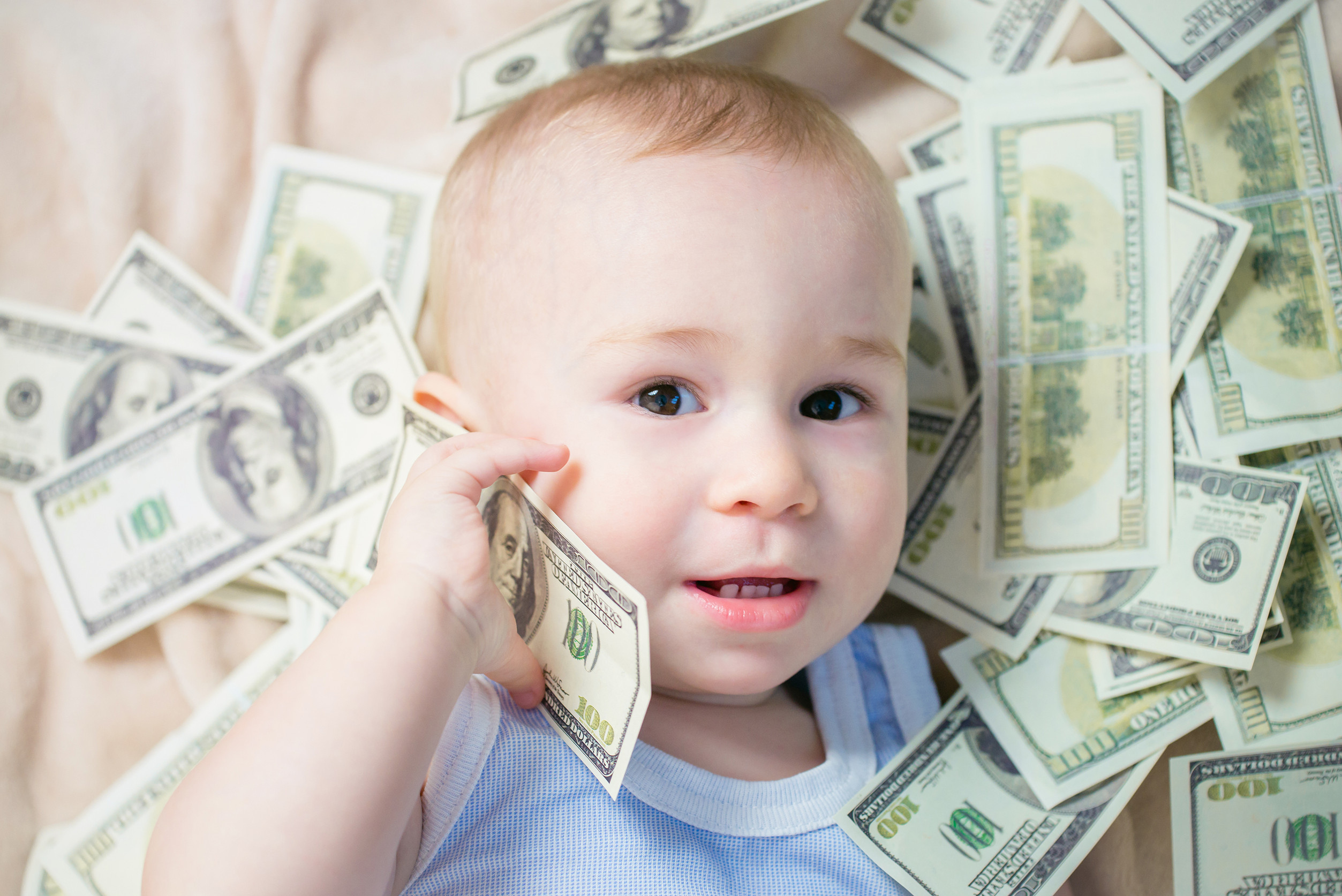
Childcare can cost more than all the diapers, clothing, and baby gear families buy during the first year. Planning for recurring childcare, feeding, and medical expenses can make the true cost of bringing home a baby much easier to manage. (Pexels).

Bringing home a baby changes nearly everything, including how quickly money leaves your bank account. The baby first-year cost is difficult to pin down because a family using full-time daycare may spend thousands more than one with relatives providing free care. Diapers, feeding, medical bills, clothing, and gear also accumulate gradually, making the total easy to underestimate. Current childcare prices alone can rival a major household bill, while delivery-related medical expenses may create costs before the baby even comes home. Understanding where the money actually goes can help parents build a budget that reflects their circumstances instead of relying on one intimidating national estimate.

Childcare Can Become The Biggest Expense

For working parents, childcare can completely reshape the baby first-year cost. Care.com’s 2026 Cost of Care Report puts average infant daycare at $332 per week, or roughly $17,264 over 52 weeks, while a family care center averages $323 weekly and a nanny averages $870. Another major analysis from Child Care Aware of America found the national average annual price of childcare reached $13,184 in 2025, up from $13,128 in 2024. Parents should ask prospective providers about registration charges, deposits, annual increases, late-pickup fees, vacation policies, and whether they still pay when the center closes. One of the smartest moves is researching childcare during pregnancy because availability, not just price, can determine which option a family ultimately uses.

Diapers And Feeding Add Up Month After Month

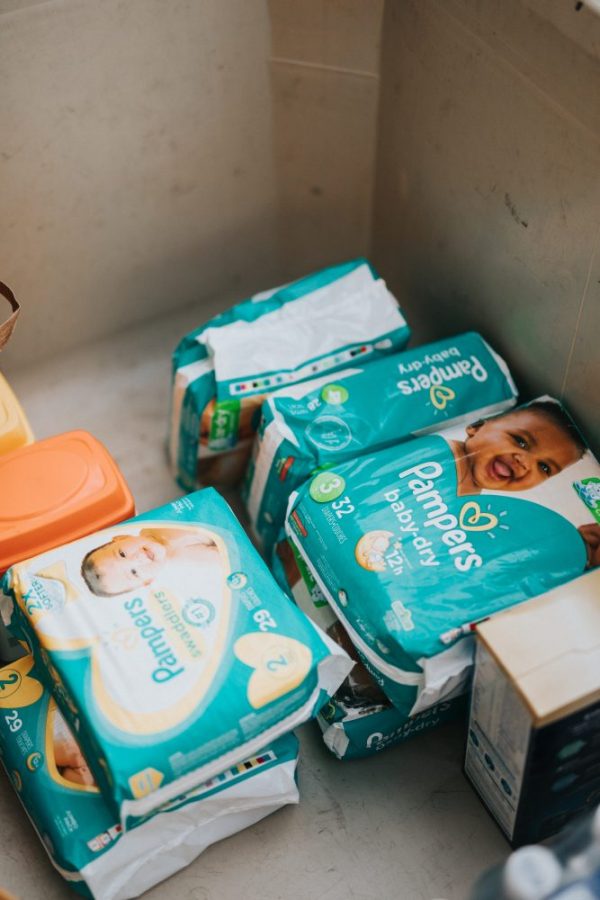
Diapers look inexpensive one package at a time, but newborns can use eight to 10 daily during their first month, according to Babylist. At roughly 25 to 35 cents per disposable diaper, several thousand changes during the first year can easily turn diapering into a four-figure expense once wipes, creams, and changing supplies are included. Formula can be another substantial variable because the American Academy of Pediatrics’ HealthyChildren.org notes that formula-fed babies may eventually consume up to about 32 ounces per day, although individual needs differ. Families can save by comparing cost per ounce, trying store-brand formula when appropriate, and buying larger diaper boxes only after knowing which size and brand work for their baby. Never stretch the budget by diluting formula beyond its preparation instructions, because saving a few dollars is not worth creating a nutrition or safety risk.

Medical Costs May Start Before Baby Comes Home

A realistic baby first-year cost should account for health expenses rather than assuming insurance makes childbirth and infant care free. An analysis from Peterson-KFF Health System Tracker found pregnancy, childbirth, and postpartum care averaged $20,416 in total health spending among people with employer-sponsored insurance, including $2,743 paid out of pocket. Average out-of-pocket spending was $2,563 for pregnancies resulting in vaginal delivery and $3,071 for C-sections, demonstrating how quickly deductibles and coinsurance can matter. Families should review their deductible, out-of-pocket maximum, hospital network, pediatrician network, and rules for adding a newborn to coverage before delivery. Also leave room for prescriptions, unexpected appointments, lactation services, or specialized infant care rather than budgeting only for routine pediatric visits.

Baby Gear Does Not Have To Break The Budget

The visible part of first-year costs often begin with a registry packed with cribs, monitors, strollers, carriers, bottles, and other gear. Yet expensive does not automatically mean essential, and Babylist’s 2026 budget registry example demonstrates that a broad collection of baby necessities can be assembled around a $500 target by choosing lower-cost options. Consider a couple who spends $500 on initial gear, $1,000 on diapers and related supplies, $1,500 on formula and solid foods, $1,500 on medical costs, and $13,184 on childcare; their illustrative first-year total already reaches $17,684. That figure excludes larger housing, lost income during unpaid leave, extra utility use, babysitting, and replacing equipment the baby quickly outgrows. Before buying something, parents should ask whether it is necessary immediately, whether the baby may reject it, and whether a safe lower-cost or hand-me-down alternative makes sense.

The Real Number Depends On How Your Family Lives

There is no universal baby first-year cost because childcare arrangements, insurance, feeding choices, location, parental leave, and existing family support dramatically change the equation. A household with free grandparent care and employer-paid insurance may spend far less than one paying for daycare while meeting a high health-plan deductible. Build three budget categories instead: predictable monthly expenses, one-time purchases, and an emergency cushion for expenses you cannot anticipate. Save money by requesting practical registry gifts, accepting appropriate hand-me-down clothing, comparing diaper unit prices, avoiding oversized newborn wardrobes, and delaying nonessential gear until you know you need it. Most importantly, calculate your own first-year cost before delivery so the recurring expenses—not just the cute nursery purchases—have a place in the household budget.

The Biggest Costs Are Often The Ones You Cannot Put On A Registry

The first year with a baby can be expensive, but the headline number matters less than understanding which expenses apply to your family. Childcare and healthcare can dwarf the price of onesies, toys, and nursery decorations, while lost income or unpaid leave can quietly create an even larger financial hit. Parents who price childcare, understand their insurance, separate needs from nice-to-haves, and maintain an emergency cushion are less likely to be surprised by the monthly cash flow. A useful baby budget should therefore be treated as a range that changes with the family rather than a single national number presented as inevitable.

What expense surprised you most during your baby’s first year—or what cost are you most concerned about if you are expecting? Share your experience and tips in the comments.

What to Read Next

7 Costly Baby Essentials That Aren’t Actually Necessary

The Hidden Costs: 11 Things You Didn’t Know You’d Pay For After Baby

Tax Breaks Parents May Miss When Paying for Child Care

Evan Morgan

Evan Morgan has been a full-time freelance writer and editor for 10+ years. When not working, he enjoys catching the latest true crime documentary or getting lost in a good book.

Filed Under: Parenting Tagged With: baby costs, baby expenses, baby first-year cost, Baby Formula, childcare costs, Diapers, Family Budget, new parents, Parenting, personal finance

The Unseen Cost: 9 Money Mistakes That Cost New Parents Thousands

July 31, 2025 | Leave a Comment

The Unseen Cost 9 Money Mistakes That Cost New Parents Thousands
Image source: 123rf.com

Welcoming a new baby brings joy, love, and a whole new financial reality. Many new parents are so focused on diapers and daycare that they miss the financial traps that come with the territory. These money mistakes might seem small in the moment, but over time they can quietly drain your savings and add up to thousands of dollars lost. The good news? With a little planning and awareness, you can avoid these common pitfalls and give your growing family a stronger start. Let’s dive into nine money mistakes that are easy to make—and important to avoid.

1. Overspending on Baby Gear

It’s easy to get caught up in the excitement of baby shopping. From high-end strollers to fancy bottle warmers, marketing makes every item feel essential. But many of those gadgets end up collecting dust or being used only a handful of times. This is one of the most common money mistakes, and it starts before the baby even arrives. Focus on necessities first, and remember that babies outgrow things faster than you might expect.

2. Skipping Life Insurance

It’s uncomfortable to think about, but life insurance is crucial once you have a child depending on your income or care. Many new parents delay this step, assuming it’s too expensive or something to figure out later. But the younger and healthier you are, the cheaper your premiums will be. Avoiding this investment is a money mistake that could leave your family vulnerable in a worst-case scenario. Term life insurance is often affordable and a wise choice for young families.

3. Not Creating a Will

No one wants to imagine the unthinkable, but having a will is essential once you become a parent. Without it, courts decide who cares for your child and how your assets are distributed. Many parents skip this step due to the perceived cost or emotional difficulty. However, not having a plan in place is one of the money mistakes that can create chaos—and expense—for your loved ones. Online legal tools can help make the process affordable and straightforward.

4. Ignoring Budget Changes

Your pre-baby budget likely doesn’t reflect your post-baby reality. From formula and diapers to childcare and healthcare, the new expenses can be overwhelming. Failing to track these changes leads to overspending and missed savings opportunities. One of the most preventable money mistakes is continuing to spend like you used to before the baby arrived. Sit down and create a fresh, realistic budget that includes new monthly costs.

5. Overlooking Tax Benefits

New parents often miss out on valuable tax credits and deductions simply because they don’t know they qualify. The Child Tax Credit, Dependent Care Credit, and deductions for medical expenses or daycare can offer real savings. Not claiming these is one of the more costly money mistakes families make. Consult with a tax professional or use reputable software to make sure you’re taking advantage of every available break. It’s money you’ve earned—don’t leave it on the table.

6. Going Overboard with Clothes and Toys

Yes, baby clothes are adorable, and yes, it’s tempting to buy every cute outfit in sight. But babies grow quickly and often receive gifts from friends and family, leaving many items unworn. The same goes for toys—too many can overwhelm both your child and your home. These unnecessary purchases are sneaky money mistakes that can easily be avoided. Focus on quality over quantity and rotate toys to keep things fresh without constant new spending.

7. Relying on Credit Cards for Essentials

When new expenses pile up, some parents fall into the trap of relying on credit cards to cover the gaps. While this might seem like a short-term solution, it often turns into long-term debt. High-interest rates make it one of the most expensive money mistakes. If you’re struggling with cash flow, look into flexible budgeting tools or speak with a nonprofit credit counselor. Staying ahead of the bills helps protect your family’s future.

8. Delaying Emergency Savings

Life with kids is unpredictable. Whether it’s a medical issue, job loss, or sudden move, having emergency savings is essential. Yet many new parents put off building this cushion in favor of immediate needs. That delay is a money mistake that can cost you when life throws a curveball. Even saving a small amount each month helps build a safety net over time.

9. Not Planning for Childcare Early

Waiting too long to research and secure childcare can result in limited options and higher prices. Popular daycare centers often have long waitlists, and last-minute choices tend to be the most expensive. Planning ahead avoids one of the more stressful money mistakes and gives you time to explore different care types and pricing models. Whether you choose daycare, a nanny, or family help, being proactive gives you more flexibility and peace of mind.

Building Smarter Habits from the Start

Parenthood changes everything—including how you manage money. The good news is that avoiding these nine money mistakes doesn’t require perfection, just awareness and a little planning. By steering clear of common traps and building better habits early, you can protect your finances and focus more energy on enjoying life with your little one. Every smart choice adds up, and your future self (and your child’s) will thank you for it.

Have you made any of these money mistakes—or avoided one just in time? Share your story in the comments to help other new parents learn from your experience.

Read More:

Are You Wasting Money? 6 Baby Items New Parents Regret Buying

The Unexpected Tax: 11 Unexpected Taxes For New Parents

Catherine Reed
Catherine Reed

Catherine is a tech-savvy writer who has focused on the personal finance space for more than eight years. She has a Bachelor’s in Information Technology and enjoys showcasing how tech can simplify everyday personal finance tasks like budgeting, spending tracking, and planning for the future. Additionally, she’s explored the ins and outs of the world of side hustles and loves to share what she’s learned along the way. When she’s not working, you can find her relaxing at home in the Pacific Northwest with her two cats or enjoying a cup of coffee at her neighborhood cafe.

Filed Under: Money and Finances Tagged With: baby expenses, budgeting with kids, family financial planning, financial traps, money mistakes, new parent finances, parenting budget, Saving Tips

The Unexpected Tax: 11 Unexpected Taxes For New Parents

July 30, 2025 | Leave a Comment

The Unexpected Tax 11 Unexpected Taxes For New Parents
Image source: 123rf.com

Welcoming a new baby into your home brings joy, sleepless nights, and—believe it or not—unexpected taxes. Between diapers, daycare, and doctor visits, the last thing on your mind might be tax-related surprises that come with parenthood. Yet, from overlooked benefits to hidden penalties, the IRS and state governments have a way of sneaking in extra costs if you’re not careful. Understanding where these unexpected taxes hide can save you money, stress, and plenty of confusion. Here are 11 places where taxes might quietly creep into your new-parent journey—and how to stay ahead of them.

1. Tax on Baby Gifts Over the Annual Limit

Baby showers often come with generous gifts from friends and family, but large financial gifts can carry tax consequences. If someone gives you or your child more than the annual gift tax exclusion amount, they may be required to file a gift tax return. While the recipient isn’t taxed, the giver might be if they exceed lifetime limits. These unexpected taxes can surprise both parties, especially if grandparents set up a sizable savings fund. It’s smart to consult a tax advisor if anyone plans to contribute a large financial gift.

2. Taxes on Interest from Custodial Accounts

If you open a custodial savings or investment account in your child’s name, any interest earned could be taxable. Known as the “kiddie tax,” this rule means unearned income above a certain threshold is taxed at the parents’ rate. These unexpected taxes can sneak up if you’re building early wealth for college or other milestones. To avoid surprises, monitor the account and report any earnings correctly. Keeping balances modest or using tax-advantaged savings plans can help.

3. Sales Tax on Baby Essentials

While some states exempt baby supplies from sales tax, many still apply full rates to items like diapers, wipes, and formula. That means you’re paying more than you might expect on everyday essentials. These unexpected taxes add up fast over the first few years of parenting. Check your state’s tax exemptions for infant care products and shop accordingly. Some parents even buy in bulk from tax-free retailers to save.

4. Health Savings Account (HSA) Misuse Penalties

If you have a Health Savings Account and use it for baby-related expenses that aren’t eligible (like over-the-counter baby wipes or formula), you could face penalties. Withdrawals for non-qualified expenses are subject to income tax and a 20% penalty if you’re under 65. These unexpected taxes often come from well-meaning purchases that aren’t technically allowed. Always check HSA guidelines before swiping that card. When in doubt, use post-tax dollars instead.

5. Maternity or Paternity Leave Pay Taxes

Parental leave pay may not be as “free” as it seems. Whether it’s paid through your employer or a state benefit program, those wages are typically taxable income. That means you’ll owe federal (and sometimes state) taxes on money you’re counting on during a tight season. New parents are often shocked by the hit to their refund—or worse, a bill at tax time. Be sure to withhold accordingly or set money aside.

6. Self-Employment Tax on Side Hustles

Many new parents turn to freelance or part-time work for flexibility, but income from these gigs is subject to self-employment tax. This includes both the employer and employee portion of Social Security and Medicare. These unexpected taxes can eat up a large chunk of your extra earnings. Keep good records, file quarterly estimated taxes if needed, and look into deductions for your home office or business expenses. Planning ahead prevents a nasty surprise in April.

7. Daycare and Childcare Tax Limits

While the Child and Dependent Care Credit is helpful, it has limits and qualifications that trip up many new parents. Not all childcare expenses qualify, and some families expect bigger savings than they actually receive. These unexpected taxes hit when you realize how little relief you’re getting compared to what you spend. Always read the fine print or talk to a tax professional about your eligibility. Flexible Spending Accounts (FSAs) may offer additional savings if your employer provides one.

8. Taxable Earnings from Crowdfunding

If friends or family set up a crowdfunding page to help with expenses, that money might not be tax-free. Depending on how it’s structured, funds received through platforms like GoFundMe could be considered taxable income. These unexpected taxes depend on intent, amount, and documentation. Keep records of who donated and for what purpose. When in doubt, consult a tax expert to avoid penalties.

9. Misreported Dependents

It seems simple, but misreporting who can claim the child as a dependent—especially in shared custody situations—can result in rejected returns or IRS letters. If both parents claim the same child, one will have to amend their return. These unexpected taxes come in the form of delays, penalties, or loss of credits. It’s crucial to have a clear agreement and file accordingly. IRS rules prioritize dependents based on residency, income, and support provided.

10. Earned Income Tax Credit (EITC) Eligibility Errors

The EITC can significantly boost your refund, but it comes with strict guidelines. Many new parents either miss out due to income miscalculations or claim it in error. These unexpected taxes often result from failing to report all income sources or misjudging eligibility. Always double-check your return or use certified tax help. The IRS audits EITC claims more frequently due to past misuse.

11. College Savings Plan Pitfalls

Setting up a 529 college savings plan is smart, but withdrawals not used for qualifying education expenses are taxable. You’ll also face a 10% penalty on earnings. These unexpected taxes catch some families off guard when funds are used for things like tutoring, room decor, or non-accredited programs. Always review what counts as a qualified expense. A little planning now can save hundreds—or thousands—later.

Know the Rules Before They Cost You

Becoming a parent changes your life in countless ways, including how you interact with the tax system. These unexpected taxes don’t mean you’re doing anything wrong—they just reflect how many financial details come with raising a child. Awareness is your best defense. Knowing what to expect and where to look can help you keep more of your money for what truly matters. Parenting is hard enough without hidden fees and penalties adding stress.

Have you encountered any unexpected taxes since becoming a parent? Share your experiences or tips with us in the comments below!

Read More:

Are You Wasting Money? 6 Baby Items New Parents Regret Buying

10 Financial Habits Keeping Parents Stressed

Catherine Reed
Catherine Reed

Catherine is a tech-savvy writer who has focused on the personal finance space for more than eight years. She has a Bachelor’s in Information Technology and enjoys showcasing how tech can simplify everyday personal finance tasks like budgeting, spending tracking, and planning for the future. Additionally, she’s explored the ins and outs of the world of side hustles and loves to share what she’s learned along the way. When she’s not working, you can find her relaxing at home in the Pacific Northwest with her two cats or enjoying a cup of coffee at her neighborhood cafe.

Filed Under: Money and Finances Tagged With: baby expenses, Family Budgeting, financial planning for families, new parents, parenting and money, tax tips for parents, unexpected taxes

Costly New Parents: 9 Money Mistakes That Cost New Parents Fortunes

July 16, 2025 | Leave a Comment

Costly New Parents 9 Money Mistakes That Cost New Parents Fortunes
123rf.com

Becoming a parent is exciting, emotional—and expensive. Between adorable onesies, high-tech baby gear, and all the “must-haves” stores push your way, it’s easy to go overboard. But when emotions drive spending, financial mistakes follow, and they can cost new parents a small fortune over time. The good news? Most of these budget-busting choices are avoidable with a little planning and awareness. Here are nine common money missteps that are incredibly costly to new parents.

1. Overspending on Baby Gear

New parents often feel pressured to buy the latest, greatest baby items. Fancy swings, tech-loaded monitors, and designer strollers may look great, but they’re not always necessary. Many items are used for only a few months, making it hard to justify the high price tags. Buying secondhand or borrowing from friends can save hundreds without sacrificing quality. The key is distinguishing between what’s truly helpful and what’s just heavily marketed.

2. Stockpiling Too Many Newborn Clothes

Newborns grow fast—sometimes skipping sizes altogether. New parents tend to load up on tiny outfits that barely get worn before baby outgrows them. It’s tempting to fill drawers with adorable clothes, but many go unused or are worn only once. A better strategy is to buy a few basics in each size and wait to see what fits and works best. You’ll save money and reduce clutter in those precious early months.

3. Not Budgeting for Childcare

One of the biggest expenses for new parents is childcare, and many underestimate just how much it costs. Whether it’s daycare, a nanny, or part-time help, not planning for these recurring costs can lead to serious financial stress. New parents might delay researching or wait until it’s urgent, which limits options and often results in overpaying. Start planning for childcare costs early in pregnancy to build it into your budget. It’s easier to make adjustments before the baby arrives.

4. Buying a Bigger Home Too Soon

It’s natural to want more space once a baby is on the way, but upsizing too quickly can backfire. Larger homes come with bigger mortgages, higher utility bills, and more upkeep. New parents may feel like a nursery requires an entire extra room, when in reality, many babies sleep in their parents’ room for months. Rushing into a home purchase can strain your finances and reduce flexibility. If possible, stay put until you’re confident in your new family budget.

5. Ignoring Health Insurance Coverage

Skipping a close look at your health insurance plan can be an expensive mistake. New parents sometimes assume their policy will cover everything baby-related, only to be hit with unexpected bills. From prenatal care to delivery and postnatal checkups, knowing what’s covered (and what isn’t) matters. Be sure to add your baby to your plan within the enrollment window to avoid gaps. Reviewing your options ahead of time gives you more control over medical costs.

6. Forgetting to Build an Emergency Fund

Babies come with surprises—some joyful, others expensive. Medical emergencies, job changes, or extra childcare needs can pop up fast. New parents often overlook the importance of padding their emergency savings before the baby arrives. Even setting aside a few hundred dollars a month during pregnancy can make a big difference. A healthy emergency fund helps you handle the unexpected without going into debt.

7. Going All-In on a Fancy Nursery

Designing the perfect nursery can be fun, but it’s easy to go overboard. High-end furniture, elaborate décor, and custom paint jobs add up quickly. New parents might focus too much on aesthetics instead of practicality, especially when the baby won’t even notice. A safe crib and cozy spot for feeding are more important than matching wallpaper. Remember, your baby won’t care about Pinterest-worthy design, but your bank account will.

8. Taking On Too Much Debt for Maternity Leave

If your job doesn’t offer paid leave, the income gap can be overwhelming. Some costly new parents turn to credit cards or personal loans to cover their time off, creating long-term debt for short-term relief. Planning ahead with savings, side gigs, or adjusting household expenses can help bridge the gap. Look into state programs or employer benefits that might offer partial pay. The goal is to support your bonding time without setting yourself back financially.

9. Not Updating Financial Documents

Wills, life insurance, and beneficiary forms often get overlooked in the whirlwind of new parenthood. But these documents matter more than ever once you have a child who depends on you. Delaying these tasks, thinking they can handle them later, is costly to new parents, as unexpected events can happen at any time. Setting up basic protections helps ensure your child is cared for, no matter what. It’s not fun to think about, but it’s one of the smartest money moves you can make.

Smart Planning Beats Impulse Spending Every Time

There’s no question that babies change everything—including how you spend money. But avoiding the biggest pitfalls can keep your finances on track and give your family a more secure start. New parents often act out of emotion, fear, or pressure, but slowing down and making thoughtful choices leads to better outcomes. You don’t have to be perfect—just informed and intentional. When you manage your money wisely from the start, you create room for joy without the financial strain.

Which money mistake surprised you the most as a new parent? Share your experiences and advice in the comments below!

Read More:

10 Times Kids’ Stupid Mistakes Wrecked Their Parents’ Finances

Repeat Mistakes: 11 Parenting Traps Your Parents Fell Into

Catherine Reed
Catherine Reed

Catherine is a tech-savvy writer who has focused on the personal finance space for more than eight years. She has a Bachelor’s in Information Technology and enjoys showcasing how tech can simplify everyday personal finance tasks like budgeting, spending tracking, and planning for the future. Additionally, she’s explored the ins and outs of the world of side hustles and loves to share what she’s learned along the way. When she’s not working, you can find her relaxing at home in the Pacific Northwest with her two cats or enjoying a cup of coffee at her neighborhood cafe.

Filed Under: Money and Finances Tagged With: baby expenses, baby money mistakes, costly new parents, family finance tips, financial planning for parents, new parent budgeting, parenting and money

The Best (and Worst!) Baby Shower Gifts

November 26, 2020 | Leave a Comment

baby shower gifts

Baby showers. Some love them, some hate them. While I love buying things for little people, I dislike attending baby showers. Nothing against the expecting family, I really just hate everything about traditional baby shower games. I’m at the age where there is a stark increase in the amount of showers I get invited to, though.

Between the number of showers I’ve attended, and the ones I’ve been on the receiving end of, I feel like a bit of a baby shower expert, and I’m here to give you my opinion on the best, and wors,t baby shower gifts.

Best Baby Shower Gifts

There are some baby gifts that are more useful than others.  These are the ones that almost every new parent will appreciate.

Large, Expensive Gifts

First time parents will likely welcome large, expensive gifts that they have on their registry such as a stroller, crib, playpen, and rocking chair.  These gifts are usually too expensive for one person to buy on their own, so feel free to chip in with other people and give a group gift.

When we were expecting our first, my co-workers went together and bought our stroller/car seat combo.  I was so glad that we didn’t have to buy this ourselves because our money was tight then.

Baby Carrier

baby shower gifts
Photo by Kelly Sikkema on Unsplash

Some babies are only consoled when their parents hold them.  This can lead to both tired arms and frustration.  Getting anything done around the house is difficult when the baby fusses as soon as she’s put down.  A baby carrier can be a fabulous gift because it gives parents the opportunity to keep the baby close AND get things done around the house.

Restaurant Gift Certificate

No matter what kind of birth you have, the perfect natural drug free delivery or complicated c-section, no new mom, experienced or not, feels like cooking in those early days. Life is chaotic and having a gift certificate or two to fall back on is a huge help!

Clothes the Kid Can Grow Into

Too many people will show up with exclusively newborn clothes.  Sure, they’re cute, but they’re also impractical.  All three of my babies were nine to ten pounds at birth.  They never fit in newborn clothes, and they only stayed in size 0-3 month clothes for about the first four weeks.  Had I gotten many outfits in those sizes, they would have been wasted.

Having a few outfits/PJ’s in larger sizes the kid can grow into is always appreciated. Kids grow fast, so they’ll get into that cute outfit sooner than you think!  They’ll likely stay in the larger size outfits longer, too.

Burp Pads/Wipes

Newborns make an insane amount of mess. They vomit and spit up everywhere, all of which requires being cleaned up. No mom can have enough burp pads/wipes/bibs for kids since they will go through about 25,721 per day. They also get stained beyond recognition and eventually tossed, so don’t spend too much money on them.

Diapers

Kids need diapers in many sizes. Find out if the parents plan on using disposable or cloth before buying, though.  Even if they get a lot of diapers, it is a gift always well appreciated.

Worst Shower Gift Ideas

And then there are the gifts that well meaning friends and family give you that are, honestly, worthless.

Nursing Bras

Unless you’re in the change room with the new mom, there is no way you’ll get this right. If you think it’s a gift mom would like and want though, get a gift certificate instead.

Expensive or Impractical Baby Clothes

baby shower gifts
Photo by Luke Michael on Unsplash

Babies, especially newborns, are messy. They do not need fancy, expensive and fussy clothes! You are literally wasting money when you buy these clothes, no matter how cute. Same goes for newborn shoes. Unless the kid is walking (usually past 1 year), they don’t need shoes with proper soles. Even in the winter, small children don’t need them; most baby snowsuits will take care of foot coverage.

Likewise, avoid impractical baby clothes.  When I was expecting my first baby, a co-worker bought me a towel and a baby bathrobe.  Sure, the set was cute as can be, but how practical is struggling with a baby to put on a bathrobe only to dry the baby off and put on his clothes?  I returned that gift before I even had the baby.

Non-seasonal baby clothes

Find out when the kid (should) be born before buying seasonal clothes. If the child is born in December there’s a good chance they won’t still be in newborn size swimwear come July. Pay attention to sizes when buying such items.

A Word about Baby Registries

If the parents did create a registry, look it up. Chances are they spent time to figure out what would work and what they need for their family. Sometimes, showers aren’t the best time to be reinventing the wheel, so-to-speak. If they took the time to research a monitor they liked, for example, don’t bother buying a different one because you liked it more; there’s a good chance it will end up getting exchanged.

One More Thought on Gifts

It’s not to say new moms think of everything, though. As a mom myself, there were things I received from experienced friends and family that I never would have thought of and was so appreciative of.  If you go this route, just make sure to include a gift receipt so they can return the item if it turns out not to be something they would want.

Final Thoughts

If you are invited to a baby shower, keep in mind some of the best baby shower gifts to give.  I still remember which of my friends and family gave me the gifts I most appreciate and found  most useful.  Now, when I attend a baby shower, I try to do the same for new moms.

What is your favorite gift to give for a baby shower?

Read More

5 Ways to Add Eco-Friendly Baby Products to Your Routine

After the Shower: How to Save Money with a Young Baby

5 Printable Baby Shower Games


Melissa Batai
Melissa Batai

Melissa is a writer and virtual assistant. She earned her Master’s from Southern Illinois University, and her Bachelor’s in English from the University of Michigan. When she’s not working, you can find her homeschooling her kids, reading a good book, or cooking. She resides in Arizona where she dislikes the summer heat but loves the natural beauty of the area.

Filed Under: Baby Stuff, Shopping Tagged With: Baby, baby carrier, baby expenses, baby gifts, best baby shower gifts, worst baby shower gifts

How to Save Hundreds on Diapers

June 25, 2020 | Leave a Comment

You might have seen those scary numbers that tell you the cost to raise a child is over $200,000 from the time of birth until the age of 18.  While there are plenty of ways to cut costs when raising your children, there’s one expense that hits you as soon as your child is born—the cost of diapers.  We had two kids in diapers for 1.5 years, and I remember being so glad when they were potty trained as we got a large chunk of our budget back.  While there’s no way to avoid this expense, there people do learn how to save hundreds on diapers.

How to Save Hundreds on Diapers

How to Save Hundreds on Diapers

There are many techniques you can use to save, but you’ll save even more if you put several of the strategies together.

Use Cloth Diapers

How to Save Hundreds on Diapers
Photo by Padmavathi Ashok Kumar on Unsplash

The best way to save is to use cloth diapers.  Most people dismiss this idea because cloth diapers aren’t allowed at daycare.  If that’s the case, use cloth diapers at home and buy disposable for daycare.  You’ll still see significant savings this way.

Buy Cloth Diapers on eBay

I cloth diapered my son almost exclusively.  I bought several lots of used cloth diapers on eBay with mixed results.  I ended up with some very nice diapers, but I also ended up with some worn out diapers that I couldn’t use.

Do Your Research First

If you’re going the eBay route, first research which diapers you’d like to use.  (There are so many brands of cloth diapers with so many different features.  Cloth diapering is not like it was 30 years ago!)

If you buy new, your diapers will likely last through several of your children.

If you buy used, check the quality description carefully.  You don’t want to end up with diapers that have very little life left.

How to Save on Disposable Diapers

There are quite a few strategies to save money on disposable diapers.  Use as many as you can to save even more.

Buy Off Brand Diapers If You Can

Of course, the biggest diaper brands, Huggies and Pampers, cost the most.  However, there are many off brand diapers that are much cheaper than the big brands.  Look for Target Up and Up diapers, Walmart’s White Cloud diapers, or Luvs.  Likewise, Walgreen’s and CVS each have their own house brand of diapers that are cheaper, too.

Use Amazon Subscribe & Save

If you have an Amazon Prime account, make sure to use subscribe & save.  When you go to put the diapers in your cart, you’ll see an option to make a one-time purchase or to make the item subscribe & save.  Thanks to Amazon Family, when you choose subscribe & save, you save 20% off your diaper purchase every time.  You just have to make sure you have five or more products on auto-delivery at the same time to the same address.  (FYI, baby food is also included in the eligible products list, so you can save there, too.)

Use Coupons

There are many, many coupons for diapers.  You can check out Coupons.com, Ibotta, or Checkout 51 for diaper coupons.  You can also email the company and sign up for their email.  (Luvs is known to be especially generous with their coupons when you sign up for their mailing list.)  Even Costco and Amazon have coupons for their diapers occasionally.

A Covert Way to Save

Diaper packages generally have a size range.  For instance, Huggies Snug & Dry size 2 one-month supply has 222 diapers in a box and fit babies weighing 12 to 18 pounds.  Size 3 of the same has 200 diapers and fits babies 16 to 28 pounds.  Some moms save money by keeping their child in the smaller size diaper as long as they can because you get more diapers per purchase in the smaller size.

You’ll know it’s time to move up to the bigger diaper size when your baby has frequent leaks or blow outs.

Build a Diaper Stash

How to Save Hundreds on Diapers
Photo by Nathan Dumlao on Unsplash

Another option is to build a diaper stash before baby is born and when you can find diapers at a great price.

Some women ask each person attending their baby shower to bring a box of diapers or wipes.  Other women start stocking up the minute they find out they’re pregnant.  (You can find quite a few good sales on diapers in nine month’s time and end up with a nice diaper stash.)  If you’re not sure what sizes to buy, there’s a handy chart one mom created documenting how many diapers in each size her daughter used during her first year.

One caveat here—be careful building a diaper stash.  I’m actually glad I never built a diaper stash.  Why?  All my kids were born over nine pounds and didn’t even fit in the newborn size diapers.  Second, one of my children had very chunky legs, so Pampers’ slimmer cut didn’t fit her well.  We had to keep her in Huggies.  If I would have stocked up on Pampers, I would have lost all of that money.  Some babies are allergic to some diapers, so those can’t be used.  For these reasons, I’d actually discourage new moms from building a diaper stash.

Buy in Bulk

If you can afford it, buying diapers in bulk is the way to go.  The bigger the box you can afford, the less you pay per diaper.  Costco is a great place to buy diapers if you don’t have an Amazon Prime account.  Target also has sales for boxes of diapers where you buy a certain amount in diapers, say $100, and then you get a $25 gift card.  This deal gives you a great incentive to buy in bulk.  (Don’t forget to get and use the Target Red card to save 5% off your purchase.)

Final Thoughts

While diapers are expensive, there are strategies to learn how to save hundreds on diapers.  Use some or most of these techniques and see how much you save.  And remember, while diapers are a big expense temporarily, this expense will usually go away in three years.  Then, it’s on to the next expense for you child.

Melissa Batai
Melissa Batai

Melissa is a writer and virtual assistant. She earned her Master’s from Southern Illinois University, and her Bachelor’s in English from the University of Michigan. When she’s not working, you can find her homeschooling her kids, reading a good book, or cooking. She resides in Arizona where she dislikes the summer heat but loves the natural beauty of the area.

Filed Under: Money and Finances Tagged With: baby expenses, best ways to save money as parents, Diapers, Frugal

  • Facebook
  • Pinterest
  • RSS
  • Twitter

Basic Principles Of Good Parenting

Here some basic principles for good parenting:

  1. What You Do Matters: Your kids are watching you. So, be purposeful about what you want to accomplish.
  2. You Can’t be Too Loving: Don’t replace love with material possessions, lowered expectations or leniency.
  3. Be Involved Your Kids Life: Arrange your priorities to focus on what your kid’s needs. Be there mentally and physically.
  4. Adapt Your Parenting: Children grow quickly, so keep pace with your child’s development.
  5. Establish and Set Rules: The rules you set for children will establish the rules they set for themselves later.  Avoid harsh discipline and be consistent.
  6. Explain Your Decisions: What is obvious to you may not be evident to your child. They don’t have the experience you do.
  7. Be Respectful To Your Child: How you treat your child is how they will treat others.  Be polite, respectful and make an effort to pay attention.
Best Parenting Blogs

Most Popular

Baby

9 Unusual Baby Names That Sound Like They Belong to Future CEOs

Evan Morgan
Baby

10 Baby Names That Were Once Considered “Grandparent Names” but Feel Cool Again

Evan Morgan
Target Store

Choking Incident Prompts Recall of 49,000 Target Gigglescape “Under the Sea” Popping Toys

Evan Morgan
Frustrated Girl

Why Some Students on the Spectrum Are Labeled With ODD

Evan Morgan
Coke Bottles

12 Things Kids Took to School in the ’70s That Would Never Be Allowed Today

Evan Morgan

All content on Kids Ain’t Cheap is for entertainment purposes only. By reading this blog, you agree that Kids Ain’t Cheap is not responsible for any actions taken after reading this blog. For the full disclaimer, see our privacy policy.

Please note that Kids Ain’t Cheap has financial relationships with some of the merchants mentioned here. Kids Ain’t Cheap is funded by banner advertising, commission sales and search optimization consulting.

Copyright © 2006–2026 | District Media | All Rights Reserved | Privacy Policy

Copyright © 2026 Runway Pro Theme by Viva la Violette