• Home
  • About Us
  • Toolkit
  • Archives
  • Advertise
  • Privacy Policy

Kids Ain't Cheap

But They Sure Are Worth It

  • Parenting
    • Baby Stuff
    • Books and Reading
      • Aesops Fables
      • Comic Books
    • Education
    • Family Time
    • Green Living
    • Growing Up
    • Healthy Living & Eating
    • Holidays
    • Parenting
    • Random Musings
    • Shopping
    • Stuff to Do
  • Money
  • Product Reviews
    • Books and Magazines
    • Discount Sites
    • Furniture
    • House Keeping
    • Reviews News
    • Toys and Games
  • Contact Us
  • Our Editorial Commitment
  • Search

What Does a Baby Actually Cost in the First 12 Months?

October 1, 2026 | Leave a Comment

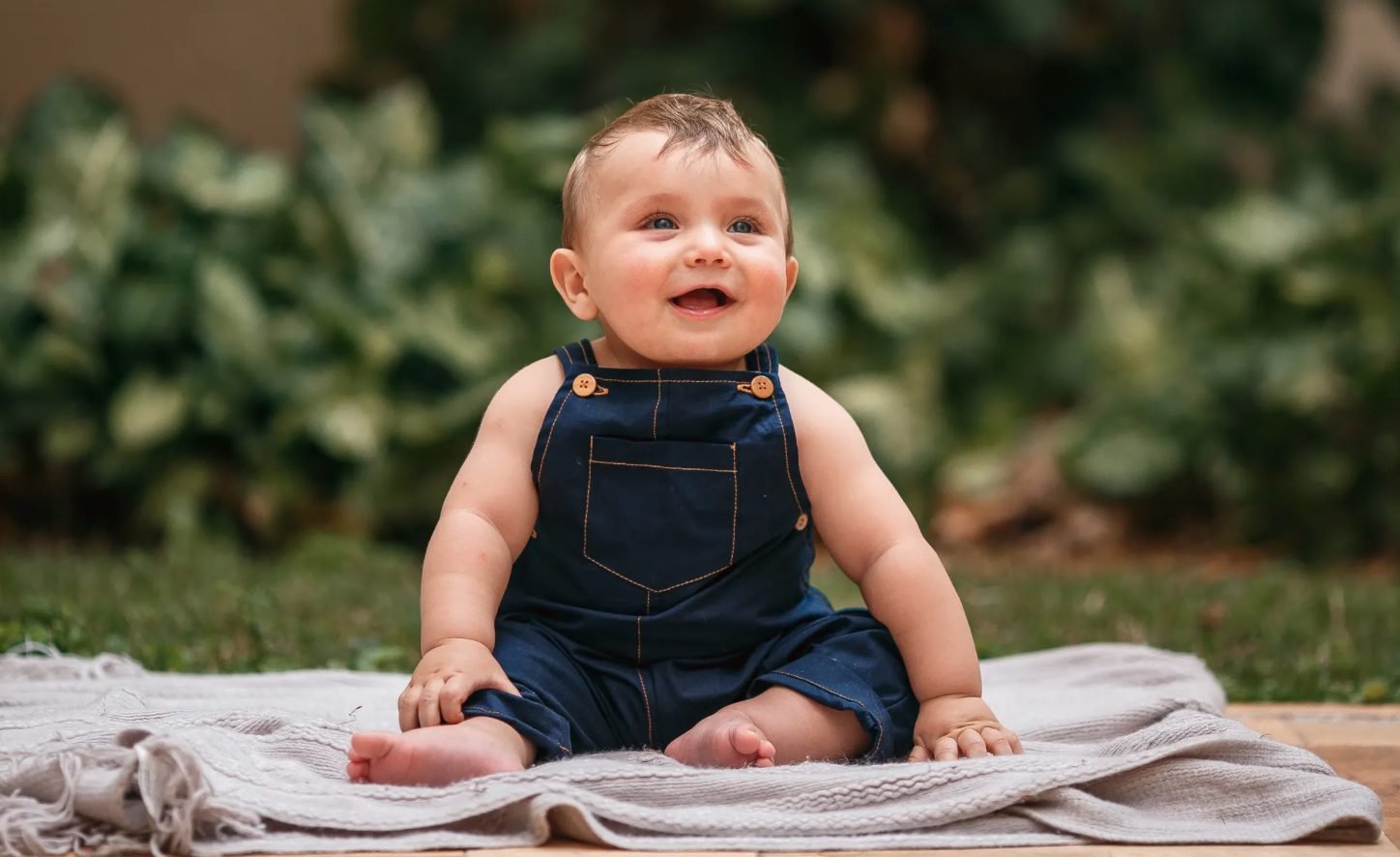
Laughing baby in denim overalls sitting on a blanket outdoors
Childcare can cost more than all the diapers, clothing, and baby gear families buy during the first year. Planning for recurring childcare, feeding, and medical expenses can make the true cost of bringing home a baby much easier to manage. (Pexels).

Bringing home a baby changes nearly everything, including how quickly money leaves your bank account. The baby first-year cost is difficult to pin down because a family using full-time daycare may spend thousands more than one with relatives providing free care. Diapers, feeding, medical bills, clothing, and gear also accumulate gradually, making the total easy to underestimate. Current childcare prices alone can rival a major household bill, while delivery-related medical expenses may create costs before the baby even comes home. Understanding where the money actually goes can help parents build a budget that reflects their circumstances instead of relying on one intimidating national estimate.

Childcare Can Become The Biggest Expense

For working parents, childcare can completely reshape the baby first-year cost. Care.com’s 2026 Cost of Care Report puts average infant daycare at $332 per week, or roughly $17,264 over 52 weeks, while a family care center averages $323 weekly and a nanny averages $870. Another major analysis from Child Care Aware of America found the national average annual price of childcare reached $13,184 in 2025, up from $13,128 in 2024. Parents should ask prospective providers about registration charges, deposits, annual increases, late-pickup fees, vacation policies, and whether they still pay when the center closes. One of the smartest moves is researching childcare during pregnancy because availability, not just price, can determine which option a family ultimately uses.

Diapers And Feeding Add Up Month After Month

Diapers look inexpensive one package at a time, but newborns can use eight to 10 daily during their first month, according to Babylist. At roughly 25 to 35 cents per disposable diaper, several thousand changes during the first year can easily turn diapering into a four-figure expense once wipes, creams, and changing supplies are included. Formula can be another substantial variable because the American Academy of Pediatrics’ HealthyChildren.org notes that formula-fed babies may eventually consume up to about 32 ounces per day, although individual needs differ. Families can save by comparing cost per ounce, trying store-brand formula when appropriate, and buying larger diaper boxes only after knowing which size and brand work for their baby. Never stretch the budget by diluting formula beyond its preparation instructions, because saving a few dollars is not worth creating a nutrition or safety risk.

Medical Costs May Start Before Baby Comes Home

A realistic baby first-year cost should account for health expenses rather than assuming insurance makes childbirth and infant care free. An analysis from Peterson-KFF Health System Tracker found pregnancy, childbirth, and postpartum care averaged $20,416 in total health spending among people with employer-sponsored insurance, including $2,743 paid out of pocket. Average out-of-pocket spending was $2,563 for pregnancies resulting in vaginal delivery and $3,071 for C-sections, demonstrating how quickly deductibles and coinsurance can matter. Families should review their deductible, out-of-pocket maximum, hospital network, pediatrician network, and rules for adding a newborn to coverage before delivery. Also leave room for prescriptions, unexpected appointments, lactation services, or specialized infant care rather than budgeting only for routine pediatric visits.

Baby Gear Does Not Have To Break The Budget

The visible part of first-year costs often begin with a registry packed with cribs, monitors, strollers, carriers, bottles, and other gear. Yet expensive does not automatically mean essential, and Babylist’s 2026 budget registry example demonstrates that a broad collection of baby necessities can be assembled around a $500 target by choosing lower-cost options. Consider a couple who spends $500 on initial gear, $1,000 on diapers and related supplies, $1,500 on formula and solid foods, $1,500 on medical costs, and $13,184 on childcare; their illustrative first-year total already reaches $17,684. That figure excludes larger housing, lost income during unpaid leave, extra utility use, babysitting, and replacing equipment the baby quickly outgrows. Before buying something, parents should ask whether it is necessary immediately, whether the baby may reject it, and whether a safe lower-cost or hand-me-down alternative makes sense.

The Real Number Depends On How Your Family Lives

There is no universal baby first-year cost because childcare arrangements, insurance, feeding choices, location, parental leave, and existing family support dramatically change the equation. A household with free grandparent care and employer-paid insurance may spend far less than one paying for daycare while meeting a high health-plan deductible. Build three budget categories instead: predictable monthly expenses, one-time purchases, and an emergency cushion for expenses you cannot anticipate. Save money by requesting practical registry gifts, accepting appropriate hand-me-down clothing, comparing diaper unit prices, avoiding oversized newborn wardrobes, and delaying nonessential gear until you know you need it. Most importantly, calculate your own first-year cost before delivery so the recurring expenses—not just the cute nursery purchases—have a place in the household budget.

The Biggest Costs Are Often The Ones You Cannot Put On A Registry

The first year with a baby can be expensive, but the headline number matters less than understanding which expenses apply to your family. Childcare and healthcare can dwarf the price of onesies, toys, and nursery decorations, while lost income or unpaid leave can quietly create an even larger financial hit. Parents who price childcare, understand their insurance, separate needs from nice-to-haves, and maintain an emergency cushion are less likely to be surprised by the monthly cash flow. A useful baby budget should therefore be treated as a range that changes with the family rather than a single national number presented as inevitable.

What expense surprised you most during your baby’s first year—or what cost are you most concerned about if you are expecting? Share your experience and tips in the comments.

What to Read Next

7 Costly Baby Essentials That Aren’t Actually Necessary

The Hidden Costs: 11 Things You Didn’t Know You’d Pay For After Baby

Tax Breaks Parents May Miss When Paying for Child Care

Evan Morgan

Evan Morgan has been a full-time freelance writer and editor for 10+ years. When not working, he enjoys catching the latest true crime documentary or getting lost in a good book.

Filed Under: Parenting Tagged With: baby costs, baby expenses, baby first-year cost, Baby Formula, childcare costs, Diapers, Family Budget, new parents, Parenting, personal finance

10 Baby Milestones That Make Parents Spend Unnecessarily

October 11, 2025 | Leave a Comment

10 Baby Milestones That Make Parents Spend Unnecessarily
Image source: shutterstock.com

Every parent loves celebrating baby milestones. From the first smile to the first steps, each moment feels monumental—and often comes with a shopping spree. The problem is that baby milestones are now tightly linked to marketing, with endless products promising to “enhance development” or “capture the moment perfectly.” Before long, parents end up spending hundreds on things their child will outgrow in weeks. Understanding which baby milestones trigger unnecessary purchases can help parents focus on what really matters: memories, not money.

1. The First Smile Leads to a Photoshoot

That first smile melts hearts and often inspires professional photo sessions. While it’s understandable to want to capture the moment, many parents overspend on studio packages, themed outfits, and editing fees. A few candid photos taken at home can be just as precious. Photographers know how emotional early baby milestones are and often capitalize on the excitement. Before booking a session, remember that the best smiles don’t come with a price tag.

2. The First Roll Turns into a Gear Upgrade

When babies start rolling, many parents rush to replace bassinets with larger play yards or buy expensive floor mats. While a safe play area is important, most homes already have soft, clean spaces for supervised play. Companies often market new gear as “essential for development,” even when it’s not necessary. Parents can save by using blankets or foam tiles instead of designer play zones. This baby milestone doesn’t have to roll away with your savings.

3. Sitting Up Means Buying New Chairs

The moment a baby sits up independently, social media feeds flood with ads for high-end floor seats and posture trainers. These products claim to support spinal alignment but often provide little benefit once a baby naturally develops those muscles. Many kids use them for only a few weeks before outgrowing them. A few pillows and supervised practice work just as well. Not every sitting milestone requires a matching seat or accessory.

4. The First Solid Foods Bring Fancy Dining Gear

Starting solids is one of the most exciting baby milestones, but it’s also one of the most expensive phases for new parents. Suddenly, high chairs, silicone bibs, baby-led weaning spoons, and suction plates fill shopping carts. In reality, many of these items are optional or can be purchased secondhand. Babies care more about tasting new textures than eating from the trendiest dishware. A simple, sturdy setup gets the job done without draining your wallet.

5. Crawling Sparks Safety Overhauls

The crawling phase can make even calm parents panic about household hazards. While safety gates and outlet covers are important, many families go overboard, spending hundreds on baby-proofing kits that cover every inch of the home. Some of these products are unnecessary or poorly designed for real-life use. A thoughtful approach—securing only what’s truly dangerous—can save money while keeping your baby safe. This baby milestone doesn’t have to turn into a remodeling project.

6. Standing Encourages Costly Shoe Shopping

When babies start pulling themselves up, many parents believe they need to buy supportive shoes immediately. However, pediatricians often recommend letting babies go barefoot indoors to strengthen foot muscles naturally. Early footwear is more about fashion than function, and those tiny shoes are quickly outgrown. Instead, wait until your baby starts walking outdoors before investing in quality shoes. Standing tall doesn’t require standing in line for pricey sneakers.

7. The First Steps Invite Tech and Toys

The first steps are among the most celebrated baby milestones—and also among the most expensive. From video doorbell recordings to motion-tracking monitors, parents often splurge on gear to capture or encourage walking. Walker toys, balance trainers, and “smart” shoes flood the market, all promising to boost progress. Most of these aren’t necessary, as babies learn to walk at their own pace. Patience, praise, and a safe space to practice are all they truly need.

8. The First Words Come with Learning Apps

Hearing a baby say “mama” or “dada” feels magical, but it’s also when parents get bombarded with ads for language-development apps and talking toys. Many of these products claim to speed up speech, though research shows real conversation is far more effective. Subscription-based apps can cost more than they’re worth over time. Reading, singing, and daily interaction remain the best tools for learning. This milestone thrives on human connection, not monthly payments.

9. The First Birthday Becomes a Mini Wedding

Few baby milestones drain budgets faster than the first birthday. Parents often go all out with themed decorations, professional cakes, outfits, and photographers. While it’s tempting to create an Instagram-worthy event, the baby won’t remember it. A simple celebration with family and homemade cake can be just as meaningful. Scaling back not only saves money but also reduces stress—allowing you to actually enjoy the moment.

10. The First Vacation Turns into a Luxury Trip

When babies reach travel-ready age, many families plan elaborate first vacations to celebrate. From resort stays to photo-worthy matching outfits, costs can skyrocket before the plane even takes off. Traveling with infants often brings more stress than relaxation, making the investment less rewarding. Parents can opt for local weekend trips or family visits instead of luxury destinations. Some memories are better made close to home—without the credit card debt.

Celebrating Without Overspending

Every baby milestone deserves recognition, but it’s easy to confuse celebration with consumption. Marking special moments doesn’t have to involve designer products or extravagant events. What matters most is connection, not cost. Parents who resist the marketing pressure often find they enjoy milestones more authentically. Cherish the small wins, snap a few photos, and remember that your child’s love doesn’t depend on your spending.

Which baby milestones tempted you to overspend the most? Share your experiences and money-saving tips in the comments below!

What to Read Next…

  • 7 Baby Items That Are Collecting More Bacteria Than a Toilet Seat
  • 9 Baby Shower Gifts That Could Raise Eyebrows with Social Workers
  • How One Baby Name Choice Could Affect College Admissions
  • 6 Baby Products Pulled from Shelves But Still in Homes
  • 7 Costly Baby Essentials That Aren’t Actually Necessary
Catherine Reed
Catherine Reed

Catherine is a tech-savvy writer who has focused on the personal finance space for more than eight years. She has a Bachelor’s in Information Technology and enjoys showcasing how tech can simplify everyday personal finance tasks like budgeting, spending tracking, and planning for the future. Additionally, she’s explored the ins and outs of the world of side hustles and loves to share what she’s learned along the way. When she’s not working, you can find her relaxing at home in the Pacific Northwest with her two cats or enjoying a cup of coffee at her neighborhood cafe.

Filed Under: Parenting Tagged With: baby costs, baby milestones, budgeting, child development, Family Finance, money tips, new parents, Parenting

Unnecessary Expenses: 10 Foolish Buys That Every New Parent Believes They Must Make

April 29, 2025 | Leave a Comment

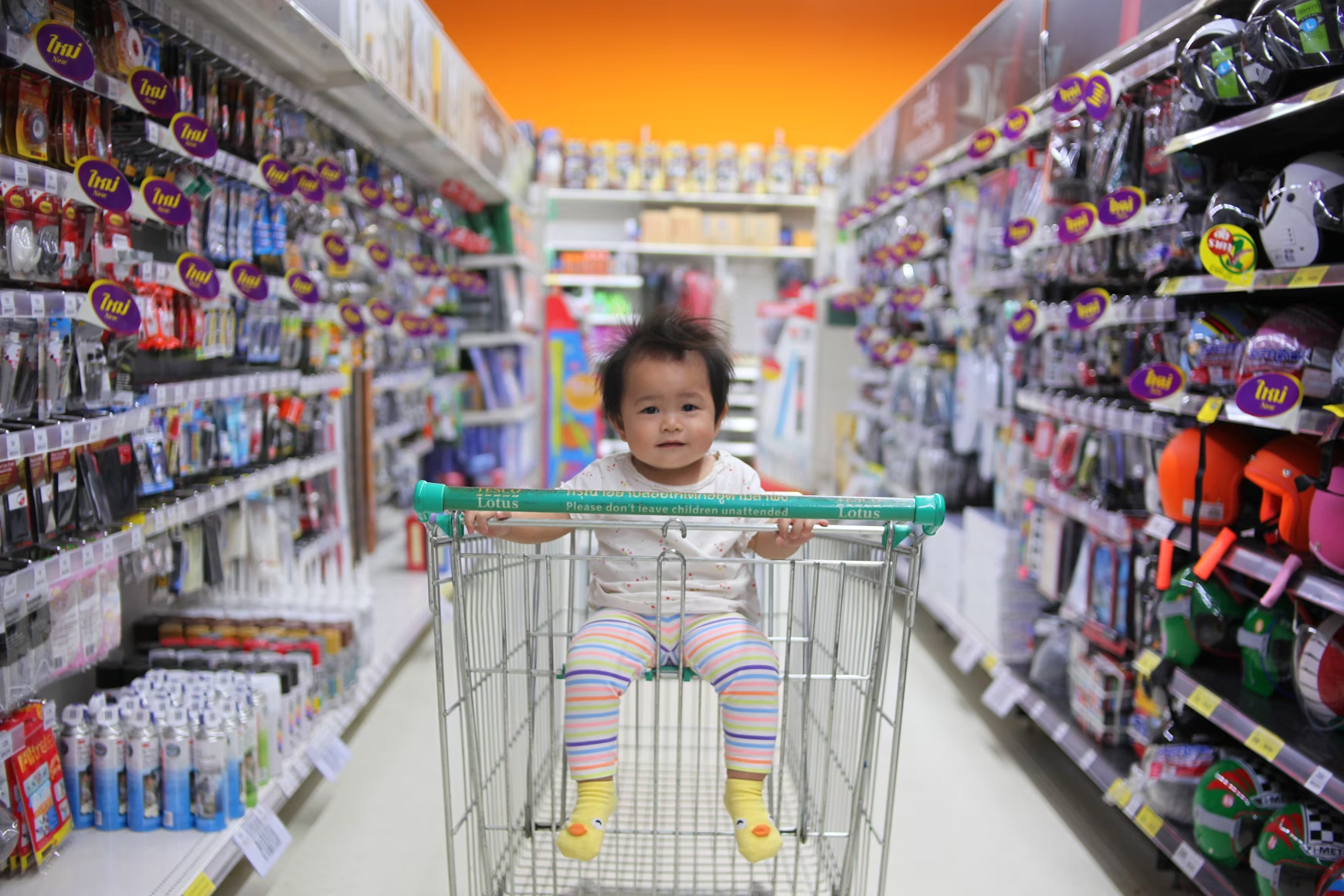
Baby sitting in a shopping cart in a store aisle.
Image Source: Unsplash

Welcoming a new baby is one of life’s most incredible milestones, but it can also become one of the most expensive. Between well-meaning advice, adorable marketing, and our instincts to prepare for every possible scenario, it’s easy to spend far more than necessary. The truth is, many items marketed to new parents aren’t just optional—they’re often outright wasteful.

Learning what you really need (and what you absolutely don’t) lets you redirect money toward what truly matters: keeping your child safe, healthy, and loved. Here are 10 unnecessary baby expenses that might seem like must-haves—but likely aren’t.

1. Crib Bumpers, Blankets, and Pillows

They’re sold as essentials that make a crib cozy, yet they’re neither necessary nor safe. Loose blankets, bumpers, and decorative pillows increase suffocation risk, so experts urge parents to keep cribs empty. All your baby needs is a snug-fitting sheet over a firm mattress.

Skipping these accessories saves money and provides a safer sleep space. Safe sleep beats cute décor every time. You could try wearable sleep sacks instead of loose covers, giving warmth without the hazards of extra bedding. Adhering to these guidelines can lower the incidence of sleep-related infant deaths linked to soft objects in the crib.

2. The Fancy Stroller with All the Bells and Whistles

High-end strollers can cost more than $1,000 but rarely add safety or real convenience. A well-rated, mid-range model—or even a secondhand stroller—does the job beautifully. Babies grow fast, and you may swap strollers sooner than you think. Save the cash for future expenses or everyday necessities. Your baby won’t notice the brand, but your wallet will.

Check practical specs like total weight, fold size, and car-seat compatibility rather than chasing luxury aesthetics. When you’re finished with it, a lightly used mid-range stroller typically retains resale value better than a niche designer model—another quiet win for your budget.

3. Upgrading Your Home or Vehicle “For the Baby”

Expecting parents often feel pressured to buy a bigger house or newer car. Unless your current setup poses a genuine safety issue, major upgrades can wait. Taking on a larger mortgage or car payment can create long-term financial stress during an already costly season. Focus on affordable safety improvements instead of sweeping changes. Financial stability helps your whole family more than extra square footage.

Simple baby-proofing fixes—outlet covers, anti-tip straps, nonslip mats—deliver real safety without six-figure price tags. Local certified technicians can inspect your existing car seat installation for free, proving peace of mind needn’t come with a new-car smell.

4. Designer Baby Clothes (That They’ll Outgrow in Weeks)

Tiny jeans and branded onesies look adorable—but they fit for a blink. Babies spit up, blow out diapers, and outgrow outfits almost overnight. Accept hand-me-downs, shop secondhand, or stick to affordable basics for everyday wear. Reserve splurges for special occasions if you must. Comfort and practicality beat designer labels when laundry piles up.

Build a tiny “capsule wardrobe”: a handful of mix-and-match bodysuits and sleepers that rotate easily through the wash. The money saved can fund a bulk box of diapers or a college-fund deposit—investments that outlast any monogram.

5. Baby Shoes for Non-Walkers

They’re irresistibly cute, yet totally unnecessary before your child walks outdoors. Hard-soled shoes can even hinder natural foot development in infants. Soft booties or socks provide warmth without limiting movement. We recommend keeping early walkers barefoot indoors to strengthen arches and improve balance. Let sensory feedback from floors guide development now; stylish kicks can wait until playground adventures begin.

Skip the tiny sneakers until those wobbly steps turn into steady strides. Your baby’s feet will thank you—and so will your budget.

6. A High-End Changing Table

Dedicated changing tables look convenient, but a simple pad on a dresser, bed, or floor works just as well. Once diaper days end, that specialized furniture often gathers dust. Choose multi-use pieces that grow with your child and save both money and space. Practical beats Pinterest-perfect every time. Minimalism pays dividends in a small nursery.

Secure a contoured changing pad to a dresser with industry-standard safety straps, and you’ve met every practical need at a fraction of the cost. Later, simply remove the pad and you’ll have a regular dresser—no bulky relic reminding you of diaper duty.

7. Baby Wipe Warmers and Other Diapering Extras

A wipe warmer feels luxurious but adds cost and clutters outlets. Your hands can warm wipes in seconds for free. Prioritize essentials like quality diapers and cream over flashy gadgets. The fewer accessories you juggle, the simpler diaper changes become. Less gear equals less stress.

Constant warmth plus residual moisture can even foster bacterial growth inside the warmer—a problem you’ll never face with room-temperature wipes. Battery-free solutions also keep precious outlet space open for essentials like a white-noise machine or monitor.

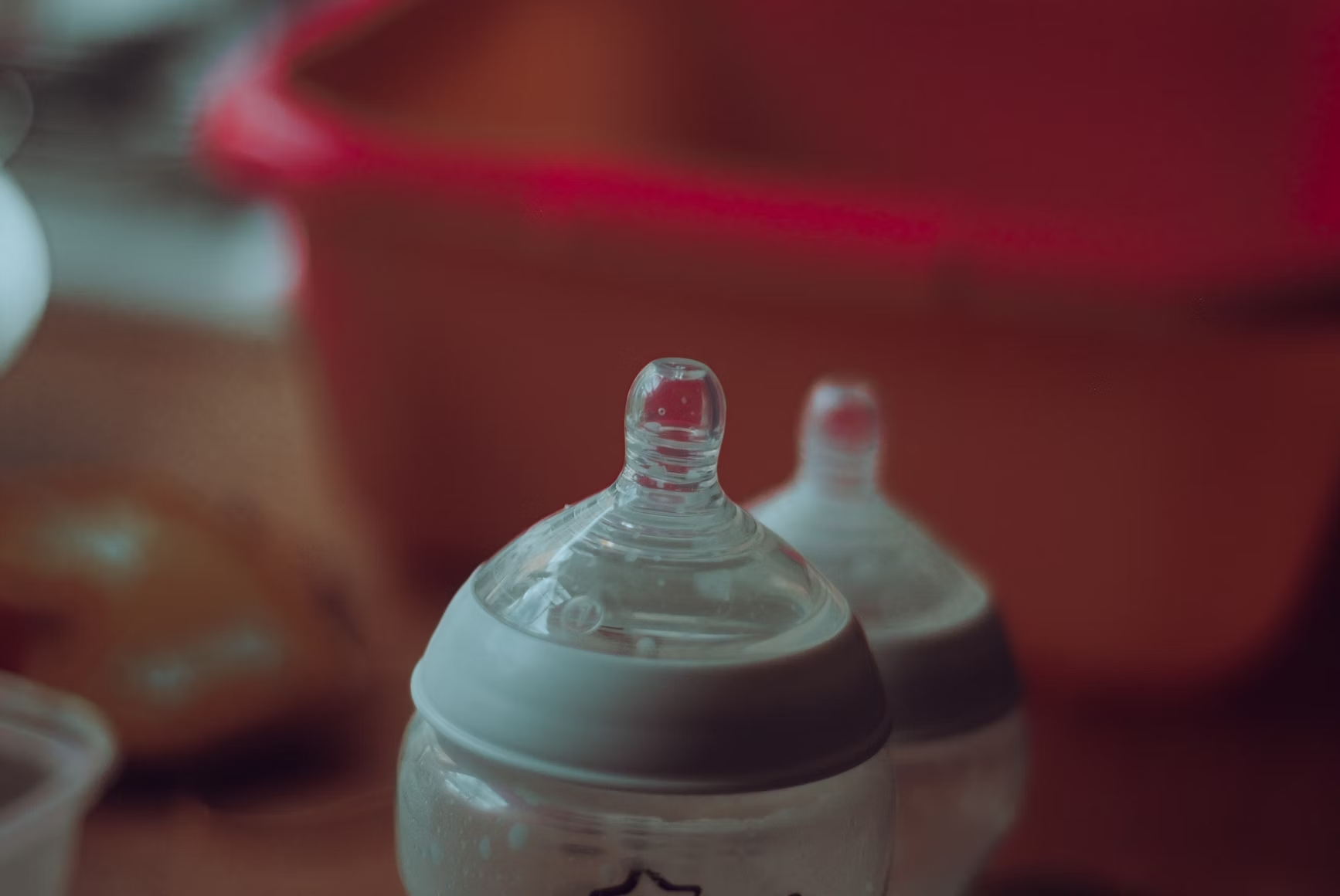
Close-up of baby bottles with clear silicone nipples.
Image Source: Unsplash

8. A Dozen Baby Bottles in Every Shape and Size

Stockpiling bottles before knowing what your baby prefers wastes money and cabinet space. Start with a few basics and adjust once you learn their feeding style. Babies may switch nipple flows or bottle types as they grow, so buying gradually prevents excess. Pay attention to what truly works rather than what’s on sale in bulk. Flexibility beats stockpiling.

Breastfed babies often have strong preferences, so trial-and-error with a few brands avoids cupboards full of rejects. Fewer unique parts also mean quicker sanitizing sessions, gifting you back minutes in a sleep-deprived day.

9. Toys. So. Many. Toys.

Babies are often more fascinated by household objects than pricey playthings. A small rotation of safe, engaging toys keeps interest high without overflowing bins. Swap or borrow toys with friends to refresh variety cheaply. Interaction with caregivers and simple items sparks development just as well. Your child values face-to-face play more than a mountain of gadgets.

A Montessori-style shelf with four or five options invites focused exploration and prevents overwhelm.
Community toy libraries or subscription boxes let you refresh selections sustainably without committing to permanent clutter.

10. Every Baby Gadget on the Market

From smart socks to automated formula machines, high-tech gadgets promise peace of mind but often deliver clutter and expense. Research thoroughly before buying and resist impulse purchases. Prioritize items that truly simplify life—most needs are met by traditional tools. Talk to experienced parents for honest feedback before investing. Sometimes the best gadget is the one you skip.

High-tech nursery devices depreciate quickly, and the secondhand market is already flooded with barely used versions—telling in itself. Renting specialized gear through short-term subscription services lets you test usefulness before making (or skipping) a big purchase.

Confidence Over Consumerism: Spend Where It Counts

Parenting doesn’t call for perfection or a warehouse of baby gear; it calls for presence, love, and smart choices. By skipping these unnecessary expenses, you ease your financial load and focus on what truly matters. Simpler often means saner, freeing you to enjoy those fleeting newborn moments.

Which purchases do you regret—or proudly avoid—and how has that decision helped your family? Share your experiences in the comments so other new parents can learn from you!

Read More

  • Is It Worth Buying Expensive Car Seats?
  • Cost-Effective Options for Building a Dog House in Your Backyard
Samantha Warren
Samantha

Samantha Warren is a holistic marketing strategist with 8+ years of experience partnering with startups, Fortune 500 companies, and everything in between. With an entrepreneurial mindset, she excels at shaping brand narratives through data-driven, creative content. When she’s not working, Samantha loves to travel and draws inspiration from her trips to Thailand, Spain, Costa Rica, and beyond.

Filed Under: Parenting Tagged With: baby budgeting, baby costs, Baby Gear, family finances, first-time parents, new parents, parenting on a budget, Saving Money

  • Facebook
  • Pinterest
  • RSS
  • Twitter

Basic Principles Of Good Parenting

Here some basic principles for good parenting:

  1. What You Do Matters: Your kids are watching you. So, be purposeful about what you want to accomplish.
  2. You Can’t be Too Loving: Don’t replace love with material possessions, lowered expectations or leniency.
  3. Be Involved Your Kids Life: Arrange your priorities to focus on what your kid’s needs. Be there mentally and physically.
  4. Adapt Your Parenting: Children grow quickly, so keep pace with your child’s development.
  5. Establish and Set Rules: The rules you set for children will establish the rules they set for themselves later.  Avoid harsh discipline and be consistent.
  6. Explain Your Decisions: What is obvious to you may not be evident to your child. They don’t have the experience you do.
  7. Be Respectful To Your Child: How you treat your child is how they will treat others.  Be polite, respectful and make an effort to pay attention.
Best Parenting Blogs

Most Popular

Baby Girl

12 “Grandma” Baby Names That Are Suddenly Cool Again

Evan Morgan
Baby

9 Baby Names That Sound Rare Without Being Hard to Spell

Evan Morgan
Target Store

Choking Incident Prompts Recall of 49,000 Target Gigglescape “Under the Sea” Popping Toys

Evan Morgan
Frustrated Girl

Why Some Students on the Spectrum Are Labeled With ODD

Evan Morgan
Coke Bottles

12 Things Kids Took to School in the ’70s That Would Never Be Allowed Today

Evan Morgan

All content on Kids Ain’t Cheap is for entertainment purposes only. By reading this blog, you agree that Kids Ain’t Cheap is not responsible for any actions taken after reading this blog. For the full disclaimer, see our privacy policy.

Please note that Kids Ain’t Cheap has financial relationships with some of the merchants mentioned here. Kids Ain’t Cheap is funded by banner advertising, commission sales and search optimization consulting.

Copyright © 2006–2026 | District Media | All Rights Reserved | Privacy Policy

Copyright © 2026 Runway Pro Theme by Viva la Violette