Welcoming a new baby is one of life’s most incredible milestones, but it can also become one of the most expensive. Between well-meaning advice, adorable marketing, and our instincts to prepare for every possible scenario, it’s easy to spend far more than necessary. The truth is, many items marketed to new parents aren’t just optional—they’re often outright wasteful.
Learning what you really need (and what you absolutely don’t) lets you redirect money toward what truly matters: keeping your child safe, healthy, and loved. Here are 10 unnecessary baby expenses that might seem like must-haves—but likely aren’t.
1. Crib Bumpers, Blankets, and Pillows
They’re sold as essentials that make a crib cozy, yet they’re neither necessary nor safe. Loose blankets, bumpers, and decorative pillows increase suffocation risk, so experts urge parents to keep cribs empty. All your baby needs is a snug-fitting sheet over a firm mattress.
Skipping these accessories saves money and provides a safer sleep space. Safe sleep beats cute décor every time. You could try wearable sleep sacks instead of loose covers, giving warmth without the hazards of extra bedding. Adhering to these guidelines can lower the incidence of sleep-related infant deaths linked to soft objects in the crib.
2. The Fancy Stroller with All the Bells and Whistles
High-end strollers can cost more than $1,000 but rarely add safety or real convenience. A well-rated, mid-range model—or even a secondhand stroller—does the job beautifully. Babies grow fast, and you may swap strollers sooner than you think. Save the cash for future expenses or everyday necessities. Your baby won’t notice the brand, but your wallet will.
Check practical specs like total weight, fold size, and car-seat compatibility rather than chasing luxury aesthetics. When you’re finished with it, a lightly used mid-range stroller typically retains resale value better than a niche designer model—another quiet win for your budget.
3. Upgrading Your Home or Vehicle “For the Baby”
Expecting parents often feel pressured to buy a bigger house or newer car. Unless your current setup poses a genuine safety issue, major upgrades can wait. Taking on a larger mortgage or car payment can create long-term financial stress during an already costly season. Focus on affordable safety improvements instead of sweeping changes. Financial stability helps your whole family more than extra square footage.
Simple baby-proofing fixes—outlet covers, anti-tip straps, nonslip mats—deliver real safety without six-figure price tags. Local certified technicians can inspect your existing car seat installation for free, proving peace of mind needn’t come with a new-car smell.
4. Designer Baby Clothes (That They’ll Outgrow in Weeks)
Tiny jeans and branded onesies look adorable—but they fit for a blink. Babies spit up, blow out diapers, and outgrow outfits almost overnight. Accept hand-me-downs, shop secondhand, or stick to affordable basics for everyday wear. Reserve splurges for special occasions if you must. Comfort and practicality beat designer labels when laundry piles up.
Build a tiny “capsule wardrobe”: a handful of mix-and-match bodysuits and sleepers that rotate easily through the wash. The money saved can fund a bulk box of diapers or a college-fund deposit—investments that outlast any monogram.
5. Baby Shoes for Non-Walkers
They’re irresistibly cute, yet totally unnecessary before your child walks outdoors. Hard-soled shoes can even hinder natural foot development in infants. Soft booties or socks provide warmth without limiting movement. We recommend keeping early walkers barefoot indoors to strengthen arches and improve balance. Let sensory feedback from floors guide development now; stylish kicks can wait until playground adventures begin.
Skip the tiny sneakers until those wobbly steps turn into steady strides. Your baby’s feet will thank you—and so will your budget.
6. A High-End Changing Table
Dedicated changing tables look convenient, but a simple pad on a dresser, bed, or floor works just as well. Once diaper days end, that specialized furniture often gathers dust. Choose multi-use pieces that grow with your child and save both money and space. Practical beats Pinterest-perfect every time. Minimalism pays dividends in a small nursery.
Secure a contoured changing pad to a dresser with industry-standard safety straps, and you’ve met every practical need at a fraction of the cost. Later, simply remove the pad and you’ll have a regular dresser—no bulky relic reminding you of diaper duty.
7. Baby Wipe Warmers and Other Diapering Extras
A wipe warmer feels luxurious but adds cost and clutters outlets. Your hands can warm wipes in seconds for free. Prioritize essentials like quality diapers and cream over flashy gadgets. The fewer accessories you juggle, the simpler diaper changes become. Less gear equals less stress.
Constant warmth plus residual moisture can even foster bacterial growth inside the warmer—a problem you’ll never face with room-temperature wipes. Battery-free solutions also keep precious outlet space open for essentials like a white-noise machine or monitor.
8. A Dozen Baby Bottles in Every Shape and Size
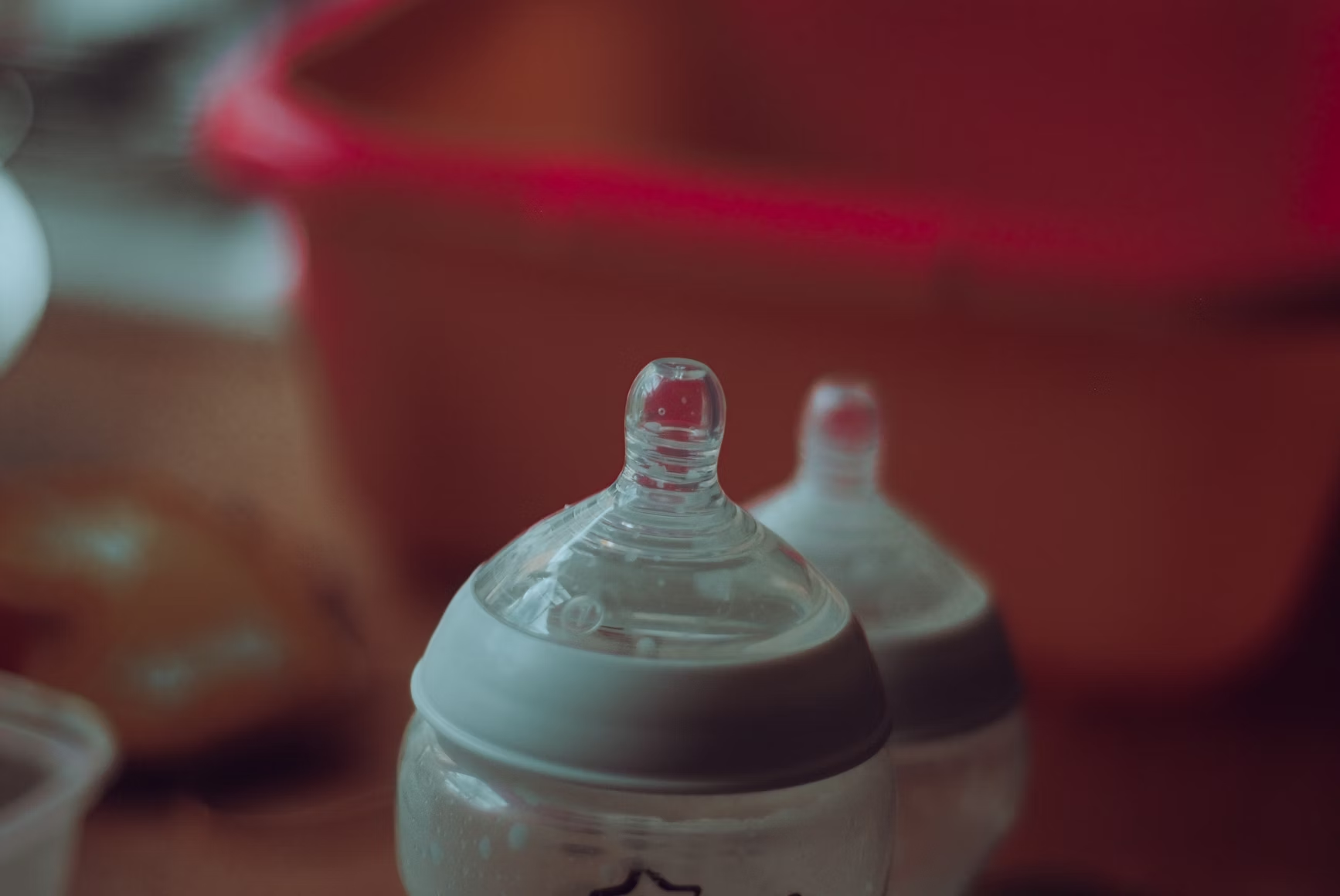
Stockpiling bottles before knowing what your baby prefers wastes money and cabinet space. Start with a few basics and adjust once you learn their feeding style. Babies may switch nipple flows or bottle types as they grow, so buying gradually prevents excess. Pay attention to what truly works rather than what’s on sale in bulk. Flexibility beats stockpiling.
Breastfed babies often have strong preferences, so trial-and-error with a few brands avoids cupboards full of rejects. Fewer unique parts also mean quicker sanitizing sessions, gifting you back minutes in a sleep-deprived day.
9. Toys. So. Many. Toys.
Babies are often more fascinated by household objects than pricey playthings. A small rotation of safe, engaging toys keeps interest high without overflowing bins. Swap or borrow toys with friends to refresh variety cheaply. Interaction with caregivers and simple items sparks development just as well. Your child values face-to-face play more than a mountain of gadgets.
A Montessori-style shelf with four or five options invites focused exploration and prevents overwhelm.
Community toy libraries or subscription boxes let you refresh selections sustainably without committing to permanent clutter.
10. Every Baby Gadget on the Market
From smart socks to automated formula machines, high-tech gadgets promise peace of mind but often deliver clutter and expense. Research thoroughly before buying and resist impulse purchases. Prioritize items that truly simplify life—most needs are met by traditional tools. Talk to experienced parents for honest feedback before investing. Sometimes the best gadget is the one you skip.
High-tech nursery devices depreciate quickly, and the secondhand market is already flooded with barely used versions—telling in itself. Renting specialized gear through short-term subscription services lets you test usefulness before making (or skipping) a big purchase.
Confidence Over Consumerism: Spend Where It Counts
Parenting doesn’t call for perfection or a warehouse of baby gear; it calls for presence, love, and smart choices. By skipping these unnecessary expenses, you ease your financial load and focus on what truly matters. Simpler often means saner, freeing you to enjoy those fleeting newborn moments.
Which purchases do you regret—or proudly avoid—and how has that decision helped your family? Share your experiences in the comments so other new parents can learn from you!
Read More
- Is It Worth Buying Expensive Car Seats?
- Cost-Effective Options for Building a Dog House in Your Backyard

Samantha Warren is a holistic marketing strategist with 8+ years of experience partnering with startups, Fortune 500 companies, and everything in between. With an entrepreneurial mindset, she excels at shaping brand narratives through data-driven, creative content. When she’s not working, Samantha loves to travel and draws inspiration from her trips to Thailand, Spain, Costa Rica, and beyond.
Read More
I have a young daughter and am realizing just how expensive it can be when it comes to…

Parenting often involves balancing discipline, guidance, and love—but sometimes, even well-meaning parents make emotional missteps…

123rf.com Breastfeeding is one of those things that gets romanticized and warned about in equal…


123rf.com Relationships can be beautiful, but they can also be incredibly confusing, especially when you’re…

I have friends who, for their 16th birthday received a car as their gift from…

There was a time when school spirit days were simple. Pajama Day? Easy. Hat Day?…


Leave a Reply