• Home
  • About Us
  • Toolkit
  • Archives
  • Advertise
  • Privacy Policy

Kids Ain't Cheap

But They Sure Are Worth It

  • Parenting
    • Baby Stuff
    • Books and Reading
      • Aesops Fables
      • Comic Books
    • Education
    • Family Time
    • Green Living
    • Growing Up
    • Healthy Living & Eating
    • Holidays
    • Parenting
    • Random Musings
    • Shopping
    • Stuff to Do
  • Money
  • Product Reviews
    • Books and Magazines
    • Discount Sites
    • Furniture
    • House Keeping
    • Reviews News
    • Toys and Games
  • Contact Us
  • Our Editorial Commitment
  • Search

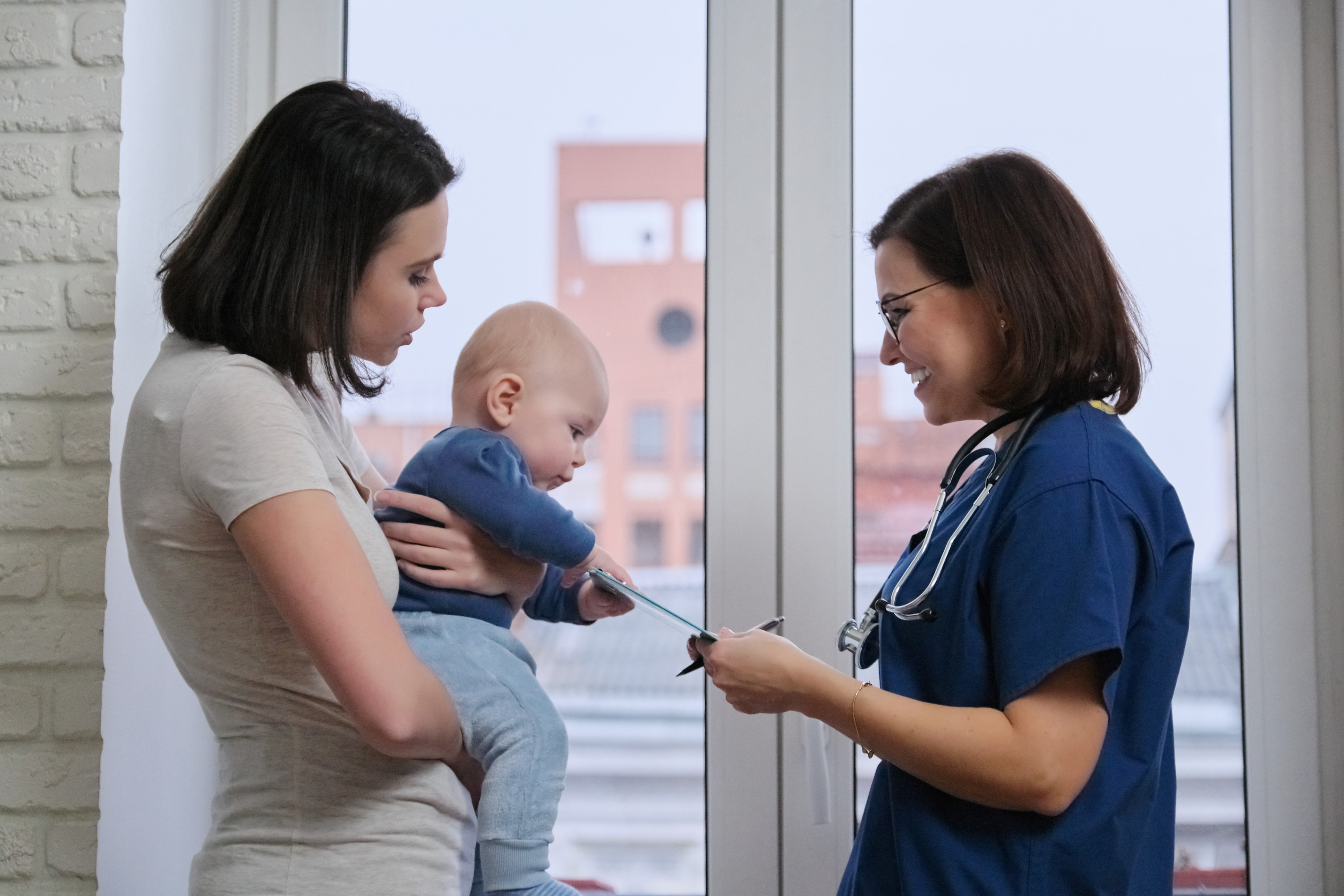
Why Are Pediatric ER Visits Rising for First-Time Parents?

September 26, 2025 | Leave a Comment

Why Are Pediatric ER Visits Rising for First-Time Parents?
Image source: 123rf.com

Every new parent faces moments of worry, but recent data shows a surprising trend: pediatric ER visits are climbing, particularly among families experiencing parenthood for the first time. While many trips end with reassurance and minor treatments, the emotional and financial costs add up quickly. Understanding why this surge is happening helps parents feel less alone and more prepared, while also highlighting practical steps to reduce unnecessary stress and medical expenses.

Anxiety and Uncertainty Drive Pediatric ER Visits

First-time parents often face heightened anxiety because every cough, bump, or fever feels alarming. Without years of parenting experience, it can be difficult to know what’s normal and what requires urgent care. This uncertainty frequently leads to precautionary pediatric ER visits, even when issues might be resolved at home or through a quick call to a pediatrician. Hospitals report that reassurance and education are often the outcomes of these visits, rather than intensive treatment. For parents, learning to recognize common childhood symptoms can ease fears and reduce emergency room dependence.

Lack of After-Hours Care Options

One major reason pediatric ER visits rise among new parents is the limited availability of after-hours medical care. Pediatricians’ offices often close by early evening, and urgent care centers aren’t always open 24 hours a day or every day during the week. Faced with a baby crying late at night or a toddler developing a sudden rash, parents often feel they have no choice but to head to the emergency room. This lack of accessible alternatives puts extra strain on hospitals and increases family stress. Expanding access to pediatric urgent care could significantly reduce unnecessary ER visits.

Information Overload and Conflicting Advice

In today’s digital age, new parents often turn to the internet when they notice unusual symptoms in their child. While online resources can provide guidance, they also generate confusion with conflicting advice. Searching symptoms frequently results in worst-case scenarios, convincing parents that an ER visit is the safest choice. Social media groups and parenting forums can add to the pressure by amplifying alarming anecdotes. This cycle of information overload contributes directly to rising pediatric ER visits, as parents err on the side of caution.

First Illnesses Feel Like Crises

The first fever, first stomach bug, or first allergic reaction can feel overwhelming for parents who have never experienced these situations before. Even when symptoms are mild, the unfamiliarity makes the situation feel urgent. Pediatricians often note that reassurance and education are the primary needs in these cases. Once parents have lived through a child’s first illness, their confidence tends to grow. Until then, the fear of missing something serious pushes many toward pediatric ER visits, even for relatively common ailments.

Financial and Emotional Impact of ER Trips

While hospitals provide necessary care, pediatric ER visits come with heavy financial costs, especially for families with high-deductible insurance plans. A single unnecessary visit can leave parents with hundreds or even thousands in bills. Beyond the money, the emotional toll is significant, as long wait times and stressful environments make the experience draining for both children and parents. This financial and emotional strain often fuels a cycle of guilt and anxiety that makes first-time parents even more likely to return. Educating families on lower-cost alternatives can help break this cycle.

How Pediatricians Can Support First-Time Parents

Medical professionals are increasingly aware of this growing issue and are seeking ways to support families outside of the ER. Some pediatric practices now offer after-hours nurse hotlines or telehealth services to guide parents through non-emergency concerns. By providing reliable access to professional reassurance, these services reduce unnecessary pediatric ER visits. Pediatricians also emphasize educating parents during regular checkups about when emergency care is truly needed. Building this confidence early can help new parents make calmer, more informed decisions.

Building Confidence Reduces Emergency Dependence

Ultimately, rising pediatric ER visits among first-time parents reflect a lack of confidence rather than poor parenting. With time, parents usually learn to distinguish between true emergencies and common childhood illnesses. Support networks, reliable healthcare guidance, and experience all play roles in this growth. By creating more opportunities for parents to access accurate advice outside the hospital, healthcare systems can ease the burden on ERs. In turn, parents can save money, avoid stress, and feel empowered in their caregiving journey.

A Key Takeaway for New Parents

The rise in pediatric ER visits shows that first-time parents are not alone in their fears or uncertainties. While it’s natural to worry, building knowledge, seeking reliable advice, and exploring alternatives like nurse hotlines or urgent care can provide reassurance without the ER price tag. Each child’s health journey comes with challenges, but confidence grows with experience. The more prepared parents feel, the less likely they are to rush to the emergency room for non-urgent concerns. Being proactive about guidance and support can transform anxiety into confidence for the long term.

Have you ever faced a late-night parenting scare that led to an ER trip? Share your experience in the comments and help other first-time parents feel less alone.

What to Read Next…

6 Innocent Parenting Habits That Lead to Big Therapy Bills Later

Do Parenting Classes Actually Work—Or Just Create More Problems?

Should Parents Be Required to Disclose Their Kids’ Diagnoses to Babysitters?

Beyond The Report Card: 11 Discipline Methods That Secretly Backfire On Parents

8 Reasons Why “Free Range Parenting” Might Be Endangering Your Child

Catherine Reed
Catherine Reed

Catherine is a tech-savvy writer who has focused on the personal finance space for more than eight years. She has a Bachelor’s in Information Technology and enjoys showcasing how tech can simplify everyday personal finance tasks like budgeting, spending tracking, and planning for the future. Additionally, she’s explored the ins and outs of the world of side hustles and loves to share what she’s learned along the way. When she’s not working, you can find her relaxing at home in the Pacific Northwest with her two cats or enjoying a cup of coffee at her neighborhood cafe.


Filed Under: healthcare Tagged With: child healthcare, emergency room costs, family finances, first-time parents, parenting anxiety, parenting stress, pediatric ER visits

Unexpected Bills: 11 Medical Bills After A New Baby That Shock Parents

July 29, 2025 | Leave a Comment

Unexpected Bills 11 Medical Bills After A New Baby That Shock Parents
Image source: 123rf.com

There’s nothing quite like holding your newborn for the first time—until the hospital bills start arriving. For many new parents, the financial surprises come not in the form of diapers or formula, but from charges they never expected. Even with insurance, the range of expenses related to labor, delivery, and postpartum care can be eye-opening. From routine procedures to surprise fees buried in the fine print, those first weeks home can bring a wave of invoices that threaten to overshadow the joy. Let’s break down the most common medical bills after a new baby that catch parents off guard so you can be better prepared.

1. The “Extra” Delivery Room Charges

Many parents are stunned to find out that not all aspects of the delivery room experience are covered under standard maternity coverage. Charges can include everything from fetal monitoring to use of the birthing tub—even if it wasn’t used. Some hospitals also bill separately for a labor and delivery room versus a postpartum recovery room. These costs add up quickly, especially if labor is long or complications arise. Always ask in advance for a breakdown of what’s included in your hospital’s delivery package.

2. Epidural Anesthesia Fees

Getting an epidural for pain management is common, but few realize it often comes with a separate anesthesiologist bill. Even when administered in a hospital, the anesthesia team may bill independently from the hospital itself. Parents are frequently shocked to learn their insurance only covers part of this cost, depending on the provider’s network status. The bill for an epidural alone can reach several thousand dollars. Always check whether your anesthesiologist is in-network before giving the go-ahead.

3. NICU Charges for the Newborn

If your baby requires even a brief stay in the Neonatal Intensive Care Unit (NICU), the cost can be staggering. Charges often include daily room fees, specialized care, and constant monitoring—even for minor issues. Some parents mistakenly believe their newborn’s care is automatically rolled into their maternity coverage. In reality, your baby needs to be added to your insurance within 30 days for coverage to kick in. A short NICU stay can generate bills topping $10,000 without proper coverage.

4. Out-of-Network Pediatricians at Delivery

Many parents are surprised to learn the pediatrician who first examines their newborn may not be in their insurance network. Even if you’re delivering at an in-network hospital, individual doctors working there may bill separately. That newborn exam could cost hundreds, especially if it’s performed by a specialist or at odd hours. You usually don’t get to choose the pediatrician on call. Call ahead to the hospital to ask how they assign pediatricians and whether they accept your insurance.

5. Unexpected Lab Work and Newborn Screenings

Hospitals often run multiple tests on newborns in the first 24–48 hours. These include hearing tests, blood screenings, and genetic disorder panels, which aren’t always fully covered. Some of these tests are mandated by state law, while others are optional and billed separately. Parents frequently receive lab bills weeks later, wondering what the tests were even for. Always ask what’s included in newborn care and review any consent forms for optional tests.

6. Postpartum Mom’s Follow-Up Appointments

Postpartum care doesn’t end when you leave the hospital. You’ll likely have at least one follow-up appointment, and if complications arise, there may be several. While routine checkups may be included in maternity coverage, many insurance plans treat additional visits as general health care. These appointments can include wound checks, mental health screenings, and lactation consultations. It’s worth clarifying with your provider which postpartum services are considered preventive.

7. Lactation Consultant Visits

Lactation support can be a huge help, but it also comes with a cost. While the Affordable Care Act requires most plans to cover breastfeeding support, the reality is more complicated. Not all consultants are in-network, and not all plans cover unlimited visits. Some parents pay out of pocket for multiple sessions, especially if they struggle with latch issues or milk supply. Ask your pediatrician or OB for referrals to consultants that accept your insurance.

8. Circumcision Fees

If you choose to have your baby circumcised, be prepared—it’s often not included in standard newborn care. Many insurance plans treat it as elective, even if it’s done in the hospital. The cost may range from a few hundred to over a thousand dollars depending on the provider and setting. Some pediatricians don’t perform the procedure at all, requiring a referral to a specialist. Always ask beforehand about costs and insurance coverage.

9. Hospital “Boarding” Fees for Baby

Yes, your baby can be charged for staying in your hospital room. Some hospitals bill separately for what they consider “nursery services,” even if your baby never leaves your side. These charges can include bedding, nursing care, or even monitoring. Many parents assume it’s all part of their stay, only to be surprised by an itemized bill later. Be sure to ask what charges you might see for your newborn’s stay in your room.

10. Hearing Screenings Not Covered

Newborn hearing tests are required in most states, but that doesn’t mean they’re free. If the test is done by an outside contractor, it could be billed separately and not covered fully by insurance. Some parents report receiving bills months after discharge with no prior notice. You can ask the hospital who conducts the screening and how it will be billed. This can help prevent a surprise from showing up in your mailbox later.

11. Delayed Insurance Enrollment Penalties

The moment your baby is born, they need to be enrolled in your insurance plan—but not everyone realizes how urgent this is. If you delay, your insurance may not retroactively cover any of the baby’s hospital care. That means you could be on the hook for thousands in medical bills after a new baby if they aren’t added in time. Most insurers give a 30-day window but earlier is always better. Add your baby to your plan the same week they’re born to avoid costly missteps.

Prepare Now to Avoid Being Blindsided Later

The birth of a child should be filled with love and excitement; not stress over invoices you didn’t see coming. Understanding the kinds of medical bills after a new baby that commonly shock new parents can help you plan ahead and ask the right questions. A quick conversation with your insurer or provider can often save you from a hefty financial hit. No one can predict every outcome, but a little awareness goes a long way. Stay informed, and you’ll feel more in control of your growing family’s financial future.

Have you encountered any surprise bills after your baby was born? Share your story in the comments—we’d love to hear what caught you off guard.

Read More:

11 Medical Bills That Bankrupt New Parents

8 Hidden Fees In Daycare Contracts That Surprise You

Catherine Reed
Catherine Reed

Catherine is a tech-savvy writer who has focused on the personal finance space for more than eight years. She has a Bachelor’s in Information Technology and enjoys showcasing how tech can simplify everyday personal finance tasks like budgeting, spending tracking, and planning for the future. Additionally, she’s explored the ins and outs of the world of side hustles and loves to share what she’s learned along the way. When she’s not working, you can find her relaxing at home in the Pacific Northwest with her two cats or enjoying a cup of coffee at her neighborhood cafe.

Filed Under: Money and Finances Tagged With: baby hospital bills, first-time parents, maternity insurance, newborn costs, NICU charges, parenting expenses, postpartum care, surprise medical bills

9 Newborn Struggles That Catch First-Time Parents Off Guard

May 6, 2025 | Leave a Comment

Image by Tim Bish

You prepare for the diapers. You prepare for the sleepless nights. You read the books, ask the questions, and buy the swaddles with the best reviews. But no matter how ready you think you are, bringing home a newborn has a way of pulling the rug out from under your feet.

First-time parents quickly learn that the early days of newborn life come with a steep learning curve. It’s not just about keeping a tiny human alive. It’s about adapting to a new rhythm that no schedule, checklist, or parenting class can truly replicate. The reality often looks different than the Instagram snapshots or the stories your relatives tell with nostalgia-laced filters. It’s wonderful, yes, but it’s also overwhelming, disorienting, and exhausting in ways that don’t always get discussed.

Here are nine struggles that consistently catch first-time parents off guard, so if you’re in the thick of it, you know you’re not the only one.

1. The First Few Nights Are Nothing Like the Hospital

There’s something surreal about those first nights at home. In the hospital, there are nurses, constant support, and a sense of safety. Once you get home, that support vanishes, and suddenly, it’s just you and a newborn who doesn’t come with instructions. The quiet feels louder. Every sound your baby makes seems urgent. Every silence feels suspicious. Many new parents admit they didn’t sleep at all that first night—not because the baby was fussy, but because they were too anxious to close their eyes.

2. Feeding Doesn’t Always Go Smoothly

Whether you choose to breastfeed or bottle-feed, feeding can be far more stressful than you expected. Some babies don’t latch right away. Some fall asleep mid-feed. Some struggle with gas or reflux. And many parents find themselves doubting if their baby is getting enough, even when everything is going fine. The pressure to “get it right” is heavy, especially when you’re sleep-deprived, and your hormones are still crashing. Learning to feed your baby is a process, not a switch that flips the moment you deliver.

3. The Sleep Deprivation Hits Harder Than You Think

You know you’ll be tired. Everyone tells you that. But the level of fatigue that comes with caring for a newborn—especially in the first few weeks—is a different kind of exhaustion. It’s not just about the lack of sleep but the constant vigilance. The startles. The 2 a.m. Googling. The inability to fall back asleep because you’re replaying the last feeding in your mind. The sleep deprivation isn’t just physical. It’s mental, emotional, and deeply cumulative.

4. Newborns Make Scary Noises

Nobody tells you how noisy newborns actually are. They grunt. They squeak. They wheeze and hiccup and make sounds that seem like something is terribly wrong. Many first-time parents panic over what turns out to be totally normal newborn behavior. It takes time to learn which sounds are worth worrying about and which ones are just part of your baby adjusting to life outside the womb.

5. Diapering Isn’t Just Diapering

Changing a diaper sounds simple until you’re doing it for the fifth time in an hour with a baby who won’t stop wiggling. Then there’s diaper rash. Blowouts. Umbilical cord care. And the realization that you’re now deeply invested in someone else’s bowel movements. It’s not hard, but it is constant. And it can become surprisingly emotional when you’re already overwhelmed and unsure of what’s normal.

Image by Nathan Dumlao

6. You May Not Feel That “Overwhelming Joy” Right Away

There’s a lot of pressure to feel blissed out with love the moment your baby is born. But sometimes, those feelings take time to build. For many parents, especially mothers recovering from birth, those first few days are a haze of pain, adrenaline, and sheer survival. If you’re not immediately head over heels, you’re not broken. You’re adjusting. Love doesn’t always arrive in a flood. It often grows in quiet moments.

7. Your Baby Might Cry for No Reason

There will be times when you’ve fed, changed, rocked, bounced, shushed, and paced the floor—only to have your baby continue crying. It’s one of the most helpless feelings in the world. And while there are techniques that can help, sometimes babies cry simply because they’re babies. You’re not failing. You’re not missing something. You’re just in the middle of one of the hardest parts of newborn life.

8. Your Relationship With Your Partner Might Shift

You’re both exhausted. You’re both trying your best. But when you’re operating on three hours of sleep and high stress, even little things—like how someone folds the burp cloth—can turn into big arguments. The dynamics change quickly, and it’s easy to feel disconnected. This is normal. What matters most is communication, empathy, and remembering that you’re on the same team.

9. You’ll Question Yourself Constantly

Even with all the preparation in the world, nothing prepares you for how deeply you’ll question every decision. Should you let them nap longer? Are they too hot? Too cold? Should you call the pediatrician? It can feel like a constant mental loop of second-guessing and self-doubt. But here’s the truth: the fact that you’re worrying at all means you’re already doing better than you think. Instinct and confidence come with time. Give yourself grace.

You’re Not Alone

The newborn stage is one of the most raw, vulnerable, and transformative chapters in a parent’s life. It’s beautiful, yes—but also gritty and unpredictable. And if you find yourself struggling, confused, or overwhelmed, you are not alone. Every new parent walks this path with their own set of surprises, setbacks, and sweet, fleeting moments of joy.

What was the most surprising part of the newborn stage for you, or what do you wish someone had told you ahead of time?

Read More:

10 Ways To Get Your Newborn To Sleep Through The Night

Stop Right Now! 8 Things You MUST Quit After Welcoming Your Newborn

Filed Under: Parenting Tagged With: baby care, baby challenges, early motherhood, first-time parents, newborn surprises, newborn tips, parenting advice, parenting struggles, what to expect

Unnecessary Expenses: 10 Foolish Buys That Every New Parent Believes They Must Make

April 29, 2025 | Leave a Comment

Baby sitting in a shopping cart in a store aisle.
Image Source: Unsplash

Welcoming a new baby is one of life’s most incredible milestones, but it can also become one of the most expensive. Between well-meaning advice, adorable marketing, and our instincts to prepare for every possible scenario, it’s easy to spend far more than necessary. The truth is, many items marketed to new parents aren’t just optional—they’re often outright wasteful.

Learning what you really need (and what you absolutely don’t) lets you redirect money toward what truly matters: keeping your child safe, healthy, and loved. Here are 10 unnecessary baby expenses that might seem like must-haves—but likely aren’t.

1. Crib Bumpers, Blankets, and Pillows

They’re sold as essentials that make a crib cozy, yet they’re neither necessary nor safe. Loose blankets, bumpers, and decorative pillows increase suffocation risk, so experts urge parents to keep cribs empty. All your baby needs is a snug-fitting sheet over a firm mattress.

Skipping these accessories saves money and provides a safer sleep space. Safe sleep beats cute décor every time. You could try wearable sleep sacks instead of loose covers, giving warmth without the hazards of extra bedding. Adhering to these guidelines can lower the incidence of sleep-related infant deaths linked to soft objects in the crib.

2. The Fancy Stroller with All the Bells and Whistles

High-end strollers can cost more than $1,000 but rarely add safety or real convenience. A well-rated, mid-range model—or even a secondhand stroller—does the job beautifully. Babies grow fast, and you may swap strollers sooner than you think. Save the cash for future expenses or everyday necessities. Your baby won’t notice the brand, but your wallet will.

Check practical specs like total weight, fold size, and car-seat compatibility rather than chasing luxury aesthetics. When you’re finished with it, a lightly used mid-range stroller typically retains resale value better than a niche designer model—another quiet win for your budget.

3. Upgrading Your Home or Vehicle “For the Baby”

Expecting parents often feel pressured to buy a bigger house or newer car. Unless your current setup poses a genuine safety issue, major upgrades can wait. Taking on a larger mortgage or car payment can create long-term financial stress during an already costly season. Focus on affordable safety improvements instead of sweeping changes. Financial stability helps your whole family more than extra square footage.

Simple baby-proofing fixes—outlet covers, anti-tip straps, nonslip mats—deliver real safety without six-figure price tags. Local certified technicians can inspect your existing car seat installation for free, proving peace of mind needn’t come with a new-car smell.

4. Designer Baby Clothes (That They’ll Outgrow in Weeks)

Tiny jeans and branded onesies look adorable—but they fit for a blink. Babies spit up, blow out diapers, and outgrow outfits almost overnight. Accept hand-me-downs, shop secondhand, or stick to affordable basics for everyday wear. Reserve splurges for special occasions if you must. Comfort and practicality beat designer labels when laundry piles up.

Build a tiny “capsule wardrobe”: a handful of mix-and-match bodysuits and sleepers that rotate easily through the wash. The money saved can fund a bulk box of diapers or a college-fund deposit—investments that outlast any monogram.

5. Baby Shoes for Non-Walkers

They’re irresistibly cute, yet totally unnecessary before your child walks outdoors. Hard-soled shoes can even hinder natural foot development in infants. Soft booties or socks provide warmth without limiting movement. We recommend keeping early walkers barefoot indoors to strengthen arches and improve balance. Let sensory feedback from floors guide development now; stylish kicks can wait until playground adventures begin.

Skip the tiny sneakers until those wobbly steps turn into steady strides. Your baby’s feet will thank you—and so will your budget.

6. A High-End Changing Table

Dedicated changing tables look convenient, but a simple pad on a dresser, bed, or floor works just as well. Once diaper days end, that specialized furniture often gathers dust. Choose multi-use pieces that grow with your child and save both money and space. Practical beats Pinterest-perfect every time. Minimalism pays dividends in a small nursery.

Secure a contoured changing pad to a dresser with industry-standard safety straps, and you’ve met every practical need at a fraction of the cost. Later, simply remove the pad and you’ll have a regular dresser—no bulky relic reminding you of diaper duty.

7. Baby Wipe Warmers and Other Diapering Extras

A wipe warmer feels luxurious but adds cost and clutters outlets. Your hands can warm wipes in seconds for free. Prioritize essentials like quality diapers and cream over flashy gadgets. The fewer accessories you juggle, the simpler diaper changes become. Less gear equals less stress.

Constant warmth plus residual moisture can even foster bacterial growth inside the warmer—a problem you’ll never face with room-temperature wipes. Battery-free solutions also keep precious outlet space open for essentials like a white-noise machine or monitor.

Close-up of baby bottles with clear silicone nipples.
Image Source: Unsplash

8. A Dozen Baby Bottles in Every Shape and Size

Stockpiling bottles before knowing what your baby prefers wastes money and cabinet space. Start with a few basics and adjust once you learn their feeding style. Babies may switch nipple flows or bottle types as they grow, so buying gradually prevents excess. Pay attention to what truly works rather than what’s on sale in bulk. Flexibility beats stockpiling.

Breastfed babies often have strong preferences, so trial-and-error with a few brands avoids cupboards full of rejects. Fewer unique parts also mean quicker sanitizing sessions, gifting you back minutes in a sleep-deprived day.

9. Toys. So. Many. Toys.

Babies are often more fascinated by household objects than pricey playthings. A small rotation of safe, engaging toys keeps interest high without overflowing bins. Swap or borrow toys with friends to refresh variety cheaply. Interaction with caregivers and simple items sparks development just as well. Your child values face-to-face play more than a mountain of gadgets.

A Montessori-style shelf with four or five options invites focused exploration and prevents overwhelm.
Community toy libraries or subscription boxes let you refresh selections sustainably without committing to permanent clutter.

10. Every Baby Gadget on the Market

From smart socks to automated formula machines, high-tech gadgets promise peace of mind but often deliver clutter and expense. Research thoroughly before buying and resist impulse purchases. Prioritize items that truly simplify life—most needs are met by traditional tools. Talk to experienced parents for honest feedback before investing. Sometimes the best gadget is the one you skip.

High-tech nursery devices depreciate quickly, and the secondhand market is already flooded with barely used versions—telling in itself. Renting specialized gear through short-term subscription services lets you test usefulness before making (or skipping) a big purchase.

Confidence Over Consumerism: Spend Where It Counts

Parenting doesn’t call for perfection or a warehouse of baby gear; it calls for presence, love, and smart choices. By skipping these unnecessary expenses, you ease your financial load and focus on what truly matters. Simpler often means saner, freeing you to enjoy those fleeting newborn moments.

Which purchases do you regret—or proudly avoid—and how has that decision helped your family? Share your experiences in the comments so other new parents can learn from you!

Read More

  • Is It Worth Buying Expensive Car Seats?
  • Cost-Effective Options for Building a Dog House in Your Backyard
Samantha Warren
Samantha

Samantha Warren is a holistic marketing strategist with 8+ years of experience partnering with startups, Fortune 500 companies, and everything in between. With an entrepreneurial mindset, she excels at shaping brand narratives through data-driven, creative content. When she’s not working, Samantha loves to travel and draws inspiration from her trips to Thailand, Spain, Costa Rica, and beyond.

Filed Under: Parenting Tagged With: baby budgeting, baby costs, Baby Gear, family finances, first-time parents, new parents, parenting on a budget, Saving Money

5 Powerful Ways to Strengthen Your Marriage Before Having a Baby

April 25, 2025 | Leave a Comment

Image Source: Unsplash

A new baby is one of life’s greatest joys—and one of the biggest stress tests your relationship will ever face. Sleep deprivation, shifting roles, and the daily logistics of caring for a tiny human can strain even the healthiest partnership. Couples who carve out time before baby arrives to deepen connection often weather those early months with more patience, teamwork, and joy. The strategies below aren’t grand gestures; they’re small, intentional habits you can start today to strengthen your marriage before having a baby.

1. Make Dating Each Other a Non-Negotiable Habit

Once diapers and feedings rule the clock, impromptu dinners out become rare. Start now by scheduling a weekly “us” block—even if it’s just an hour after work spent playing a board game or cooking a new recipe together. The point is focused attention, not fancy plans. Research on relationship maintenance shows that couples who preserve regular couple time report higher satisfaction after children arrive. Put it on the calendar, treat it like an appointment, and practice ignoring phones while you’re together—you’ll need that muscle later.

Quick idea: Create an at-home date jar. Each of you writes low-effort ideas on slips of paper (e.g., “watch our first-date movie,” “plan a dream vacation slideshow”). Draw one whenever you need inspiration.

2. Learn—and Speak—Each Other’s Love Languages

Gary Chapman’s five Love Languages (words of affirmation, quality time, acts of service, gifts, physical touch) give you a shorthand for meeting emotional needs quickly—crucial when time and energy run low. Take the free quiz online, compare results, and brainstorm small ways to “speak” your partner’s language daily. Does acts of service top their list? A surprise coffee or folding the laundry can feel like a love letter. When the baby arrives, these tiny gestures reassure both partners that they’re still seen and valued.

3. Practice Conflict Skills and Fast Forgiveness

Disagreements about naps, budgets, or who’s on night duty will happen. Strengthen your “fight fair” muscles now:

  • Use soft start-ups (“I feel overwhelmed about…”) instead of blame.
  • Take 20-minute breaks if voices rise—physiological calm helps productive problem-solving.
  • Close each conflict with an actionable plan (“I’ll handle tomorrow’s pediatrician call; you prep dinner”).

Couples who repair conflicts quickly experience less lingering resentment and better postpartum mental health. Remember: you and your partner are a team, not opponents.

4. Put Your Marriage on the Family Priority List

Babies require near-constant attention, but your partnership still needs nurturing. Discuss in advance how you’ll keep it a priority. Ideas:

  • Daily check-ins: ten minutes after baby’s bedtime to share highs, lows, and gratitude.
  • Micro-dates: grandparent or friend watches the baby while you walk the block with coffee.
  • Boundary setting: agree to protect couple time from unnecessary phone or social-media scrolling.

A stable, loving marriage is a gift you give your child—it models healthy attachment and teamwork.

5. Schedule Weekly “Expectation Check-Ins”

Pregnancy often brings unspoken assumptions about feeding choices, division of labor, finances, or visiting family. Set aside a weekly chat (Sunday evenings work well) to cover:

  1. Feelings check: What’s exciting or worrying you this week?
  2. Logistics: Who’s handling which tasks (nursery prep, insurance paperwork)?
  3. Future roles: How do we envision nights, chores, and career plans after baby arrives?

These conversations surface differences before exhaustion hits and build trust that you can tackle tough topics together.

Close-up of two people holding hands gently
Image Source: Unsplash

Strong Partnerships Begin With Small, Consistent Choices

Strengthening your marriage before having a baby isn’t about perfection; it’s about practicing presence, empathy, and flexibility. By dating intentionally, speaking each other’s love language, handling conflict with grace, prioritizing the partnership, and checking in often, you create a resilient foundation. When sleepless nights and diaper piles arrive, that foundation becomes the safety net that keeps you united and your growing family thriving.

How are you preparing your relationship for parenthood? Drop your favorite tip—or biggest worry—in the comments. Your insight could encourage another couple on the same path.

Read More

  • 10 Questions to Ask Each Other Before Marriage
  • How to Make the Most of Your Baby Registry

Samantha Warren
Samantha

Samantha Warren is a holistic marketing strategist with 8+ years of experience partnering with startups, Fortune 500 companies, and everything in between. With an entrepreneurial mindset, she excels at shaping brand narratives through data-driven, creative content. When she’s not working, Samantha loves to travel and draws inspiration from her trips to Thailand, Spain, Costa Rica, and beyond.

Filed Under: Parenting Tagged With: communication in marriage, first-time parents, love languages, marriage and parenting, new parents | Relationships & Parenting, preparing for baby, relationship advice

  • Facebook
  • Pinterest
  • RSS
  • Twitter

Basic Principles Of Good Parenting

Here some basic principles for good parenting:

  1. What You Do Matters: Your kids are watching you. So, be purposeful about what you want to accomplish.
  2. You Can’t be Too Loving: Don’t replace love with material possessions, lowered expectations or leniency.
  3. Be Involved Your Kids Life: Arrange your priorities to focus on what your kid’s needs. Be there mentally and physically.
  4. Adapt Your Parenting: Children grow quickly, so keep pace with your child’s development.
  5. Establish and Set Rules: The rules you set for children will establish the rules they set for themselves later.  Avoid harsh discipline and be consistent.
  6. Explain Your Decisions: What is obvious to you may not be evident to your child. They don’t have the experience you do.
  7. Be Respectful To Your Child: How you treat your child is how they will treat others.  Be polite, respectful and make an effort to pay attention.
Best Parenting Blogs

Most Popular

Baby

9 Unusual Baby Names That Sound Like They Belong to Future CEOs

Evan Morgan
Baby

10 Baby Names That Were Once Considered “Grandparent Names” but Feel Cool Again

Evan Morgan
Target Store

Choking Incident Prompts Recall of 49,000 Target Gigglescape “Under the Sea” Popping Toys

Evan Morgan
Frustrated Girl

Why Some Students on the Spectrum Are Labeled With ODD

Evan Morgan
Coke Bottles

12 Things Kids Took to School in the ’70s That Would Never Be Allowed Today

Evan Morgan

All content on Kids Ain’t Cheap is for entertainment purposes only. By reading this blog, you agree that Kids Ain’t Cheap is not responsible for any actions taken after reading this blog. For the full disclaimer, see our privacy policy.

Please note that Kids Ain’t Cheap has financial relationships with some of the merchants mentioned here. Kids Ain’t Cheap is funded by banner advertising, commission sales and search optimization consulting.

Copyright © 2006–2026 | District Media | All Rights Reserved | Privacy Policy

Copyright © 2026 Runway Pro Theme by Viva la Violette