• Home
  • About Us
  • Toolkit
  • Archives
  • Advertise
  • Privacy Policy

Kids Ain't Cheap

But They Sure Are Worth It

  • Parenting
    • Baby Stuff
    • Books and Reading
      • Aesops Fables
      • Comic Books
    • Education
    • Family Time
    • Green Living
    • Growing Up
    • Healthy Living & Eating
    • Holidays
    • Parenting
    • Random Musings
    • Shopping
    • Stuff to Do
  • Money
  • Product Reviews
    • Books and Magazines
    • Discount Sites
    • Furniture
    • House Keeping
    • Reviews News
    • Toys and Games
  • Contact Us
  • Our Editorial Commitment
  • Search

5 Powerful Ways to Strengthen Your Marriage Before Having a Baby

April 25, 2025 | Leave a Comment

Image Source: Unsplash

A new baby is one of life’s greatest joys—and one of the biggest stress tests your relationship will ever face. Sleep deprivation, shifting roles, and the daily logistics of caring for a tiny human can strain even the healthiest partnership. Couples who carve out time before baby arrives to deepen connection often weather those early months with more patience, teamwork, and joy. The strategies below aren’t grand gestures; they’re small, intentional habits you can start today to strengthen your marriage before having a baby.

1. Make Dating Each Other a Non-Negotiable Habit

Once diapers and feedings rule the clock, impromptu dinners out become rare. Start now by scheduling a weekly “us” block—even if it’s just an hour after work spent playing a board game or cooking a new recipe together. The point is focused attention, not fancy plans. Research on relationship maintenance shows that couples who preserve regular couple time report higher satisfaction after children arrive. Put it on the calendar, treat it like an appointment, and practice ignoring phones while you’re together—you’ll need that muscle later.

Quick idea: Create an at-home date jar. Each of you writes low-effort ideas on slips of paper (e.g., “watch our first-date movie,” “plan a dream vacation slideshow”). Draw one whenever you need inspiration.

2. Learn—and Speak—Each Other’s Love Languages

Gary Chapman’s five Love Languages (words of affirmation, quality time, acts of service, gifts, physical touch) give you a shorthand for meeting emotional needs quickly—crucial when time and energy run low. Take the free quiz online, compare results, and brainstorm small ways to “speak” your partner’s language daily. Does acts of service top their list? A surprise coffee or folding the laundry can feel like a love letter. When the baby arrives, these tiny gestures reassure both partners that they’re still seen and valued.

3. Practice Conflict Skills and Fast Forgiveness

Disagreements about naps, budgets, or who’s on night duty will happen. Strengthen your “fight fair” muscles now:

  • Use soft start-ups (“I feel overwhelmed about…”) instead of blame.
  • Take 20-minute breaks if voices rise—physiological calm helps productive problem-solving.
  • Close each conflict with an actionable plan (“I’ll handle tomorrow’s pediatrician call; you prep dinner”).

Couples who repair conflicts quickly experience less lingering resentment and better postpartum mental health. Remember: you and your partner are a team, not opponents.

4. Put Your Marriage on the Family Priority List

Babies require near-constant attention, but your partnership still needs nurturing. Discuss in advance how you’ll keep it a priority. Ideas:

  • Daily check-ins: ten minutes after baby’s bedtime to share highs, lows, and gratitude.
  • Micro-dates: grandparent or friend watches the baby while you walk the block with coffee.
  • Boundary setting: agree to protect couple time from unnecessary phone or social-media scrolling.

A stable, loving marriage is a gift you give your child—it models healthy attachment and teamwork.

5. Schedule Weekly “Expectation Check-Ins”

Pregnancy often brings unspoken assumptions about feeding choices, division of labor, finances, or visiting family. Set aside a weekly chat (Sunday evenings work well) to cover:

  1. Feelings check: What’s exciting or worrying you this week?
  2. Logistics: Who’s handling which tasks (nursery prep, insurance paperwork)?
  3. Future roles: How do we envision nights, chores, and career plans after baby arrives?

These conversations surface differences before exhaustion hits and build trust that you can tackle tough topics together.

Close-up of two people holding hands gently
Image Source: Unsplash

Strong Partnerships Begin With Small, Consistent Choices

Strengthening your marriage before having a baby isn’t about perfection; it’s about practicing presence, empathy, and flexibility. By dating intentionally, speaking each other’s love language, handling conflict with grace, prioritizing the partnership, and checking in often, you create a resilient foundation. When sleepless nights and diaper piles arrive, that foundation becomes the safety net that keeps you united and your growing family thriving.

How are you preparing your relationship for parenthood? Drop your favorite tip—or biggest worry—in the comments. Your insight could encourage another couple on the same path.

Read More

  • 10 Questions to Ask Each Other Before Marriage
  • How to Make the Most of Your Baby Registry

Samantha Warren
Samantha

Samantha Warren is a holistic marketing strategist with 8+ years of experience partnering with startups, Fortune 500 companies, and everything in between. With an entrepreneurial mindset, she excels at shaping brand narratives through data-driven, creative content. When she’s not working, Samantha loves to travel and draws inspiration from her trips to Thailand, Spain, Costa Rica, and beyond.
Filed Under: Parenting Tagged With: communication in marriage, first-time parents, love languages, marriage and parenting, new parents | Relationships & Parenting, preparing for baby, relationship advice

Preparing for Baby: The Hospital Bag

November 20, 2013 | 1 Comment

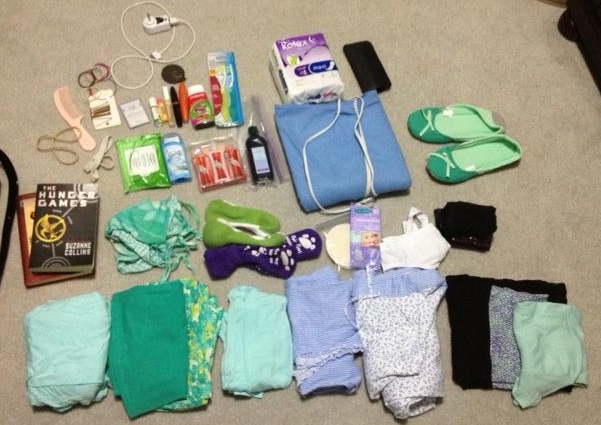
hospital bagA friend of mine recently called to ask for some advice about what exactly to pack for her hospital bag as she and her husband are prepping for the arrival of their first baby. The hospital bag can save your sanity. I honestly don’t think you can ever be prepared enough. I’d rather have too much of something than not enough, especially if you’re a long way from home. Here is a list of things that you should remember to pack in your hospital bag.


Prepping the Hospital Bag for Mom

I forgot a lot of stuff for myself, I was so concentrated on making sure everything for baby was packed I didn’t remember everything for myself. Lesson learned. Things that a mom will need include:

  • Comfortable, loose, clothes of your own. I was hospitalized for a week due to c/section complications, after a few days I was more than ready to get out of a hospital gown and put my own clothes on. Especially if you have a c/section, make sure they’ve very loose-fitting. If you’re breastfeeding, make sure your clothes are easily accessible since in the early days you will be nursing often and need easy access. I bought two t-shirts at Old Navy that were light, loose and had button snaps to open and close it at the neckline. I wasn’t concerned about fashion but more functionality and comfort. I opted to wear PJ pants that I could get on and off easily.
  • Nursing Bra
  • Toiletries
  • Snacks for you and spouse. Though I had access to yummy food of my own at the push of a button, my husband, who stayed with me, did not. I also didn’t want to call for small snacks or a drink so we brought a bag of our own snacks and it was very helpful! {This is also a great gift idea for expecting moms. Find out what their favorite snacks and drinks are and put a little bag together for their hospital!}
  • Nursing pillow. Not everyone uses a nursing pillow, I personally found it helpful, especially when first learning.
  • Camera/cell phone plus all required chargers.


What You Need for Baby

  • Warm clothes. Though there are a ton of cute newborn clothes, stick with practicality. Newborn sleepers that button or zip work well and most have feet and hand covers. Remember a small hat too, regardless of season (our daughter was born in June) since babies are used to a very warm environment.
  • Diapers/wipes. Our hospital had a full stash of newborn diapers in our room for use but it’s always nice to have your own and not all hospitals provide them. If you’re cloth diapering, you may want to wait until you get home to start since you likely won’t have access to laundry.
  • Swaddling blankets. Again, the hospital provided blankets for us but not to take home and we wanted to get comfortable using the ones we would be using at home.
  • Car seat. We were not allowed to leave the hospital until the nurse signed off on her placement within a car seat. This is for both her and our safety.

Though we forgot our camera, I was glad we had our phones to snap her first pictures. You can never be too prepared for baby’s arrival if you think you’ll need it, bring it!

Catherine
Catherine

Catherine is a first time momma to a rambunctious toddler. When she isn’t soaking up all that motherhood has to offer, you can find her blogging over at Plunged in Debt where she chronicles her and her husbands journey out of debt. You can also follow her on Twitter.

plungedindebt.com

Filed Under: Medical Tagged With: Hospital, Hospital Bags, preparing for baby, The Hospital

How to Make the Most of Your Baby Registry

November 2, 2010 | Leave a Comment

Ideas for what to list on your baby shower registryOne of the most exciting things about having a new baby is preparing for their arrival. Suddenly, you have to prepare your home, as well as yourself and for family, for an extra person. The best tool that new parents have at their disposal is the baby registry.

Whether you have been looking forward to this moment since childhood or find it a tacky practice, a baby registry is an excellent way to get the things you need. People want to give you gifts, whether you like it or not. Think of a baby registry as if all the people who will buy you gifts got together and decided to get things that matched, things you wanted, and just enough of what you need.

A baby registry can be a lot of fun, but if you fill it with impractical things, you will get less of what you actually need. Here are some tips to make the most of your baby registry:

Figure out what you’ll actually need

There are lots of adorable and completely impractical things for sale in the baby aisle. These are things that you and your partner can buy the baby yourselves.

Furniture

You will need a place for the baby to sleep, for example. Don’t forget crib sheets and bumper sets. You will also need a car seat (you often can’t leave the hospital without one) and a safe place to set down your baby during the day.

Clothing

Only register for the bare minimum. Some people will not buy off of your registry. Those people will buy you clothes. If you register for as many clothes as you’ll actually need, you’ll end up with a lot more than you need.

Diapers

This includes wipes, diaper cream and other diapering aides. Decide on a brand, and register for a couple bags of each size.

Food

Whether you plan to breast feed or to bottle feed, you will need some stuff. Bottles, nipples and formula are basic for bottle-feeding, and breast feedings moms might need a pump and storage containers. Once the baby is used to eating solids, Hipp baby food and similar products are also something to look out for.

Start Researching Early

You’ll want to have your baby shower a month or longer before you are due. You’ll want to give your guests at least four weeks to buy a gift. And it might take you a month to decide on all the brands you want. So you should start this process as early into your pregnancy as possible.

When deciding on what store to register at, there are several things to keep in mind. You want a store that is accessible not only to you but to your loved ones as well. Online shopping is handy as well. A large chain store might be your best bet if your family is spread out.

Talk to Other People

Ask for suggestions

A pregnant woman is inundated with “helpful” tips by nearly every other woman on the planet. It becomes hard to keep track of who suggested what, but try to steer these conversations towards what you should register for. Fellow moms will help you remember the little things that you might not realize you need: like a bottle brush or gas relief medication.

Tell People

The whole purpose of having a registry is to tell people what you need for the baby. So you have to make sure you tell the people where it is! Have family and friends spread the word for you, post it on social media networks, and add the information to your baby shower invites.

Brian
Brian

Brian is the founder of Kids Ain’t Cheap and is now sharing his journey through parenthood.

 
Email • Google + • Facebook • Twitter

Filed Under: Baby Stuff, Baby Stuff Tagged With: baby clothes, baby food, baby furniture, baby registry, Baby Shower, Diapers, gift registry, preparing for baby

  • Facebook
  • Pinterest
  • RSS
  • Twitter

Basic Principles Of Good Parenting

Here some basic principles for good parenting:

  1. What You Do Matters: Your kids are watching you. So, be purposeful about what you want to accomplish.
  2. You Can’t be Too Loving: Don’t replace love with material possessions, lowered expectations or leniency.
  3. Be Involved Your Kids Life: Arrange your priorities to focus on what your kid’s needs. Be there mentally and physically.
  4. Adapt Your Parenting: Children grow quickly, so keep pace with your child’s development.
  5. Establish and Set Rules: The rules you set for children will establish the rules they set for themselves later.  Avoid harsh discipline and be consistent.
  6. Explain Your Decisions: What is obvious to you may not be evident to your child. They don’t have the experience you do.
  7. Be Respectful To Your Child: How you treat your child is how they will treat others.  Be polite, respectful and make an effort to pay attention.
Best Parenting Blogs

Most Popular

11 Ways Kids Are Outsmarting Parental Controls 1. Using Alternate Devices One common trick is simply turning to another device. If a child’s main phone or tablet is restricted, they may borrow a sibling’s, friend’s, or even a school laptop. This instantly gives them access to content outside of parental oversight. Parents often focus on one device, forgetting that others in the household can serve as loopholes. Knowing this tactic helps families tighten controls across all electronics. 2. Clearing Browsing Histories Many kids quickly learn that clearing browsing history hides evidence of restricted activity. With just a few clicks, they can erase any trace of websites visited. This makes it harder for parents to notice when rules are being broken. Parents may assume no history means no browsing, but the reality is often the opposite. Kids are outsmarting parental controls by making it seem like nothing happened at all. 3. Using Private Browsing Modes Most browsers offer “incognito” or private browsing features. Kids use this mode to access websites without leaving a record in the history. To parents checking later, everything looks clean and safe. This simple trick is often one of the first ways kids discover how to bypass restrictions. Conversations about private browsing can help close this gap. 4. Guessing or Resetting Passwords Children who are persistent may try to guess passwords to parental control apps or accounts. Others may find ways to reset them through email prompts or security questions. Once inside, they can disable restrictions entirely. Parents may not even realize controls have been altered until much later. Stronger, less predictable passwords can make this more difficult. 5. Using VPNs to Hide Activity Virtual private networks, or VPNs, let kids disguise their online locations. With one downloaded app, they can bypass geographic or parental restrictions. Some children learn about VPNs through friends or even social media. This makes it easy for them to reach content that should be blocked. Parents often underestimate just how simple it is for kids to use these tools. 6. Creating Fake Accounts When parents monitor social media, kids may create hidden accounts. These “finstas” or fake profiles allow them to interact freely without parental oversight. While their main account appears harmless, the secondary one tells a different story. Kids are outsmarting parental controls by playing both sides at once. Checking for duplicate accounts can help parents stay more aware. 7. Exploiting Time Zone Settings Some kids change the time zone on their devices to bypass screen time limits. This trick allows them to gain extra hours of usage undetected. Parents may assume controls are working, but in reality, the child is bending the clock. It’s a clever loophole that highlights just how resourceful kids can be. Monitoring device settings regularly can catch this tactic. 8. Disabling or Uninstalling Apps Parental control apps can be deleted or disabled with surprising ease. Some kids even reinstall them before a parent checks, making it seem like nothing changed. Others may simply restrict permissions to prevent apps from functioning properly. When apps aren’t monitored closely, parents may not notice they’ve been tampered with. This shows the importance of consistent follow-up. 9. Turning to Friends for Access If a child can’t get past restrictions on their own, they may rely on friends. Visiting a friend’s house or borrowing their phone can give them a free pass. Parents often forget that peer environments can override restrictions set at home. This kind of social workaround is especially common with gaming or social media. Open conversations about trust and responsibility are essential. 10. Hiding Apps in Plain Sight Kids sometimes download apps that look innocent but serve as gateways to hidden activity. These apps may disguise themselves as calculators or utilities. In reality, they allow file storage, private messaging, or browser access. Parents glancing at a home screen may overlook them entirely. Learning to recognize these disguised apps can help parents stay informed. 11. Outpacing Parents’ Tech Knowledge Finally, kids often know more about devices than their parents do. Whether through YouTube tutorials, TikTok hacks, or peer groups, they quickly learn advanced workarounds. This knowledge gap means controls can be bypassed before parents even realize the loophole exists. Staying informed and continually learning about new technology is the best defense. Kids are outsmarting parental controls because they adapt faster than most adults. The Real Solution Lies Beyond Restrictions While controls and filters are important, no system is perfect. Kids will always find creative ways around barriers, making communication the strongest safeguard. Setting clear expectations, building trust, and having ongoing conversations about online behavior matter more than apps alone. Parents who combine technology with open dialogue create a safer digital environment. The goal isn’t to win a battle of wits but to build a relationship that keeps kids both safe and honest. Do you think kids are outsmarting parental controls faster than parents can keep up? Share your experiences in the comments below. What to Read Next... 6 Parenting Tech Shortcuts That Can Expose Your Child to Strangers How Much Screen Time Is Too Much—Legally Speaking? Is Your Child’s School Quietly Tracking Their Location Without Your Consent? How Much Screen Time Is Quietly Reshaping Childhood Behavior? Why Some Parents Are Being Investigated Over Homeschooling Records

11 Ways Kids Are Outsmarting Parental Controls

Catherine Reed
Smiling grandfather holding a happy baby indoors.

Why Grandparents Shouldn’t Babysit Their Grandkids Every Week – The Unspoken Issue

Samantha
Girl getting makeup done, referencing psychologist-approved age.

Wearing Makeup: Here Is the Age That Psychologists Agree It’s Okay for Girls to Wear Makeup

Samantha
birthday gifts

7 Birthday Gifts Your Child Should Never Bring to a Party

Latrice Perez

Babysitting Without Cash: 10 Ways to Barter Your Way Out of Childcare Costs

Ashleigh Clyde

All content on Kids Ain’t Cheap is for entertainment purposes only. By reading this blog, you agree that Kids Ain’t Cheap is not responsible for any actions taken after reading this blog. For the full disclaimer, see our privacy policy.

Please note that Kids Ain’t Cheap has financial relationships with some of the merchants mentioned here. Kids Ain’t Cheap is funded by banner advertising, commission sales and search optimization consulting.

Copyright © 2006–2026 | District Media | All Rights Reserved | Privacy Policy

Copyright © 2026 Runway Pro Theme by Viva la Violette