
• Home
  • About Us
  • Toolkit
  • Archives
  • Advertise
  • Privacy Policy

Kids Ain't Cheap

But They Sure Are Worth It

  • Parenting
    • Baby Stuff
    • Books and Reading
      • Aesops Fables
      • Comic Books
    • Education
    • Family Time
    • Green Living
    • Growing Up
    • Healthy Living & Eating
    • Holidays
    • Parenting
    • Random Musings
    • Shopping
    • Stuff to Do
  • Money
  • Product Reviews
    • Books and Magazines
    • Discount Sites
    • Furniture
    • House Keeping
    • Reviews News
    • Toys and Games
  • Contact Us
  • Our Editorial Commitment
  • Search

Hospital Billing Alert: 5 Common Items Pediatric Nurses Warn You’ll Now Pay for That Used to Be Free

May 20, 2026 | Leave a Comment

Nurse
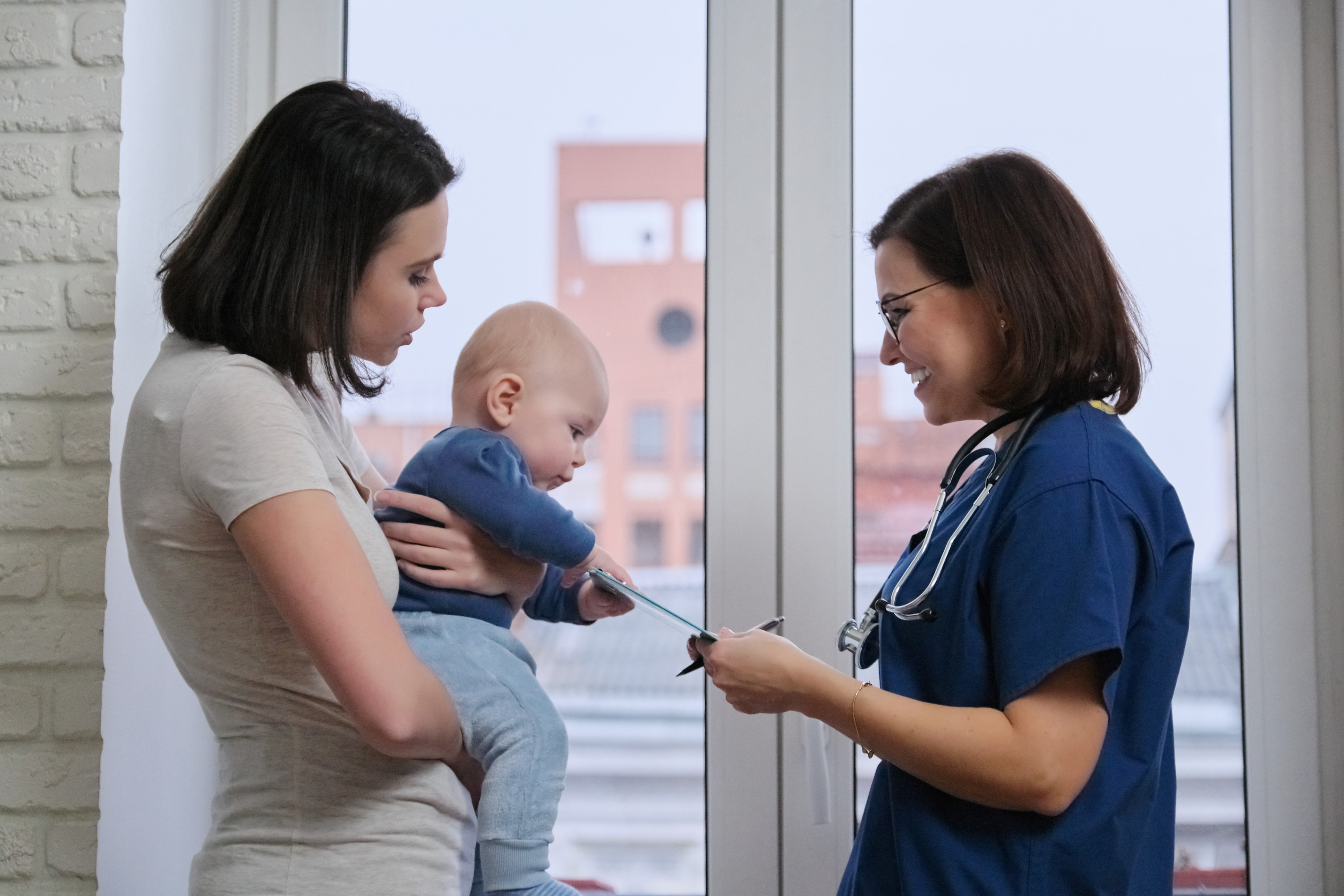
Pediatric nurses say certain items are no longer free – Pexels

Parents already expect a medical bill after a hospital visit, but many are surprised by the small charges that quietly appear on pediatric statements. Pediatric nurses say families often focus on the doctor’s fee while missing the growing list of add-on costs tied to supplies, convenience, and hospital operations. In today’s healthcare system, some items that once felt included in care can now show up as separate line items. Understanding hospital billing before your child needs care could help you avoid confusion, stress, and unexpected expenses.

1. Basic Medical Supplies May No Longer Be Included

Many parents assume items like thermometers, saline flushes, adhesive bandages, or disposable masks are simply part of treatment. Pediatric nurses say hospitals increasingly track and bill certain supplies individually, especially during emergency room visits or inpatient stays. A child receiving breathing treatment, for example, may generate charges for nebulizer kits, tubing, or disposable equipment. These costs can vary dramatically by facility and insurance plan. When reviewing hospital billing, parents should request an itemized statement and ask which supplies were billed separately.

2. After-Hours Pediatric Care Can Trigger Extra Charges

A late-night fever or weekend ear infection can cost more than families expect. Pediatric nurses frequently warn parents that evening, weekend, or urgent pediatric evaluations may involve higher facility fees or after-hours pricing structures. A child seen inside a hospital-owned clinic instead of an independent pediatric office may face additional hospital billing charges even for routine concerns. Some families do not realize the location of care can influence the final bill as much as the medical problem itself. Asking whether a clinic is hospital-owned before scheduling can sometimes prevent sticker shock.

3. Comfort Items and Convenience Services May Carry Fees

Parents often assume basics provided during a child’s stay are complimentary, but that is not always true. Pediatric nurses note that items such as take-home feeding supplies, specialized bottles, recovery garments, or replacement medical accessories can appear on a bill. In neonatal or pediatric specialty units, families may also encounter charges tied to certain equipment used for discharge preparation. These fees are not universal, but they are common enough that parents should ask what is covered before leaving the hospital. A quick conversation with a nurse or billing representative can clarify what goes home free and what does not.

4. Hospital-Owned Practices Can Mean Added Facility Fees

One of the biggest surprises in modern hospital billing involves facility fees. Pediatric nurses often hear frustrated parents ask why a standard pediatric appointment suddenly costs far more than expected. In many cases, the answer is that the appointment took place in a hospital-affiliated outpatient center where a professional fee and facility fee may both apply. A routine follow-up for asthma management or allergy care can become significantly more expensive without families realizing why. Parents concerned about costs should ask whether a visit includes a hospital facility charge before confirming an appointment.

5. Digital, Administrative, and Follow-Up Costs Are Expanding

Healthcare has become more digital, but convenience does not always equal lower costs. Some healthcare systems now charge for certain forms, medical record requests, or specific types of online clinical communications, depending on policies and insurance arrangements. Pediatric nurses say families are sometimes surprised when follow-up care generates additional billing questions after the main visit ends. A message exchange that leads to medical decision-making, medication changes, or extended provider review may not always be treated as free advice. Understanding your provider’s communication and billing policies upfront can reduce misunderstandings later.

The Hidden Lesson Behind Today’s Hospital Billing Changes

Hospital billing has grown more complicated, not necessarily because children are receiving worse care, but because healthcare accounting has become increasingly detailed. Pediatric nurses consistently encourage parents to ask questions early, request itemized bills, and verify coverage before procedures or specialty visits whenever possible. A five-minute conversation about fees can sometimes prevent hundreds of dollars in surprise charges later. The more informed families become about modern hospital billing, the better positioned they are to advocate for both their child’s health and their financial well-being.

Have you ever found a surprising charge on a child’s medical bill that you didn’t expect? What do you think hospitals should still provide without extra fees? Share your experience in the comments—your story could help another family avoid an unexpected hospital billing surprise.

What to Read Next

6 Baby Items Hospitals Don’t Provide Anymore—But Parents Think They Do

8 Baby Names That Were Recently Flagged by Hospitals for Cultural Sensitivity

Your Child’s Digital Ghost: 5 Digital Footprints Your Child Secretly Leaves

Evan Morgan

Evan Morgan has been a full-time freelance writer and editor for 10+ years. When not working, he enjoys catching the latest true crime documentary or getting lost in a good book.
Filed Under: Health Tagged With: emergency room costs, Family Finance, Healthcare Costs, healthcare transparency, hospital billing, hospital fees, medical bills, Parenting, pediatric care, pediatric nurses

Why Are Pediatric ER Visits Rising for First-Time Parents?

September 26, 2025 | Leave a Comment

Why Are Pediatric ER Visits Rising for First-Time Parents?
Image source: 123rf.com

Every new parent faces moments of worry, but recent data shows a surprising trend: pediatric ER visits are climbing, particularly among families experiencing parenthood for the first time. While many trips end with reassurance and minor treatments, the emotional and financial costs add up quickly. Understanding why this surge is happening helps parents feel less alone and more prepared, while also highlighting practical steps to reduce unnecessary stress and medical expenses.

Anxiety and Uncertainty Drive Pediatric ER Visits

First-time parents often face heightened anxiety because every cough, bump, or fever feels alarming. Without years of parenting experience, it can be difficult to know what’s normal and what requires urgent care. This uncertainty frequently leads to precautionary pediatric ER visits, even when issues might be resolved at home or through a quick call to a pediatrician. Hospitals report that reassurance and education are often the outcomes of these visits, rather than intensive treatment. For parents, learning to recognize common childhood symptoms can ease fears and reduce emergency room dependence.

Lack of After-Hours Care Options

One major reason pediatric ER visits rise among new parents is the limited availability of after-hours medical care. Pediatricians’ offices often close by early evening, and urgent care centers aren’t always open 24 hours a day or every day during the week. Faced with a baby crying late at night or a toddler developing a sudden rash, parents often feel they have no choice but to head to the emergency room. This lack of accessible alternatives puts extra strain on hospitals and increases family stress. Expanding access to pediatric urgent care could significantly reduce unnecessary ER visits.

Information Overload and Conflicting Advice

In today’s digital age, new parents often turn to the internet when they notice unusual symptoms in their child. While online resources can provide guidance, they also generate confusion with conflicting advice. Searching symptoms frequently results in worst-case scenarios, convincing parents that an ER visit is the safest choice. Social media groups and parenting forums can add to the pressure by amplifying alarming anecdotes. This cycle of information overload contributes directly to rising pediatric ER visits, as parents err on the side of caution.

First Illnesses Feel Like Crises

The first fever, first stomach bug, or first allergic reaction can feel overwhelming for parents who have never experienced these situations before. Even when symptoms are mild, the unfamiliarity makes the situation feel urgent. Pediatricians often note that reassurance and education are the primary needs in these cases. Once parents have lived through a child’s first illness, their confidence tends to grow. Until then, the fear of missing something serious pushes many toward pediatric ER visits, even for relatively common ailments.

Financial and Emotional Impact of ER Trips

While hospitals provide necessary care, pediatric ER visits come with heavy financial costs, especially for families with high-deductible insurance plans. A single unnecessary visit can leave parents with hundreds or even thousands in bills. Beyond the money, the emotional toll is significant, as long wait times and stressful environments make the experience draining for both children and parents. This financial and emotional strain often fuels a cycle of guilt and anxiety that makes first-time parents even more likely to return. Educating families on lower-cost alternatives can help break this cycle.

How Pediatricians Can Support First-Time Parents

Medical professionals are increasingly aware of this growing issue and are seeking ways to support families outside of the ER. Some pediatric practices now offer after-hours nurse hotlines or telehealth services to guide parents through non-emergency concerns. By providing reliable access to professional reassurance, these services reduce unnecessary pediatric ER visits. Pediatricians also emphasize educating parents during regular checkups about when emergency care is truly needed. Building this confidence early can help new parents make calmer, more informed decisions.

Building Confidence Reduces Emergency Dependence

Ultimately, rising pediatric ER visits among first-time parents reflect a lack of confidence rather than poor parenting. With time, parents usually learn to distinguish between true emergencies and common childhood illnesses. Support networks, reliable healthcare guidance, and experience all play roles in this growth. By creating more opportunities for parents to access accurate advice outside the hospital, healthcare systems can ease the burden on ERs. In turn, parents can save money, avoid stress, and feel empowered in their caregiving journey.

A Key Takeaway for New Parents

The rise in pediatric ER visits shows that first-time parents are not alone in their fears or uncertainties. While it’s natural to worry, building knowledge, seeking reliable advice, and exploring alternatives like nurse hotlines or urgent care can provide reassurance without the ER price tag. Each child’s health journey comes with challenges, but confidence grows with experience. The more prepared parents feel, the less likely they are to rush to the emergency room for non-urgent concerns. Being proactive about guidance and support can transform anxiety into confidence for the long term.

Have you ever faced a late-night parenting scare that led to an ER trip? Share your experience in the comments and help other first-time parents feel less alone.

What to Read Next…

6 Innocent Parenting Habits That Lead to Big Therapy Bills Later

Do Parenting Classes Actually Work—Or Just Create More Problems?

Should Parents Be Required to Disclose Their Kids’ Diagnoses to Babysitters?

Beyond The Report Card: 11 Discipline Methods That Secretly Backfire On Parents

8 Reasons Why “Free Range Parenting” Might Be Endangering Your Child

Catherine Reed
Catherine Reed

Catherine is a tech-savvy writer who has focused on the personal finance space for more than eight years. She has a Bachelor’s in Information Technology and enjoys showcasing how tech can simplify everyday personal finance tasks like budgeting, spending tracking, and planning for the future. Additionally, she’s explored the ins and outs of the world of side hustles and loves to share what she’s learned along the way. When she’s not working, you can find her relaxing at home in the Pacific Northwest with her two cats or enjoying a cup of coffee at her neighborhood cafe.

Filed Under: healthcare Tagged With: child healthcare, emergency room costs, family finances, first-time parents, parenting anxiety, parenting stress, pediatric ER visits

  • Facebook
  • Pinterest
  • RSS
  • Twitter

Basic Principles Of Good Parenting

Here some basic principles for good parenting:

  1. What You Do Matters: Your kids are watching you. So, be purposeful about what you want to accomplish.
  2. You Can’t be Too Loving: Don’t replace love with material possessions, lowered expectations or leniency.
  3. Be Involved Your Kids Life: Arrange your priorities to focus on what your kid’s needs. Be there mentally and physically.
  4. Adapt Your Parenting: Children grow quickly, so keep pace with your child’s development.
  5. Establish and Set Rules: The rules you set for children will establish the rules they set for themselves later.  Avoid harsh discipline and be consistent.
  6. Explain Your Decisions: What is obvious to you may not be evident to your child. They don’t have the experience you do.
  7. Be Respectful To Your Child: How you treat your child is how they will treat others.  Be polite, respectful and make an effort to pay attention.
Best Parenting Blogs

Most Popular

Baby

9 Unusual Baby Names That Sound Like They Belong to Future CEOs

Evan Morgan
Baby

10 Baby Names That Were Once Considered “Grandparent Names” but Feel Cool Again

Evan Morgan
Target Store

Choking Incident Prompts Recall of 49,000 Target Gigglescape “Under the Sea” Popping Toys

Evan Morgan
Frustrated Girl

Why Some Students on the Spectrum Are Labeled With ODD

Evan Morgan
Coke Bottles

12 Things Kids Took to School in the ’70s That Would Never Be Allowed Today

Evan Morgan

All content on Kids Ain’t Cheap is for entertainment purposes only. By reading this blog, you agree that Kids Ain’t Cheap is not responsible for any actions taken after reading this blog. For the full disclaimer, see our privacy policy.

Please note that Kids Ain’t Cheap has financial relationships with some of the merchants mentioned here. Kids Ain’t Cheap is funded by banner advertising, commission sales and search optimization consulting.

Copyright © 2006–2026 | District Media | All Rights Reserved | Privacy Policy

Copyright © 2026 Runway Pro Theme by Viva la Violette