• Home
  • About Us
  • Archives
  • Contact Us
  • Advertise
  • Privacy Policy

Kids Ain't Cheap

But They Sure Are Worth It

  • Home
  • Toolkit
  • Parenting
    • Baby Stuff
    • Books and Reading
      • Aesops Fables
      • Comic Books
    • Education
    • Family Time
    • Green Living
    • Growing Up
    • Healthy Living & Eating
    • Holidays
    • Parenting
    • Random Musings
    • Shopping
    • Stuff to Do
  • Money
  • Product Reviews
    • Books and Magazines
    • Discount Sites
    • Furniture
    • House Keeping
    • Reviews News
    • Toys and Games
  • Search

Why Are Pediatric ER Visits Rising for First-Time Parents?

September 26, 2025 | Leave a Comment

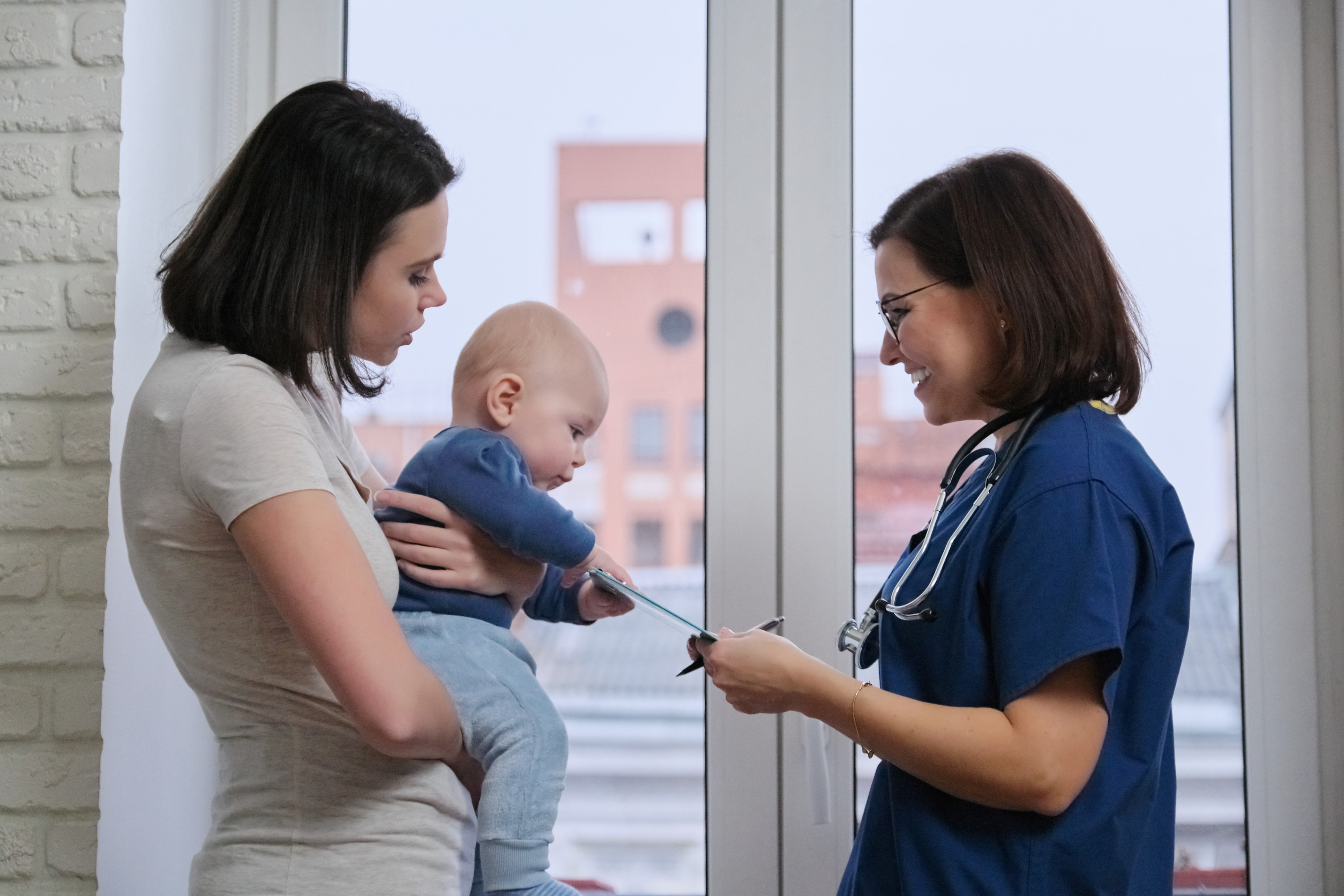
Why Are Pediatric ER Visits Rising for First-Time Parents?

Image source: 123rf.com

Every new parent faces moments of worry, but recent data shows a surprising trend: pediatric ER visits are climbing, particularly among families experiencing parenthood for the first time. While many trips end with reassurance and minor treatments, the emotional and financial costs add up quickly. Understanding why this surge is happening helps parents feel less alone and more prepared, while also highlighting practical steps to reduce unnecessary stress and medical expenses.

Anxiety and Uncertainty Drive Pediatric ER Visits

First-time parents often face heightened anxiety because every cough, bump, or fever feels alarming. Without years of parenting experience, it can be difficult to know what’s normal and what requires urgent care. This uncertainty frequently leads to precautionary pediatric ER visits, even when issues might be resolved at home or through a quick call to a pediatrician. Hospitals report that reassurance and education are often the outcomes of these visits, rather than intensive treatment. For parents, learning to recognize common childhood symptoms can ease fears and reduce emergency room dependence.

Lack of After-Hours Care Options

One major reason pediatric ER visits rise among new parents is the limited availability of after-hours medical care. Pediatricians’ offices often close by early evening, and urgent care centers aren’t always open 24 hours a day or every day during the week. Faced with a baby crying late at night or a toddler developing a sudden rash, parents often feel they have no choice but to head to the emergency room. This lack of accessible alternatives puts extra strain on hospitals and increases family stress. Expanding access to pediatric urgent care could significantly reduce unnecessary ER visits.

Information Overload and Conflicting Advice

In today’s digital age, new parents often turn to the internet when they notice unusual symptoms in their child. While online resources can provide guidance, they also generate confusion with conflicting advice. Searching symptoms frequently results in worst-case scenarios, convincing parents that an ER visit is the safest choice. Social media groups and parenting forums can add to the pressure by amplifying alarming anecdotes. This cycle of information overload contributes directly to rising pediatric ER visits, as parents err on the side of caution.

First Illnesses Feel Like Crises

The first fever, first stomach bug, or first allergic reaction can feel overwhelming for parents who have never experienced these situations before. Even when symptoms are mild, the unfamiliarity makes the situation feel urgent. Pediatricians often note that reassurance and education are the primary needs in these cases. Once parents have lived through a child’s first illness, their confidence tends to grow. Until then, the fear of missing something serious pushes many toward pediatric ER visits, even for relatively common ailments.

Financial and Emotional Impact of ER Trips

While hospitals provide necessary care, pediatric ER visits come with heavy financial costs, especially for families with high-deductible insurance plans. A single unnecessary visit can leave parents with hundreds or even thousands in bills. Beyond the money, the emotional toll is significant, as long wait times and stressful environments make the experience draining for both children and parents. This financial and emotional strain often fuels a cycle of guilt and anxiety that makes first-time parents even more likely to return. Educating families on lower-cost alternatives can help break this cycle.

How Pediatricians Can Support First-Time Parents

Medical professionals are increasingly aware of this growing issue and are seeking ways to support families outside of the ER. Some pediatric practices now offer after-hours nurse hotlines or telehealth services to guide parents through non-emergency concerns. By providing reliable access to professional reassurance, these services reduce unnecessary pediatric ER visits. Pediatricians also emphasize educating parents during regular checkups about when emergency care is truly needed. Building this confidence early can help new parents make calmer, more informed decisions.

Building Confidence Reduces Emergency Dependence

Ultimately, rising pediatric ER visits among first-time parents reflect a lack of confidence rather than poor parenting. With time, parents usually learn to distinguish between true emergencies and common childhood illnesses. Support networks, reliable healthcare guidance, and experience all play roles in this growth. By creating more opportunities for parents to access accurate advice outside the hospital, healthcare systems can ease the burden on ERs. In turn, parents can save money, avoid stress, and feel empowered in their caregiving journey.

A Key Takeaway for New Parents

The rise in pediatric ER visits shows that first-time parents are not alone in their fears or uncertainties. While it’s natural to worry, building knowledge, seeking reliable advice, and exploring alternatives like nurse hotlines or urgent care can provide reassurance without the ER price tag. Each child’s health journey comes with challenges, but confidence grows with experience. The more prepared parents feel, the less likely they are to rush to the emergency room for non-urgent concerns. Being proactive about guidance and support can transform anxiety into confidence for the long term.

Have you ever faced a late-night parenting scare that led to an ER trip? Share your experience in the comments and help other first-time parents feel less alone.

What to Read Next…

6 Innocent Parenting Habits That Lead to Big Therapy Bills Later

Do Parenting Classes Actually Work—Or Just Create More Problems?

Should Parents Be Required to Disclose Their Kids’ Diagnoses to Babysitters?

Beyond The Report Card: 11 Discipline Methods That Secretly Backfire On Parents

8 Reasons Why “Free Range Parenting” Might Be Endangering Your Child

Catherine Reed
Catherine Reed

Catherine is a tech-savvy writer who has focused on the personal finance space for more than eight years. She has a Bachelor’s in Information Technology and enjoys showcasing how tech can simplify everyday personal finance tasks like budgeting, spending tracking, and planning for the future. Additionally, she’s explored the ins and outs of the world of side hustles and loves to share what she’s learned along the way. When she’s not working, you can find her relaxing at home in the Pacific Northwest with her two cats or enjoying a cup of coffee at her neighborhood cafe.

Filed Under: healthcare Tagged With: child healthcare, emergency room costs, family finances, first-time parents, parenting anxiety, parenting stress, pediatric ER visits

8 Medical Bills Related to Children That Insurance Rarely Covers

August 23, 2025 | Leave a Comment

8 Medical Bills Related to Children That Insurance Rarely Covers

Image source: 123rf.com

Raising kids is expensive enough without the surprise of medical bills piling up. Unfortunately, even with health insurance, many families discover gaps in coverage that leave them with unexpected expenses. Parents are often shocked to learn that some of the most common child-related healthcare needs come with hefty out-of-pocket costs. From dental emergencies to therapies not considered “essential,” the system can leave families struggling. Let’s take a closer look at eight types of medical bills related to children that insurance rarely covers.

1. Dental Emergencies and Orthodontics

One of the biggest surprises for parents is how much dental care can cost. While medical insurance may handle emergencies like broken bones, dental emergencies often fall under separate or limited coverage. Medical bills for things like braces, retainers, or even emergency tooth repairs usually come out of pocket. Parents often find themselves paying thousands of dollars for orthodontics, especially if treatment is considered cosmetic. Having a separate dental plan can help, but even then, coverage rarely eliminates the majority of the costs.

2. Vision Care and Corrective Lenses

Many children need glasses or contact lenses at some point, but vision coverage is often limited or excluded from standard medical insurance. Eye exams may be partially covered, but the medical bills for frames, lenses, or specialty contacts usually fall to parents. If a child’s eyesight changes quickly, the need for new glasses each year adds up fast. Insurance companies often classify vision care as optional rather than necessary. Families end up absorbing the bulk of these recurring expenses themselves.

3. Therapy for Developmental Delays

Speech, occupational, and physical therapy can make a huge difference in a child’s development, but insurance plans often restrict how much they will cover. Some limit the number of sessions per year, while others deny claims if progress is not “measurable” within strict timelines. This leaves families stuck with mounting medical bills if their child needs long-term support. The cost per session can be steep, making these services financially out of reach for many. Parents are left frustrated when essential care is categorized as non-essential.

4. Mental Health Counseling

Children’s mental health has become a bigger focus in recent years, but insurance coverage has not kept pace. While some plans offer partial support, many limit the number of covered visits or exclude specialized counseling altogether. Parents end up paying medical bills for therapy sessions that may be critical for their child’s well-being. Unfortunately, the high cost often forces families to delay or skip treatment. This can make it harder for kids to receive timely support for issues like anxiety, depression, or trauma.

5. Alternative and Holistic Treatments

Families sometimes turn to holistic or alternative treatments for chronic conditions, especially when traditional medicine doesn’t bring relief. Acupuncture, chiropractic care, or herbal therapies are rarely included in insurance plans. The medical bills from these treatments can quickly add up, especially since they often require repeat visits. Even when children experience improvement, parents may feel the financial burden outweighs the benefits. Insurance companies usually classify these treatments as “experimental,” leaving families without help.

6. Specialized Testing and Screenings

If a child needs testing beyond the basics, parents may face unexpected charges. Genetic testing, allergy panels, and certain neurological screenings often come with partial or no coverage. These medical bills can run into the hundreds or thousands of dollars, depending on the complexity. Families often feel trapped between wanting answers and fearing the financial hit. Insurance companies frequently deny coverage unless the testing is deemed absolutely medically necessary, which leaves parents frustrated.

7. Medical Equipment and Supplies

Children with chronic conditions often need medical equipment such as inhalers, nebulizers, or glucose monitors. While some devices may be covered initially, replacement parts, batteries, or ongoing supplies often are not. These recurring medical bills can become overwhelming for families trying to keep their child healthy. Insurance companies tend to focus on one-time equipment purchases but neglect the ongoing needs. Parents are left footing the bill for items their children cannot go without.

8. Out-of-Network Pediatric Specialists

When children need specialized care, parents may discover that the best doctors or facilities are outside their insurance network. This means higher deductibles, coinsurance, or full responsibility for medical bills. Parents often face an impossible choice between affordable care and the right care. Out-of-network costs can exceed thousands of dollars, draining family savings quickly. Even with careful planning, it’s hard to predict when a specialist will suddenly become necessary.

Preparing for the Unexpected Costs of Childhood Care

While insurance is meant to provide peace of mind, gaps in coverage leave many families stressed by medical bills they didn’t see coming. Parents can protect themselves by reading policies carefully, asking about exclusions, and setting aside emergency savings for healthcare. Exploring supplemental plans for vision, dental, or therapy may also ease the financial strain. Above all, knowing what’s likely not covered helps parents prepare instead of being blindsided. Awareness and planning can make the difference between financial chaos and manageable care.

Have you been surprised by medical bills your insurance didn’t cover for your child? Share your experiences and strategies in the comments below.

Read More:

7 Extracurricular Activities That Could Give Your Child Lifelong Medical Problems

Solo Parent Moves: 8 Crucial Legal Moves for Single Parents

Catherine Reed
Catherine Reed

Catherine is a tech-savvy writer who has focused on the personal finance space for more than eight years. She has a Bachelor’s in Information Technology and enjoys showcasing how tech can simplify everyday personal finance tasks like budgeting, spending tracking, and planning for the future. Additionally, she’s explored the ins and outs of the world of side hustles and loves to share what she’s learned along the way. When she’s not working, you can find her relaxing at home in the Pacific Northwest with her two cats or enjoying a cup of coffee at her neighborhood cafe.

Filed Under: healthcare Tagged With: child development, child healthcare, Family Budgeting, financial planning, insurance gaps, medical bills, parenting costs

  • Facebook
  • Pinterest
  • RSS
  • Twitter

Basic Principles Of Good Parenting

Here some basic principles for good parenting:

  1. What You Do Matters: Your kids are watching you. So, be purposeful about what you want to accomplish.
  2. You Can’t be Too Loving: Don’t replace love with material possessions, lowered expectations or leniency.
  3. Be Involved Your Kids Life: Arrange your priorities to focus on what your kid’s needs. Be there mentally and physically.
  4. Adapt Your Parenting: Children grow quickly, so keep pace with your child’s development.
  5. Establish and Set Rules: The rules you set for children will establish the rules they set for themselves later.  Avoid harsh discipline and be consistent.
  6. Explain Your Decisions: What is obvious to you may not be evident to your child. They don’t have the experience you do.
  7. Be Respectful To Your Child: How you treat your child is how they will treat others.  Be polite, respectful and make an effort to pay attention.
Best Parenting Blogs

Copyright © 2025 Runway Pro Theme by Viva la Violette