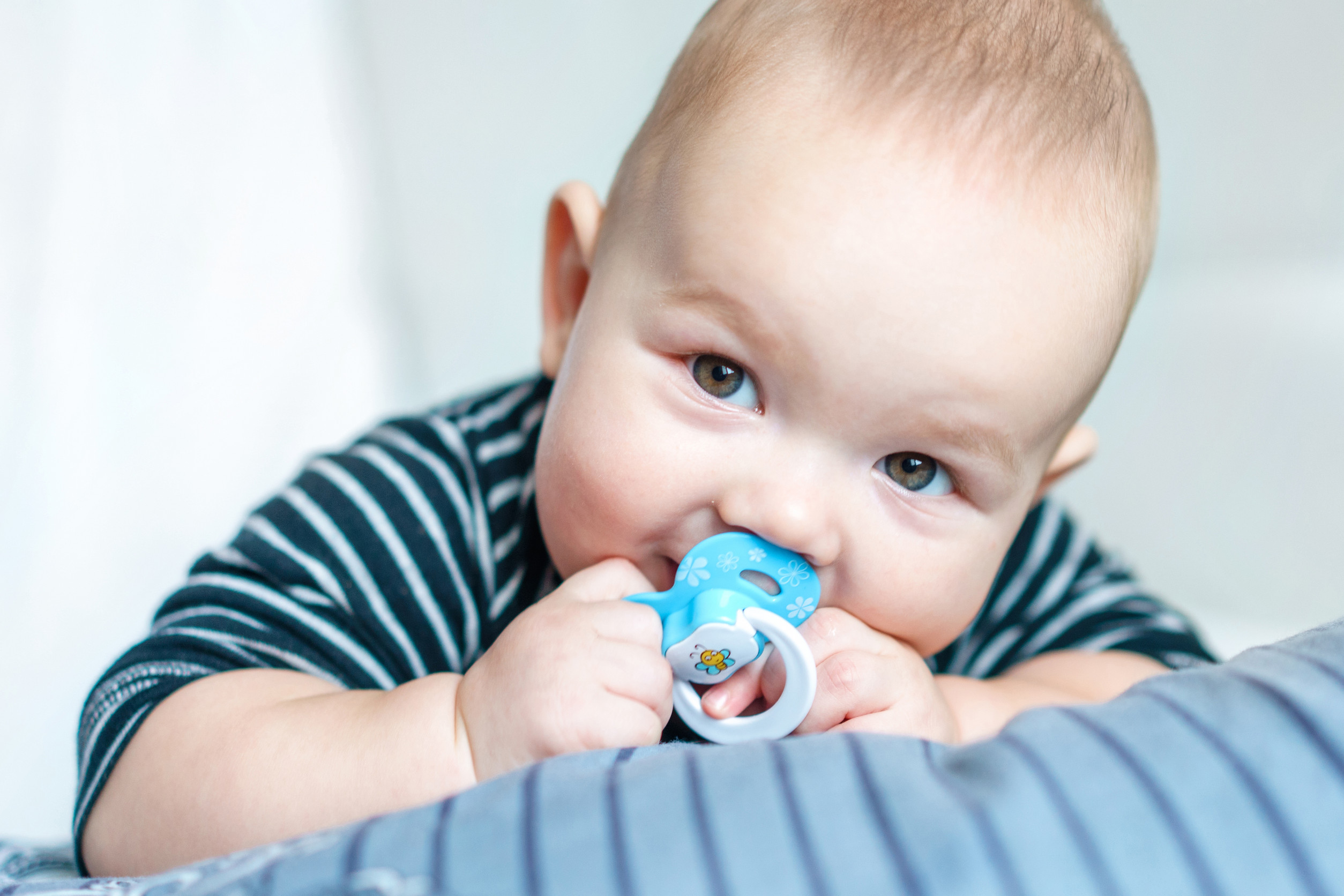
Parents work tirelessly to keep their little ones safe, but some of the most common baby gear is far dirtier than it looks. Studies have shown that many everyday baby items that are collecting more bacteria than a toilet seat can harbor germs, allergens, and harmful microbes that spread quickly. The problem isn’t always neglect—it’s that these items are used so often and cleaned less frequently than they should be. Knowing where bacteria build up the most can help parents take simple steps to protect their child’s health.
1. Pacifiers Trap Germs Easily
Pacifiers spend a lot of time on the floor, in diaper bags, and, of course, in a baby’s mouth. Because of their constant contact with saliva, pacifiers become prime breeding grounds for bacteria if not cleaned regularly. Some parents may rinse them off quickly, but that doesn’t kill the bacteria clinging to the small cracks and crevices. Over time, this buildup can expose babies to unnecessary germs. It’s no surprise that pacifiers are one of the baby items that are collecting more bacteria than a toilet seat.
2. Sippy Cups With Hidden Crevices
Sippy cups seem convenient, but their spouts and valves can trap leftover milk and juice. When these liquids sit, they quickly turn into breeding grounds for bacteria and even mold. Many parents don’t realize how difficult it is to fully sanitize every hidden part of a sippy cup. If not disassembled and washed thoroughly, they can expose children to harmful microbes daily. These cups easily rank among baby items that are collecting more bacteria than a toilet seat.
3. Plush Toys That Rarely Get Washed
Stuffed animals and soft toys are a source of comfort, but they’re also magnets for dirt, drool, and bacteria. Babies carry them everywhere, from the living room floor to outdoor play areas. Unfortunately, plush toys don’t always get cleaned as often as clothing or blankets. When not machine-washed regularly, they can harbor dust mites, allergens, and harmful germs. These seemingly innocent toys are baby items that are collecting more bacteria than a toilet seat.
4. Changing Pads With Frequent Contact
Changing pads are used multiple times a day and often come into direct contact with bodily fluids. Even with disposable liners, bacteria can seep into the seams and fabric if not disinfected consistently. Wiping them down quickly may not be enough to kill stubborn germs. Over time, this leads to a buildup of harmful bacteria in the very spot where parents think their babies are safest. That’s why changing pads join the list of baby items that are collecting more bacteria than a toilet seat.
5. High Chair Trays That Catch Everything
High chairs make mealtime easier, but the trays quickly become one of the dirtiest spots in the house. Between spilled food, sticky hands, and sneezes, the surface collects bacteria faster than parents can clean it. If trays aren’t thoroughly scrubbed after every meal, microbes can linger and multiply. Even dishwasher-safe trays need proper sanitization to truly eliminate germs. As a result, high chairs are baby items that are collecting more bacteria than a toilet seat.
6. Stroller Handles That Go Everywhere
Parents take strollers through grocery stores, sidewalks, playgrounds, and crowded public places. Along the way, the handles are touched by countless hands and exposed to environmental germs. Yet, stroller handles rarely get disinfected as often as they should. Babies sometimes chew on straps or touch the handles, spreading those germs further. This makes strollers another one of the baby items that are collecting more bacteria than a toilet seat.
7. Car Seats With Hidden Messes
Car seats are essential for safety, but they’re notoriously hard to clean thoroughly. Crumbs, spills, and sticky hands all contribute to bacteria hiding in the cracks and padding. Since many parents don’t disassemble and sanitize their car seats regularly, these germs can linger for weeks or months. Babies often snack or nap in car seats, increasing exposure to hidden bacteria. This is why car seats are baby items that are collecting more bacteria than a toilet seat.
Protecting Babies With Smarter Cleaning Habits
Parents can’t eliminate germs completely, but being aware of baby items that are collecting more bacteria than a toilet seat helps them take action. Simple habits like disinfecting pacifiers daily, washing plush toys weekly, and scrubbing high chair trays after every use can make a big difference. Strollers and car seats should be wiped down regularly, and sippy cups need full disassembly for thorough cleaning. By staying ahead of bacteria, families can keep their little ones healthier and reduce unnecessary exposure. Being proactive with cleaning isn’t just about tidiness—it’s about safeguarding a child’s well-being.
Which of these baby items surprised you the most? Share your cleaning tips and tricks in the comments below.
What to Read Next…
- The Hidden Truth: 8 Common Cleaning Products Toxic For Kids
- 6 Baby Items Hospitals Don’t Provide Anymore—But Parents Think They Do
- 8 Items Daycares Often Ban Without Explaining Why
- 6 Baby Products Pulled from Shelves But Still in Homes
- Shocking Reality: 10 Popular Baby Items With Carcinogens

Catherine is a tech-savvy writer who has focused on the personal finance space for more than eight years. She has a Bachelor’s in Information Technology and enjoys showcasing how tech can simplify everyday personal finance tasks like budgeting, spending tracking, and planning for the future. Additionally, she’s explored the ins and outs of the world of side hustles and loves to share what she’s learned along the way. When she’s not working, you can find her relaxing at home in the Pacific Northwest with her two cats or enjoying a cup of coffee at her neighborhood cafe.
