• Home
  • About Us
  • Toolkit
  • Archives
  • Advertise
  • Privacy Policy

Kids Ain't Cheap

But They Sure Are Worth It

  • Parenting
    • Baby Stuff
    • Books and Reading
      • Aesops Fables
      • Comic Books
    • Education
    • Family Time
    • Green Living
    • Growing Up
    • Healthy Living & Eating
    • Holidays
    • Parenting
    • Random Musings
    • Shopping
    • Stuff to Do
  • Money
  • Product Reviews
    • Books and Magazines
    • Discount Sites
    • Furniture
    • House Keeping
    • Reviews News
    • Toys and Games
  • Contact Us
  • Our Editorial Commitment
  • Search

7 Baby Items That Are Collecting More Bacteria Than a Toilet Seat

October 4, 2025 | Leave a Comment

7 Baby Items That Are Collecting More Bacteria Than a Toilet Seat
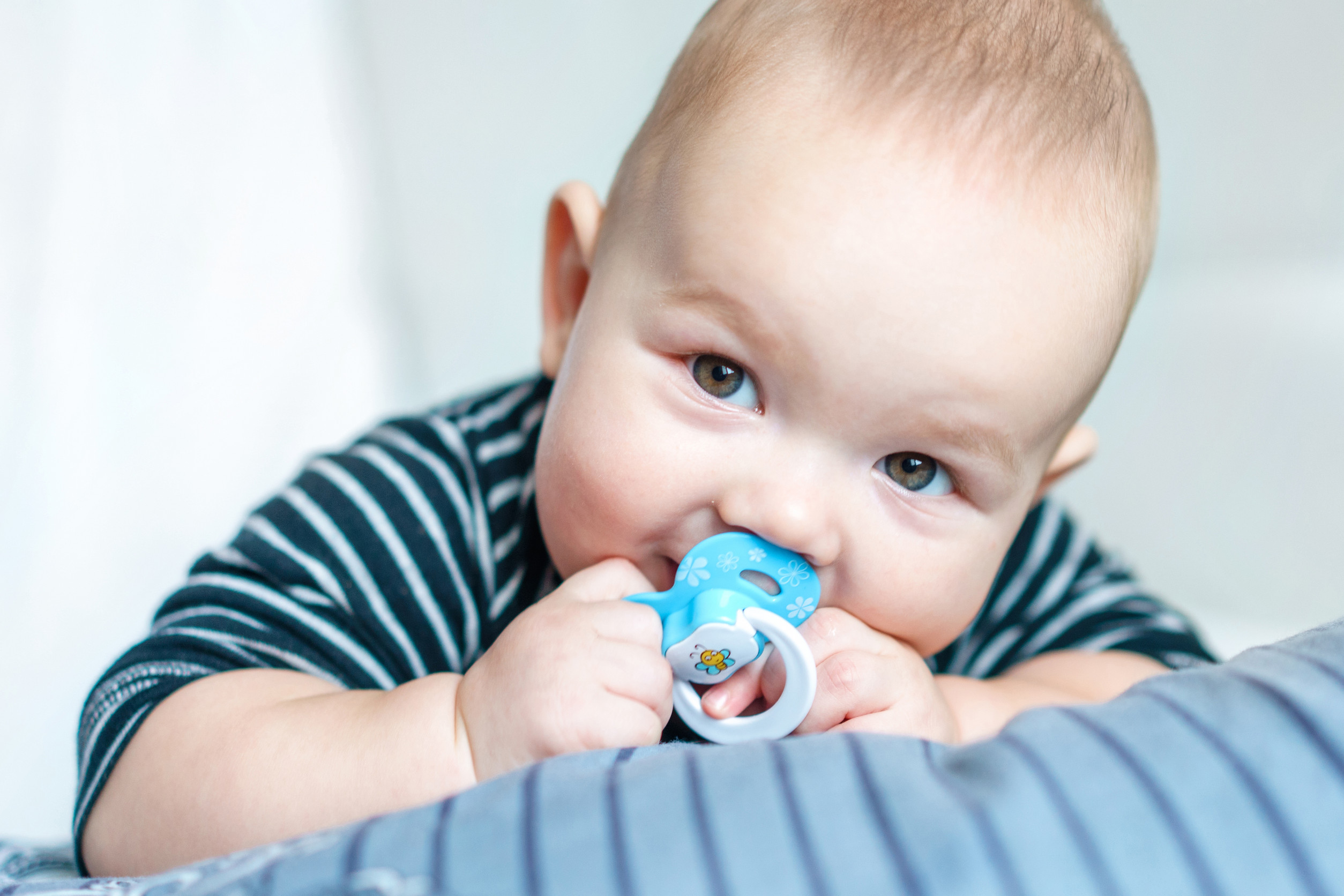
Image source: 123rf.com

Parents work tirelessly to keep their little ones safe, but some of the most common baby gear is far dirtier than it looks. Studies have shown that many everyday baby items that are collecting more bacteria than a toilet seat can harbor germs, allergens, and harmful microbes that spread quickly. The problem isn’t always neglect—it’s that these items are used so often and cleaned less frequently than they should be. Knowing where bacteria build up the most can help parents take simple steps to protect their child’s health.

1. Pacifiers Trap Germs Easily

Pacifiers spend a lot of time on the floor, in diaper bags, and, of course, in a baby’s mouth. Because of their constant contact with saliva, pacifiers become prime breeding grounds for bacteria if not cleaned regularly. Some parents may rinse them off quickly, but that doesn’t kill the bacteria clinging to the small cracks and crevices. Over time, this buildup can expose babies to unnecessary germs. It’s no surprise that pacifiers are one of the baby items that are collecting more bacteria than a toilet seat.

2. Sippy Cups With Hidden Crevices

Sippy cups seem convenient, but their spouts and valves can trap leftover milk and juice. When these liquids sit, they quickly turn into breeding grounds for bacteria and even mold. Many parents don’t realize how difficult it is to fully sanitize every hidden part of a sippy cup. If not disassembled and washed thoroughly, they can expose children to harmful microbes daily. These cups easily rank among baby items that are collecting more bacteria than a toilet seat.

3. Plush Toys That Rarely Get Washed

Stuffed animals and soft toys are a source of comfort, but they’re also magnets for dirt, drool, and bacteria. Babies carry them everywhere, from the living room floor to outdoor play areas. Unfortunately, plush toys don’t always get cleaned as often as clothing or blankets. When not machine-washed regularly, they can harbor dust mites, allergens, and harmful germs. These seemingly innocent toys are baby items that are collecting more bacteria than a toilet seat.

4. Changing Pads With Frequent Contact

Changing pads are used multiple times a day and often come into direct contact with bodily fluids. Even with disposable liners, bacteria can seep into the seams and fabric if not disinfected consistently. Wiping them down quickly may not be enough to kill stubborn germs. Over time, this leads to a buildup of harmful bacteria in the very spot where parents think their babies are safest. That’s why changing pads join the list of baby items that are collecting more bacteria than a toilet seat.

5. High Chair Trays That Catch Everything

High chairs make mealtime easier, but the trays quickly become one of the dirtiest spots in the house. Between spilled food, sticky hands, and sneezes, the surface collects bacteria faster than parents can clean it. If trays aren’t thoroughly scrubbed after every meal, microbes can linger and multiply. Even dishwasher-safe trays need proper sanitization to truly eliminate germs. As a result, high chairs are baby items that are collecting more bacteria than a toilet seat.

6. Stroller Handles That Go Everywhere

Parents take strollers through grocery stores, sidewalks, playgrounds, and crowded public places. Along the way, the handles are touched by countless hands and exposed to environmental germs. Yet, stroller handles rarely get disinfected as often as they should. Babies sometimes chew on straps or touch the handles, spreading those germs further. This makes strollers another one of the baby items that are collecting more bacteria than a toilet seat.

7. Car Seats With Hidden Messes

Car seats are essential for safety, but they’re notoriously hard to clean thoroughly. Crumbs, spills, and sticky hands all contribute to bacteria hiding in the cracks and padding. Since many parents don’t disassemble and sanitize their car seats regularly, these germs can linger for weeks or months. Babies often snack or nap in car seats, increasing exposure to hidden bacteria. This is why car seats are baby items that are collecting more bacteria than a toilet seat.

Protecting Babies With Smarter Cleaning Habits

Parents can’t eliminate germs completely, but being aware of baby items that are collecting more bacteria than a toilet seat helps them take action. Simple habits like disinfecting pacifiers daily, washing plush toys weekly, and scrubbing high chair trays after every use can make a big difference. Strollers and car seats should be wiped down regularly, and sippy cups need full disassembly for thorough cleaning. By staying ahead of bacteria, families can keep their little ones healthier and reduce unnecessary exposure. Being proactive with cleaning isn’t just about tidiness—it’s about safeguarding a child’s well-being.

Which of these baby items surprised you the most? Share your cleaning tips and tricks in the comments below.

What to Read Next…

  • The Hidden Truth: 8 Common Cleaning Products Toxic For Kids
  • 6 Baby Items Hospitals Don’t Provide Anymore—But Parents Think They Do
  • 8 Items Daycares Often Ban Without Explaining Why
  • 6 Baby Products Pulled from Shelves But Still in Homes
  • Shocking Reality: 10 Popular Baby Items With Carcinogens
Catherine Reed
Catherine Reed

Catherine is a tech-savvy writer who has focused on the personal finance space for more than eight years. She has a Bachelor’s in Information Technology and enjoys showcasing how tech can simplify everyday personal finance tasks like budgeting, spending tracking, and planning for the future. Additionally, she’s explored the ins and outs of the world of side hustles and loves to share what she’s learned along the way. When she’s not working, you can find her relaxing at home in the Pacific Northwest with her two cats or enjoying a cup of coffee at her neighborhood cafe.

Filed Under: Healthy Living & Eating Tagged With: baby care, baby gear cleaning, baby hygiene, childcare safety, family health, parenting costs, parenting tips

6 Items You Should Never Put On a Baby’s Bottom

May 27, 2025 | Leave a Comment

6 Items You Should Never Put On a Babys Bottom

Your baby’s skin is soft, sensitive, and surprisingly vulnerable—especially on their bottom, where moisture, friction, and frequent diaper changes are a constant reality. In the search for comfort or relief from diaper rash, it’s easy to reach for products that seem harmless or natural. But not everything marketed for baby care belongs anywhere near a diaper area. Some ingredients and home remedies can cause irritation, worsen rashes, or even lead to infections. To keep your little one safe and happy, here are six items you should never put on a baby’s bottom.

1. Talcum Powder

Talcum powder has been a nursery staple for generations, but it’s one of the top items you should never put on a baby’s bottom. While it may seem like a quick fix for moisture, the fine particles can be harmful when inhaled by babies—and even adults. Studies have also raised serious concerns about long-term health risks linked to talc-based powders. Instead of helping, it can irritate the skin or worsen conditions like diaper rash. Stick with safer alternatives like cornstarch-based powders, but use sparingly and with caution.

2. Petroleum Jelly with Fragrance

Plain petroleum jelly can be a decent barrier in some cases, but anything with added fragrance is a definite no. Fragrances may smell pleasant, but they often contain chemicals that can irritate sensitive skin. Items you should never put on a baby’s bottom include anything that adds unnecessary ingredients to a simple formula. Even mild-sounding additives can trigger redness, rashes, or discomfort, especially during a flare-up. Choose fragrance-free products that are specifically labeled safe for infants.

3. Essential Oils (Even the “Gentle” Ones)

Essential oils are often praised for their natural healing properties, but they can be incredibly harsh on a baby’s delicate skin. Oils like lavender, tea tree, or peppermint can cause stinging, burning, or allergic reactions, even in diluted form. As tempting as it may be to try a “natural” fix for diaper rash, essential oils are high on the list of items you should never put on a baby’s bottom. Babies’ skin absorbs ingredients more easily than adult skin, which increases the risk of reactions. Always check with your pediatrician before using anything scented or plant-based on your child’s body.

4. Baking Soda Paste

Baking soda baths are sometimes recommended for diaper rash relief, but applying baking soda directly as a paste is another story. This abrasive substance can throw off the natural pH balance of your baby’s skin and cause further dryness or irritation. It might seem like a harmless DIY solution, but it’s one of those items you should never put on a baby’s bottom without medical advice. Not all home remedies are created equal, and baking soda can easily make things worse. Stick to trusted rash creams with proven, gentle ingredients instead.

5. Baby Wipes with Alcohol or Strong Cleansers

Not all baby wipes are created equal, and some are loaded with chemicals that shouldn’t touch your baby’s sensitive areas. Wipes containing alcohol, artificial scents, or harsh preservatives are definitely items you should never put on a baby’s bottom. They can sting, dry out the skin, and worsen inflammation—especially if your baby already has a rash. Look for fragrance-free, hypoallergenic wipes or consider using warm water and a soft cloth during flare-ups. Less is more when dealing with irritation.

6. Diaper Creams with Zinc Oxide Overload

Zinc oxide is commonly found in diaper creams for its soothing and protective qualities. But overusing products with very high concentrations of zinc can backfire. Thick applications can trap moisture instead of repelling it, making irritation worse over time. While not as obvious as other items you should never put on a baby’s bottom, using too much of a good thing can still be harmful. Stick to recommended usage instructions and consult your pediatrician if your baby’s rash doesn’t improve.

When It Comes to Baby Bums, Gentle Wins Every Time

Babies need protection, not harsh fixes—and that goes double for their most sensitive areas. With all the options out there, it’s easy to be misled by labels, trends, or internet hacks. But knowing which items you should never put on a baby’s bottom helps you protect your child’s skin and steer clear of unnecessary discomfort. The best care often comes down to choosing simplicity, safety, and science over style or shortcuts.

What’s the worst diaper rash remedy you’ve seen recommended—or tried yourself? Share your experiences and tips in the comments below!

Read More:

6 Modern Parenting Trends That Might Be Doing More Harm Than Good

10 Parenting Practices That Are More Harmful Than You Think

Catherine Reed
Catherine Reed

Catherine is a tech-savvy writer who has focused on the personal finance space for more than eight years. She has a Bachelor’s in Information Technology and enjoys showcasing how tech can simplify everyday personal finance tasks like budgeting, spending tracking, and planning for the future. Additionally, she’s explored the ins and outs of the world of side hustles and loves to share what she’s learned along the way. When she’s not working, you can find her relaxing at home in the Pacific Northwest with her two cats or enjoying a cup of coffee at her neighborhood cafe.

Filed Under: Parenting Tagged With: baby care tips, baby hygiene, baby products, baby skincare, diaper changing tips, diaper rash, infant health, new parent advice

  • Facebook
  • Pinterest
  • RSS
  • Twitter

Basic Principles Of Good Parenting

Here some basic principles for good parenting:

  1. What You Do Matters: Your kids are watching you. So, be purposeful about what you want to accomplish.
  2. You Can’t be Too Loving: Don’t replace love with material possessions, lowered expectations or leniency.
  3. Be Involved Your Kids Life: Arrange your priorities to focus on what your kid’s needs. Be there mentally and physically.
  4. Adapt Your Parenting: Children grow quickly, so keep pace with your child’s development.
  5. Establish and Set Rules: The rules you set for children will establish the rules they set for themselves later.  Avoid harsh discipline and be consistent.
  6. Explain Your Decisions: What is obvious to you may not be evident to your child. They don’t have the experience you do.
  7. Be Respectful To Your Child: How you treat your child is how they will treat others.  Be polite, respectful and make an effort to pay attention.
Best Parenting Blogs

Most Popular

Baby Girl

12 “Grandma” Baby Names That Are Suddenly Cool Again

Evan Morgan
Baby

9 Baby Names That Sound Rare Without Being Hard to Spell

Evan Morgan
Target Store

Choking Incident Prompts Recall of 49,000 Target Gigglescape “Under the Sea” Popping Toys

Evan Morgan
Frustrated Girl

Why Some Students on the Spectrum Are Labeled With ODD

Evan Morgan
Coke Bottles

12 Things Kids Took to School in the ’70s That Would Never Be Allowed Today

Evan Morgan

All content on Kids Ain’t Cheap is for entertainment purposes only. By reading this blog, you agree that Kids Ain’t Cheap is not responsible for any actions taken after reading this blog. For the full disclaimer, see our privacy policy.

Please note that Kids Ain’t Cheap has financial relationships with some of the merchants mentioned here. Kids Ain’t Cheap is funded by banner advertising, commission sales and search optimization consulting.

Copyright © 2006–2026 | District Media | All Rights Reserved | Privacy Policy

Copyright © 2026 Runway Pro Theme by Viva la Violette