
• Home
  • About Us
  • Toolkit
  • Archives
  • Advertise
  • Privacy Policy

Kids Ain't Cheap

But They Sure Are Worth It

  • Parenting
    • Baby Stuff
    • Books and Reading
      • Aesops Fables
      • Comic Books
    • Education
    • Family Time
    • Green Living
    • Growing Up
    • Healthy Living & Eating
    • Holidays
    • Parenting
    • Random Musings
    • Shopping
    • Stuff to Do
  • Money
  • Product Reviews
    • Books and Magazines
    • Discount Sites
    • Furniture
    • House Keeping
    • Reviews News
    • Toys and Games
  • Contact Us
  • Our Editorial Commitment
  • Search

6 Babysitter Habits That Can Actually Cause Long-Term Damage

December 17, 2025 | Leave a Comment

6 Babysitter Habits That Can Actually Cause Long-Term Damage
Image source: shutterstock.com

When you find a babysitter you trust enough to watch your child, it feels like winning the parenting lottery. You want your kid to feel safe, cared for, and maybe even a little spoiled with fun while you’re away. But some patterns that seem harmless in the moment can quietly chip away at routines, boundaries, and your child’s sense of security. The goal isn’t to panic or fire every sitter, but to get clear on which behaviors can lead to problems if they become a pattern. Once you know what to watch for, you can address issues early and protect your child from long-term fallout.

1. Treating Rules As Optional

A sitter who regularly shrugs off your household rules sends a confusing message to your child. When screen limits, snack rules, or bedtime routines suddenly disappear, kids may start to test those limits with you, too. Over time, your child may decide that rules only matter when certain adults are present. That can erode your authority and make everyday parenting battles much harder. Clear expectations and follow-through help prevent this habit from turning into a long-term problem.

2. Babysitter Habits That Ignore Your Rules

Some babysitter habits develop a pattern of “forgetting” the instructions you leave, especially if they think their way is easier. Maybe they let your child stay up way too late because it avoids bedtime protests in the moment. They might offer sugary snacks you’ve limited or skip brushing teeth because they don’t want to push back. When that keeps happening, your child learns that your rules are flexible depending on who’s in charge. That can cause long-term damage to your child’s trust that adults are on the same team and working together.

3. Using Screens As A Stand-In For Attention

Screens can be a useful tool, but problems arise when they become the main way a sitter keeps kids occupied. If your child spends most of the night in front of a tablet instead of playing, reading, or talking, they miss out on important social and emotional connection. Over time, some babysitter habits like this can make kids associate babysitting with zoning out instead of feeling engaged and safe. Too much passive screen time during care can also make transitions back to normal limits tougher once you’re home. You want a sitter who uses screens thoughtfully, not as the default option.

4. Ignoring Emotional Red Flags

A sitter doesn’t have to be a therapist, but they should at least notice and respond when a child seems scared, withdrawn, or unusually clingy. When emotional shifts get brushed off or punished, kids may learn to hide their feelings instead of asking for help. In some cases, repeated dismissals from babysitter habits can make children believe their emotions are “too much” or an inconvenience. That can impact their confidence in speaking up later, even with you. A good sitter will share what they observe and work with you to support your child’s emotional health.

5. Bad-Mouthing Parents Or Other Adults

It can be tempting for a bored sitter to vent about a long day, but your child shouldn’t be the audience. When a caregiver complains about parents, teachers, or siblings, a child may feel stuck choosing sides. They may start to question whether it’s safe to be honest with you or worry that people say hurtful things behind their back. Over time, this type of talk from babysitter habits can quietly damage your child’s sense of trust and stability. You want sitters who speak respectfully about the adults in your child’s life, even when they’re frustrated.

6. Crossing Physical Or Privacy Boundaries

Even when abuse is not happening, smaller boundary issues still matter. A sitter who forces hugs, teases about bodies, or barges into the bathroom without knocking teaches kids that their “no” doesn’t count. When babysitter habits minimize a child’s discomfort, kids may stop trusting their own instincts. They might also have a harder time telling you if something bigger ever feels wrong. Caregivers should model consent, respect, and privacy so children learn they’re allowed to protect their space.

Turning Red Flags Into A Safer Care Plan

The good news is that most issues can be fixed once you recognize them. Start by asking your child open-ended questions about what it feels like when the sitter is there, and listen closely to any hesitations. Then calmly address specific concerns with your babysitter, using examples and reminding them why certain routines and boundaries matter to your family. If patterns don’t change or you see serious red flags, trust your gut and move on, even if finding a replacement feels inconvenient. Protecting your child means choosing caregivers whose everyday choices support your values instead of chipping away at them.

Have you ever noticed babysitter habits that didn’t sit right with you—what did you change after you spotted those red flags?

What to Read Next…

8 Common Babysitting Practices That Can Lead to Legal Trouble

Should Parents Be Required to Disclose Their Kids’ Diagnoses to Babysitters?

5 Silent Red Flags That a Babysitter Isn’t Trustworthy

8 Reasons Your Kids Prefer Babysitters to Their Actual Parents

Spying On The Nanny: Is It Ethical to Use Nanny Cams to Monitor Babysitters?

Catherine Reed
Catherine Reed

Catherine is a tech-savvy writer who has focused on the personal finance space for more than eight years. She has a Bachelor’s in Information Technology and enjoys showcasing how tech can simplify everyday personal finance tasks like budgeting, spending tracking, and planning for the future. Additionally, she’s explored the ins and outs of the world of side hustles and loves to share what she’s learned along the way. When she’s not working, you can find her relaxing at home in the Pacific Northwest with her two cats or enjoying a cup of coffee at her neighborhood cafe.
Filed Under: Parenting Tagged With: Babysitters, childcare safety, family boundaries, kids emotional health, parenting advice, parenting tips, trusted caregivers

7 Baby Items That Are Collecting More Bacteria Than a Toilet Seat

October 4, 2025 | Leave a Comment

7 Baby Items That Are Collecting More Bacteria Than a Toilet Seat
Image source: 123rf.com

Parents work tirelessly to keep their little ones safe, but some of the most common baby gear is far dirtier than it looks. Studies have shown that many everyday baby items that are collecting more bacteria than a toilet seat can harbor germs, allergens, and harmful microbes that spread quickly. The problem isn’t always neglect—it’s that these items are used so often and cleaned less frequently than they should be. Knowing where bacteria build up the most can help parents take simple steps to protect their child’s health.

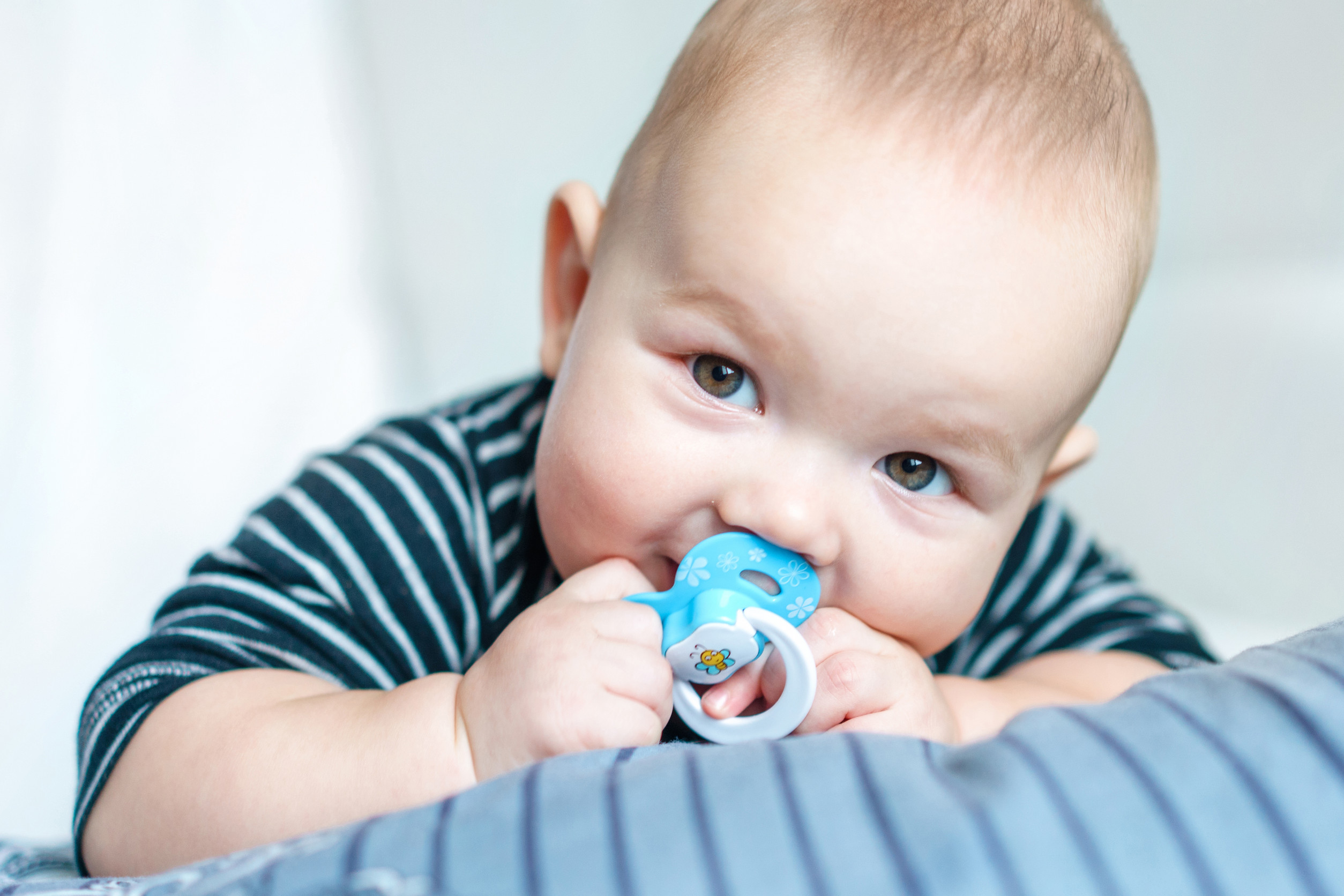
1. Pacifiers Trap Germs Easily

Pacifiers spend a lot of time on the floor, in diaper bags, and, of course, in a baby’s mouth. Because of their constant contact with saliva, pacifiers become prime breeding grounds for bacteria if not cleaned regularly. Some parents may rinse them off quickly, but that doesn’t kill the bacteria clinging to the small cracks and crevices. Over time, this buildup can expose babies to unnecessary germs. It’s no surprise that pacifiers are one of the baby items that are collecting more bacteria than a toilet seat.

2. Sippy Cups With Hidden Crevices

Sippy cups seem convenient, but their spouts and valves can trap leftover milk and juice. When these liquids sit, they quickly turn into breeding grounds for bacteria and even mold. Many parents don’t realize how difficult it is to fully sanitize every hidden part of a sippy cup. If not disassembled and washed thoroughly, they can expose children to harmful microbes daily. These cups easily rank among baby items that are collecting more bacteria than a toilet seat.

3. Plush Toys That Rarely Get Washed

Stuffed animals and soft toys are a source of comfort, but they’re also magnets for dirt, drool, and bacteria. Babies carry them everywhere, from the living room floor to outdoor play areas. Unfortunately, plush toys don’t always get cleaned as often as clothing or blankets. When not machine-washed regularly, they can harbor dust mites, allergens, and harmful germs. These seemingly innocent toys are baby items that are collecting more bacteria than a toilet seat.

4. Changing Pads With Frequent Contact

Changing pads are used multiple times a day and often come into direct contact with bodily fluids. Even with disposable liners, bacteria can seep into the seams and fabric if not disinfected consistently. Wiping them down quickly may not be enough to kill stubborn germs. Over time, this leads to a buildup of harmful bacteria in the very spot where parents think their babies are safest. That’s why changing pads join the list of baby items that are collecting more bacteria than a toilet seat.

5. High Chair Trays That Catch Everything

High chairs make mealtime easier, but the trays quickly become one of the dirtiest spots in the house. Between spilled food, sticky hands, and sneezes, the surface collects bacteria faster than parents can clean it. If trays aren’t thoroughly scrubbed after every meal, microbes can linger and multiply. Even dishwasher-safe trays need proper sanitization to truly eliminate germs. As a result, high chairs are baby items that are collecting more bacteria than a toilet seat.

6. Stroller Handles That Go Everywhere

Parents take strollers through grocery stores, sidewalks, playgrounds, and crowded public places. Along the way, the handles are touched by countless hands and exposed to environmental germs. Yet, stroller handles rarely get disinfected as often as they should. Babies sometimes chew on straps or touch the handles, spreading those germs further. This makes strollers another one of the baby items that are collecting more bacteria than a toilet seat.

7. Car Seats With Hidden Messes

Car seats are essential for safety, but they’re notoriously hard to clean thoroughly. Crumbs, spills, and sticky hands all contribute to bacteria hiding in the cracks and padding. Since many parents don’t disassemble and sanitize their car seats regularly, these germs can linger for weeks or months. Babies often snack or nap in car seats, increasing exposure to hidden bacteria. This is why car seats are baby items that are collecting more bacteria than a toilet seat.

Protecting Babies With Smarter Cleaning Habits

Parents can’t eliminate germs completely, but being aware of baby items that are collecting more bacteria than a toilet seat helps them take action. Simple habits like disinfecting pacifiers daily, washing plush toys weekly, and scrubbing high chair trays after every use can make a big difference. Strollers and car seats should be wiped down regularly, and sippy cups need full disassembly for thorough cleaning. By staying ahead of bacteria, families can keep their little ones healthier and reduce unnecessary exposure. Being proactive with cleaning isn’t just about tidiness—it’s about safeguarding a child’s well-being.

Which of these baby items surprised you the most? Share your cleaning tips and tricks in the comments below.

What to Read Next…

  • The Hidden Truth: 8 Common Cleaning Products Toxic For Kids
  • 6 Baby Items Hospitals Don’t Provide Anymore—But Parents Think They Do
  • 8 Items Daycares Often Ban Without Explaining Why
  • 6 Baby Products Pulled from Shelves But Still in Homes
  • Shocking Reality: 10 Popular Baby Items With Carcinogens
Catherine Reed
Catherine Reed

Catherine is a tech-savvy writer who has focused on the personal finance space for more than eight years. She has a Bachelor’s in Information Technology and enjoys showcasing how tech can simplify everyday personal finance tasks like budgeting, spending tracking, and planning for the future. Additionally, she’s explored the ins and outs of the world of side hustles and loves to share what she’s learned along the way. When she’s not working, you can find her relaxing at home in the Pacific Northwest with her two cats or enjoying a cup of coffee at her neighborhood cafe.

Filed Under: Healthy Living & Eating Tagged With: baby care, baby gear cleaning, baby hygiene, childcare safety, family health, parenting costs, parenting tips

8 Items Daycares Often Ban Without Explaining Why

September 29, 2025 | Leave a Comment

8 Items Daycares Often Ban Without Explaining Why
Image source: 123rf.com

For many parents, sending a child to daycare comes with a long list of rules. While some make perfect sense, others can feel confusing or even frustrating. It’s not uncommon to find everyday objects suddenly off-limits, leaving parents wondering what the real issue is. The truth is that many restrictions are based on safety, health, or regulatory concerns, but not every facility takes the time to explain. Here are eight items daycares often ban without explaining why, along with insights that can help parents better understand these rules.

1. Stuffed Animals and Plush Toys

Parents may think a soft toy brings comfort during naps, but many daycares ban them outright. The main reason is safety, as plush toys pose suffocation risks for younger children. They can also harbor dust, allergens, and germs that spread quickly in group settings. While families see them as harmless, daycares prioritize safety over familiarity. As a result, stuffed animals remain one of the most common items daycares often ban.

2. Peanut Butter and Nut Products

Food allergies are a serious concern, especially in environments with many children. Even trace amounts of peanuts can trigger life-threatening reactions in those who are allergic. Daycares avoid the risk entirely by banning peanut butter, trail mix, and anything processed with nuts. Parents may not receive much explanation beyond “allergy policy,” but the motivation is protecting vulnerable children. This makes nut-based snacks one of the first food-related items daycares often ban.

3. Glass Bottles or Containers

Glass may feel durable at home, but it poses a major hazard in a daycare environment. Dropped bottles can shatter into sharp pieces, putting little hands and feet at risk. Because accidents are inevitable with toddlers, most facilities prohibit glass completely. Parents are usually told to use plastic or stainless steel alternatives instead. While it may seem inconvenient, this is one of the items daycares often ban strictly for safety reasons.

4. Medications Without Paperwork

Even over-the-counter products like diaper cream or cough syrup can be banned without proper documentation. Daycares must follow strict licensing rules, which require medical authorization before administering anything. Staff members could face liability issues if they give a child medication without parental and physician approval. Parents may feel frustrated when a simple lotion is refused, but the rule ensures consistency and protection for both the staff and children. This explains why medications are among the items daycares often ban.

5. Toys From Home

Bringing a favorite toy might help with transitions, but many daycares don’t allow it. Sharing is a constant challenge, and personal toys often cause conflict among children. There is also the risk of damage or loss, which can create more stress for families. To maintain harmony, many facilities stick to their own set of toys and supplies. Although it feels strict, personal toys are another one of the items daycares often ban.

6. Small Jewelry and Accessories

Tiny bracelets, hair clips, or necklaces might look cute, but they are considered choking hazards in group settings. Curious toddlers are quick to grab or pull-on accessories, increasing the risk of injury. Even something as simple as a small hair bead can come loose and cause problems. Daycares prefer to eliminate the risk by banning these items altogether. Parents often don’t receive detailed explanations, yet safety is the driving reason behind this common restriction.

7. Pacifiers After a Certain Age

Some facilities set age limits for pacifier use, which can surprise parents who rely on them for comfort. Extended use is sometimes discouraged due to concerns about speech development and dental health. In a group environment, pacifiers can also spread germs quickly between children. While parents may not get a full breakdown, this rule is often enforced consistently. Pacifiers are therefore another example of items daycares often ban to encourage healthier habits.

8. Outside Food Beyond Lunches

Even if the snack seems harmless, many daycares ban outside food unless it’s part of a packed lunch. The reasons range from allergy risks to compliance with food program standards. Facilities participating in federal nutrition programs must adhere to specific guidelines about what children eat. This can feel confusing for parents who want to pack an extra treat. Still, it highlights why outside snacks are some of the items daycares often ban without much explanation.

Why Understanding These Bans Matters

Daycare rules may sometimes feel unnecessary, but most bans are rooted in safety, health, or compliance. Parents who understand the reasoning behind these restrictions are better prepared to work with staff rather than against them. While it’s natural to question certain policies, communication can ease frustrations and prevent misunderstandings. Remember that these rules are designed to protect children and create a safe environment for everyone. Knowing why items are restricted makes it easier to support the care team’s efforts.

Have you ever been surprised by items daycares often ban? Share your experiences and thoughts in the comments below.

What to Read Next…

6 Reasons Daycare Cameras Are Becoming a Legal Battleground

Can You Afford to Have Kids in 2025? Here’s What It Really Costs Per Year

6 Seemingly Safe Places That Could Actually Be Dangerous for Kids

Why Grandparents Shouldn’t Babysit Their Grandkids Every Week – The Unspoken Issue

Should Parents Be Required to Disclose Their Kids’ Diagnoses to Babysitters?

Catherine Reed
Catherine Reed

Catherine is a tech-savvy writer who has focused on the personal finance space for more than eight years. She has a Bachelor’s in Information Technology and enjoys showcasing how tech can simplify everyday personal finance tasks like budgeting, spending tracking, and planning for the future. Additionally, she’s explored the ins and outs of the world of side hustles and loves to share what she’s learned along the way. When she’s not working, you can find her relaxing at home in the Pacific Northwest with her two cats or enjoying a cup of coffee at her neighborhood cafe.

Filed Under: Parenting Tagged With: childcare safety, daycare policies, daycare rules, family advice, items daycares often ban, parenting tips, toddler care

  • Facebook
  • Pinterest
  • RSS
  • Twitter

Basic Principles Of Good Parenting

Here some basic principles for good parenting:

  1. What You Do Matters: Your kids are watching you. So, be purposeful about what you want to accomplish.
  2. You Can’t be Too Loving: Don’t replace love with material possessions, lowered expectations or leniency.
  3. Be Involved Your Kids Life: Arrange your priorities to focus on what your kid’s needs. Be there mentally and physically.
  4. Adapt Your Parenting: Children grow quickly, so keep pace with your child’s development.
  5. Establish and Set Rules: The rules you set for children will establish the rules they set for themselves later.  Avoid harsh discipline and be consistent.
  6. Explain Your Decisions: What is obvious to you may not be evident to your child. They don’t have the experience you do.
  7. Be Respectful To Your Child: How you treat your child is how they will treat others.  Be polite, respectful and make an effort to pay attention.
Best Parenting Blogs

Most Popular

Baby names

Teachers Admit: These 6 Baby Names Create Instant Bias in the Classroom

Latrice Perez
6 Baby Names That Sound Cute Now but Cause Problems Later

6 Baby Names That Sound Cute Now but Cause Problems Later

Brandon Marcus
11 Ways Kids Are Outsmarting Parental Controls 1. Using Alternate Devices One common trick is simply turning to another device. If a child’s main phone or tablet is restricted, they may borrow a sibling’s, friend’s, or even a school laptop. This instantly gives them access to content outside of parental oversight. Parents often focus on one device, forgetting that others in the household can serve as loopholes. Knowing this tactic helps families tighten controls across all electronics. 2. Clearing Browsing Histories Many kids quickly learn that clearing browsing history hides evidence of restricted activity. With just a few clicks, they can erase any trace of websites visited. This makes it harder for parents to notice when rules are being broken. Parents may assume no history means no browsing, but the reality is often the opposite. Kids are outsmarting parental controls by making it seem like nothing happened at all. 3. Using Private Browsing Modes Most browsers offer “incognito” or private browsing features. Kids use this mode to access websites without leaving a record in the history. To parents checking later, everything looks clean and safe. This simple trick is often one of the first ways kids discover how to bypass restrictions. Conversations about private browsing can help close this gap. 4. Guessing or Resetting Passwords Children who are persistent may try to guess passwords to parental control apps or accounts. Others may find ways to reset them through email prompts or security questions. Once inside, they can disable restrictions entirely. Parents may not even realize controls have been altered until much later. Stronger, less predictable passwords can make this more difficult. 5. Using VPNs to Hide Activity Virtual private networks, or VPNs, let kids disguise their online locations. With one downloaded app, they can bypass geographic or parental restrictions. Some children learn about VPNs through friends or even social media. This makes it easy for them to reach content that should be blocked. Parents often underestimate just how simple it is for kids to use these tools. 6. Creating Fake Accounts When parents monitor social media, kids may create hidden accounts. These “finstas” or fake profiles allow them to interact freely without parental oversight. While their main account appears harmless, the secondary one tells a different story. Kids are outsmarting parental controls by playing both sides at once. Checking for duplicate accounts can help parents stay more aware. 7. Exploiting Time Zone Settings Some kids change the time zone on their devices to bypass screen time limits. This trick allows them to gain extra hours of usage undetected. Parents may assume controls are working, but in reality, the child is bending the clock. It’s a clever loophole that highlights just how resourceful kids can be. Monitoring device settings regularly can catch this tactic. 8. Disabling or Uninstalling Apps Parental control apps can be deleted or disabled with surprising ease. Some kids even reinstall them before a parent checks, making it seem like nothing changed. Others may simply restrict permissions to prevent apps from functioning properly. When apps aren’t monitored closely, parents may not notice they’ve been tampered with. This shows the importance of consistent follow-up. 9. Turning to Friends for Access If a child can’t get past restrictions on their own, they may rely on friends. Visiting a friend’s house or borrowing their phone can give them a free pass. Parents often forget that peer environments can override restrictions set at home. This kind of social workaround is especially common with gaming or social media. Open conversations about trust and responsibility are essential. 10. Hiding Apps in Plain Sight Kids sometimes download apps that look innocent but serve as gateways to hidden activity. These apps may disguise themselves as calculators or utilities. In reality, they allow file storage, private messaging, or browser access. Parents glancing at a home screen may overlook them entirely. Learning to recognize these disguised apps can help parents stay informed. 11. Outpacing Parents’ Tech Knowledge Finally, kids often know more about devices than their parents do. Whether through YouTube tutorials, TikTok hacks, or peer groups, they quickly learn advanced workarounds. This knowledge gap means controls can be bypassed before parents even realize the loophole exists. Staying informed and continually learning about new technology is the best defense. Kids are outsmarting parental controls because they adapt faster than most adults. The Real Solution Lies Beyond Restrictions While controls and filters are important, no system is perfect. Kids will always find creative ways around barriers, making communication the strongest safeguard. Setting clear expectations, building trust, and having ongoing conversations about online behavior matter more than apps alone. Parents who combine technology with open dialogue create a safer digital environment. The goal isn’t to win a battle of wits but to build a relationship that keeps kids both safe and honest. Do you think kids are outsmarting parental controls faster than parents can keep up? Share your experiences in the comments below. What to Read Next... 6 Parenting Tech Shortcuts That Can Expose Your Child to Strangers How Much Screen Time Is Too Much—Legally Speaking? Is Your Child’s School Quietly Tracking Their Location Without Your Consent? How Much Screen Time Is Quietly Reshaping Childhood Behavior? Why Some Parents Are Being Investigated Over Homeschooling Records

11 Ways Kids Are Outsmarting Parental Controls

Catherine Reed
Smiling grandfather holding a happy baby indoors.

Why Grandparents Shouldn’t Babysit Their Grandkids Every Week – The Unspoken Issue

Samantha
birthday gifts

7 Birthday Gifts Your Child Should Never Bring to a Party

Latrice Perez

All content on Kids Ain’t Cheap is for entertainment purposes only. By reading this blog, you agree that Kids Ain’t Cheap is not responsible for any actions taken after reading this blog. For the full disclaimer, see our privacy policy.

Please note that Kids Ain’t Cheap has financial relationships with some of the merchants mentioned here. Kids Ain’t Cheap is funded by banner advertising, commission sales and search optimization consulting.

Copyright © 2006–2026 | District Media | All Rights Reserved | Privacy Policy

Copyright © 2026 Runway Pro Theme by Viva la Violette