• Home
  • About Us
  • Toolkit
  • Archives
  • Advertise
  • Privacy Policy

Kids Ain't Cheap

But They Sure Are Worth It

  • Parenting
    • Baby Stuff
    • Books and Reading
      • Aesops Fables
      • Comic Books
    • Education
    • Family Time
    • Green Living
    • Growing Up
    • Healthy Living & Eating
    • Holidays
    • Parenting
    • Random Musings
    • Shopping
    • Stuff to Do
  • Money
  • Product Reviews
    • Books and Magazines
    • Discount Sites
    • Furniture
    • House Keeping
    • Reviews News
    • Toys and Games
  • Contact Us
  • Our Editorial Commitment
  • Search

10 Forgotten Baby Items That Are Still Lurking in Your House

October 17, 2025 | Leave a Comment

10 Forgotten Baby Items That Are Still Lurking in Your House
Image source: shutterstock.com

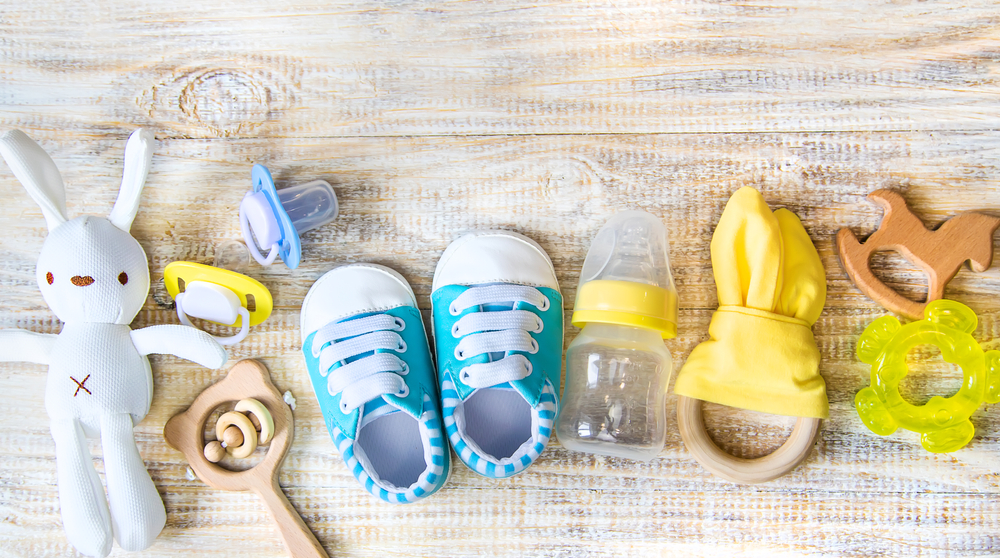
If you’re a parent, chances are your home still holds more than a few relics from your baby’s early years. From pacifiers buried in drawers to baby monitors collecting dust in closets, those once-essential items have a way of sticking around long after they’ve served their purpose. While some parents hold on to them for sentimental reasons, others simply forget they exist until a major cleanup brings them to light. Identifying these forgotten baby items can help reclaim space, reduce clutter, and even uncover opportunities to donate or repurpose. Here are ten of the most common culprits still hiding in homes across America.

1. Outgrown Bottles and Sippy Cups

Those colorful bottles and sippy cups once lined your kitchen cabinets, but they often end up tucked away “just in case.” Many families keep them for future kids or visiting toddlers, only to forget about them entirely. Unfortunately, plastic deteriorates over time, making old cups unsafe for reuse. If they’re still in good shape, local donation centers or baby consignment stores may take them. Otherwise, it’s time to recycle and reclaim that valuable cabinet space.

2. Baby Monitors That Never Got Unplugged

When your little one first arrived, a baby monitor provided peace of mind during every nap and bedtime. But once your child started sleeping through the night, that monitor may have become another piece of unused tech gathering dust. Many forgotten baby items fall into this category—electronics that linger long after their usefulness ends. Modern models also become outdated quickly, with newer versions offering Wi-Fi or camera monitoring. Consider donating or recycling old units responsibly instead of letting them linger in a drawer.

3. Burp Cloths and Bibs

It’s easy to forget just how many burp cloths and bibs you accumulated during those messy feeding years. These soft fabrics often hide in linen closets or mixed laundry piles, long past their prime. While some may still serve as cleaning rags, most are ready to retire. If they’re in decent condition, animal shelters often accept them for bedding or cleanup use. Getting rid of these small but plentiful forgotten baby items can instantly make your storage feel more organized.

4. Tiny Clothes You Meant to “Save for Later”

Baby clothes carry emotional weight, especially those from milestone moments like first birthdays or holidays. But if boxes of onesies, sleepers, and miniature jeans are taking over your attic, it’s worth reassessing. Clothes stored for years can lose elasticity or yellow with age, making them less suitable for reuse. A few sentimental pieces are fine to keep but consider donating the rest to families in need. It’s one of the simplest ways to declutter while doing something meaningful.

5. Baby Food Makers and Storage Containers

That baby food maker seemed essential at the time, but once your child started eating solids, it probably saw less action. These small appliances, along with the countless tiny food containers that came with them, often linger on shelves unused. They’re some of the most overlooked forgotten baby items in kitchens today. If you’re done using them, resell or donate them before they collect more dust. You’ll free up counter space and help another family save on baby gear.

6. Old Diaper Bags and Changing Pads

Every parent remembers that first diaper bag—the one packed with wipes, bottles, and backup outfits for every possible emergency. Years later, those bags and portable changing pads still hide in closets, waiting for a trip that never comes. Since diaper bags are often sturdy and stylish, they can easily be repurposed as gym bags or travel totes. Just make sure to clear out any old snacks or forgotten supplies first. A quick repurpose can turn clutter into something useful again.

7. Nursery Decor That Never Got Taken Down

From framed baby animals to pastel wall decals, nursery decor often outlives its relevance by several years. Once your child outgrows their crib, these pieces can feel out of place but still remain untouched. Taking down outdated decor can refresh a child’s room and make it feel age appropriate. Some parents even find joy in storing one or two items as keepsakes while donating the rest. It’s a small but satisfying way to reclaim the space’s purpose.

8. Pacifiers and Teething Toys

Few forgotten baby items are as common as pacifiers or teething rings. They tend to hide behind couch cushions, under furniture, or in diaper bags that haven’t been touched in ages. Since these items are made from materials that can degrade over time, they’re rarely safe for reuse. Most can be recycled or disposed of through specific take-back programs at baby supply stores. Getting rid of them clears both physical and emotional space for a new stage of parenthood.

9. Baby Carriers and Swings

Those bulky swings and carriers once provided comfort and convenience but now often dominate garage or basement corners. These high-ticket items can be difficult to part with, yet keeping them “just in case” can cost valuable storage space. Many organizations gladly accept gently used baby gear, especially if it meets current safety standards. Checking recalls before donating ensures they’re still safe for use. Passing them along can help another family while simplifying your own environment.

10. Keepsake Items That Turned into Clutter

Every parent has a few sentimental treasures—a hospital bracelet, first shoes, or that adorable handprint art. But over time, these keepsakes can multiply into overflowing bins. While these items hold deep emotional value, organizing them into a single memory box can help control the chaos. You don’t have to throw them all away—just choose the ones that truly capture important moments. Keeping memories doesn’t have to mean keeping clutter.

Reclaiming Space and Letting Go

Clearing out forgotten baby items doesn’t erase the memories—they’ve already served their purpose. What it does do is make room for new experiences, cleaner spaces, and less mental clutter. Letting go of these items can even spark a sense of renewal for parents transitioning into a new life stage. Whether you donate, recycle, or repurpose, every small act helps you reclaim control of your home. After all, it’s not about forgetting—it’s about moving forward with gratitude.

How many forgotten baby items are still hiding in your home? Share your funniest or most surprising discoveries in the comments below!

What to Read Next…

10 Baby Milestones That Make Parents Spend Unnecessarily

7 Baby Items That Are Collecting More Bacteria Than a Toilet Seat

6 Baby Items Hospitals Don’t Provide Anymore—But Parents Think They Do

What You Didn’t Know: 11 Unexpected Medical Bills After A New Baby

6 Baby Products Pulled from Shelves But Still in Homes

Catherine Reed
Catherine Reed

Catherine is a tech-savvy writer who has focused on the personal finance space for more than eight years. She has a Bachelor’s in Information Technology and enjoys showcasing how tech can simplify everyday personal finance tasks like budgeting, spending tracking, and planning for the future. Additionally, she’s explored the ins and outs of the world of side hustles and loves to share what she’s learned along the way. When she’s not working, you can find her relaxing at home in the Pacific Northwest with her two cats or enjoying a cup of coffee at her neighborhood cafe.


Filed Under: Home and Living Tagged With: Baby Gear, decluttering, family life, home tips, Organization, Parenting, parenting advice, sentimental keepsakes

Tired of Chaos? Blunt Advice for Restoring Order at Home

April 24, 2025 | Leave a Comment

Family organizing boxes together in a new home
Image Source: Unsplash

You’re ankle-deep in Lego, snack wrappers lurk under the couch, and dinner is a mystery. When life looks like a tornado hit your living room, it’s tempting to hide in the bathroom and doom-scroll. The good news? Restoring order at home doesn’t require Pinterest perfection—just a few practical shifts, shared effort, and the courage to start small.

1. Triage the Clutter: Hit High-Traffic Zones First

Before you even think about the attic, focus on the rooms you touch every hour—entryway, kitchen, living room. Set a 15-minute timer and tackle:

  • Mail & paperwork. Stand over the recycling bin; keep only what truly needs action.
  • Floors & surfaces. Sweep Lego into a bin, shoes into a basket, crumbs into the compost.
  • Visual calm. Wipe counters and fluff couch pillows for an instant “ahh” effect.

These quick wins lower visual noise, ease decision fatigue, and build momentum for bigger projects later.

2. Repurpose Everyday Items as Organizers

Skip the pricey storage haul. Everything you need is probably already in your cupboards:

  • Muffin tins for hair ties, beads, or action-figure accessories.
  • Mason jars for crayons, markers, and paintbrushes—bonus: clear glass shows when supplies run low.
  • Over-the-door shoe organizer for grab-and-go snacks, hats, or rolled-up T-shirts.

Thinking creatively turns decluttering into a low-stress, eco-friendly game—and saves cash for family adventures instead.

3. Make It a Team Sport

You are the coach, not the cleaning crew. You don’t have to carry all the weight of cleaning on your own shoulders. Get everyone in the game:

  • Assign zones. One child handles toy pickup, another manages silverware sorting. If every family member has a clear task, they’ll feel like they’re valuable members of the team! They’ll also see how everyone else is pulling their own weight.
  • Race the playlist. See who can finish their chore before three songs end. Gamifying chores can make them fun, especially for the youngest family members!
  • Praise effort, not perfection. A half-crooked blanket folded by a six-year-old still deserves a high-five. Positive reinforcement is the key!

Shared chores teach responsibility, nurture self-esteem, and slash resentment that often builds when one adult feels like the lone cleaner.

4. Embrace Simple Meal Planning

Dinner indecision is prime chaos fuel, especially for picky eaters and people who don’t want to be the decision-makers. Keep it realistic:

  • Pick three to four dinners for the week—aim for overlap in ingredients to cut prep time.
  • Designate one “flex night” for leftovers, breakfast-for-dinner, or affordable takeout.
  • Do a Sunday power hour: chop veggies, marinate proteins, batch-cook grains.

Even a loose plan reduces grocery runs, curbs impulse snacking, and leaves evenings free for family downtime.

5. Clean With a Game Plan

Random wiping often leads to mid-task distraction and discouragement. Instead:

  1. Write three micro-goals (e.g., clear dining table, bag outgrown clothes, vacuum playroom rug).
  2. Stage supplies—garbage bags, microfiber cloths, donation box—before you start.
  3. Check boxes as you go. Each tick delivers a dopamine hit that keeps motivation high.

A roadmap prevents overwhelm and turns cleaning into a series of satisfying, bite-sized victories.

Family silhouetted against a sunset in a field
Image Source: Unsplash

Give Yourself—and Your Family—Grace

Order is not about rigid systems or picture-perfect shelves. It’s about cultivating a home where everyone’s nervous system can exhale. A labeled junk drawer, a nightly 20-minute family pickup, or a consistent taco-Tuesday plan—all chip away at chaos and build a foundation of calm. Remember: messes are temporary. The sense of ease you create by tackling them—together—can last.

Got a sanity-saving hack—or a hilarious chaos story—to share? Drop it in the comments; we’d love to learn from you.

Read More

  • Parents, Listen Up! 12 Gentle Parenting Fails and the Fixes That’ll Change Your Life
  • 12 Childcare Issues That Rich People Never Have to Face
Samantha Warren
Samantha

Samantha Warren is a holistic marketing strategist with 8+ years of experience partnering with startups, Fortune 500 companies, and everything in between. With an entrepreneurial mindset, she excels at shaping brand narratives through data-driven, creative content. When she’s not working, Samantha loves to travel and draws inspiration from her trips to Thailand, Spain, Costa Rica, and beyond.

Filed Under: Parenting Tagged With: chaos recovery, decluttering, family teamwork, Home Organization, household routines, meal planning | Home & Family, parenting tips, simplify family life, Tidy Home

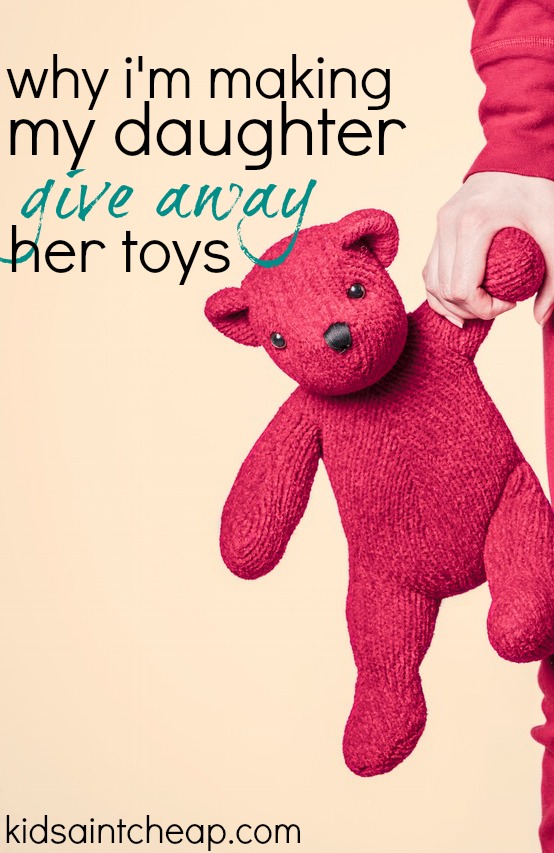
Why I’m Making My Child Give Away Her Toys

December 30, 2015 | 1 Comment

Before you think I'm a mean mom, hear me out. There's a good reason I'm making my child give away her toys.Christmas 2015 has been here and already gone. As much as I love decorating and savoring all that is Christmas, I want my house back in order by the 27th. I put away all the decorations and clean pretty much all day, it’s become a part of my holiday ritual.

With a young child, there is that much more to do now in terms of clean up. We now need to clean and organize her room and play area to accommodate the new gifts which she received. As much as I try to tell friends and family to please not buy/limit the gifts for her, they never listen and before I know it we’re researching contractors to do a house addition. While it’s not really that bad, we do have a finite amount of space to contain her stuff and so as objects come in, some must go out.

Living in a house with minimal storage space is both a blessing and a curse. We don’t have a garage or even an outdoor shed. Take your basic house and think about closet space, that’s basically what we have to live with. We do have a very small storage/cold/laundry room which is 40% laundry space, 40% tools/work area, 10% food storage (we have no pantry either), leaving us with about 10% additional storage. Not much. So when stuff comes in our house we really have to consider how much we want it and if we do want it, what has to go to make room.

Thankfully most of the gifts my husband and I receive are pretty practical or very small in size, so we really do only need to work on our daughter’s stuff (why must some toys be so large?).

I thought about sneaking into her room and doing a big purge, throwing it all in a big box destined for donation, but I decided it would be better to involve her instead. While I did go through her clothes, she will insist everything fits her forever, when it came to the toys, I put aside a bunch I thought she’d be ok with letting go as asked her to help me sort.

I wanted her to be involved in the process of giving her toys away. Kids build attachment to toys and I needed her to understand that I wasn’t taking her toys away to be mean, but rather have her understand that she has been very fortunate to receive so many new ones and there are children out there who have much less than she does. Especially at Christmas time, I want her to feel like she was helping someone else.

I’m the first to admit that my kid owns more stuff than I’m comfortable with but I think there can be a balance between giving and receiving. Not only is it important that she understands how fortunate she is, but by involving her in the process of giving to those in need she can learn compassion and gain a real life understanding of her situation.

How do you manage the post-holiday toy clutter?

Catherine
Catherine

Catherine is a first time momma to a rambunctious toddler. When she isn’t soaking up all that motherhood has to offer, you can find her blogging over at Plunged in Debt where she chronicles her and her husbands journey out of debt. You can also follow her on Twitter.

plungedindebt.com

Filed Under: Home and Living Tagged With: Christmas, Christmas clutter, decluttering

  • Facebook
  • Pinterest
  • RSS
  • Twitter

Basic Principles Of Good Parenting

Here some basic principles for good parenting:

  1. What You Do Matters: Your kids are watching you. So, be purposeful about what you want to accomplish.
  2. You Can’t be Too Loving: Don’t replace love with material possessions, lowered expectations or leniency.
  3. Be Involved Your Kids Life: Arrange your priorities to focus on what your kid’s needs. Be there mentally and physically.
  4. Adapt Your Parenting: Children grow quickly, so keep pace with your child’s development.
  5. Establish and Set Rules: The rules you set for children will establish the rules they set for themselves later.  Avoid harsh discipline and be consistent.
  6. Explain Your Decisions: What is obvious to you may not be evident to your child. They don’t have the experience you do.
  7. Be Respectful To Your Child: How you treat your child is how they will treat others.  Be polite, respectful and make an effort to pay attention.
Best Parenting Blogs

Most Popular

11 Ways Kids Are Outsmarting Parental Controls 1. Using Alternate Devices One common trick is simply turning to another device. If a child’s main phone or tablet is restricted, they may borrow a sibling’s, friend’s, or even a school laptop. This instantly gives them access to content outside of parental oversight. Parents often focus on one device, forgetting that others in the household can serve as loopholes. Knowing this tactic helps families tighten controls across all electronics. 2. Clearing Browsing Histories Many kids quickly learn that clearing browsing history hides evidence of restricted activity. With just a few clicks, they can erase any trace of websites visited. This makes it harder for parents to notice when rules are being broken. Parents may assume no history means no browsing, but the reality is often the opposite. Kids are outsmarting parental controls by making it seem like nothing happened at all. 3. Using Private Browsing Modes Most browsers offer “incognito” or private browsing features. Kids use this mode to access websites without leaving a record in the history. To parents checking later, everything looks clean and safe. This simple trick is often one of the first ways kids discover how to bypass restrictions. Conversations about private browsing can help close this gap. 4. Guessing or Resetting Passwords Children who are persistent may try to guess passwords to parental control apps or accounts. Others may find ways to reset them through email prompts or security questions. Once inside, they can disable restrictions entirely. Parents may not even realize controls have been altered until much later. Stronger, less predictable passwords can make this more difficult. 5. Using VPNs to Hide Activity Virtual private networks, or VPNs, let kids disguise their online locations. With one downloaded app, they can bypass geographic or parental restrictions. Some children learn about VPNs through friends or even social media. This makes it easy for them to reach content that should be blocked. Parents often underestimate just how simple it is for kids to use these tools. 6. Creating Fake Accounts When parents monitor social media, kids may create hidden accounts. These “finstas” or fake profiles allow them to interact freely without parental oversight. While their main account appears harmless, the secondary one tells a different story. Kids are outsmarting parental controls by playing both sides at once. Checking for duplicate accounts can help parents stay more aware. 7. Exploiting Time Zone Settings Some kids change the time zone on their devices to bypass screen time limits. This trick allows them to gain extra hours of usage undetected. Parents may assume controls are working, but in reality, the child is bending the clock. It’s a clever loophole that highlights just how resourceful kids can be. Monitoring device settings regularly can catch this tactic. 8. Disabling or Uninstalling Apps Parental control apps can be deleted or disabled with surprising ease. Some kids even reinstall them before a parent checks, making it seem like nothing changed. Others may simply restrict permissions to prevent apps from functioning properly. When apps aren’t monitored closely, parents may not notice they’ve been tampered with. This shows the importance of consistent follow-up. 9. Turning to Friends for Access If a child can’t get past restrictions on their own, they may rely on friends. Visiting a friend’s house or borrowing their phone can give them a free pass. Parents often forget that peer environments can override restrictions set at home. This kind of social workaround is especially common with gaming or social media. Open conversations about trust and responsibility are essential. 10. Hiding Apps in Plain Sight Kids sometimes download apps that look innocent but serve as gateways to hidden activity. These apps may disguise themselves as calculators or utilities. In reality, they allow file storage, private messaging, or browser access. Parents glancing at a home screen may overlook them entirely. Learning to recognize these disguised apps can help parents stay informed. 11. Outpacing Parents’ Tech Knowledge Finally, kids often know more about devices than their parents do. Whether through YouTube tutorials, TikTok hacks, or peer groups, they quickly learn advanced workarounds. This knowledge gap means controls can be bypassed before parents even realize the loophole exists. Staying informed and continually learning about new technology is the best defense. Kids are outsmarting parental controls because they adapt faster than most adults. The Real Solution Lies Beyond Restrictions While controls and filters are important, no system is perfect. Kids will always find creative ways around barriers, making communication the strongest safeguard. Setting clear expectations, building trust, and having ongoing conversations about online behavior matter more than apps alone. Parents who combine technology with open dialogue create a safer digital environment. The goal isn’t to win a battle of wits but to build a relationship that keeps kids both safe and honest. Do you think kids are outsmarting parental controls faster than parents can keep up? Share your experiences in the comments below. What to Read Next... 6 Parenting Tech Shortcuts That Can Expose Your Child to Strangers How Much Screen Time Is Too Much—Legally Speaking? Is Your Child’s School Quietly Tracking Their Location Without Your Consent? How Much Screen Time Is Quietly Reshaping Childhood Behavior? Why Some Parents Are Being Investigated Over Homeschooling Records

11 Ways Kids Are Outsmarting Parental Controls

Catherine Reed
Smiling grandfather holding a happy baby indoors.

Why Grandparents Shouldn’t Babysit Their Grandkids Every Week – The Unspoken Issue

Samantha
Girl getting makeup done, referencing psychologist-approved age.

Wearing Makeup: Here Is the Age That Psychologists Agree It’s Okay for Girls to Wear Makeup

Samantha
birthday gifts

7 Birthday Gifts Your Child Should Never Bring to a Party

Latrice Perez

Babysitting Without Cash: 10 Ways to Barter Your Way Out of Childcare Costs

Ashleigh Clyde

All content on Kids Ain’t Cheap is for entertainment purposes only. By reading this blog, you agree that Kids Ain’t Cheap is not responsible for any actions taken after reading this blog. For the full disclaimer, see our privacy policy.

Please note that Kids Ain’t Cheap has financial relationships with some of the merchants mentioned here. Kids Ain’t Cheap is funded by banner advertising, commission sales and search optimization consulting.

Copyright © 2006–2026 | District Media | All Rights Reserved | Privacy Policy

Copyright © 2026 Runway Pro Theme by Viva la Violette